
Navigating the bustling streets of Manhattan requires more than just a good map and a pair of comfortable walking shoes. For travelers, business professionals, and new residents alike, understanding the geography of this iconic borough is essential. One of the most common questions newcomers ask is: “What is the zip code of Manhattan?” The truth is that there is no single zip code for the entire island. Instead, New York utilizes a complex grid system divided into dozens of specific zones to ensure mail delivery and municipal services remain efficient within one of the most densely populated areas in the United States.

Understanding the Manhattan Postal Grid
Unlike smaller cities that might be served by one or two codes, Manhattan is a sprawling landscape of neighborhoods, each with its own unique identity and postal designation. When you look at the city, you are looking at a mosaic of zip codes that reflect the historical and geographical development of the region.
The Logic Behind the Numbers
The United States Postal Service (USPS) assigns zip codes based on logistical efficiency rather than political boundaries or neighborhood feelings. In Manhattan, these codes generally start with the number 1, reflecting its location within the northeastern region of the country. Within the island, the numbers increase as you move from the southern tip—Lower Manhattan—up toward the north.
For instance, the Financial District and parts of Tribeca often utilize codes starting with 1000x, while neighborhoods further uptown, such as Harlem, utilize codes in the 1002x or 1003x range. Understanding this numerical progression can actually help travelers orient themselves as they move between different districts.
Why Zip Codes Matter for Travelers
If you are planning a visit, knowing the specific zip code of your destination is more than just a trivial detail. It is vital for using ride-sharing apps, finding the most efficient subway routes, and locating local services. If you are staying at a property near Central Park, your postal code will be vastly different from a location near Wall Street. By checking the zip code of your hotel, you can better understand which neighborhood amenities are within walking distance and how your proximity to key transit hubs will influence your daily travel itinerary.
Key Neighborhoods and Their Designations
To make sense of the borough, it is helpful to categorize common destinations by their general postal zones. While there are far too many to list individually, identifying the zones for major tourist hubs provides a solid foundation for navigating the city.
Downtown and Mid-Island Zones
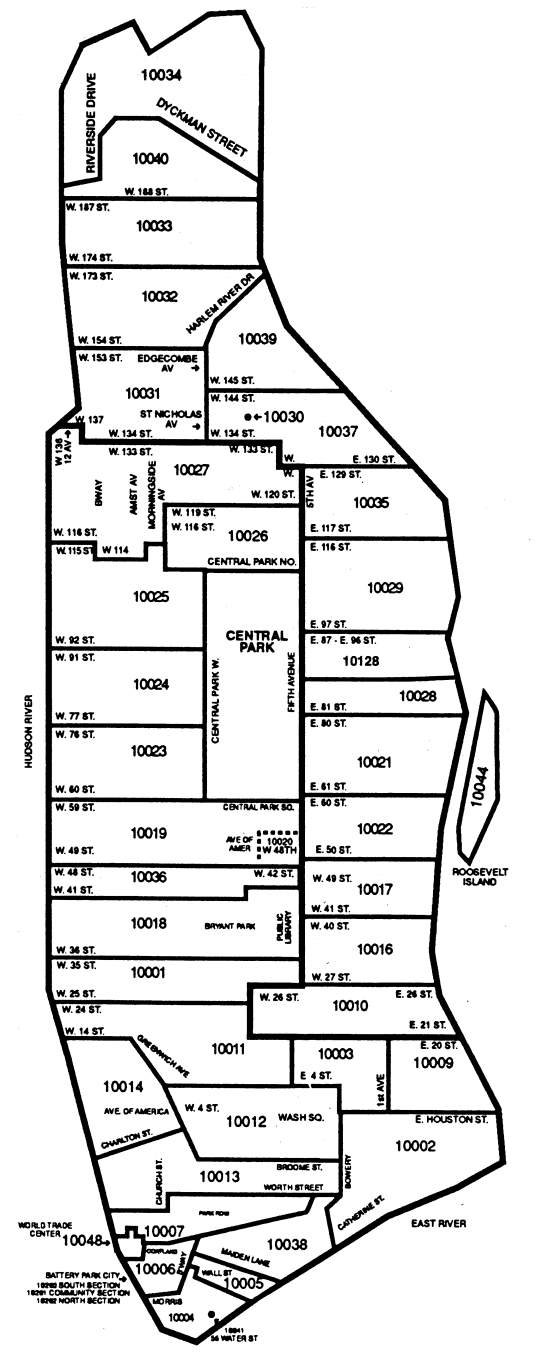
The area stretching from Battery Park up to Midtown Manhattan is a flurry of activity. The 10001 code, for example, covers a significant portion of the area surrounding Penn Station and the Empire State Building. This is a central artery for commerce and tourism. Moving slightly eastward into Chelsea or Greenwich Village, you will encounter a series of codes that define the artistic and residential character of these historic streets.
Uptown and Upper East Side
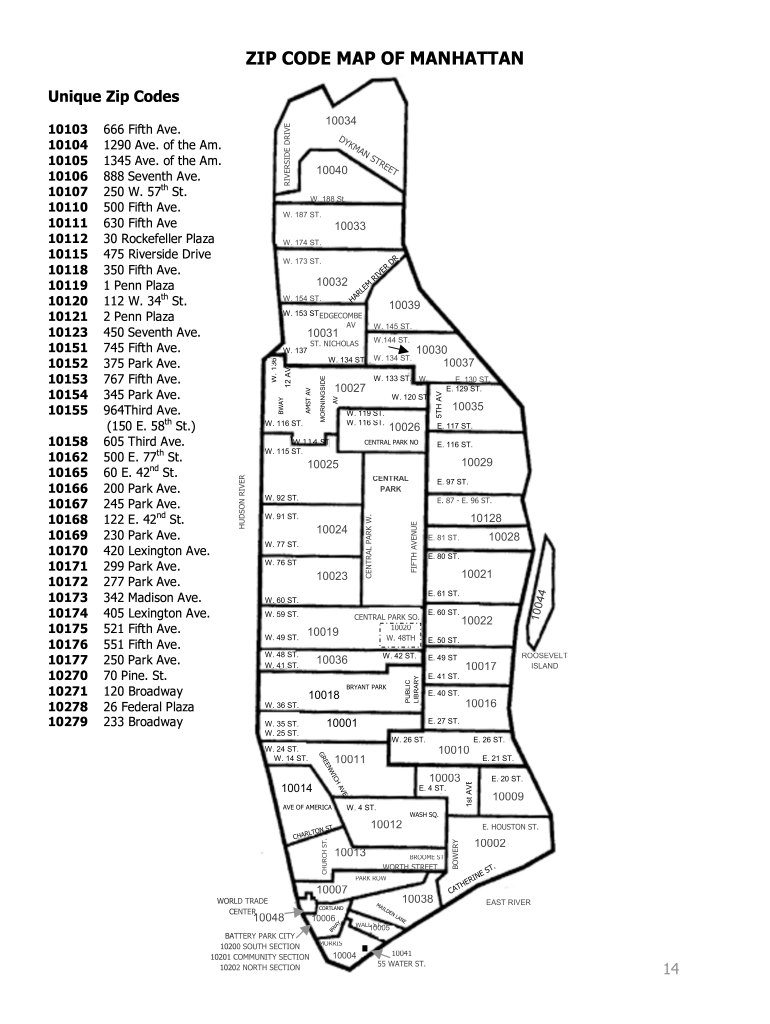
As you travel past 59th Street, the atmosphere shifts. The Upper East Side, famously home to the Metropolitan Museum of Art, is primarily served by codes such as 10021, 10028, and 10075. These designations often correlate with the high-end residential feel of the area, distinct from the frantic pace of the Garment District. Recognizing these boundaries allows travelers to set realistic expectations for the ambiance and pace of their chosen base of operations.
Practical Tips for Navigating the City
Beyond the numbers, navigating the borough requires a blend of local knowledge and preparation. Whether you are coming for a weekend getaway or an extended business stay, these tips will ensure you move through the city with the confidence of a local.
Using Technology to Your Advantage
In the digital age, you rarely need to memorize a list of zip codes to find your way. However, you should always verify the address of your accommodation before departing. When inputting an address into GPS services, the zip code acts as a crucial filter. Manhattan has many streets with the same name in different parts of the city; the zip code ensures you are directed to the correct location, preventing a scenario where you end up in the wrong part of town due to a simple oversight.
The Role of Geography in Your Itinerary
When planning your trip, consider the zip code as a marker of your “home base.” If your hotel is located in a code like 10019, near Columbus Circle, you are perfectly positioned for exploring Broadway and the Theater District. Conversely, staying in a location with a 10013 code puts you in the heart of SoHo, known for its cast-iron architecture and boutique shopping. Planning your daily sightseeing based on these geographic clusters will save you hours of transit time, allowing you to maximize your experience in this legendary city.
Staying Connected and Informed
For travelers visiting from outside of North America, the concept of zip codes might be entirely new. Remember that these five-digit numbers are the foundation of all logistics in the United States Postal Service. Even if you do not plan on sending mail, having the zip code for your hotel or a favorite New York City restaurant can be incredibly useful when asking locals for directions or confirming your location with a ride-share driver.
The Cultural Significance of Neighborhood Identities
Ultimately, the reason Manhattan requires so many zip codes is that it is not just one city, but a collection of distinct villages that grew together over centuries. Each code tells a story about the history and development of the island. The evolution from the Dutch settlement of New Amsterdam to the modern global financial capital is reflected in these postal borders.
When you visit Little Italy or Chinatown, you are entering zones that have maintained their unique character despite the encroaching uniformity of modern infrastructure. Zip codes are the invisible threads that hold these disparate neighborhoods together, allowing the massive logistical machine of the city to function. As a traveler, appreciating these boundaries adds a layer of depth to your journey. You are not just visiting a borough; you are traversing a complex network of cultures, economies, and histories.
By understanding the layout—and recognizing that there is no single zip code to define such a dynamic environment—you gain a greater appreciation for the scale and diversity of the city. Whether you are admiring the skyscrapers near Grand Central Terminal or strolling through the quiet streets of the West Village, keep in mind that every block, every street, and every building is part of a larger, carefully managed system. Respecting the city’s geography is the first step toward a seamless and rewarding travel experience in the greatest city in the world.
LifeOutOfTheBox is a participant in the Amazon Services LLC Associates Program, an affiliate advertising program designed to provide a means for sites to earn advertising fees by advertising and linking to Amazon.com. Amazon, the Amazon logo, AmazonSupply, and the AmazonSupply logo are trademarks of Amazon.com, Inc. or its affiliates. As an Amazon Associate we earn affiliate commissions from qualifying purchases.