
Nestled in the heart of the East River, Randall’s Island remains one of the most intriguing and geographically unique destinations in New York City. Often overlooked by visitors rushing between the skyscraper canyons of Manhattan and the vibrant neighborhoods of Queens, this verdant oasis serves as a crucial connective tissue for the metropolitan area. Positioned between the northern reaches of the island of Manhattan, the industrial waterfronts of the Bronx, and the western shores of Queens, the island is far more than a mere transit corridor. It is a sprawling landscape of recreational space, historical significance, and ecological restoration.
Defining the Geography of Randall’s Island
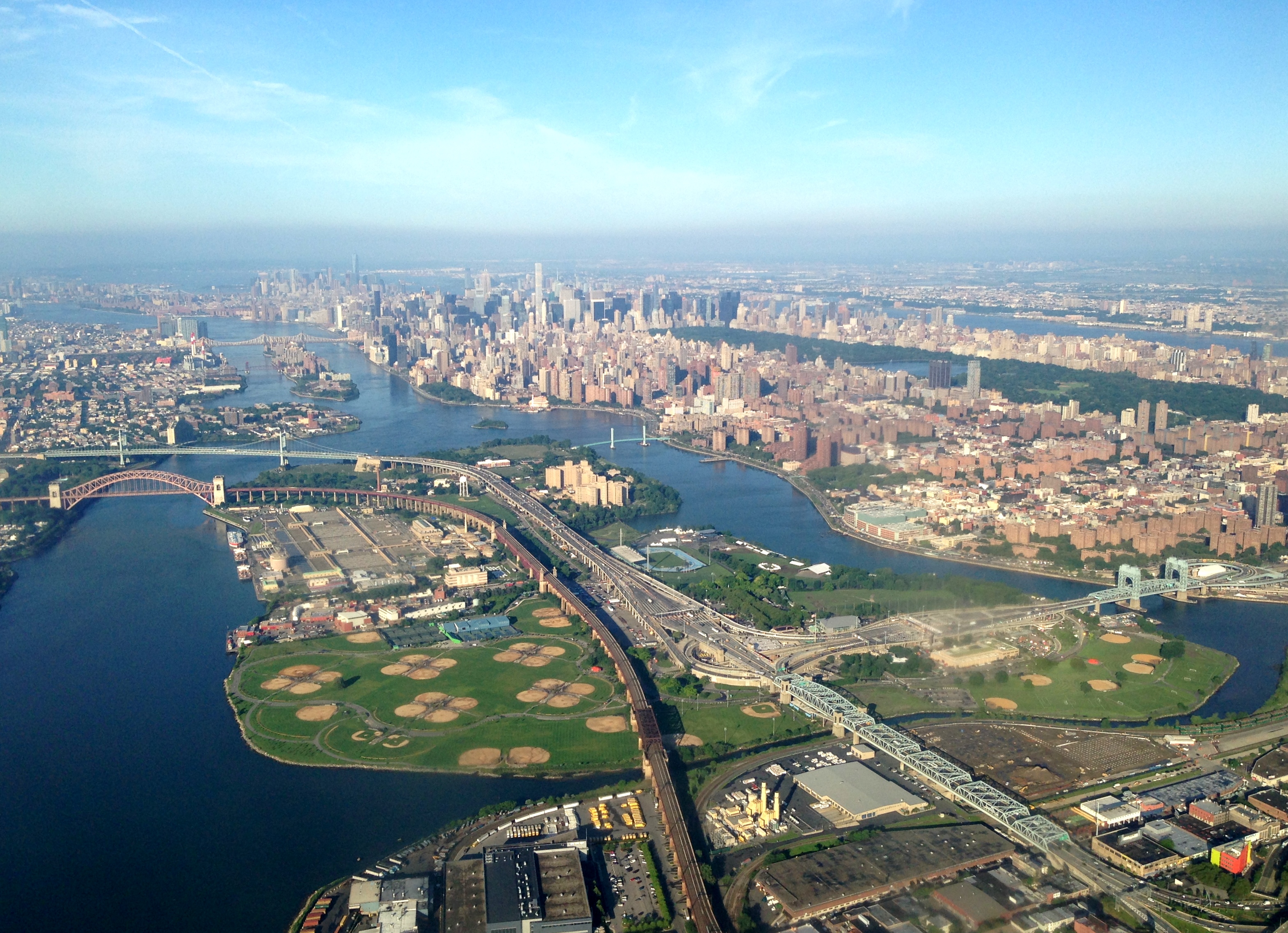
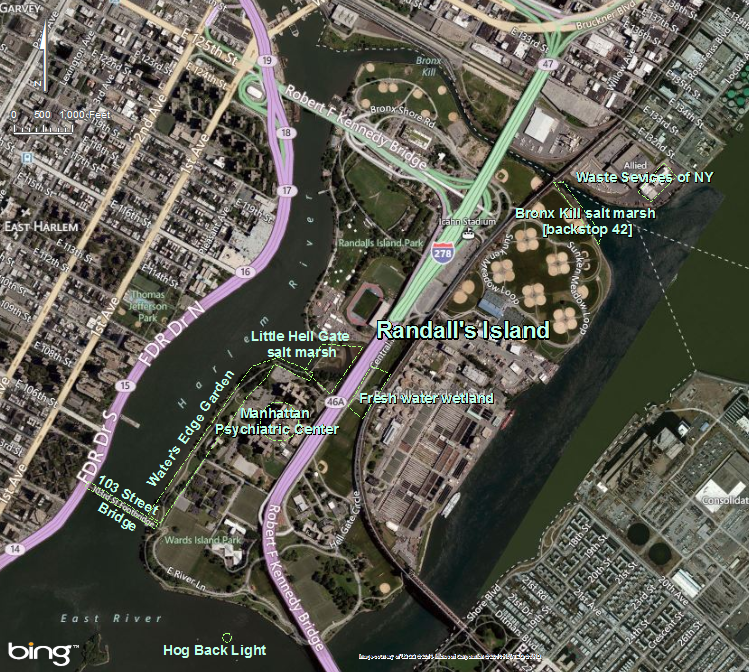
To understand the location of Randall’s Island Park, one must look at the complex intersection of waterways that define the northern boundaries of the city. The island is effectively a twin landmass joined to Wards Island by a narrow landfill channel. Together, these islands form a strategic barrier in the Hell Gate, a treacherous strait where the East River meets the Harlem River.
The Convergence of Boroughs
The physical location of the island makes it a natural crossroads. It is physically connected to the surrounding boroughs by an impressive array of infrastructure. The Triborough Bridge—officially known as the Robert F. Kennedy Bridge—serves as the primary lifeline, arching high over the island and tethering it to all three boroughs simultaneously. This intersection of steel and concrete offers residents and tourists alike a rare vantage point where they can look out over the entire city, watching the New York Harbor currents swirl below while remaining in a quiet, park-like environment.
Accessibility and Connectivity
For those wondering how to reach this destination, the island is accessible via the Randall’s Island Connector, a pedestrian bridge that links the island to the South Bronx. This connection has revolutionized the way locals engage with the space, turning a previously isolated area into an extension of the local neighborhood fabric. Whether you are arriving by bike, foot, or via the MTA Bus service, the location feels simultaneously remote and deeply integrated into the pulse of the city.
A Historical Perspective on the Island’s Role
The history of Randall’s Island is as complex as the currents that surround it. Originally home to the Lenape people, the land has undergone radical transformations over the last three centuries. It has transitioned from colonial farmland and institutional grounds—housing everything from an asylum to a veterans’ hospital—into the expansive, publicly accessible recreational hub it is today.
From Institutional Grounds to Public Park
For much of the 19th and early 20th centuries, the island was largely inaccessible to the general public, serving as a site for social welfare and medical institutions. This legacy left the island with large, open plots of land that were eventually converted into the sprawling parklands managed by the New York City Department of Parks and Recreation. Understanding the island’s past helps visitors appreciate why the landscape feels so open and expansive compared to the dense, built-up urban environment of Central Park.

Architectural Landmarks
The island is also home to significant engineering feats. The Hell Gate Bridge, an architectural masterpiece designed by Gustav Lindenthal, cuts a dramatic silhouette against the sky. Its massive steel arch serves as a testament to the early 20th-century industrial ambition of New York. Viewing these structures from the park’s walking trails provides a unique sense of scale that is difficult to find anywhere else in the metropolitan region.
Recreational and Ecological Significance
Today, the primary draw for those visiting the location is its vast expanse of green space. With over 330 acres of parkland, the island offers amenities that are scarce in other parts of the city. It is a premier site for sports, hosting dozens of soccer fields, baseball diamonds, and tennis courts, including the Sportime Randall’s Island, which serves as a major hub for youth and professional athletes.
Natural Habitats and Restoration
Beyond the manicured lawns and sports facilities, the island is a leader in urban environmental stewardship. The Salt Marsh restoration projects along the shoreline represent an important effort to reintroduce native ecosystems to the Atlantic Coast urban environment. Birdwatchers frequently visit the island’s Urban Farm, which provides a hands-on agricultural experience for children and serves as a testament to the potential for sustainability in a densified city.
Waterfront Access
The island offers miles of accessible waterfront paths that encircle the entire park. Cyclists and runners utilize these routes to enjoy unobstructed views of the East River and the iconic Manhattan Skyline. During the warmer months, the shores become a gathering spot for locals looking to escape the intensity of the city, providing a serene environment that feels worlds away from the noise of Times Square.
Navigating the Island: Practical Tips for Visitors
Visiting Randall’s Island requires a bit of planning, especially for those unfamiliar with the geography of the northern reaches of the city. While it is centrally located in relation to the boroughs, it remains a destination you must intentionally choose to visit, rather than one you happen upon during a casual walk through Midtown.
Seasonal Considerations
The island changes dramatically with the seasons. Spring brings a burst of migratory bird activity and lush greenery, making it the perfect time for nature walks. Summer, conversely, is marked by high-energy events and festivals, as the open space allows for large-scale gatherings that would be impossible in tighter urban corridors. Travelers should check the Randall’s Island Park Alliance website for seasonal event schedules, as certain areas of the park may be reserved for major cultural or sporting events.
The Value of the “Hidden” Destination
The true magic of Randall’s Island lies in its ability to offer a breath of fresh air amidst the rapid pace of the city. Whether you are interested in historical architecture, birdwatching in restored marshes, or catching a local sports match, the island offers a unique perspective on the geography of New York. By understanding its location at the nexus of the Bronx, Queens, and Manhattan, visitors can better appreciate how this seemingly isolated stretch of land is actually the beating heart of recreational life for millions of city dwellers. As you cross the Robert F. Kennedy Bridge, take a moment to look down at the island below—a green sanctuary firmly planted in the middle of one of the world’s greatest urban landscapes.
LifeOutOfTheBox is a participant in the Amazon Services LLC Associates Program, an affiliate advertising program designed to provide a means for sites to earn advertising fees by advertising and linking to Amazon.com. Amazon, the Amazon logo, AmazonSupply, and the AmazonSupply logo are trademarks of Amazon.com, Inc. or its affiliates. As an Amazon Associate we earn affiliate commissions from qualifying purchases.