
Duck hunting in Mississippi is more than just a seasonal activity; it is a profound cultural heritage embedded in the landscape of the Mississippi Delta. As the Mississippi Flyway serves as one of the most critical migratory paths for waterfowl in North America, the state offers unparalleled opportunities for outdoor enthusiasts. Understanding the seasonal calendar and the regional nuances of this activity is essential for anyone looking to experience the authentic outdoors of the American South.
Understanding the Seasonal Calendar and Regulations
The duck hunting season in Mississippi is meticulously managed by the Mississippi Department of Wildlife Fisheries and Parks. These regulations ensure the sustainability of migratory bird populations while providing hunters with a structured window to pursue their passion.

The Split-Season Structure
Typically, the regular duck season is divided into segments to accommodate the varying arrival times of different migratory species. The season generally begins in late November and extends through late January. This structure is designed to capitalize on the peak migrations of mallards, gadwalls, and teal, which follow the cooling temperatures of the United States.
Regulatory Compliance
Before heading into the wetlands, hunters must obtain the necessary state and federal permits, including the Federal Duck Stamp. Familiarizing oneself with the daily bag limits and species-specific regulations is vital, as these can change annually based on census data collected by wildlife biologists throughout the Flyway.
Prime Hunting Regions and Habitat Types
The geography of Mississippi dictates where the most productive hunting occurs. From the vast, fertile agricultural fields of the Delta to the flooded timber stands that define the region’s character, the state offers diverse environments.
The Mississippi Delta
The Delta remains the crown jewel of southern duck hunting. The region’s extensive network of rice fields, reservoirs, and private impoundments creates an ideal habitat for wintering waterfowl. Towns like Greenville, Cleveland, and Tunica are central hubs for those seeking access to managed hunting lands. The combination of abundant water sources and waste grain provides the sustenance migratory ducks need, making this area a consistent producer year after year.
Flooded Timber and Managed Wetlands
Beyond the open fields, hunting in the flooded hardwood forests—often referred to as “green timber”—is a uniquely Mississippi experience. Places like the Delta National Forest provide public land opportunities, though they require a high degree of woodsmanship and preparation. These areas are prized for the challenge they present, as hunting under a canopy of oaks demands precision and specialized equipment.
Planning Your Outdoor Expedition

For those visiting Mississippi specifically for the hunting season, logistics require careful consideration. The experience is best enjoyed by pairing active days in the blinds with the hospitality for which the Deep South is famous.
Accommodations and Local Amenities
Many hunters choose to stay at dedicated hunting lodges that offer all-inclusive packages. These lodges provide more than just a place to sleep; they offer a base of operations that includes local guides who know the daily habits of the local duck populations. When booking, consider proximity to popular flyway corridors. Staying near cities like Jackson allows for easy travel, but venturing into smaller towns near the Mississippi River often puts you closer to the heart of the action.
Essential Gear and Preparation
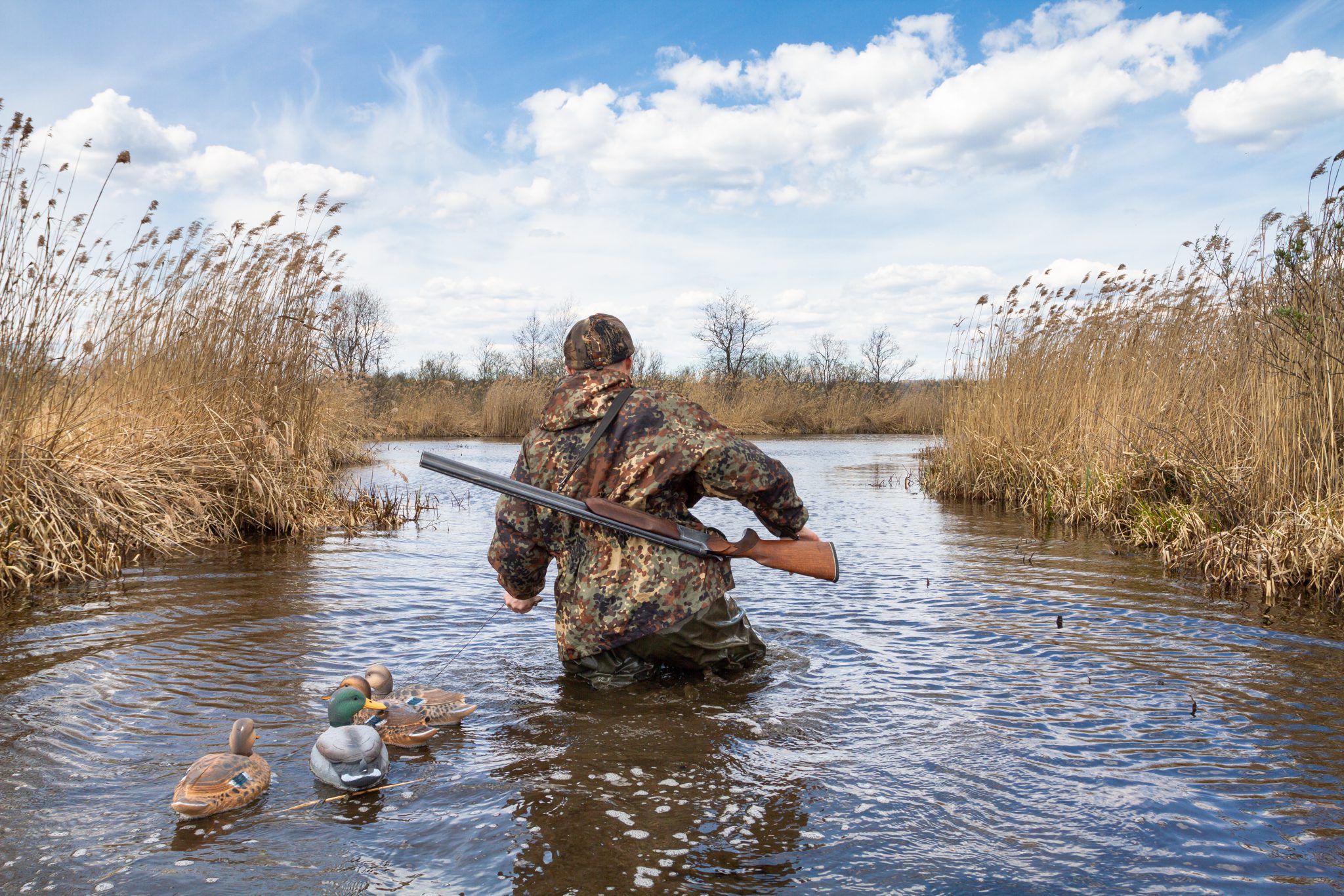
The weather during the Mississippi duck season can be notoriously unpredictable. Hunters should be prepared for everything from unseasonably warm mornings to freezing rain. Investing in high-quality waterproof gear, layered clothing, and reliable decoys is standard procedure. Furthermore, because hunting in this region often involves boat travel through complex river systems or flooded fields, having a reliable watercraft equipped for navigating shallow waters is a common requirement.
The Cultural Significance of Waterfowl Season
The start of duck season is a cultural touchstone in Mississippi. It is a time when families gather, long-standing traditions are passed down to younger generations, and the spirit of outdoor stewardship is celebrated.
Community and Conservation
The hunting community in Mississippi is deeply invested in the conservation of the Wetlands. Organizations such as Ducks Unlimited have a massive presence in the state, working alongside hunters to restore habitats that support not just game birds, but a diverse array of flora and fauna. By participating in the season responsibly, hunters contribute to the funding of these conservation efforts.
Beyond the Blind: Culinary Traditions
Part of the appeal of a Mississippi hunting trip is the culinary culture that follows. From duck gumbo to bacon-wrapped breast fillets prepared in the kitchens of local B&Bs, the harvest is treated with deep respect. Visitors are encouraged to engage with local chefs and hosts who specialize in traditional Southern cuisine, as this is an integral part of the overall experience.
Best Practices for a Successful Season
Success in the Mississippi duck season is rarely accidental. It requires a combination of preparation, environmental awareness, and adherence to the principles of fair chase.
Scouting and Adaptability
The most successful hunters are those who spend as much time scouting as they do sitting in the blind. Migratory patterns change based on weather events further north, such as cold fronts moving through Canada or the Midwest. Staying informed about these weather patterns allows hunters to adjust their locations and strategies in real-time.
Respecting the Land and Environment
As a guest in the Mississippi outdoors, maintaining ethical standards is paramount. This includes packing out all trash, respecting private land boundaries, and ensuring that hunting activities do not disrupt other wildlife or the local ecosystem. By acting as a responsible ambassador of the sport, visitors ensure that these lands remain accessible and productive for future seasons.
Ultimately, the window of time for duck hunting in Mississippi provides a unique opportunity to witness the power of nature. Whether you are an experienced hunter or an outdoor enthusiast looking to understand the seasonal rhythms of the South, the months from November to January offer a perspective on the land that few other activities can provide. By preparing well, respecting the regulations, and immersing yourself in the local culture, you will find that the season is about much more than the hunt—it is about the connection to the landscape and the community that guards it.
LifeOutOfTheBox is a participant in the Amazon Services LLC Associates Program, an affiliate advertising program designed to provide a means for sites to earn advertising fees by advertising and linking to Amazon.com. Amazon, the Amazon logo, AmazonSupply, and the AmazonSupply logo are trademarks of Amazon.com, Inc. or its affiliates. As an Amazon Associate we earn affiliate commissions from qualifying purchases.