
Becoming a Notary Public in the state of Nebraska is a professional endeavor that serves as a cornerstone of legal and administrative integrity within the region. As a commissioned officer of the state, a notary acts as an impartial witness to the signing of important documents, ensuring that signatures are authentic and that the signers are acting of their own free will. Whether you are operating out of the bustling business hubs of Omaha or the historical legislative heart of Lincoln, the process is governed by specific statutes designed to maintain high standards of public service.

Eligibility Requirements and Initial Preparation
Before embarking on the application process, it is essential to ensure that you meet the baseline requirements established by the Nebraska Secretary of State. Notaries play a vital role in local commerce and legal proceedings, often assisting travelers or business professionals visiting major transit points like Eppley Airfield.
Fundamental Qualifications
To qualify for a notary commission in Nebraska, you must meet the following criteria:
- Age: You must be at least 19 years of age.
- Residency: You must be a resident of the state of [Nebraska] or be a resident of a state bordering Nebraska and be employed in Nebraska.
- Legal Standing: You must not have been convicted of a felony or a crime involving moral turpitude.
- Literacy: You must be able to read and write the English language.
If you are a resident of a neighboring state, such as Iowa, South Dakota, Kansas, Colorado, Wyoming, or Missouri, you may still apply provided you can prove your employment within Nebraska. This is particularly relevant for those working in cross-state logistics or corporate entities based near the Missouri River.
Understanding the Role
Being a notary is more than just stamping papers; it is a position of public trust. You are expected to be an impartial witness. Whether you are authenticating documents for someone visiting a local Marriott Hotel or validating real estate transactions in the Old Market, your signature and seal carry the weight of state authority.
The Application and Commissioning Process
The application process is structured to be straightforward but demands meticulous attention to detail. Any errors in the application form can lead to processing delays or rejection, which may affect your ability to provide services to your clients or employer.
Completing the Application
Applicants must visit the Nebraska Secretary of State website to obtain the official application form. You will be required to provide personal information, including your full legal name, residential address, and current employment details. If you are an out-of-state applicant, you must provide documentation verifying your employment in Nebraska.
The Surety Bond Requirement
A critical step in becoming a notary is obtaining a surety bond. In Nebraska, this bond is currently set at $15,000. The purpose of this bond is to protect the public from any financial loss resulting from a notary’s official misconduct or negligence. You can purchase this bond through a licensed insurance agency. Once the bond is issued, it must be signed and filed with the Secretary of State.
Submission and Fees
Once your application is completed and your bond is secured, you must submit both documents along with the required filing fee to the Secretary of State’s office. This can typically be done via mail or through the state’s online portal. It is advisable to keep copies of all submitted materials for your personal records.
Essential Supplies and Operational Best Practices
Once your commission is issued, you are officially authorized to perform notarial acts. However, professional readiness requires the right tools and a comprehensive understanding of best practices.
Necessary Equipment
To perform your duties effectively, you will need to acquire a few essential supplies:
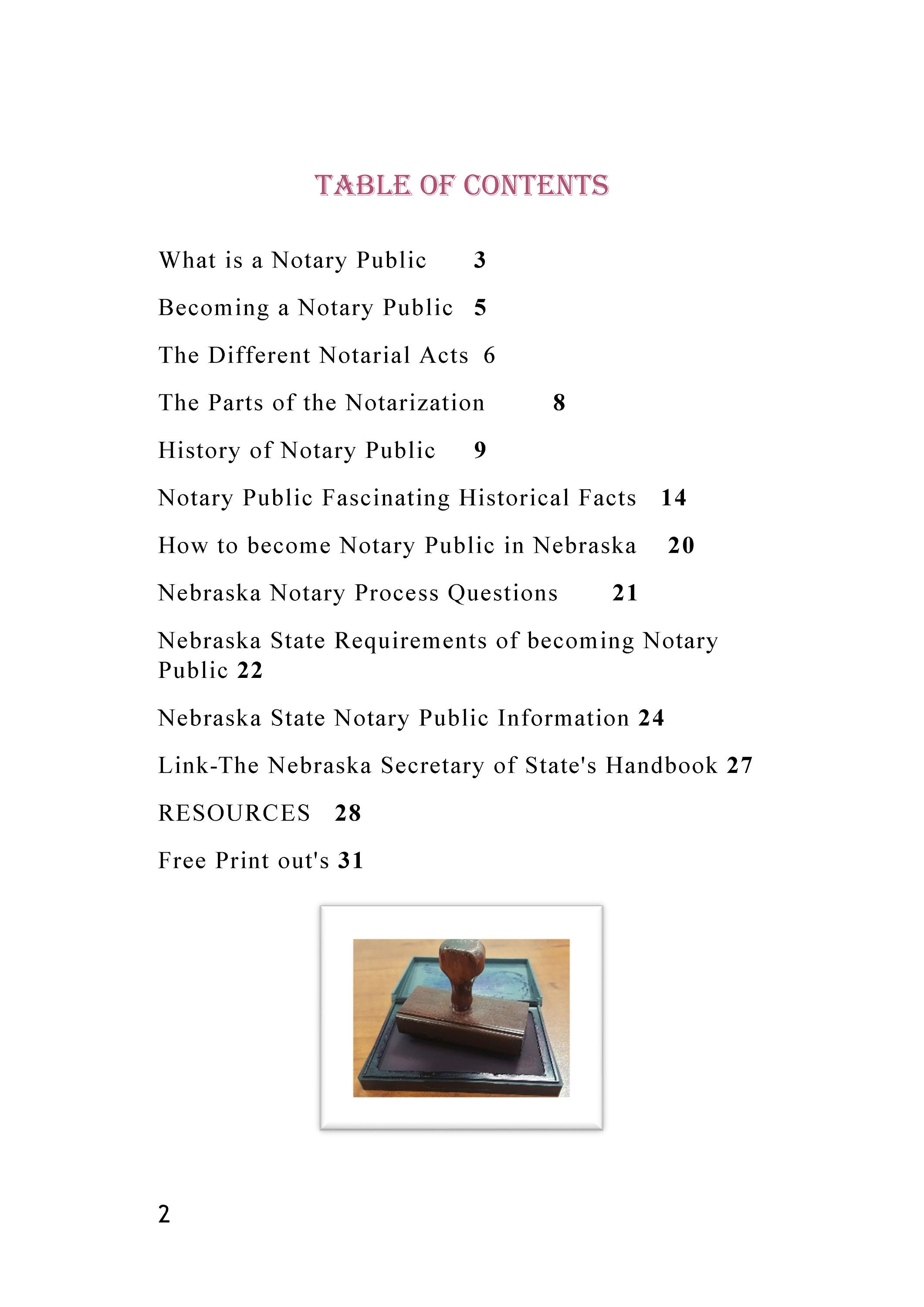
- Notary Seal or Stamp: This is the most important tool of your trade. It must meet the state’s exact specifications regarding ink color and design, ensuring it is legible and permanent.
- Notary Journal: While not always mandatory under every specific circumstance, maintaining a journal of all notarial acts is highly recommended. It serves as your primary evidence should a transaction ever be challenged in a court of law.
- Official Notary Handbook: The Nebraska Secretary of State provides an official handbook that covers the statutes and regulations governing your commission. Consider this your “bible” for daily operations.
Professional Conduct and Ethics
As a public servant, you must remain unbiased. You should never notarize a document for yourself or for someone where you have a direct financial or beneficial interest. Furthermore, you should be prepared to serve the public in various environments. For example, if you are a notary working at a Hilton Hotel or a local office near the Henry Doorly Zoo and Aquarium, you may be called upon to verify identities for individuals from all walks of life.
Maintaining privacy is paramount. You are responsible for the safe storage of your seal and journal. Never lend your seal to anyone, including your employer or family members. Should your seal be stolen or lost, you must notify the Secretary of State’s office immediately to prevent potential fraud.
Continuing Education
While Nebraska may not have strict recurring education requirements for all notaries, it is highly recommended that you stay updated on changes to the state statutes. The legal landscape regarding digital notarization and remote online notarization (RON) is evolving rapidly. By keeping yourself informed, you ensure that your practice remains compliant with the latest regulations, whether you are in the vibrant urban centers or the quieter rural regions surrounding the Sandhills.

Professional Notarization and Its Impact
The work of a notary public has a lasting impact on the stability of business and personal affairs within Nebraska. Whether you are notarizing a simple affidavit or a complex legal contract, your role facilitates trust between parties who may not know each other.
By following these steps, you not only fulfill the requirements to become a notary but also join a group of dedicated professionals committed to the rule of law. Whether you are operating in the shadow of the Nebraska State Capitol or within the professional suites of a local Hyatt Place, your attention to detail and adherence to statutory guidelines will define your success.
Remember, the goal is always to protect the integrity of the documents you handle. With a clear understanding of the application process, the importance of the surety bond, and the responsibility that comes with your official seal, you are well-prepared to contribute to the professional ecosystem of Nebraska. As you move forward, keep your journal updated, keep your seal secure, and always act with the impartiality expected of your commission. This commitment to excellence ensures that you will remain a trusted resource for your community for many years to come.
LifeOutOfTheBox is a participant in the Amazon Services LLC Associates Program, an affiliate advertising program designed to provide a means for sites to earn advertising fees by advertising and linking to Amazon.com. Amazon, the Amazon logo, AmazonSupply, and the AmazonSupply logo are trademarks of Amazon.com, Inc. or its affiliates. As an Amazon Associate we earn affiliate commissions from qualifying purchases.