
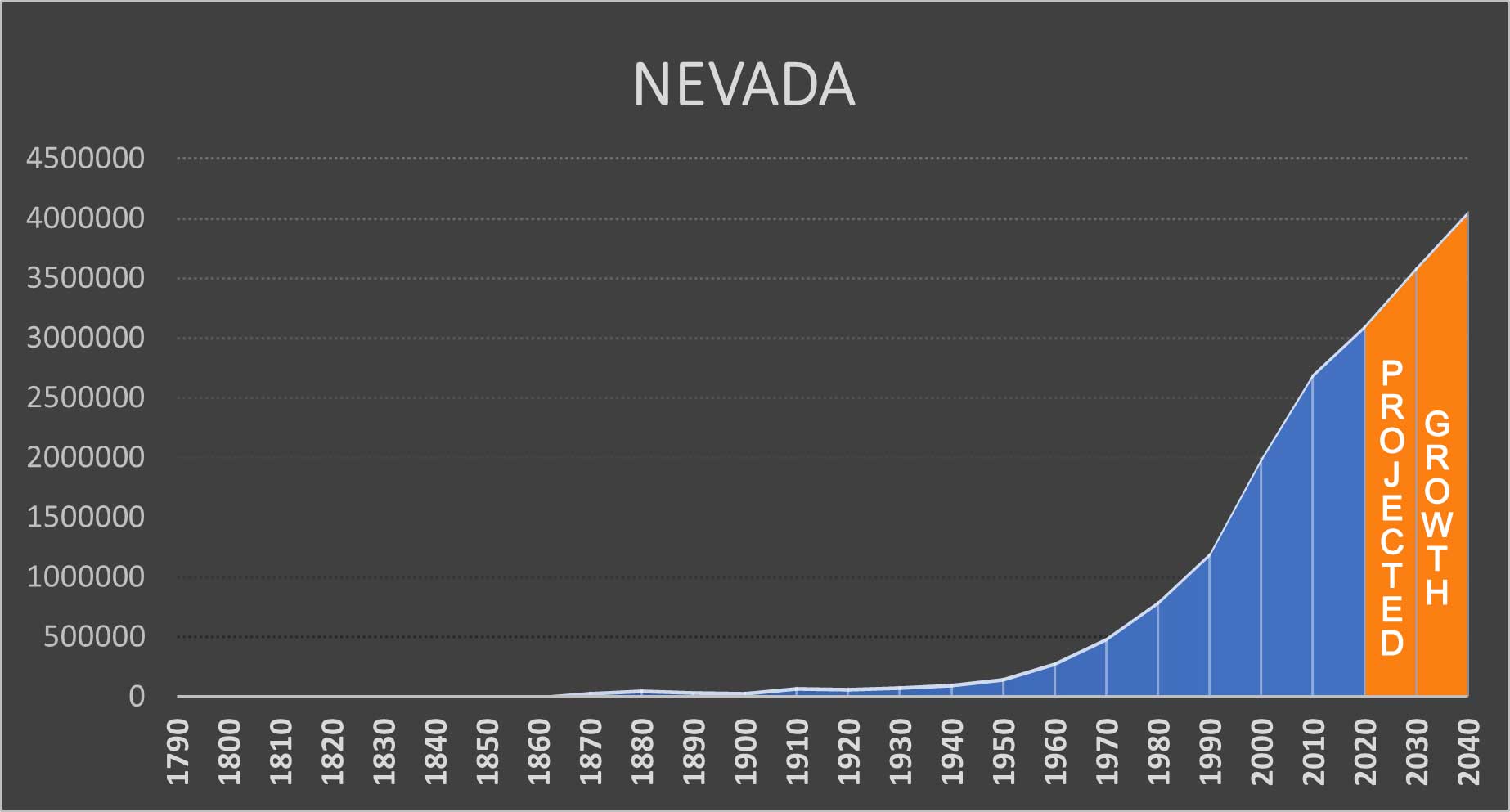
Understanding the demographic landscape of Nevada requires looking beyond the bright lights of its major hubs. As of the most recent estimates, the state is home to approximately 3.2 million residents. This figure represents a remarkable trajectory of growth, marking the state as one of the fastest-developing regions in the United States. From the sun-drenched expanses of the Mojave Desert to the historic mining towns nestled in the mountains, Nevada’s population density is uniquely concentrated, offering a fascinating study in contrast between urban intensity and rural solitude.
The Concentrated Power of Southern Nevada
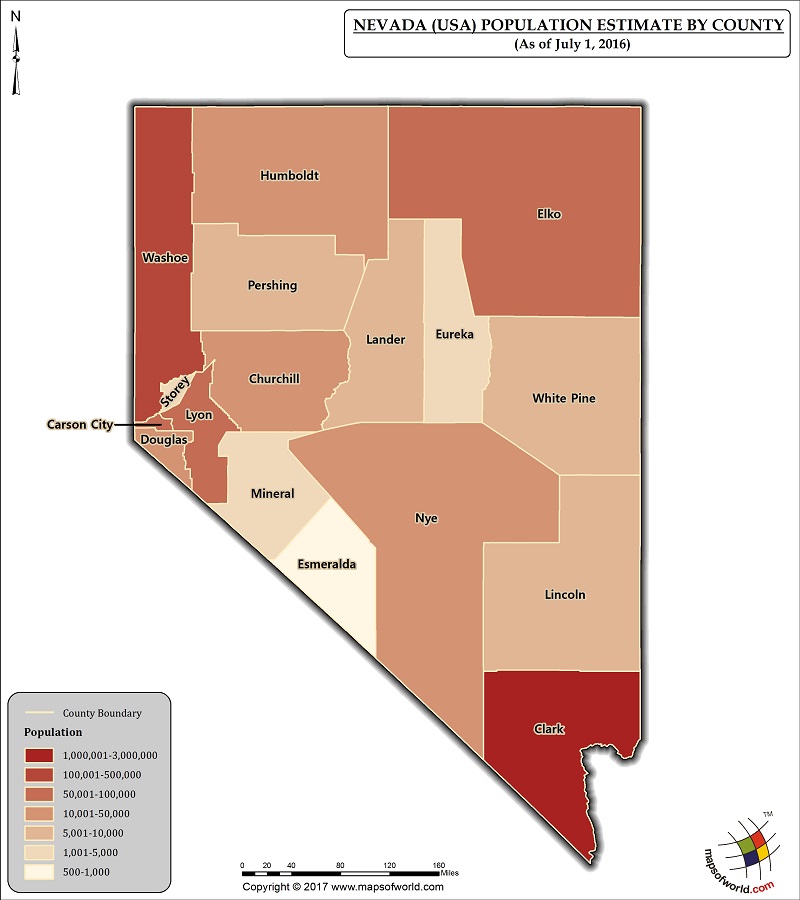
The vast majority of the Silver State’s population is anchored in Clark County, which encompasses the sprawling metropolitan area of Las Vegas. The rapid expansion of this region has been driven by a diversified economy, shifting from its traditional gaming roots toward a broader base of hospitality, technology, and logistics.
The Las Vegas Metropolitan Influence
Las Vegas serves as the demographic heartbeat of the state. With well over 2 million residents in the greater valley area, this region accounts for nearly 75% of the total state population. People are drawn to the area not only for the legendary entertainment on the Las Vegas Strip but also for the relative affordability of housing compared to neighboring California. Suburbs such as Henderson and North Las Vegas have transformed from desert outposts into massive, self-sustaining cities that continue to attract new residents seeking a blend of high-end amenities and community-focused living.
Employment and Migration Patterns
The influx of new residents into Southern Nevada is largely fueled by domestic migration. Professionals moving from high-cost urban centers in the coastal states are finding a business-friendly environment characterized by favorable tax structures and a growing job market. As corporations relocate headquarters to industrial hubs like the Apex Industrial Park, the demand for housing and infrastructure continues to climb, ensuring that the population density in the southern part of the state remains on a sharp upward trend.
Northern Nevada: The Industrial and Cultural Shift
While the south dominates in sheer numbers, Northern Nevada offers a distinct demographic profile centered around Reno, often referred to as “The Biggest Little City in the World.” This region has experienced a significant renaissance, evolving into a technology and manufacturing powerhouse that bridges the gap between the lifestyle of the Sierra Nevada and the demands of modern industry.
The Reno-Sparks Growth Engine
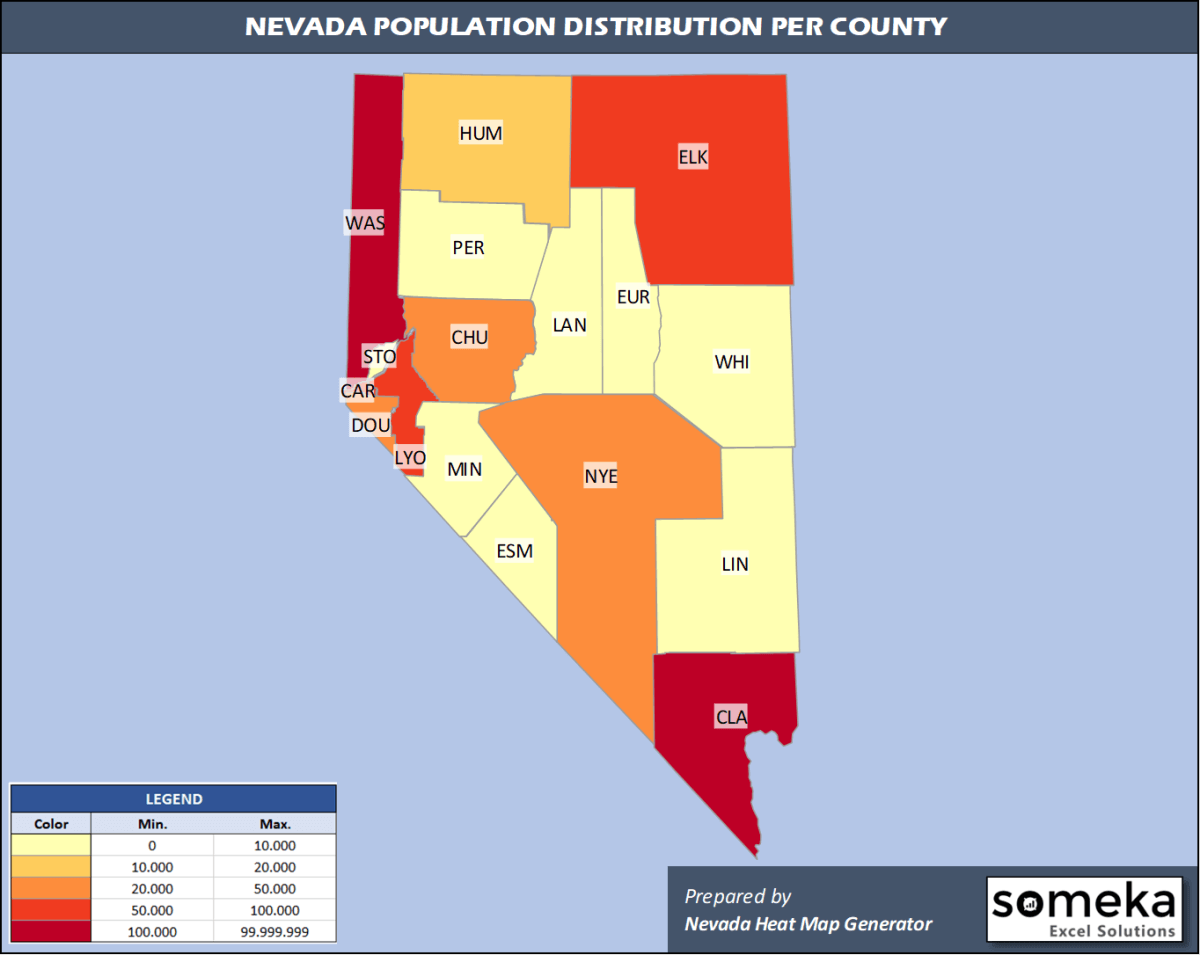
The population in Washoe County has spiked due to a deliberate push to diversify the economy beyond tourism. The arrival of major tech facilities, including those located near the Tahoe Reno Industrial Center, has created a surge of high-paying jobs, drawing in a demographic of skilled laborers and tech professionals. Unlike the desert-focused sprawl of Las Vegas, the growth in Reno and its sister city, Sparks, is closely tied to the region’s proximity to Lake Tahoe and the scenic outdoor lifestyle that characterizes the mountain west.
Education and Infrastructure
The presence of the University of Nevada Reno provides a consistent influx of students and faculty, creating a younger, more transient population component that contributes to the area’s vibrant culture. As this northern corridor continues to develop, it is balancing the preservation of its historical charm—seen in the revitalization of the Midtown District—with the necessity of high-density residential expansion.
Rural Landscapes and The Population Divide
Beyond the corridors of the north and south lies the vast, rugged heart of the state. The rural counties, such as Elko County, White Pine County, and Nye County, represent a massive portion of Nevada’s land area but hold only a tiny fraction of its total population.
The Heritage of Mining and Ranching
In these vast stretches of basin and range, the lifestyle is defined by tradition. Mining—particularly for gold and silver—remains a cornerstone of the rural economy, dictating the rise and fall of small communities across the high desert. Residents here enjoy a life of solitude and self-reliance, far removed from the neon lights of Fremont Street. For many in these areas, the “population” of their home is measured not by thousands, but by the close-knit relationships fostered in towns like Ely or Winnemucca.
Future Challenges for Rural Development
Maintaining service levels for sparse populations in the interior of the state is a perpetual challenge for local governments. Access to healthcare, high-speed internet, and education are critical factors that influence whether these rural populations stay stable or migrate toward the central hubs. As the state continues to grow, there is an ongoing debate regarding how to balance the resources of the booming cities with the needs of these historic, sparsely populated regions that reflect the true frontier spirit of the state.
Sustaining Growth in an Arid Climate
The population capacity of Nevada is inextricably linked to its most precious resource: water. The state is, after all, the most arid in the nation. The management of the Colorado River and the underground aquifers in Carson City and surrounding valleys determines the limits of future expansion.
Resource Management and Urban Planning
As the population pushes toward the 3.5 million mark, sustainable urban planning has become a priority. Developers are increasingly focused on water-wise landscaping, high-efficiency building designs, and expanded public transit systems to accommodate the influx. The Southern Nevada Water Authority plays a pivotal role in these efforts, ensuring that population growth does not outpace the availability of water resources.
The Future of the Silver State
Nevada’s demographic future remains bright but complex. The state has proven it can reinvent itself, transitioning from a transient, boom-and-bust mining economy to a multifaceted economic powerhouse. Whether it is through the diversification of energy, the growth of the manufacturing sector, or the continued innovation of its tourism and hospitality industries, Nevada remains a magnet for those looking to build a life in one of the most dynamic states in the West. As the population continues to evolve, the challenge—and the opportunity—will be to maintain the state’s unique character while providing the infrastructure necessary for the next million residents to call it home.
LifeOutOfTheBox is a participant in the Amazon Services LLC Associates Program, an affiliate advertising program designed to provide a means for sites to earn advertising fees by advertising and linking to Amazon.com. Amazon, the Amazon logo, AmazonSupply, and the AmazonSupply logo are trademarks of Amazon.com, Inc. or its affiliates. As an Amazon Associate we earn affiliate commissions from qualifying purchases.