
When gardeners, horticultural enthusiasts, and outdoor adventurers look at a map of the United States to understand the climate of New Hampshire, they are usually searching for the USDA Plant Hardiness Zone. Understanding these zones is essential for anyone looking to cultivate a thriving landscape in the “Granite State.” Because New Hampshire features a dramatic range of topography—stretching from the sandy Atlantic coastline to the rugged, high-altitude peaks of the White Mountains—it encompasses several different climate zones.
Understanding the USDA Hardiness Zones in New Hampshire
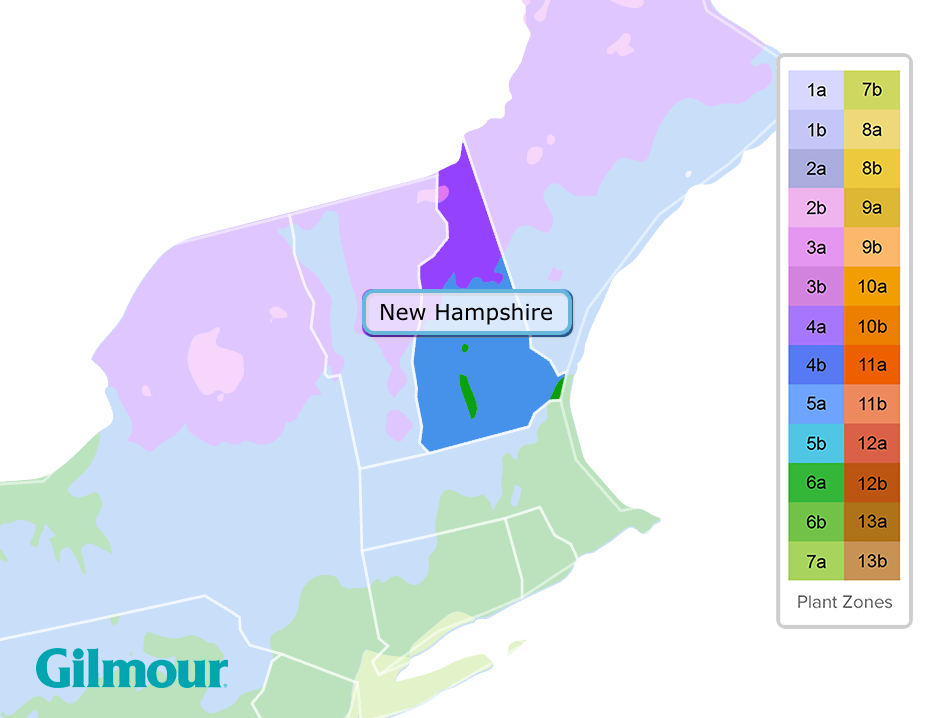
The United States Department of Agriculture (USDA) defines plant hardiness zones based on the average annual minimum winter temperature. These zones help determine which plants are most likely to survive the winter in a given region. In New Hampshire, these zones range significantly, creating a complex patchwork for growers and nature lovers alike.
The Coastal and Southern Influence
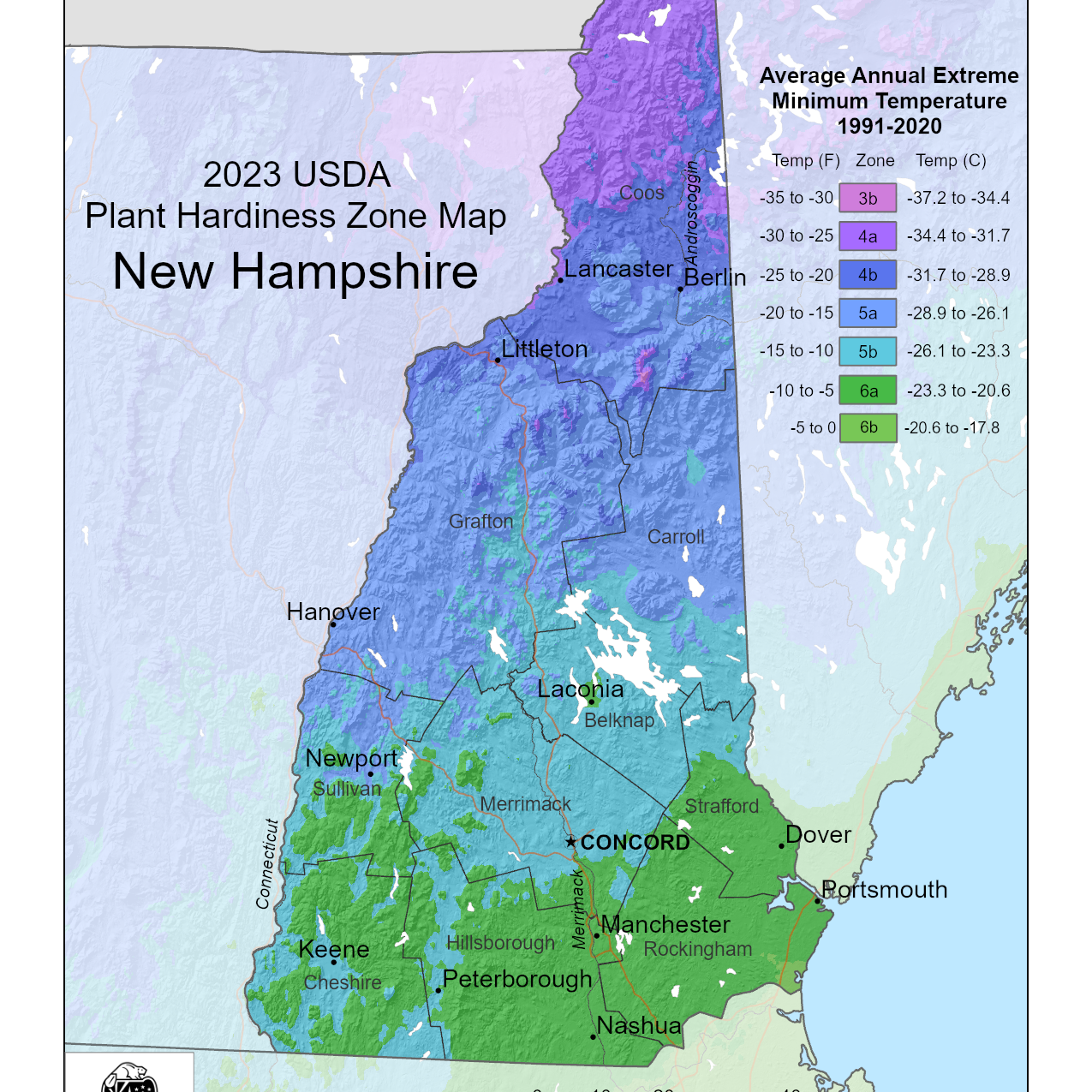
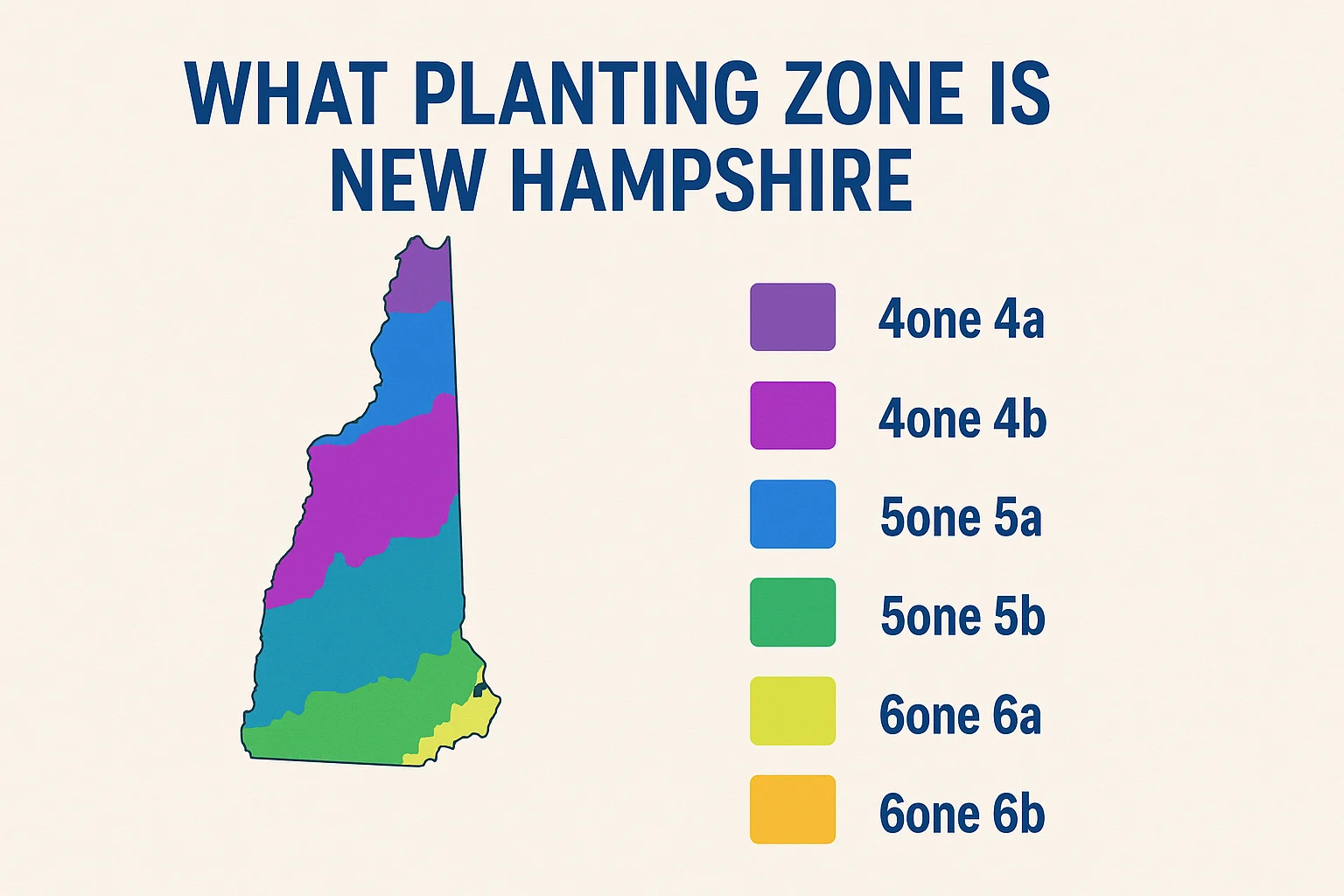
The southern portions of the state, including regions near Manchester and Nashua, generally fall into Zone 5b or 6a. These areas benefit from a slightly more temperate climate compared to the northern highlands. The influence of the Atlantic Ocean moderates temperatures along the brief Seacoast, allowing for a longer growing season. In cities like Portsmouth, gardeners can often successfully grow plant varieties that would struggle in the harsher conditions of the north.
The Central Highlands
Moving into the central part of the state, the elevation begins to rise, leading to a shift into Zone 5a. This region, characterized by rolling hills and dense forests, experiences colder winters and a shorter frost-free period. Towns near Lake Winnipesaukee often sit in these transition zones, where microclimates play a major role in what can be planted or maintained. For those visiting the Lakes Region, the landscape is lush, but the temperature swings between summer and winter are pronounced.
The High Peaks and Northern Frontiers
As one ventures further north toward the Great North Woods or higher into the White Mountains, the zones drop into 4a and even 3b. These areas represent the most challenging environments for vegetation. The summit of Mount Washington, for instance, possesses an alpine climate that is entirely different from the lowland valleys. The frigid temperatures and extreme wind chills at these altitudes dictate a very short, intense growing season, predominantly suited for hardy, native alpine flora rather than delicate ornamental varieties.
The Role of Microclimates and Topography
While the USDA map provides a baseline, New Hampshire is defined by its complex, rugged geography, which creates numerous microclimates. These small-scale variations can mean the difference between a thriving garden and a failed crop, even within a few miles.
The Impact of Elevation
Elevation is the primary driver of climate variation in the state. For every thousand-foot increase in elevation, there is a notable decrease in average temperature. Hikers trekking through the White Mountain National Forest often experience this firsthand, moving from warm, humid valley floors to cool, crisp summits in just a few hours. When selecting plants or planning activities based on the “zone,” it is vital to account for your specific elevation rather than relying solely on a town-wide average.
Proximity to Water Bodies
Water bodies like the Merrimack River or the large lakes in the central region act as heat reservoirs. They tend to warm up slower in the spring and cool down slower in the autumn, which can delay the first frost in the fall and mitigate the severity of late spring freezes. Properties located directly on the waterfront often enjoy a slightly “warmer” zone than those just a few hundred yards inland behind a ridge.
Slope and Aspect
The orientation of a piece of land, known as its aspect, significantly influences the microclimate. A south-facing slope receives significantly more direct sunlight throughout the day, effectively pushing it into a warmer “virtual” zone compared to a north-facing slope, which may remain in the shadows and stay frozen much longer. This is a critical factor for anyone managing land near the Connecticut River valley, where the landscape is frequently segmented by steep ridges and deep ravines.
Gardening and Land Management in the Granite State
Knowing your zone is only the first step. Successfully managing a landscape in New Hampshire requires a blend of science and local knowledge. Whether you are tending to a private residence near Concord or managing public parklands, the state’s climate demands resilience.
Selecting Native Species
The most reliable way to ensure success is to prioritize native plants. Native species are naturally adapted to the specific zone conditions of their region, whether it is the salt-sprayed soil of Hampton Beach or the acidic, rocky soil of the northern wilderness. By planting species that are historically endemic to the New England region, gardeners reduce the need for artificial intervention, such as excessive fertilization or winter protection.
Dealing with Seasonal Variability
New Hampshire is famous for its “mud season,” a transitional period in spring where the ground thaws and saturation is high. This period often presents as many challenges as the dead of winter. Soil temperature remains low long after the air temperature has risen, which can trick novice gardeners into planting too early. Understanding that the soil zone might be several weeks behind the air temperature zone is a key insight for success in northern climates.
Winter Preparation
Regardless of whether you are in Zone 3 or Zone 6, winter in New Hampshire is undeniable. From the Dartmouth College area in the west to the bustling streets of Dover in the east, preparing for deep freezes is a way of life. Proper mulching, hydration of woody perennials before the ground freezes, and the use of windbreaks are standard practices to protect delicate plants from the brutal, drying winds that sweep down from Canada and across the Appalachian Mountains.
Why Zone Accuracy Matters for Visitors and Residents
Whether you are a resident planning a perennial garden or a tourist visiting the Kancamagus Highway to witness the vibrant fall foliage, understanding the climate helps you appreciate the state’s natural beauty. The transition of the seasons is the defining characteristic of the landscape.
The vegetation that survives in the varying zones contributes directly to the iconic scenery of New Hampshire. The sugar maples that thrive in the slightly warmer valleys provide the breathtaking reds and oranges of autumn, while the balsam firs and spruces of the higher, colder zones offer a constant, deep green contrast. By understanding the zoning map, one gains a deeper respect for the diverse ecosystems that make the Northeast so unique. From the historic streets of Exeter to the remote summits of the Presidential Range, the climate zones act as an invisible architecture, shaping the flora, the culture, and the very identity of this northern state.
LifeOutOfTheBox is a participant in the Amazon Services LLC Associates Program, an affiliate advertising program designed to provide a means for sites to earn advertising fees by advertising and linking to Amazon.com. Amazon, the Amazon logo, AmazonSupply, and the AmazonSupply logo are trademarks of Amazon.com, Inc. or its affiliates. As an Amazon Associate we earn affiliate commissions from qualifying purchases.