
For those looking to explore the northeastern corner of the United States, understanding the precise geography of New Hampshire is the essential first step to planning a memorable journey. Known as the Granite State, this charming destination is tucked away in the New England region, offering a blend of coastal beauty, rugged mountain peaks, and serene lakes that define the quintessential American wilderness experience.
Navigating the Geography of the Granite State
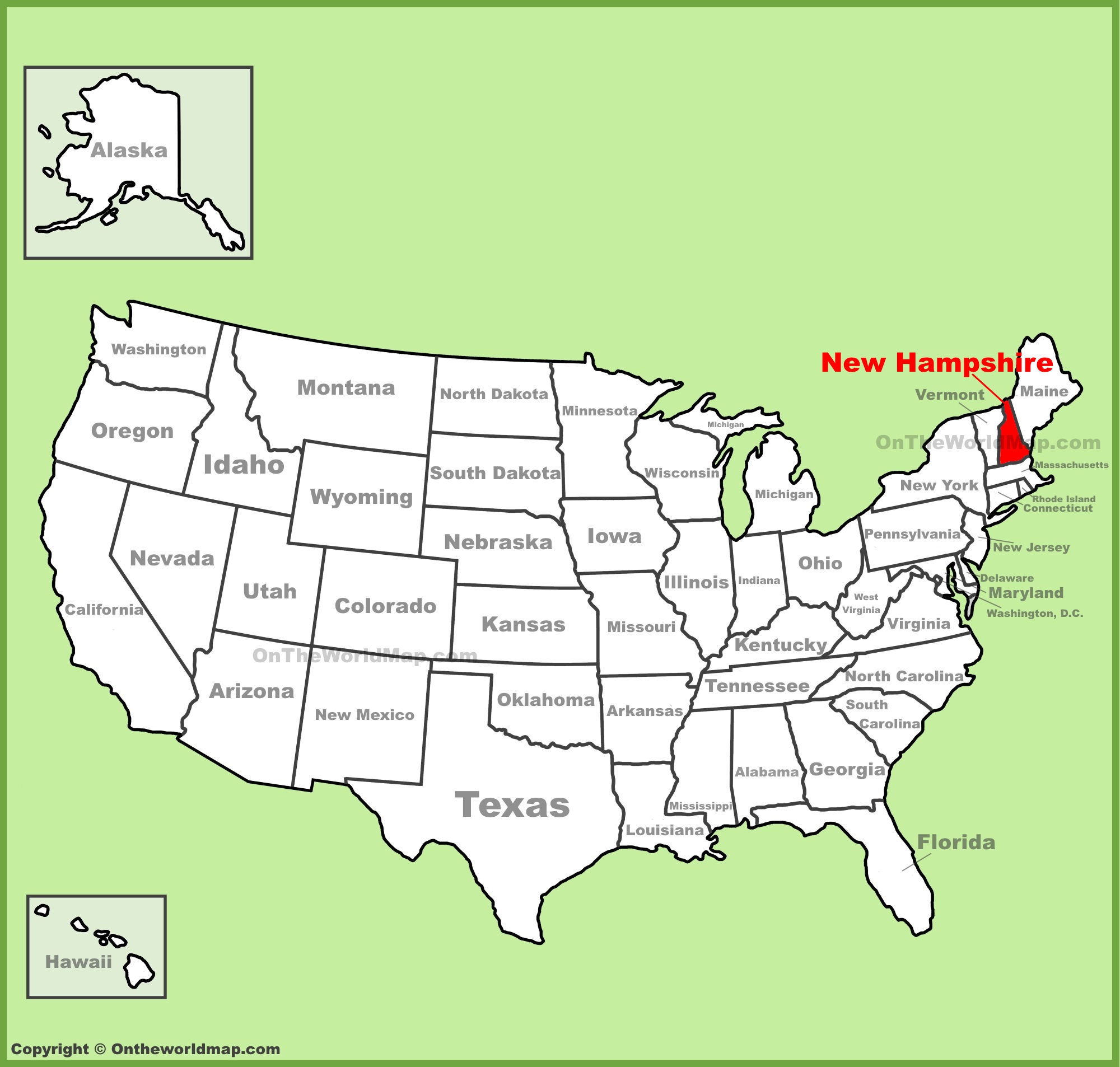
When you pull up a map of the United States, you will find New Hampshire positioned strategically between Vermont to the west and Maine to the east. To the south, it shares a border with Massachusetts, while its northern border meets the Quebec province of Canada.

While it may appear compact, its placement makes it a perfect hub for travelers looking to traverse the northeastern corridor. Its unique shape—often compared to an inverted triangle—allows for a surprisingly diverse landscape within a relatively short driving distance. Whether you are coming from the bustling metropolitan areas of Boston or trekking down from the north, New Hampshire serves as a gateway to both the White Mountains and the Atlantic Ocean.
Regional Highlights and Landmarks
The geography of New Hampshire is segmented into distinct regions, each offering unique travel experiences. Understanding where these landmarks sit on the map helps in curating an itinerary that maximizes your time in the state.
The White Mountains and North Country
Dominating the central and northern interior, the White Mountains are the crown jewel of the state. This area is home to Mount Washington, the highest peak in the northeastern United States. Visitors flock here to experience the Mount Washington Auto Road or the scenic Kancamagus Highway, which is particularly famous for its vibrant autumn foliage. The White Mountain National Forest provides a vast playground for hikers, campers, and photographers year-round.
The Lakes Region
Located slightly south of the White Mountains, the Lakes Region is a haven for water sports enthusiasts. Lake Winnipesaukee is the largest lake in the state and serves as the centerpiece of this area. Towns such as Wolfeboro, often cited as the oldest summer resort town in the country, offer a picturesque glimpse into historic lakeside living. The geography here is defined by rolling hills and pristine, crystalline waters that offer a refreshing contrast to the craggy peaks further north.
The Seacoast and Southern NH
Despite its small coastline—only 18 miles long—New Hampshire manages to pack significant character into its Seacoast region. Portsmouth is the highlight here, serving as a historic port city that blends colonial architecture with modern, upscale dining and retail. Moving away from the coast toward Manchester and Nashua, the terrain shifts into the more developed, southern corridor of the state, which acts as a primary connection point for travelers heading toward Vermont or Maine.
Planning Your Travel Routes
Understanding where New Hampshire sits on the US map is crucial for those relying on road travel. The state is easily accessible via major interstates, including Interstate 93, which runs vertically through the center of the state, connecting the Massachusetts border all the way up to the White Mountains.
Essential Transportation Tips
- Proximity to Boston: If you are flying into the region, Logan International Airport in Boston is the primary gateway. From there, it is a relatively short drive—often under two hours—to reach the southern border of New Hampshire.
- The Scenic Path: While interstates offer speed, those looking to truly see the state should opt for state routes. Traveling along Route 3 or Route 16 offers a more intimate view of the small towns and rural landscapes that define New England.
- Seasonal Considerations: Because of its northern latitude, the state’s accessibility can change with the seasons. Winter travel in the north requires preparation for snow, while autumn attracts thousands of visitors seeking the “leaf-peeping” experience.
Why Location Matters for the Modern Traveler
When you look at the US map, New Hampshire might seem like a small piece of a much larger puzzle. However, its location is what makes it a premier travel destination. By being situated between the metropolitan energy of Massachusetts and the rugged wilderness of Maine, it functions as a bridge.
Visitors often use New Hampshire as a home base. You can spend the morning walking the historic streets of Portsmouth and the afternoon hiking the trails of Franconia Notch State Park. This density of experience is rare in larger states, making New Hampshire an efficient choice for travelers who want to see a lot without spending their entire vacation behind the wheel.
Furthermore, the state’s location near the Canadian border provides a unique cultural influence. You will find that many northern towns reflect a heritage that honors the cross-border relationships developed over centuries. From the food to the local dialect and the architectural styles, the state offers a distinct regional flavor that is not found elsewhere in the United States.

Tips for a Successful Visit
As you prepare to mark your pins on the map, keep these strategic points in mind:
- Start from the South: If you are a first-time visitor, begin your journey in Manchester or Nashua. These cities offer easy access to rental cars and provide a smooth transition into the state’s culture.
- Don’t Ignore the Small Towns: Places like Hanover, home to Dartmouth College, offer an intellectual and aesthetic charm that rounds out the experience of visiting the more rugged mountain towns.
- Check Elevations: Because the state has significant altitude changes, weather can differ drastically between the Seacoast and the high peaks of the White Mountains. Always check the forecast for the specific micro-region you are visiting.
- Embrace the Off-Season: While summer and autumn are the busiest times, visiting during the spring or winter allows you to experience the state in a much quieter, more personal way. The skiing resorts in the north are world-class, offering a different kind of travel appeal compared to the summer lake festivals.
By understanding that New Hampshire sits as a vital, vibrant, and accessible anchor within the New England region, travelers can better appreciate its geography and plan a route that captures the very best of its natural and cultural landmarks. Whether you are chasing the fall colors, seeking the thrill of a mountain hike, or enjoying a quiet weekend in a coastal inn, knowing where you stand on the map is the first step toward a perfect trip.
LifeOutOfTheBox is a participant in the Amazon Services LLC Associates Program, an affiliate advertising program designed to provide a means for sites to earn advertising fees by advertising and linking to Amazon.com. Amazon, the Amazon logo, AmazonSupply, and the AmazonSupply logo are trademarks of Amazon.com, Inc. or its affiliates. As an Amazon Associate we earn affiliate commissions from qualifying purchases.