
Understanding the elevation of Albuquerque is essential for any traveler planning a visit to this high-desert jewel. Situated in the heart of New Mexico, the city sits at a varied elevation, typically cited as ranging from 4,900 to over 6,700 feet above sea level. This significant altitude creates a unique environment that shapes everything from the local climate and vegetation to how visitors experience the physical demands of sightseeing. Whether you are arriving from sea level or are accustomed to mountainous regions, the elevation of this city is a defining characteristic of your stay.
The Geography of High Altitude in the High Desert
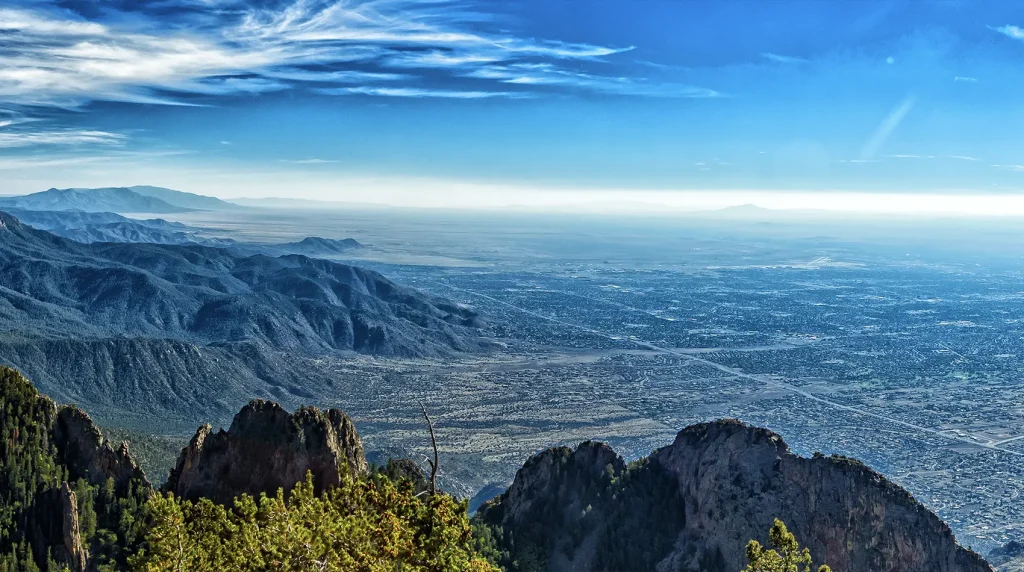
The city’s topography is anything but uniform. While the downtown area and the banks of the Rio Grande sit at roughly 4,900 to 5,000 feet, the terrain rises dramatically as you move toward the Sandia Mountains. This eastern edge of the city climbs significantly, with neighborhoods and foothills reaching elevations well above 6,000 feet.
Impact on Climate and Air Density
At these elevations, the air is significantly thinner and drier than what most travelers experience at sea level. This leads to a climate characterized by intense sunlight and low humidity. During the day, the sun feels warmer, while the thin air allows heat to escape rapidly at night, leading to notable temperature swings. Even in the peak of summer, evenings in Albuquerque can feel crisp and cool, a welcome respite from the high-altitude sun.
Physiological Effects on Visitors
For those traveling from lower elevations, the altitude can cause mild symptoms of dehydration or fatigue. Because the air is so dry, moisture evaporates from the skin more quickly than many realize. It is common for visitors to underestimate their water intake needs. We recommend staying hydrated throughout the day and taking the first twenty-four hours of your trip at a slightly slower pace to allow your body to acclimate to the lower oxygen levels.
Landmarks and the Vertical Perspective

One of the best ways to grasp the sheer scale of the elevation in New Mexico is to experience the dramatic vertical relief provided by local landmarks. The relationship between the low-lying river valley and the towering peaks creates a visual landscape that is both beautiful and humbling.
Exploring the Sandia Mountains
The Sandia Mountains serve as the most prominent indicator of the city’s elevation. The range rises to a peak of 10,678 feet at the Sandia Crest. This dramatic shift from the base of the city to the summit is best experienced via the Sandia Peak Tramway. As the tram glides over deep canyons and rocky outcrops, passengers can literally watch the vegetation change from desert scrub to alpine forest. Once you reach the top, you are rewarded with a panoramic view of the Rio Grande Valley, offering a bird’s-eye perspective on how the city is nestled between the high desert floor and the majestic mountain range.
The Bosque and the River Corridor
Conversely, the Rio Grande flows through the heart of the region at the lowest point of the metropolitan area. The riparian corridor, known locally as the Bosque, provides a lush contrast to the surrounding high desert. Because of the lower elevation in the valley, this area experiences a slightly different microclimate, supporting cottonwood trees and diverse wildlife that thrive in the fertile river bottom. Walking or cycling through the Rio Grande Nature Center State Park offers a peaceful way to experience the city at its baseline elevation.
Planning Your Activities Around the Altitude
Because of the variation in elevation, your travel itinerary should be planned with the vertical landscape in mind. Not all areas of the city offer the same oxygen levels or temperature profiles, and adjusting your expectations can lead to a more comfortable trip.
High-Altitude Hiking Tips
Hiking in the Sandia Mountains or the Petroglyph National Monument is a premier activity, but it requires preparation. Even short trails can feel taxing due to the altitude. Start your trip with lower-elevation walks, such as exploring the historic Old Town Albuquerque, before attempting any strenuous climbs. Always carry extra water, wear sun protection—including a hat and high-SPF sunscreen—and remember that at 6,000+ feet, the ultraviolet rays are significantly stronger.
The Best Times to Visit
The best time to visit is often determined by the interplay between elevation and season. Spring and autumn are spectacular, as the temperatures are moderate, making the thin air easier to navigate during outdoor excursions. During these months, the contrast between the sunny afternoons and the cool, high-elevation nights is at its most pleasant. The famous Albuquerque International Balloon Fiesta takes advantage of these unique atmospheric conditions. The cool, dense morning air of early October at this high altitude is perfect for ballooning, providing the lift and stability required for the massive fleet of balloons to launch gracefully into the sky.
Managing Expectations for Physical Exertion
If you are planning to engage in sports or heavy hiking, understand that your cardiovascular system will work harder here than at home. Do not be discouraged if you find yourself winded after a shorter walk than you are used to. Listen to your body, take breaks in the shade, and enjoy the sights. The elevation in Albuquerque is not just a statistic; it is a fundamental element of the city’s character. By respecting the environment and planning accordingly, you can fully enjoy the breathtaking vistas and unique high-desert lifestyle that this corner of the United States has to offer. Whether you are exploring the volcanic basalt of the West Mesa or looking down from the heights of the Sandia Peak, remember that you are experiencing one of the most distinctive elevated landscapes in the country.
LifeOutOfTheBox is a participant in the Amazon Services LLC Associates Program, an affiliate advertising program designed to provide a means for sites to earn advertising fees by advertising and linking to Amazon.com. Amazon, the Amazon logo, AmazonSupply, and the AmazonSupply logo are trademarks of Amazon.com, Inc. or its affiliates. As an Amazon Associate we earn affiliate commissions from qualifying purchases.