
The tragedy that unfolded on October 1, 2017, in Las Vegas stands as a somber chapter in the history of modern tourism and public safety. While the world remembers the names of the victims and the heroism of the first responders, the identity of the perpetrator remains a subject of intense historical and criminological inquiry. Understanding the individual behind the event requires a deep dive into the quiet, complex life that preceded the chaos at the Mandalay Bay Resort and Casino.
The Life of Stephen Paddock
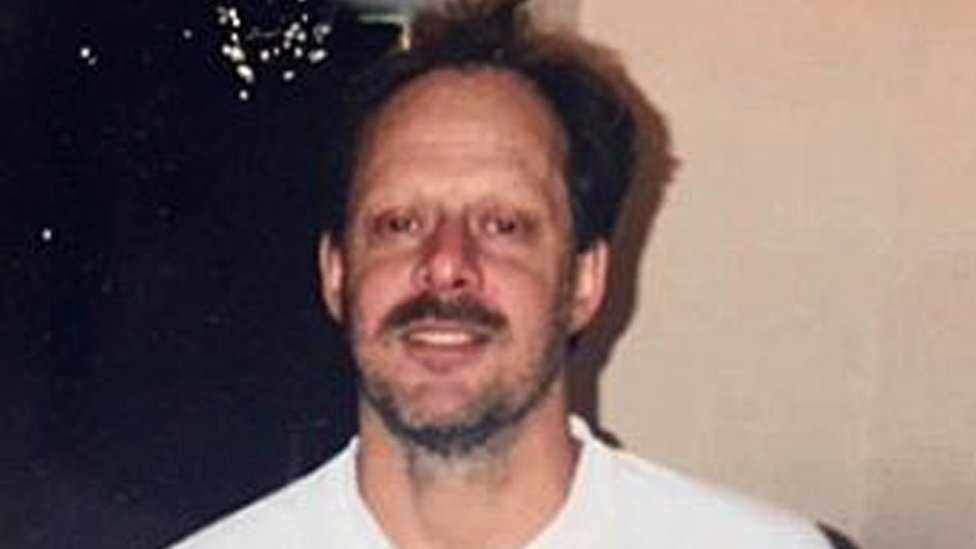
To grasp the events of that evening, one must look at the profile of the man responsible. Stephen Paddock was a 64-year-old resident of Mesquite, a city in Nevada known for its proximity to world-class golf courses and its retirement-friendly atmosphere. Unlike many public figures associated with such heinous crimes, Paddock lived a life that appeared, to his neighbors and family, remarkably unremarkable.

A Background of Professional Stability
Paddock was not a man defined by a history of radicalization or overt political affiliation. He was a retired accountant and real estate investor. His professional background suggested a life governed by precision and order, which makes the calculated nature of his final actions all the more perplexing to investigators and psychologists alike. He spent his retirement traveling across the United States, frequently visiting various hospitality hubs to engage in his passion for high-stakes video poker.
The Geography of His Routine
Paddock’s lifestyle was intrinsically tied to the hospitality industry. He was a “whale”—a term used in the Nevada gambling scene to describe high-limit gamblers who are often granted VIP treatment by major resorts. His frequent stays at properties along the Las Vegas Strip gave him an intimate, functional knowledge of hotel architecture, security protocols, and the logistical layout of high-rise buildings. This familiarity allowed him to navigate the Mandalay Bay Resort and Casino with a level of ease that proved fatal.
The Operational Mechanics of the Attack
The investigation into the gunman’s actions revealed a meticulous, if chilling, level of preparation. For those who study the history of Las Vegas, the event serves as a dark case study in the vulnerability of open-air events held near high-rise landmarks.

Tactical Selection of the Location
The choice of his room was not accidental. Paddock selected a suite on the upper floors of the Mandalay Bay Resort and Casino, specifically looking out over the Las Vegas Village, where the Route 91 Harvest Festival was taking place. By securing a room with a direct line of sight to the outdoor music venue, he converted a luxury accommodation into a tactical position.
Security Failures and Technological Advancements
Following the incident, the Las Vegas Metropolitan Police Department and various federal agencies scrutinized how a guest could stockpile such a significant arsenal without detection. The aftermath led to a massive overhaul of security protocols across Nevada. Hotels now employ more sophisticated surveillance, luggage screening, and “do not disturb” policy updates to ensure the safety of guests. The transition from a hospitality-focused guest experience to a security-hardened environment is now a hallmark of the post-2017 Las Vegas landscape.
Legacy and Impact on Tourism
The identity of the gunman is frequently discussed not out of a desire to glorify his actions, but as part of the broader conversation regarding safety in the global tourism industry. When people visit Las Vegas, they expect an environment of escape, luxury, and entertainment. The events of 2017 shattered that perception, prompting a necessary evolution in how cities protect their visitors.
Redefining Public Safety at Tourist Landmarks
Cities across the world, from London to Dubai, looked at the findings of the FBI investigation into Paddock to bolster their own defenses. The gunman’s ability to exploit the anonymity of a luxury resort changed the way property managers view their duty of care. Today, Las Vegas remains one of the most visited destinations on the planet, but the way we interact with its landmarks, resorts, and open-air venues is filtered through the lens of heightened vigilance.
Remembering the Victims
While the name of the perpetrator is etched into police reports and court filings, the true focus of Las Vegas history remains the resilience of its community. The Las Vegas Community Healing Garden serves as a testament to the lives lost and the spirit of a city that refused to let a single act of violence define its future.
The story of the gunman is ultimately a story of someone who used his knowledge of the travel industry to commit a tragedy, but the enduring story of the event is the response of a city that stood tall in the face of terror. When visitors walk the Las Vegas Strip today, they are walking through a space that is more secure, more aware, and deeply committed to ensuring that the magic of the city outweighs its darkest moments.
The investigation did not reveal a grand motive—there was no manifesto, no political manifesto, and no clear explanation for the radical shift from a retiree’s life of gambling to the violence of that Sunday night. This absence of motive is perhaps the most unsettling aspect of the case. It serves as a reminder that the world of tourism and travel, while bringing people together from all corners of the globe, is not immune to the complexities of the human condition.
As we continue to explore the vibrant culture and excitement of Las Vegas, we do so with a deeper understanding of the fragility of the peace we enjoy. The gunman remains a historical figure, but the city he targeted remains a beacon of light, forever changed, yet constantly evolving for the better. The Las Vegas of today is built on the strength of its past, ensuring that for every traveler, the focus remains on the joy of the destination rather than the shadow of its history.
LifeOutOfTheBox is a participant in the Amazon Services LLC Associates Program, an affiliate advertising program designed to provide a means for sites to earn advertising fees by advertising and linking to Amazon.com. Amazon, the Amazon logo, AmazonSupply, and the AmazonSupply logo are trademarks of Amazon.com, Inc. or its affiliates. As an Amazon Associate we earn affiliate commissions from qualifying purchases.