
Navigating the transit corridor between Fort Lauderdale-Hollywood International Airport and the vibrant heart of Miami is a common logistical hurdle for travelers exploring South Florida. Understanding the distance, transit options, and typical travel times is essential for ensuring your journey remains stress-free. Whether you are landing in Broward County to reach a cruise port or heading into Miami-Dade County for a business engagement, being prepared makes all the difference.
Understanding the Distance and Geographical Layout
The physical distance between Fort Lauderdale-Hollywood International Airport and downtown Miami is approximately 25 to 30 miles, depending on your specific destination within the city and the route taken. While the mileage seems modest, the traffic patterns inherent to the I-95 corridor and the Florida Turnpike significantly influence how long the trip actually takes.
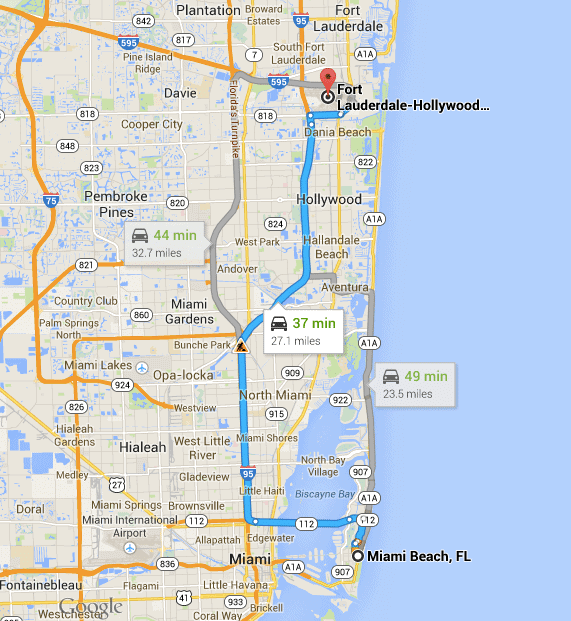
Expected Drive Times
Under ideal traffic conditions, a driver can make the trip in about 35 to 45 minutes. However, South Florida is notorious for heavy congestion during morning and evening rush hours. During these peaks, the commute can easily stretch to 75 or even 90 minutes. It is vital to factor in this potential delay when planning your arrival or departure, especially if you are coordinating with international flights departing from Miami International Airport.
Geographical Considerations
The two cities are connected by a dense network of urban infrastructure. Travelers typically rely on the I-95 highway system, which runs north-to-south along the Atlantic Ocean coastline. Because the airports serve as major transit hubs for millions of passengers annually, the thoroughfares connecting them often experience significant volume.
Available Transportation Options Between Airports
Getting from the tarmac in Fort Lauderdale to the streets of Miami is straightforward, provided you choose the mode of transport that best aligns with your budget and schedule.
Ride-Sharing and Taxis
Ride-sharing apps have become the standard for many travelers. Services operating throughout Broward County and Miami-Dade County offer immediate, door-to-door convenience. This is generally the fastest way to reach your hotel in South Beach or Brickell without worrying about parking or navigation. Taxis are also readily available at designated pick-up zones outside of each terminal at Fort Lauderdale-Hollywood International Airport, usually operating on a flat-rate or metered fare basis.
Public Transit Solutions
For those looking for a more cost-effective alternative, public transportation is an option, though it requires more time and patience. The Brightline train service has revolutionized regional travel in the United States. You can take a shuttle from Fort Lauderdale-Hollywood International Airport to the Brightline station in Fort Lauderdale and enjoy a comfortable, high-speed ride to Miami Central Station in Downtown Miami. This avoids road traffic entirely and provides a comfortable seat with power outlets and Wi-Fi.

Private Shuttles and Car Rentals
If you are traveling in a large group or have significant amounts of luggage, booking a private car service or a pre-arranged shuttle might be the most stress-free approach. Many travelers opt to rent a vehicle directly at Fort Lauderdale-Hollywood International Airport if they intend to explore more of Florida during their stay. However, be aware that parking in Miami can be both expensive and limited.
Optimizing Your Travel Strategy
To ensure a smooth transition between Broward County and Miami-Dade County, consider these strategic tips for your journey.
Checking Traffic Patterns
Modern navigation apps are essential. Before you depart Fort Lauderdale-Hollywood International Airport, always check real-time traffic conditions. Sometimes, taking the Florida Turnpike is more efficient than sticking to the I-95, especially if there are construction delays or accidents reported on the coastal route.
Factoring in Flight Times
If your travel involves catching a connecting flight, keep in mind that transferring between Fort Lauderdale-Hollywood International Airport and Miami International Airport is not recommended unless you have a substantial layover. The unpredictability of South Florida traffic can make an “inter-airport” transfer risky. If you must do this, allow for at least four to five hours between your landing and your next scheduled departure.
Preparing for Your Destination
Once you arrive in Miami, the city offers a diverse array of neighborhoods. Whether you are heading to the nightlife of Wynwood, the historic architecture of Coral Gables, or the coastal resorts of Sunny Isles Beach, knowing where you are going beforehand will help you direct your driver or navigate the Metrorail system more effectively.

Enjoying the Journey Across the Region
While the transit between these two major hubs is often viewed as a chore, it is also a gateway to some of the most famous sights in North America. As you travel south, you pass through the beautiful coastal cities of Hollywood, Hallandale Beach, and Aventura.
Taking the time to appreciate the changing scenery—from the suburban landscapes of Broward County to the iconic skyline of Downtown Miami—can help make the hour-long trip feel much shorter. If you find yourself with extra time, consider stopping for a meal at one of the many renowned dining establishments in North Miami or taking a quick detour to see the turquoise waters of the Atlantic Ocean before reaching your final hotel destination.
By understanding the distance, utilizing the right transit methods, and planning for the inevitable flow of Florida traffic, your transfer from Fort Lauderdale-Hollywood International Airport to Miami will be a seamless part of your overall travel experience. Whether you are arriving for a business meeting or a vacation, being informed ensures that you spend more time enjoying the destination and less time worrying about the transit between these two dynamic cities.
LifeOutOfTheBox is a participant in the Amazon Services LLC Associates Program, an affiliate advertising program designed to provide a means for sites to earn advertising fees by advertising and linking to Amazon.com. Amazon, the Amazon logo, AmazonSupply, and the AmazonSupply logo are trademarks of Amazon.com, Inc. or its affiliates. As an Amazon Associate we earn affiliate commissions from qualifying purchases.