
Understanding the temperature patterns in Albuquerque is essential for anyone planning a visit to this high-desert gem. Located in the heart of New Mexico, this vibrant city experiences a semi-arid climate characterized by significant diurnal temperature variation, meaning the difference between daytime highs and nighttime lows can be quite dramatic. Whether you are coming to witness the Albuquerque International Balloon Fiesta or to explore the natural beauty of the Sandia Mountains, knowing how to dress and when to visit is the key to a comfortable and memorable trip.
Seasonal Climate Variations in the High Desert
Albuquerque sits at an elevation of approximately 5,300 feet, which plays a major role in its weather patterns. Because of this altitude, the sun feels much stronger during the day, yet the air cools down rapidly once the sun dips below the horizon.
Spring: A Season of Breezy Transitions
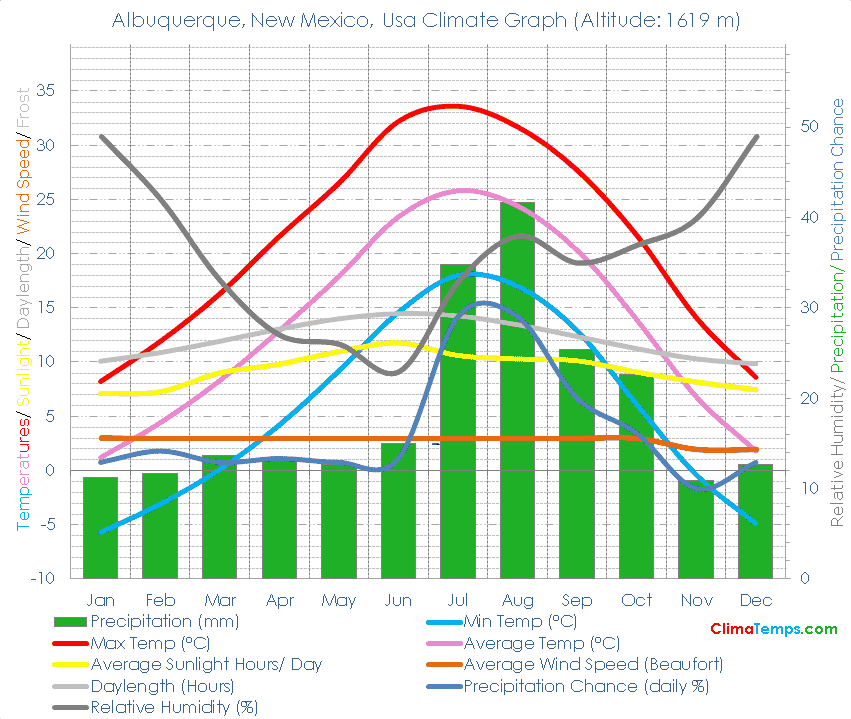
Springtime, particularly from March to May, is a period of transition. Temperatures begin to climb, with daytime highs often reaching the 70s by late May. However, spring is also the windiest season in the region. Visitors hiking in the Petroglyph National Monument should be prepared for sudden gusts and fluctuating temperatures. It is a time when the desert begins to bloom, but mornings remain crisp and cool.
Summer: Golden Heat and Monsoon Rains
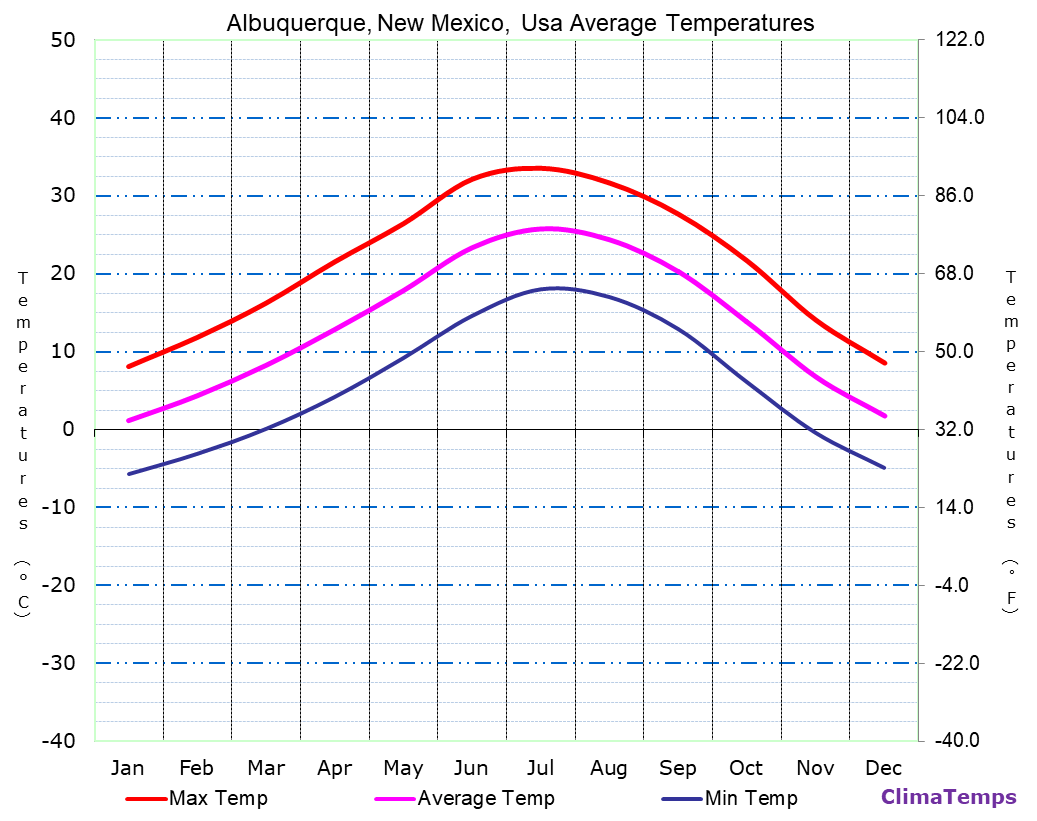
Summer months from June through August bring the most heat. It is common to see temperatures climb into the 90s, occasionally hitting triple digits. While the heat is dry—making it generally more tolerable than humid climates—it is vital to stay hydrated while exploring local attractions like Old Town Albuquerque. By late summer, the North American Monsoon often rolls in, bringing localized thunderstorms that provide a refreshing, albeit brief, drop in temperature.
Autumn: The Golden Hour of New Mexico
Many travelers consider autumn the best time to visit. September and October offer near-perfect weather, with clear blue skies and mild temperatures ranging from the mid-60s to the low 80s. This season is synonymous with the Albuquerque International Balloon Fiesta, where early morning temperatures are typically chilly, often requiring layers, before warming up significantly by midday.
Winter: Crisp Skies and Mountain Snow
Winter in New Mexico is surprisingly temperate. While the Sandia Mountains receive snow, the city floor usually experiences mild, sunny days with temperatures in the 40s or 50s. Nighttime temperatures frequently drop below freezing, so visitors should plan for cold evenings, especially when dining or exploring the city lights after sunset.
Planning Your Activities Around the Weather
The temperature in Albuquerque dictates the rhythm of life and tourism. Because the weather changes so distinctly throughout the day, your itinerary should be flexible to account for these shifts.
Morning Adventures in the High Desert
If you are visiting during the warmer months, mornings are the prime time for outdoor activities. The air is cool and the sun is less intense. This is the ideal window for hiking in the Sandia Mountains or exploring the Rio Grande Nature Center State Park. By starting early, you avoid the peak heat of the afternoon and enjoy the best light for photography.
Mid-Day Cultural Exploration
When the sun reaches its zenith and the temperature rises, it is the perfect time to retreat indoors. Albuquerque boasts a rich cultural landscape that is climate-controlled and highly educational. Spending the heat of the day at the Indian Pueblo Cultural Center or the Albuquerque Museum allows you to immerse yourself in local history while staying cool.
Evening Comfort and Local Cuisine
As the sun sets, the desert air sheds its heat, resulting in pleasant, cool evenings. This is the time to enjoy the patio culture that New Mexico is famous for. Whether you are grabbing dinner in Old Town Albuquerque or enjoying a sunset view from the Sandia Peak Tramway, the evening temperatures rarely feel oppressive. However, visitors should always have a light jacket or sweater handy, as the drop in temperature can be significant even after a warm day.
Dressing for Success: The Layering Strategy
Because of the high altitude and dry desert air, the “layering” rule is the gold standard for travelers. Regardless of the season, the temperature will rarely remain static from sunrise to sunset.
- Base Layers: Moisture-wicking fabrics are essential. Even in the winter, you may find yourself perspiring while walking through Petroglyph National Monument, and breathable clothing keeps you comfortable.
- The Mid-Layer: A light fleece or a long-sleeve shirt is perfect for those transition periods in the morning and evening.
- Outerwear: If visiting during the colder months, a heavier jacket is necessary for the nighttime. However, during the summer, a light windbreaker can protect you from sudden afternoon breezes or the occasional monsoon gust.
- Sun Protection: Never underestimate the intensity of the sun at 5,000 feet. Regardless of the temperature reading on your weather app, the UV index remains high. A wide-brimmed hat, sunglasses, and high-SPF sunscreen are non-negotiable items for any trip to Albuquerque.

Understanding the Microclimates
It is important to note that the temperature you see on a weather forecast for “Albuquerque” is usually taken at the airport or a central hub, which may differ from the microclimates found around the city. The base of the Sandia Mountains can be significantly cooler than the city center due to elevation gains. Similarly, areas near the Rio Grande often experience slightly more moisture and different temperature pockets than the arid mesas to the west.
When you are planning your day, look at the elevation of your specific destination. If you are headed to the Sandia Peak Tramway, expect temperatures to be 10 to 15 degrees cooler at the summit than they are at the base. This difference is precisely what makes the region so diverse and exciting for travelers; you can essentially change your climate with a short drive or a lift ride.
By keeping these temperature trends and microclimates in mind, you can prepare for an incredible journey. Whether you are here for the world-famous balloon events, the rich indigenous history, or the natural wonders that define New Mexico, staying informed about the weather ensures you are comfortable, prepared, and ready to experience the very best that Albuquerque has to offer. Pack your bags with versatility in mind, stay hydrated, and embrace the stunningly variable climate of this unique high-desert destination.
LifeOutOfTheBox is a participant in the Amazon Services LLC Associates Program, an affiliate advertising program designed to provide a means for sites to earn advertising fees by advertising and linking to Amazon.com. Amazon, the Amazon logo, AmazonSupply, and the AmazonSupply logo are trademarks of Amazon.com, Inc. or its affiliates. As an Amazon Associate we earn affiliate commissions from qualifying purchases.