
New Orleans is a city defined by its rhythm, its resilience, and its penchant for spectacle. Whether it is the frantic energy of Mardi Gras or the soulful melodies drifting through the French Quarter, the Crescent City has long been a premier destination for world-class events. Among the most prestigious of these is the Super Bowl, an event that has transformed the city into the epicenter of the sporting universe on ten separate occasions. When the National Football League descends upon this corner of Louisiana, the fusion of gridiron excellence and Southern hospitality creates an atmosphere that few other cities can replicate.

A Legacy of Hosting the Big Game
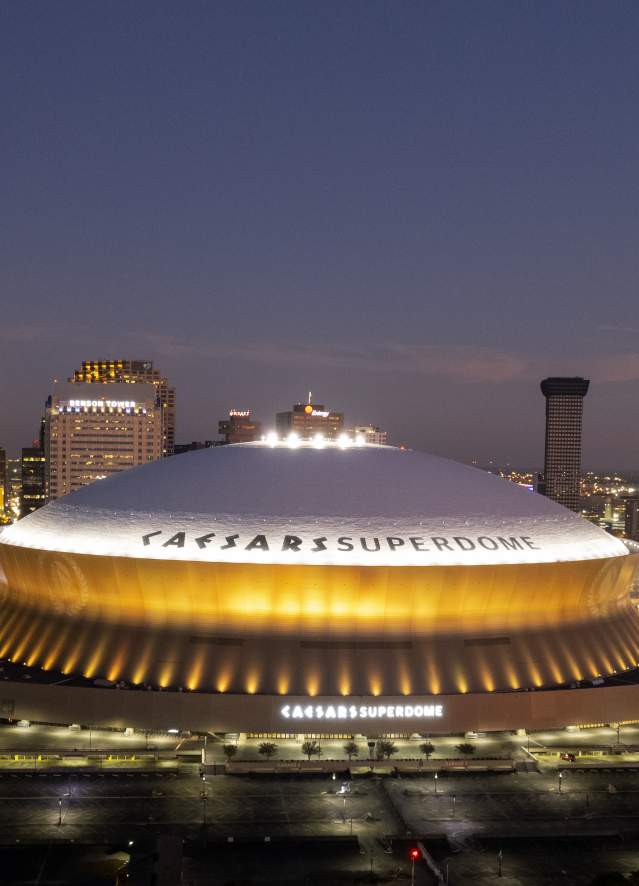
The relationship between the NFL and New Orleans is deep-rooted, characterized by the city’s ability to host record-breaking crowds and deliver a cultural experience that lingers long after the final whistle. The history of the Super Bowl in this city is essentially a history of the evolution of the Superdome, now known as the Caesars Superdome.
The Early Years at Tulane Stadium
Before the modern indoor era, the city proved its mettle at Tulane Stadium. The first three Super Bowls held in New Orleans took place at this historic venue:
- Super Bowl IV (1970): The Kansas City Chiefs defeated the Minnesota Vikings, marking a turning point in professional football history.
- Super Bowl VI (1972): The Dallas Cowboys secured their first championship against the Miami Dolphins.
- Super Bowl IX (1975): The Pittsburgh Steelers captured their first Lombardi Trophy in a defensive battle against the Minnesota Vikings.
These games solidified the city’s reputation as a reliable and vibrant host, paving the way for the construction of the iconic Superdome.
The Superdome Era: A Monument to Grit
With the opening of the Superdome in 1975, New Orleans entered a new tier of hosting capability. This architectural marvel, located in the heart of New Orleans, became the permanent home for Super Bowls in the city, providing a climate-controlled environment that could accommodate massive crowds and elaborate halftime productions.
High Stakes and Historic Moments
The transition to the Superdome ushered in a golden age of championship football. The venue became synonymous with defining moments in the sport:
- Super Bowl XII (1978): The Dallas Cowboys triumphed over the Denver Broncos. This was the first Super Bowl played indoors, cementing the Superdome’s status as the premier venue for the NFL.
- Super Bowl XV (1981): The Oakland Raiders claimed victory over the Philadelphia Eagles.
- Super Bowl XX (1986): A dominant Chicago Bears team famously dismantled the New England Patriots in a display of defensive prowess that remains legendary.
- Super Bowl XXIV (1990): The San Francisco 49ers showcased their offensive juggernaut against the Denver Broncos.
- Super Bowl XXXI (1997): The Green Bay Packers defeated the New England Patriots in a hard-fought contest.
Each of these games was more than just a match; they were events that forced visitors to explore the rich culture of the city, from the jazz clubs on Frenchmen Street to the world-renowned dining establishments in the Garden District.
Resilience and Redemption in the 21st Century
The 21st century brought new challenges and triumphs for the city. Following the devastation of Hurricane Katrina, the Superdome underwent significant renovations, becoming a symbol of the city’s recovery. The hosting of Super Bowl XLVII in 2013 served as a triumphant statement to the world that New Orleans was back, better than ever, and ready to host the biggest stage in sports.
Modern Milestones
- Super Bowl XXXVI (2002): The New England Patriots defeated the St. Louis Rams, signaling the beginning of a dynasty.
- Super Bowl XLVII (2013): Often called the “Blackout Bowl” due to a mid-game power failure, this game saw the Baltimore Ravens defeat the San Francisco 49ers. It remains one of the most memorable nights in the city’s history, showcasing its ability to handle global scrutiny with grace and humor.
Beyond the game itself, the influx of fans into the city during these years provides a massive boost to local tourism. When the Super Bowl comes to town, visitors are encouraged to step out of the stadium and into the heart of Louisiana. From walking through Jackson Square to exploring the National WWII Museum, the city offers a depth of experience that is simply unavailable in other host cities.
Why New Orleans Remains a Perpetual Host
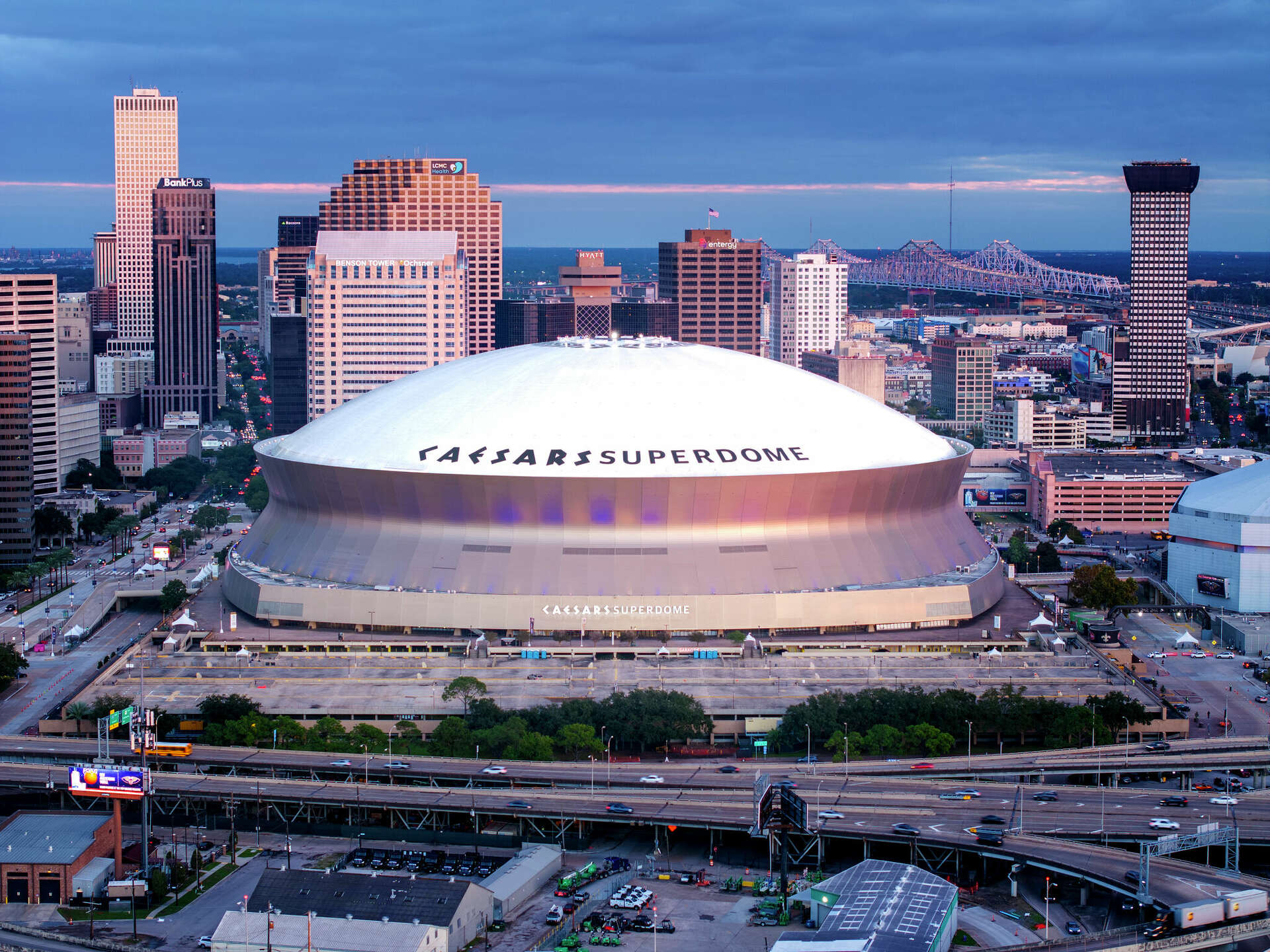
It is no accident that New Orleans consistently ranks as a favorite among NFL owners, players, and fans. The city offers a unique blend of walkability, cultural density, and infrastructure that is tailor-made for massive events. The proximity of the Caesars Superdome to the Central Business District ensures that visitors are never far from the action, whether they are looking for high-end dining, historic tours, or the vibrant nightlife of Bourbon Street.
The Economic and Cultural Impact
The economic footprint of the Super Bowl is significant, but for New Orleans, the impact is also deeply cultural. The city has developed a specialized ecosystem for hosting large-scale events. Local hotels, such as the Roosevelt New Orleans or the Hotel Monteleone, are accustomed to accommodating international crowds, ensuring that the visitor experience remains top-tier regardless of the scale of the influx.
Moreover, the culinary scene—anchored by institutions like Commander’s Palace and Café du Monde—provides a standard of hospitality that defines the “Big Easy” spirit. Every time the Super Bowl returns to this city, it is an opportunity for New Orleans to reintroduce itself to a new generation of fans. By maintaining its unique architectural character, protecting its musical heritage, and investing in state-of-the-art facilities like the Caesars Superdome, the city ensures that it remains on the shortlist for future championships.
The record of the Super Bowl in this city is a testament to the endurance and charm of the South. From the early games at Tulane Stadium to the high-tech spectacles of the current era, New Orleans has proven that it is more than just a destination; it is a stage that elevates everything that touches it. As the city looks toward the future, one thing remains clear: the spirit of Louisiana and the pageantry of the National Football League will always be inextricably linked.
LifeOutOfTheBox is a participant in the Amazon Services LLC Associates Program, an affiliate advertising program designed to provide a means for sites to earn advertising fees by advertising and linking to Amazon.com. Amazon, the Amazon logo, AmazonSupply, and the AmazonSupply logo are trademarks of Amazon.com, Inc. or its affiliates. As an Amazon Associate we earn affiliate commissions from qualifying purchases.