
Mastering the perfect New York strip steak is a culinary rite of passage that bridges the gap between home cooking and the high-end dining experiences found in global gastronomic hubs like New York City. Whether you are sourcing premium cuts from a local butcher in Chicago or preparing a feast during a luxury getaway in Texas, the principles of heat, time, and technique remain universal. To achieve that signature crust and succulent interior, you must look beyond a simple timer and understand the interplay between steak thickness, pan temperature, and resting periods.
Understanding the Variables of the Perfect Sear
Before applying heat, you must understand the cut. The New York strip, often referred to as a shell steak, is known for its balance of tenderness and robust beefy flavor. Unlike a filet mignon, which is lean, a high-quality strip steak features a distinct fat cap that, when rendered properly, creates a self-basting effect that elevates the final dish.
The Importance of Steak Thickness
Thickness is the primary determinant of cooking time. A standard one-inch steak requires significantly less time than a thick-cut, bone-in version that you might order at a world-class steakhouse like Peter Luger Steak House. If your steak is thinner than one inch, it risks overcooking before you achieve a proper sear. Conversely, anything thicker than one and a half inches often requires a two-step process: searing on the stovetop followed by a stint in a hot oven to ensure the center reaches your desired temperature without burning the exterior.
Preparing the Surface
For the perfect sear, moisture is your enemy. Before the steak hits the pan, pat the exterior completely dry with paper towels. Any excess surface moisture creates steam, which prevents the Maillard reaction—the chemical process that gives seared meat its complex, browned flavor and appetizing crust. Season liberally with coarse sea salt and freshly cracked black pepper just seconds before cooking to ensure the salt does not draw out too much moisture prematurely.
The Stovetop Method: Timing and Temperature
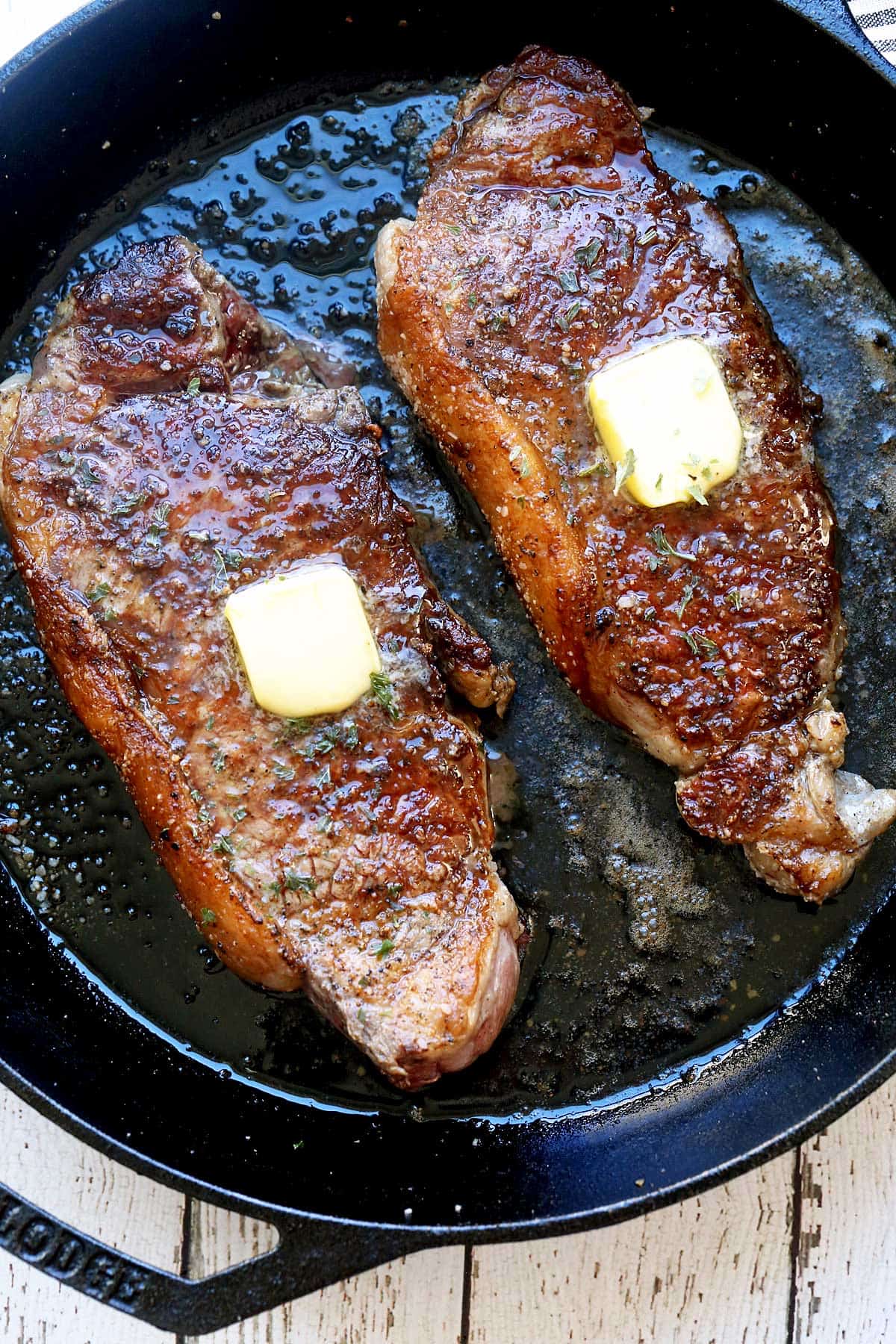
The most reliable way to cook a New York strip is a high-heat pan sear using cast iron. Cast iron retains heat exceptionally well, ensuring that the pan temperature does not drop drastically when the cold meat is introduced.
The Sear Phase
Place your heavy-bottomed skillet over high heat until it begins to smoke slightly. Add a high-smoke-point oil, such as grapeseed or avocado oil. Carefully lay the steak into the pan, ensuring it maintains contact with the surface. For a standard one-inch steak, cook for approximately three to four minutes per side to achieve a medium-rare finish.
If you are cooking a strip steak during an autumn excursion to Vermont or while staying at a remote lodge in Colorado, note that altitude and ambient temperature can slightly alter heat retention in your cookware. Always trust the visual cues—a deep, mahogany-brown crust is the goal.
The Butter Baste
In the final minute of cooking, reduce the heat to medium and add a tablespoon of high-quality unsalted butter, two cloves of crushed garlic, and a sprig of fresh thyme or rosemary. Tilt the pan slightly and use a large spoon to baste the steak with the foaming, aromatic butter. This technique, a staple in French cuisine practiced by chefs from Paris to Lyon, infuses the meat with a rich, nutty profile that defines the classic steakhouse experience.
Measuring Doneness Without Guesswork
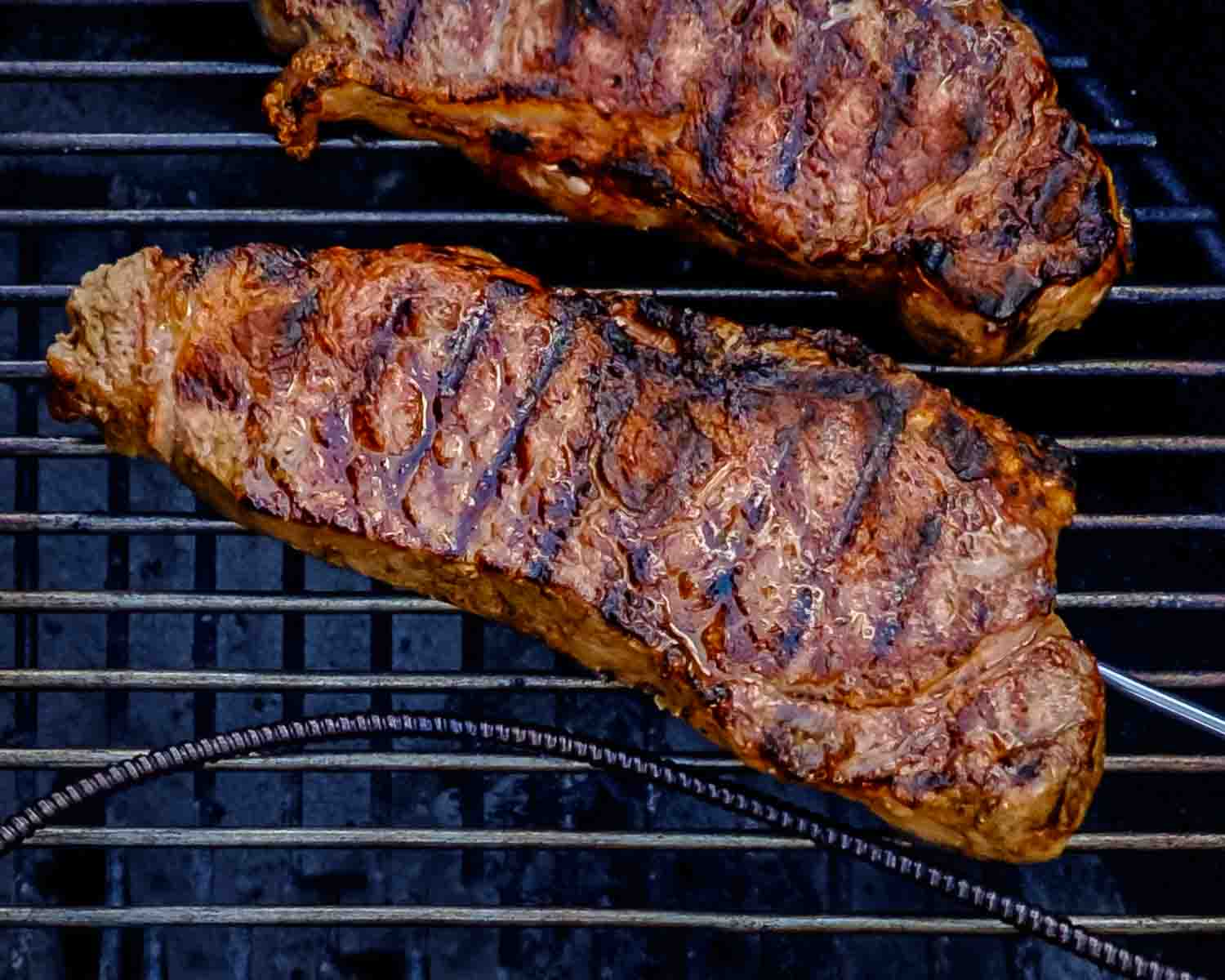
While professional chefs can often determine doneness by touch, the most reliable method for home cooks is using an instant-read meat thermometer. The visual indicators of doneness are as follows:
- Rare (Cool Red Center): 120°F to 125°F
- Medium-Rare (Warm Red Center): 130°F to 135°F
- Medium (Warm Pink Center): 140°F to 145°F
- Medium-Well (Slightly Pink Center): 150°F to 155°F
Always remove the steak from the heat when it is about five degrees below your target temperature. The residual heat in the meat will continue to cook the steak during the resting phase, a process known as carry-over cooking. If you are preparing a meal while visiting the vibrant food markets of Tokyo, keep in mind that the precision of your thermometer is your best tool for consistent results regardless of the equipment available in your accommodation.
The Non-Negotiable Resting Period
The most common mistake home cooks make is slicing into the steak immediately after removing it from the heat. This error ruins the texture of even the most expensive cuts. When the steak is exposed to high heat, the muscle fibers contract and push the juices toward the center of the meat. If you cut the steak while it is still screaming hot, those juices will run out onto your cutting board, leaving the meat dry and fibrous.
Why Resting Matters
Resting allows the muscle fibers to relax and reabsorb the juices that have migrated to the center. For a New York strip steak, allow it to rest on a warm plate or a wire rack for at least seven to ten minutes. If you are serving your steak alongside a sophisticated side dish, perhaps inspired by the culinary traditions of Italy, ensure the plate is warmed to prevent the meat from losing too much heat while it rests.
Slicing and Serving
Once rested, slice the steak against the grain. Cutting against the grain shortens the muscle fibers, resulting in a more tender mouthfeel. You will notice that the interior is a uniform, edge-to-edge pink, which is the hallmark of a perfectly cooked piece of beef. Whether you are enjoying this meal in your own dining room or as part of a curated travel experience in Buenos Aires, the resting period is the bridge between a good steak and an unforgettable one.

Professional Tips for the Ultimate Experience
To truly emulate the caliber of a top-tier restaurant, consider these final flourishes. First, always source your meat from a reputable purveyor. The quality of the animal’s diet and its age significantly impact the marbling, which is what gives the New York strip its distinct, buttery flavor profile.
If you are traveling through regions known for their livestock, such as Argentina or the cattle-rich lands of Australia, take the time to visit local butcher shops. Engaging with local food culture is one of the most rewarding aspects of travel. Learning about how different regions prepare their beef—whether it is a simple salt-crust in Brazil or an elaborate herb rub in the United Kingdom—can provide endless inspiration for your own cooking.
Finally, remember that cooking is a sensory experience. Listen to the sizzle, smell the browning butter, and look for the transition in color. By combining these sensory observations with the technical guidelines of heat and time, you can replicate the luxury of a fine-dining steakhouse in any kitchen. Mastery of the New York strip steak is not about strict adherence to a single recipe, but rather about understanding the fundamental physics of the meat and respecting the ingredients you have chosen. With practice, you will find that the ability to cook a steak to absolute perfection is a skill that serves you well, no matter where your travels take you.
LifeOutOfTheBox is a participant in the Amazon Services LLC Associates Program, an affiliate advertising program designed to provide a means for sites to earn advertising fees by advertising and linking to Amazon.com. Amazon, the Amazon logo, AmazonSupply, and the AmazonSupply logo are trademarks of Amazon.com, Inc. or its affiliates. As an Amazon Associate we earn affiliate commissions from qualifying purchases.