
The skyline of New York City is arguably the most recognizable collection of glass, steel, and stone in the world. From the Art Deco pinnacles of the Chrysler Building to the sheer, reflective curtain walls of the One World Trade Center, the city is essentially a sprawling, multi-dimensional grid of portals looking inward and outward. To ask how many windows exist in this metropolis is to attempt a census of a city that never stops building, renovating, or reimagining its own facade. While an exact integer remains elusive, a deep dive into the architectural history and urban density of New York reveals why this number is not just a statistic, but a testament to human ingenuity.

The Architectural Evolution of Transparency
To understand the volume of windows in Manhattan, one must trace the history of the “curtain wall.” In the late 19th century, buildings were defined by thick masonry walls with small, punched-in openings. As construction technology evolved, architects began to treat walls as non-load-bearing skins. This shift allowed for the proliferation of glass, forever changing the visual weight of the city.
The Rise of the Glass Tower
The mid-20th century, influenced by the International Style, saw the rise of structures like the Seagram Building. These buildings replaced heavy stone with immense panes of glass, maximizing interior light. By the time modern skyscrapers like the Empire State Building—which itself contains a staggering 6,500 windows—became the standard, the window had become the primary design element of the skyline. When you multiply these thousands of panes by the tens of thousands of mid-rise residential buildings throughout Brooklyn, Queens, and the Bronx, the estimate climbs into the hundreds of millions.
Residential Density and Window Ratios
Unlike commercial towers, which favor massive, uniform glass plates, the residential stock of New York City consists of distinct units. A typical tenement building in Lower East Side might have 30 to 50 windows, while a high-end luxury residential tower on Billionaires Row might feature floor-to-ceiling glass wrapping every single floor. When urban planners analyze building footprints, they calculate the “window-to-wall ratio.” In high-density environments, these ratios have pushed toward the theoretical maximum, as developers strive to capture the high market value of “views” over Central Park.
Scaling the Uncountable: Estimating the Inventory
Mathematical modeling is the only way to approach this question, as a physical count would be obsolete before it was completed. Researchers often use building survey data provided by the Department of Buildings to formulate an educated guess.
The Methodology of Urban Census
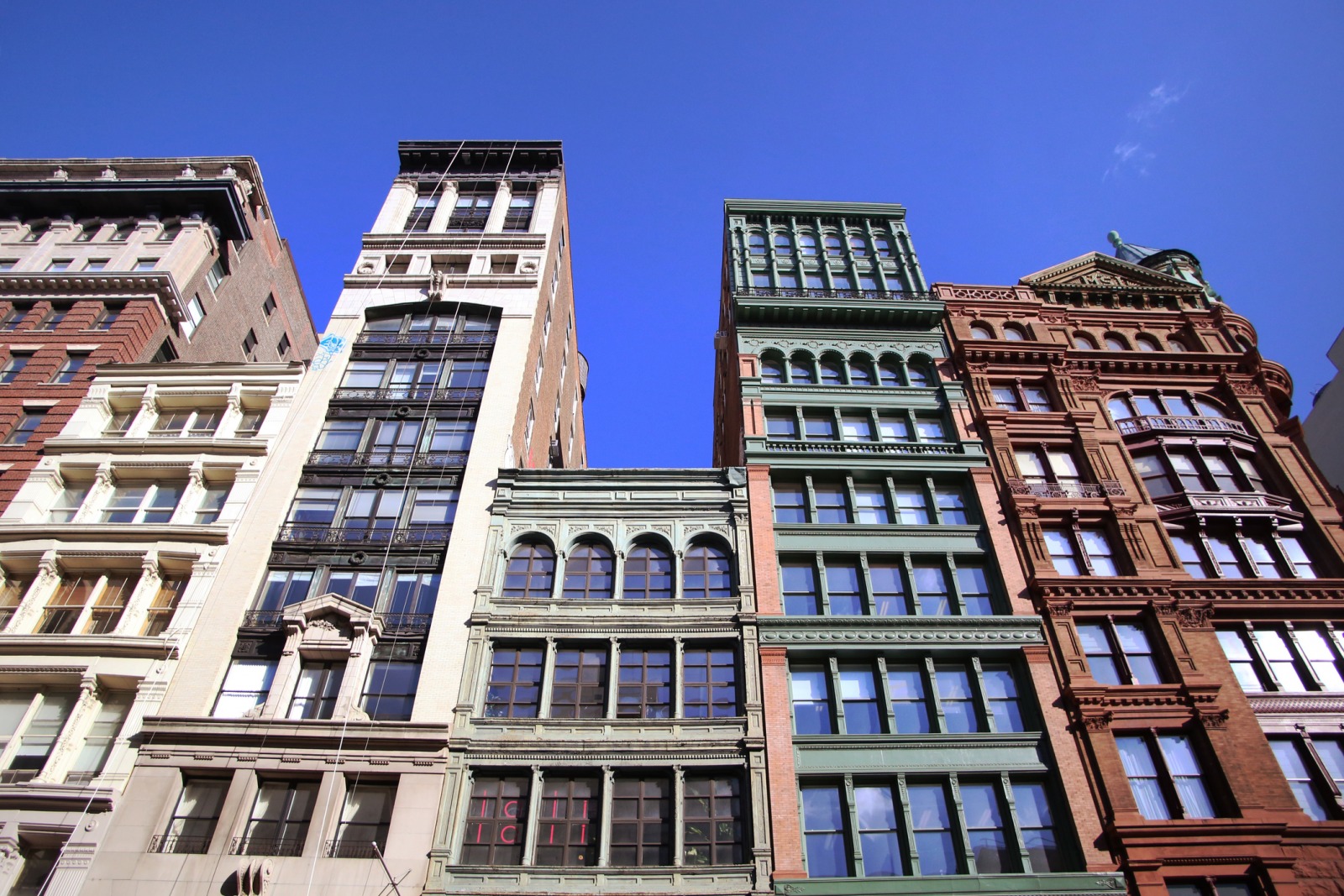
If we take the total square footage of all registered buildings in New York City—which exceeds 5 billion square feet—and apply an average window distribution index based on building age and type, we arrive at a figure that is truly astronomical. Even a conservative estimate suggests there are upwards of 500 million individual window panes in the five boroughs. This takes into account the vast inventory of brownstones in Park Slope and the industrial warehouse conversions found throughout Long Island City.
Why the Number is Always Growing
The number of windows in New York is not static. It follows the tide of development. When Hudson Yards was constructed, it introduced millions of square feet of glass to the West Side. Each new luxury condo development, every school renovation, and even the periodic replacement of historic wooden sashes with modern double-pane glass changes the composition of the city. The “window count” is effectively a living metric of the city’s economic vitality.
Life Through the Glass: A Cultural Perspective
Windows in New York City are more than just architectural features; they are the lenses through which the city’s life is mediated. From the perspective of Fifth Avenue, store windows—often called the “silent salesmen”—dictate the changing seasons and fashion trends. These displays are essentially the public’s window into the consumer culture that defines Manhattan.
The “Rear Window” Dynamic
The intimacy of New York living is perhaps best defined by the proximity of windows. In densely packed neighborhoods like Greenwich Village, the distance between a window in one apartment and a window in the building across the alley can be less than ten feet. This proximity creates a unique social contract—a collective agreement of privacy in a city where visibility is constant. This transparency adds a layer of kinetic energy to the streets; at night, the “checkerboard” effect of lit windows in residential towers becomes the city’s most iconic light show.
Sustainable Modernization
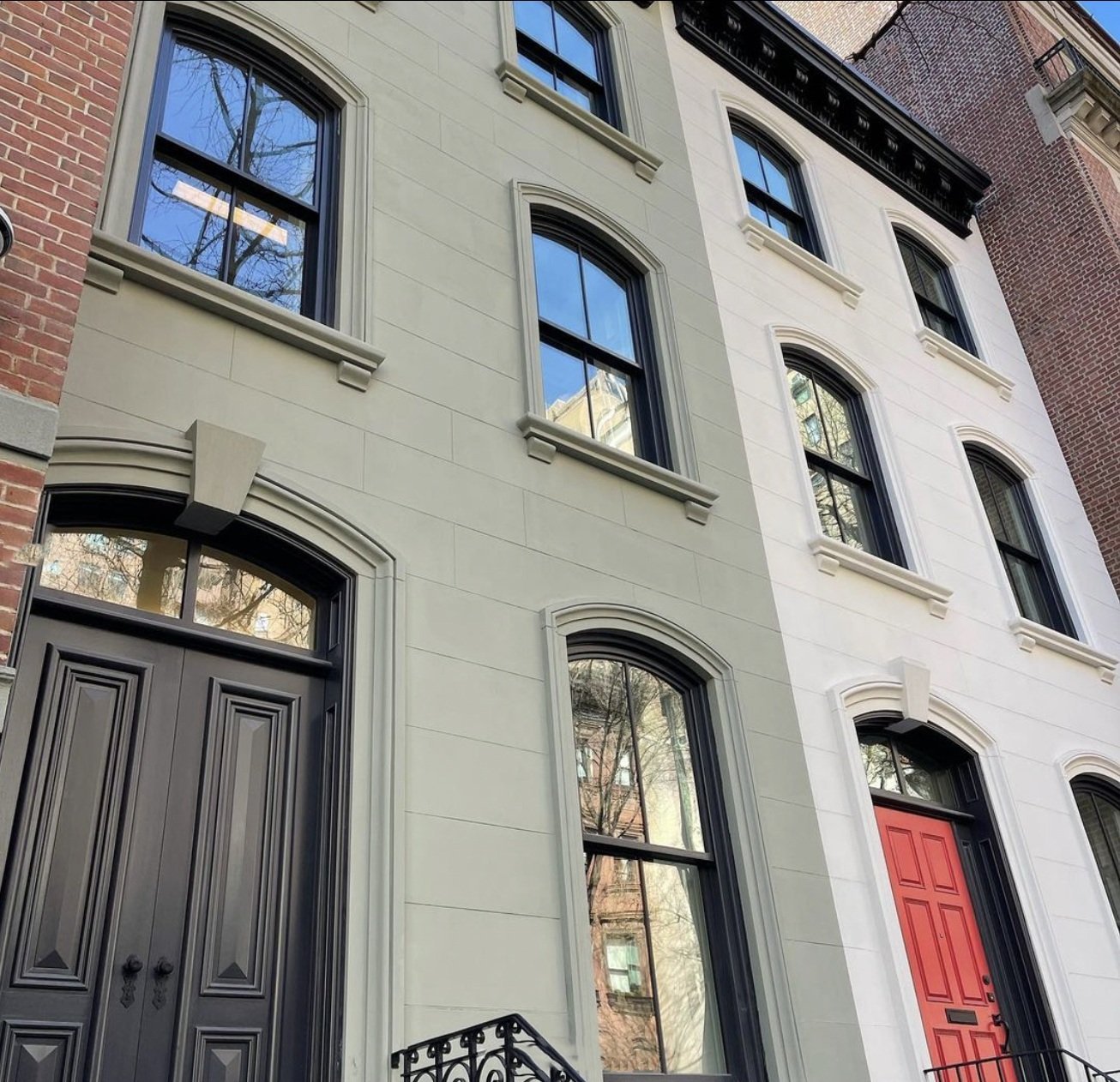
In recent years, the push for energy efficiency has led to the “retrofitting” of thousands of historic buildings. The Climate Mobilization Act is currently driving a massive replacement of older, single-pane windows with high-performance, thermally broken systems. This movement is not merely about aesthetics; it is about reducing the carbon footprint of buildings like the Chrysler Building. Every time a window is upgraded for better insulation, it changes the way that building reflects New York City to the world.
The Future of the Skyline
As we look toward the future, the integration of smart-glass technology—windows that tint automatically based on sunlight exposure—promises to change the skyline yet again. These intelligent surfaces will allow architects to design even more daring structures, perhaps even taller than the One World Trade Center.
Whether one considers the sheer number of windows to be 500 million, a billion, or beyond, the truth remains that New York City is a city built on the concept of transparency. From the early masonry facades of Tribeca to the gleaming, ethereal towers rising in Midtown, the window is the eye of the city. Each one represents a story, a room, an office, or a view of the sprawling, complex, and beautiful urban grid. While we may never have a definitive, real-time total, the importance of these portals to the city’s identity remains undeniable. Every pane of glass in New York is a testament to its ambition, ensuring that even in a city of millions, there is always a way to look out, and always a reason to look up.
LifeOutOfTheBox is a participant in the Amazon Services LLC Associates Program, an affiliate advertising program designed to provide a means for sites to earn advertising fees by advertising and linking to Amazon.com. Amazon, the Amazon logo, AmazonSupply, and the AmazonSupply logo are trademarks of Amazon.com, Inc. or its affiliates. As an Amazon Associate we earn affiliate commissions from qualifying purchases.