
Understanding property taxes in New York is a complex endeavor, even for seasoned investors and homeowners. As one of the most dynamic real estate markets in the United States, the Empire State operates under a decentralized taxation system. Unlike states that levy a single, uniform property tax rate, New York empowers individual local governments, school districts, and special taxing jurisdictions to set their own levies. This creates a highly fragmented landscape where your tax bill can vary significantly depending on which block, town, or city you call home.
The Mechanics of Property Assessment and Levies
To determine how much you will pay in property taxes, you must first understand the relationship between the assessed value of a property and the local tax rate. The process is not based on a national standard but rather on local valuations determined by municipal assessors.

Understanding Assessed Value vs. Market Value
The assessed value of a property is determined by a local assessor who estimates the market value and then applies an “equalization rate.” This is intended to ensure fairness across tax jurisdictions. However, because New York City and Upstate New York have vastly different real estate markets, the methodologies often feel opaque to the average taxpayer.
The Role of Tax Rates
Once the assessed value is established, the local taxing authorities apply a tax rate—often expressed as “dollars per $1,000 of assessed value.” This rate is set annually based on the budget requirements of the local government and the School District. Because schools are primarily funded through property taxes in New York, areas with high-quality educational systems—such as those found in Westchester County or Nassau County—tend to have significantly higher tax burdens than rural areas with lower service demands.
Regional Variations: Why Taxes Differ Across the State
If you are looking at purchasing real estate, it is essential to recognize that the “average” property tax rate is often a misleading statistic. New York State consistently ranks among the highest in the nation for property tax burdens, but the impact of these taxes is highly localized.
New York City: A Unique Tax Environment
New York City uses a unique system to classify properties. The city divides properties into four classes:
- Class 1: One- to three-family homes.
- Class 2: All other residential properties, including cooperatives and condominiums.
- Class 3: Utility properties.
- Class 4: All other real property, including office buildings and retail spaces.
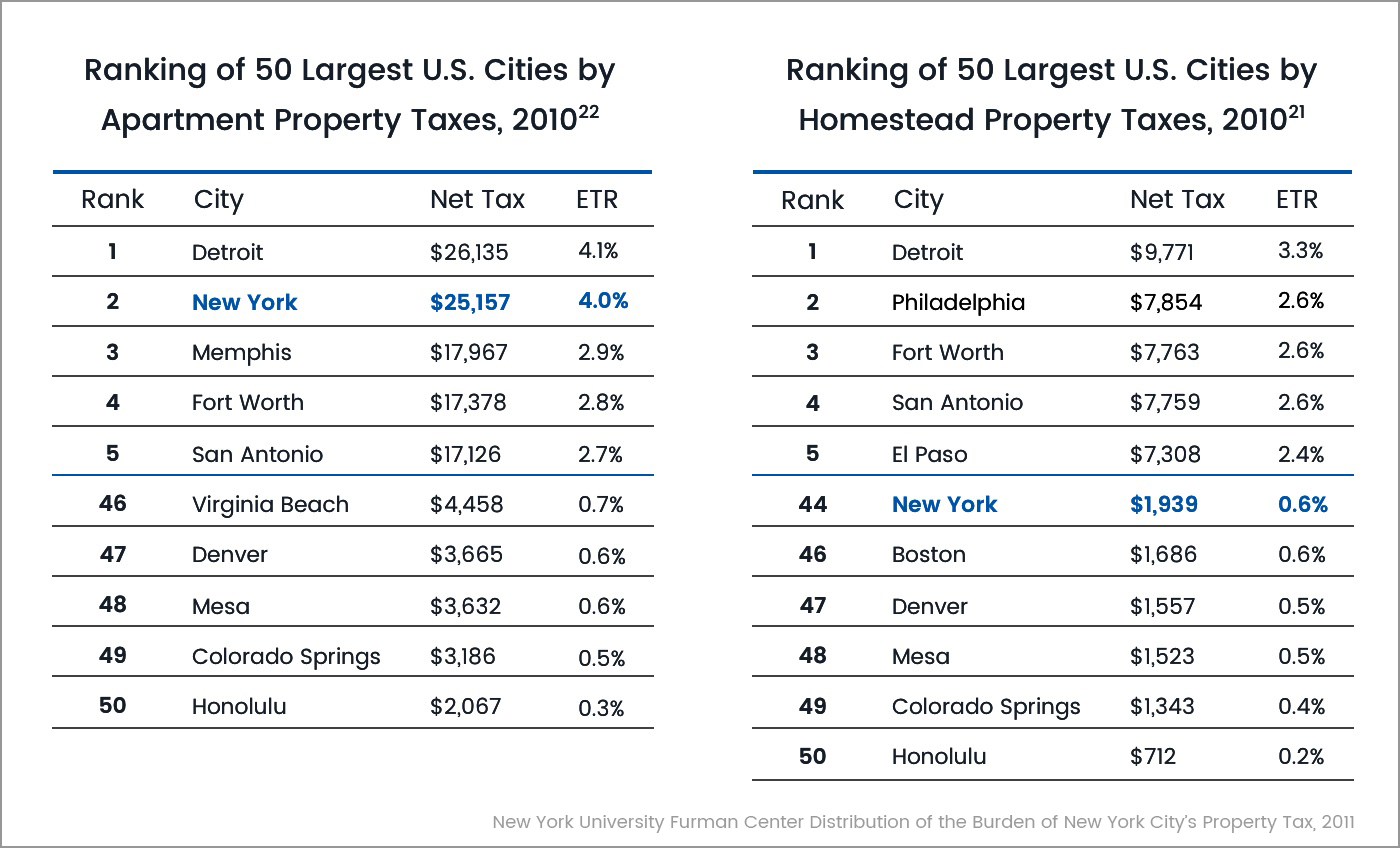
Each class has a different tax rate, which helps mitigate the tax burden on single-family homeowners compared to large-scale commercial entities. However, even within New York City, the transition between different neighborhoods can lead to dramatic differences in effective tax rates.
The Impact of Suburban School Districts
For those looking outside the five boroughs, Long Island often presents a different fiscal reality. Here, school taxes account for the vast majority of the total tax bill. Homeowners in Suffolk County or Westchester County frequently pay some of the highest property taxes in the United States. Prospective residents must weigh the benefit of the proximity to Manhattan against these substantial annual carrying costs.
Strategies for Managing Your Property Tax Burden
While the tax system in New York is rigid, there are mechanisms available to homeowners to potentially lower their obligations. Navigating these requires a combination of research and, occasionally, professional assistance.
Understanding Tax Exemptions
New York State offers various exemptions that can reduce the assessed value of your home, thereby lowering your tax liability. Common programs include:
- STAR (School Tax Relief Program): Available to eligible homeowners, this program provides a partial exemption from school property taxes. It is divided into the Basic STAR exemption for most households and the Enhanced STAR exemption for seniors.
- Veterans Exemptions: Honorably discharged veterans may qualify for significant reductions in their property tax bills.
- Senior Citizen Exemptions: Many municipalities offer specific tax relief for low-income seniors who have owned their homes for a set period.
Challenging Your Assessment
If you believe your property has been over-assessed, you have the legal right to challenge it. Known as “Grievance Day,” New York provides an annual window where homeowners can formally contest their property’s valuation. To succeed, you must provide evidence that the assessment is unequal or excessive compared to similar properties in your neighborhood. Many homeowners in Westchester County and Nassau County hire specialized tax certiorari attorneys to manage this process, as a successful appeal can lead to long-term savings.
Economic Implications for Homeowners and Investors
Deciding where to buy property in New York is as much about tax planning as it is about lifestyle. The annual tax bill is a recurring expense that directly impacts your monthly carrying costs, your mortgage qualification, and the eventual resale value of your home.
The Effect on Real Estate Investment
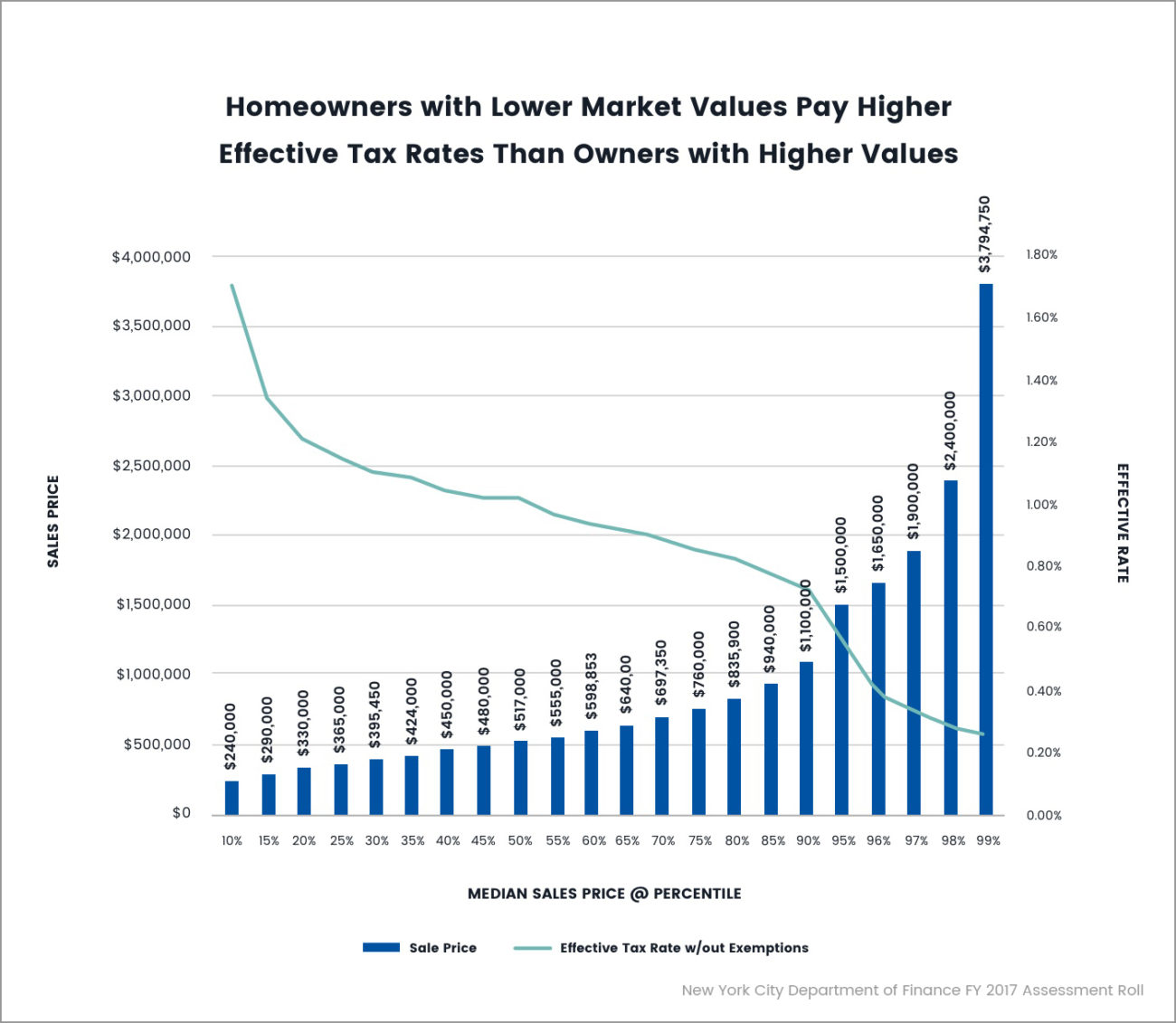
Investors looking for cash-flow-positive properties in New York must account for these high taxes in their pro-forma statements. Because taxes in New York State tend to rise over time, relying on static tax figures is a dangerous strategy. A property that seems affordable today may become a significant liability if a School District passes a large bond measure or if municipal budgets swell.
Balancing Services and Taxes
Ultimately, the high property taxes in New York correlate with the level of public service provided. Whether it is the world-class infrastructure in New York City or the exceptional public schools in suburban Westchester County, the tax burden is often a reflection of the regional investment in public goods. Before moving to or investing in any area, it is advisable to visit the local municipal website to look up the “tax rate history” for that specific property. This due diligence ensures that your financial expectations align with the fiscal realities of your chosen neighborhood.
In summary, property tax in New York is not a simple calculation but a complex local tax structure. Whether you are living in a condo near Central Park or a historic colonial home in Upstate New York, your tax bill will be determined by a combination of regional budgets, school funding, and local assessment policies. By staying informed, utilizing available exemptions, and regularly reviewing your assessment, you can effectively manage one of the largest ongoing costs of homeownership in the Empire State.
LifeOutOfTheBox is a participant in the Amazon Services LLC Associates Program, an affiliate advertising program designed to provide a means for sites to earn advertising fees by advertising and linking to Amazon.com. Amazon, the Amazon logo, AmazonSupply, and the AmazonSupply logo are trademarks of Amazon.com, Inc. or its affiliates. As an Amazon Associate we earn affiliate commissions from qualifying purchases.