
When visitors arrive in New York City, one of the first cultural experiences they seek out is the iconic slice. The city’s culinary reputation is built upon a foundation of thin, foldable, and slightly charred dough that has become a global standard for excellence. Recently, major global chains have sought to capture this specific regional appeal, leading to the introduction of specialty menu items designed to mimic local traditions. Among these, Domino’s New York Style Crust stands out as a fascinating intersection of mass-market convenience and regional gastronomic heritage.
The Anatomy of a New York Style Slice
To understand why a fast-food interpretation matters, one must first look at the standards set by the pizzerias of Manhattan and Brooklyn. A traditional New York crust is not simply “thin crust”; it is a specific architectural achievement. The dough is typically hand-stretched, often using high-gluten flour, which provides the necessary elasticity for the iconic “fold.”

Texture and Structural Integrity
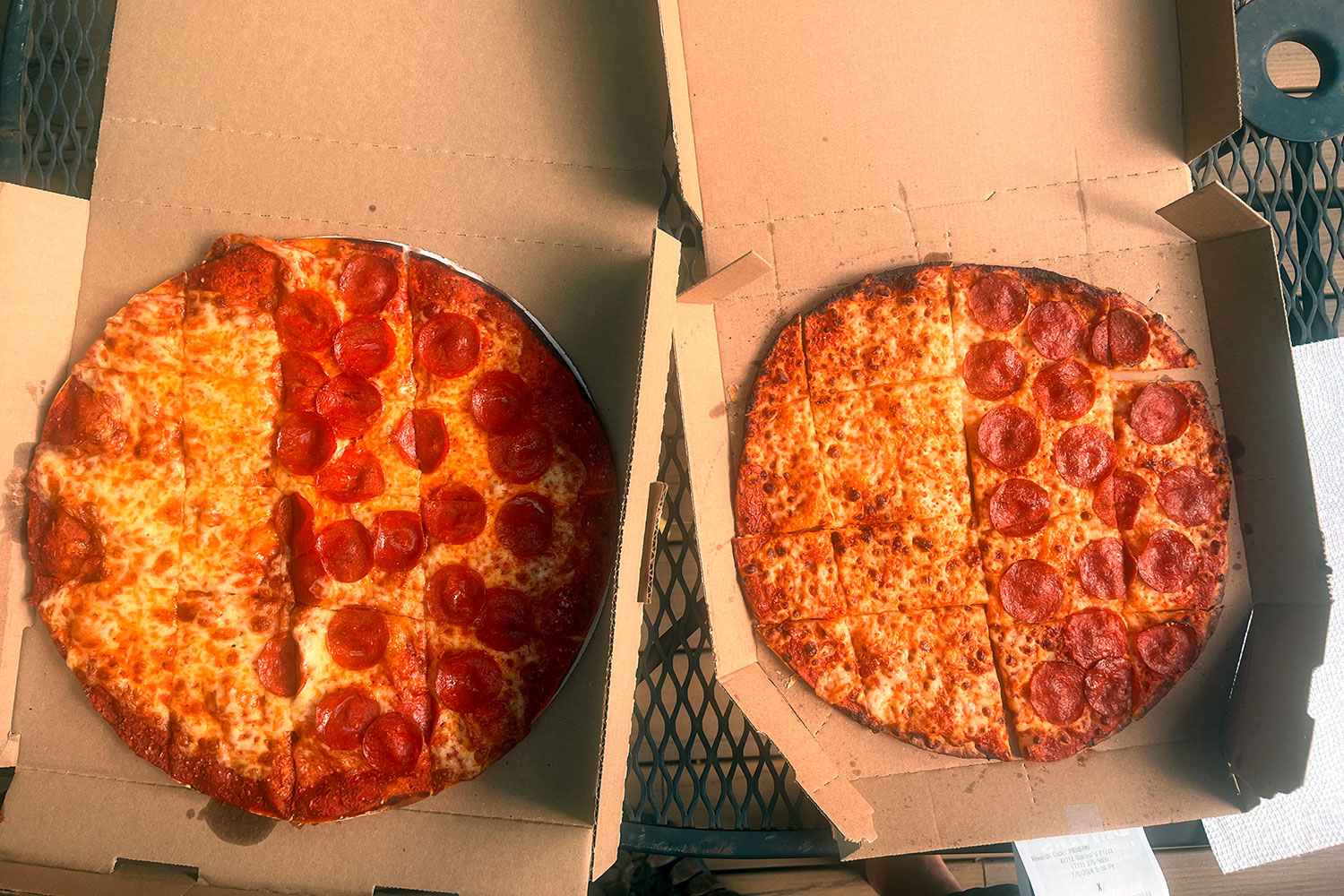
The primary defining characteristic of the style is the balance between crispness and pliability. When held by the crust, the tip of a New York slice should not droop aggressively, yet it must be flexible enough to fold in half—a maneuver essential for the bustling, on-the-go lifestyle of commuters in The United States. Domino’s approach to this involves a specialized dough management process that allows their crust to achieve a thinner profile than their traditional Hand-Tossed option while maintaining a distinct chewiness.
The Role of the Oven
In authentic New York establishments, pies are often baked in deck ovens at extremely high temperatures. This flash-heat creates a “leopard-spotted” char on the bottom of the crust. While large chains utilize conveyor belt ovens for consistency, their “New York Style” iteration attempts to replicate this sensory experience by adjusting the hydration levels of the dough and the specific bake time, resulting in a golden-brown finish that mimics the appearance of a classic wood-fired or gas-deck bake.
How Domino’s Adapts the Tradition
Adapting a regional specialty for a global audience requires significant culinary engineering. The challenge lies in scaling the artisanal nature of a New York City pizzeria into a standardized product that tastes consistent from California to Florida.
Ingredient Modifications
The Domino’s New York Style Crust is distinct from their “Thin Crust” in several key ways. While their traditional Thin Crust is cracker-like and exceptionally crispy, the New York Style version incorporates more yeast and a slightly different flour blend. This allows for a more “bready” internal crumb, which is a hallmark of the Big Apple style. The crust is also stretched to a large diameter, ensuring the ratio of dough to cheese and sauce remains thin enough to stay true to the inspiration without becoming overly doughy.

The “Foldability” Factor
The most important metric for any pizza calling itself “New York Style” is the ease of the fold. The corporate kitchen teams behind these menu developments focus heavily on the tensile strength of the gluten structure. By creating a crust that is thin but resilient, they enable the consumer to recreate the classic New York street-food experience, even if they are thousands of miles away from a sidewalk stand in Times Square.
Cultural Significance of the New York Style
The obsession with the New York crust goes beyond mere calories; it is a point of local pride. For residents of New Jersey or Connecticut, where similar styles thrive, the crust is the canvas for the entire meal. When a national chain adopts this terminology, it elevates the status of the regional style, turning a local favorite into a national benchmark.
The Appeal to Tourists and Locals
For many domestic travelers exploring the United States, food acts as a primary map of the country. When someone visits New York City, they expect a specific culinary landscape. The proliferation of “New York Style” offerings allows those who cannot make the trip to still engage with the flavor profile. It serves as a gateway, often inspiring people to visit the source of the inspiration to compare the mass-produced version with the genuine article.
Marketing vs. Authenticity
Critics often argue that large chains cannot replicate the nuances of a local pizzeria where the dough is made fresh daily by someone who has been tossing pies for decades. However, the success of the New York Style crust in a Domino’s setting is less about replacing the local shop and more about convenience. It provides a familiar, accessible way to enjoy a style of pizza that has become synonymous with the pace and spirit of the United States.
Tips for Enjoying the Style
Whether you are dining in a high-end parlor in Manhattan or ordering for convenience at home, the way you consume the slice changes the experience.
The Fold Technique
To truly appreciate the New York style, never eat it flat. Fold the slice vertically so that the sauce and cheese are protected within the pocket of the crust. This technique isn’t just for style—it prevents the toppings from sliding off, which is common in thin-crust variants.
Enhancing the Experience
Authentic New York pizza lovers often suggest specific accompaniments to bring out the flavor profile of the crust. A light dusting of red pepper flakes or a sprinkle of garlic powder can complement the yeast-forward taste of the dough. When visiting New York City, observe the locals; you will rarely see a knife and fork. Using your hands is considered part of the ritual, ensuring that the crispness of the crust remains intact until the very last bite.
Finding Quality
While chains provide a consistent baseline, the true beauty of New York pizza lies in the diversity of the city’s independent shops. If you find yourself in the United States, prioritize visiting local pizzerias in neighborhoods like Queens or The Bronx. The experience of tasting the dough at a place where the history of the neighborhood is baked into the oven is an essential part of the travel experience, offering a narrative that no standardized chain can fully replicate. Ultimately, the Domino’s New York Style Crust acts as a bridge—a familiar introduction to a beloved culinary tradition that defines the spirit of one of the world’s most vibrant food cities.
LifeOutOfTheBox is a participant in the Amazon Services LLC Associates Program, an affiliate advertising program designed to provide a means for sites to earn advertising fees by advertising and linking to Amazon.com. Amazon, the Amazon logo, AmazonSupply, and the AmazonSupply logo are trademarks of Amazon.com, Inc. or its affiliates. As an Amazon Associate we earn affiliate commissions from qualifying purchases.