
Living in New York City is often described as a sensory overload—a constant, rhythmic collision of ambition, history, and raw energy. For those who choose to call this metropolis home, the experience is less about settling into a comfort zone and more about embracing a perpetual state of movement. From the narrow, winding streets of the West Village to the sprawling skyline views of Long Island City, the city is a mosaic of distinct neighborhoods, each offering a unique micro-culture that keeps residents perpetually curious.
The Rhythm of the Concrete Jungle
Life in the “Big Apple” is defined by a pace that exists nowhere else. It is a city that demands your full attention, where the simple act of commuting becomes a performance of urban navigation.

The Transit Experience
The New York City Subway is the veins and arteries of the city. To live here is to master the art of the transfer, the etiquette of the crowded car, and the patience required for weekend service changes. While the infrastructure is aging, there is a certain democratic beauty in it; in a single morning commute, you might find yourself pressed between a high-powered executive from Wall Street and a street performer carrying a saxophone case. This proximity to people from every walk of life is what makes the city feel like a crucible of human experience.
Walking as a Lifestyle
In many cities, the car is an extension of the person. In New York, the shoe is the extension. Residents walk everywhere. Whether it is a quick stroll to Central Park for a Sunday coffee or navigating the dense grid of Midtown Manhattan during the lunch rush, walking is the primary mode of engagement with the environment. This constant physical activity keeps the population connected to the street level, noticing the shifting storefronts, the changing seasons in the Brooklyn Botanic Garden, and the subtle evolution of the urban landscape.
The Neighborhood Archetypes
New York is not one city; it is a collection of villages. Choosing where to live is a statement of identity, as each borough offers a drastically different texture of daily life.
The Allure of Brooklyn
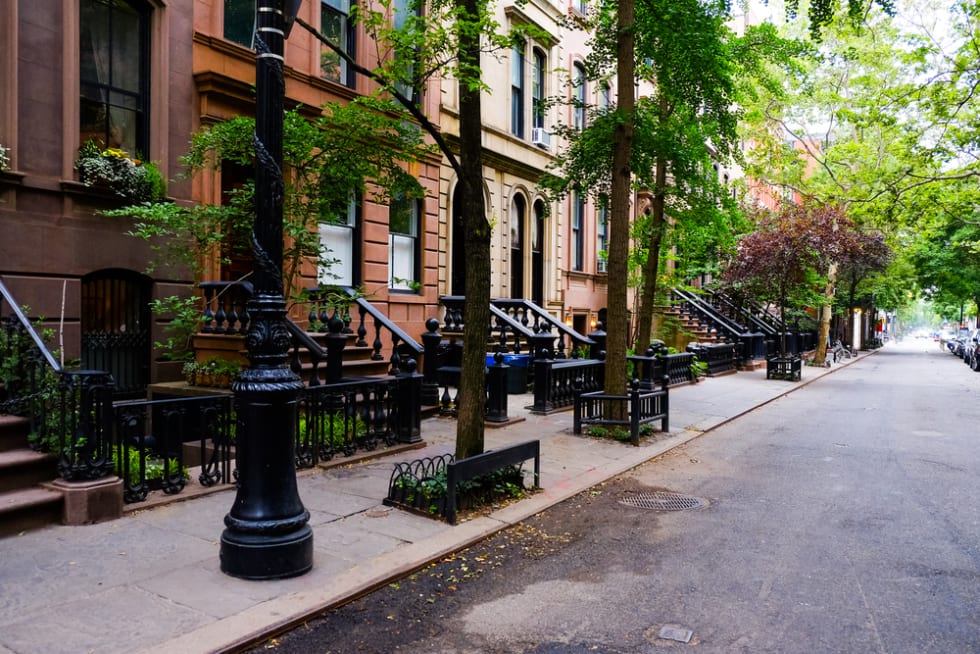
Brooklyn has evolved from an outer borough into a cultural powerhouse. Neighborhoods like Williamsburg offer a blend of industrial-chic lofts and vibrant nightlife, while Park Slope provides the quintessential brownstone-lined streets that feel like a neighborhood plucked from a classic film. Living here allows for a slightly slower pace, with access to incredible artisanal markets, independent bookstores, and the sprawling recreational expanse of Prospect Park.

The Intensity of Manhattan
To live in Manhattan is to live in the center of the storm. The Upper West Side offers a sense of refined intellectualism, with its proximity to the American Museum of Natural History and Riverside Park. Conversely, the Lower East Side retains a gritty, creative soul, filled with historic tenements that now house some of the most innovative galleries and late-night culinary spots in the world. Life here is vertical, defined by elevator rides, rooftop views, and a proximity to world-class institutions like The Metropolitan Museum of Art.
The Emerging Vibe of Queens
Queens is arguably the most diverse place on the planet. For residents, this means a daily culinary journey. Living near Astoria or Jackson Heights offers an unparalleled access to authentic global cuisines, from Greek tavernas to Himalayan momo shops. It is a more residential experience, often providing more space for the dollar compared to the island of Manhattan, making it an increasingly popular destination for young professionals and families alike.
Practical Realities of City Life
The romanticism of the city—the neon lights of Times Square and the jazz clubs of Harlem—must be balanced with the logistical demands of urban survival.
Space as a Luxury
Apartment hunting in New York State is a rite of passage that tests one’s resilience. Storage is a premium, and the “flex” wall is a common solution to the perpetual quest for an extra bedroom. Yet, there is a strange satisfaction in learning how to maximize a small footprint. It forces a minimalist lifestyle where residents curate their possessions, choosing quality over quantity, and finding their “living room” in the city’s endless supply of public spaces and cafés.
The Cost of Ambition
There is no denying that the cost of living in the United States financial capital is significant. Beyond rent, the daily expenses—from the price of a bagel to the cost of a night out in the Meatpacking District—require a certain level of financial discipline. However, most New Yorkers view this not as a burden, but as a subscription fee for access. You are paying for the proximity to Broadway, the ability to see world-class talent at Lincoln Center on a Tuesday night, and the privilege of living in a place where the world’s most interesting people congregate.
Finding Community in the Crowd
One of the greatest paradoxes of living in New York is how you can be surrounded by eight million people and still find a sense of solitude. The city respects the individual’s right to be left alone, creating a unique social contract where privacy is protected even in the most crowded spaces.
The Third Place
Because apartments are often small, the social life of a New Yorker happens in “third places”—the local diner, the neighborhood bar, or the corner park. It is in these settings that communities are built. You become a regular at the local bodega, a familiar face at the nearby dog run, or a patron who knows the staff by name at a favorite restaurant. These small, repetitive interactions act as the glue of the city, transforming a massive metropolis into a series of manageable, friendly pockets.
Resilience and Rebirth
There is a collective grit inherent to living here. When the city faces challenges, whether from extreme weather or economic shifts, the response is always a surge of local support. From the community-led revitalization of the High Line to the vibrant mural culture in Bushwick, the city is constantly being imagined and reimagined by its inhabitants. Living in New York City changes you; it sharpens your edges, broadens your perspective, and instills a belief that if you can contribute to the rhythm of this place, you can thrive anywhere. It is not an easy life, but it is an undeniably full one, etched into the history of the United States and celebrated by those who call its streets home.
LifeOutOfTheBox is a participant in the Amazon Services LLC Associates Program, an affiliate advertising program designed to provide a means for sites to earn advertising fees by advertising and linking to Amazon.com. Amazon, the Amazon logo, AmazonSupply, and the AmazonSupply logo are trademarks of Amazon.com, Inc. or its affiliates. As an Amazon Associate we earn affiliate commissions from qualifying purchases.