
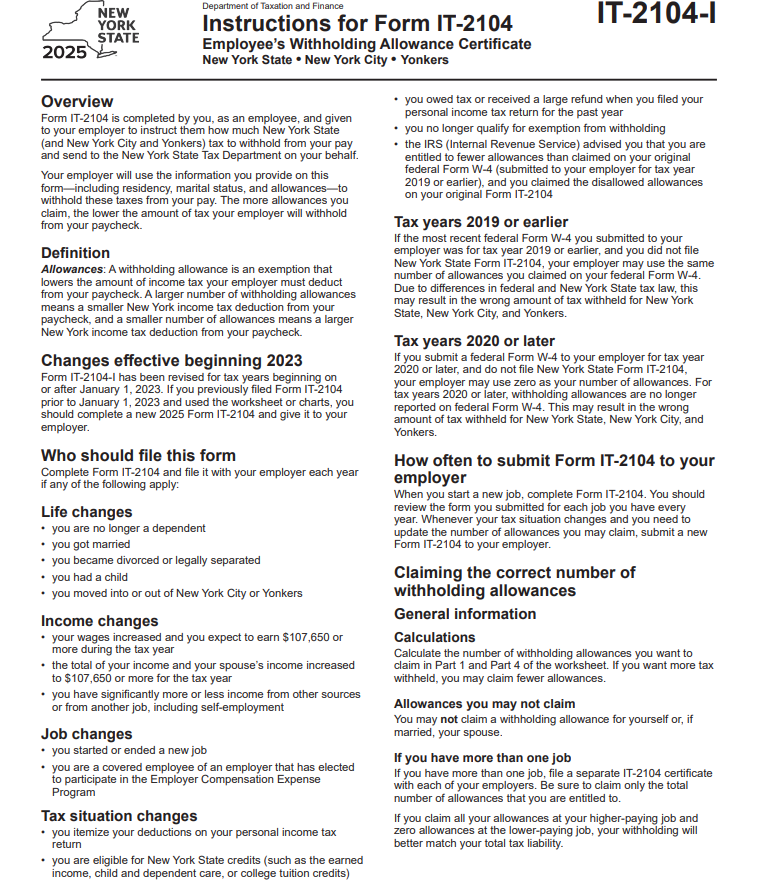
When planning an extended stay or a business relocation to New York State, travelers and professionals often encounter the term “allowances.” In the context of Accommodation, this term refers to the various financial and logistical provisions made to ensure that long-term stays—whether for work or extended leisure—are managed effectively within the state’s complex real estate and tax framework. Understanding these allowances is critical for anyone looking to navigate housing, tax obligations, and living expenses in iconic destinations ranging from the bustling streets of New York City to the serene landscapes of the Catskill Mountains.
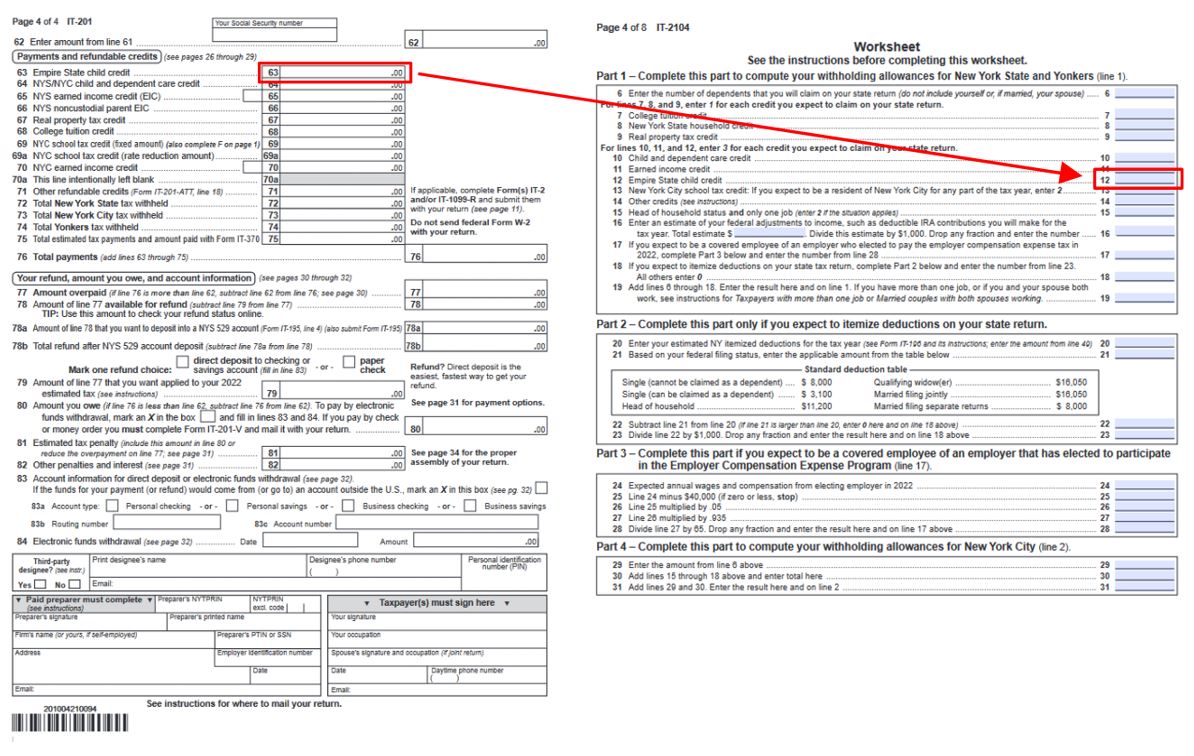
Defining the Scope of Housing and Living Allowances
In the realm of long-term travel and professional relocation, an “allowance” is generally a structured financial benefit provided to cover the gap between standard living costs and the specific economic realities of a high-cost region. When moving to a place like Manhattan or Brooklyn, the cost of living index significantly exceeds national averages.
Corporate Relocation and Subsistence
For professionals moving for business, many organizations provide “housing allowances.” These are stipends intended to bridge the cost difference for rental properties, including luxury apartments or serviced suites. In New York State, these allowances are often calculated based on the specific borough or county. A housing allowance in Albany will look drastically different from one in The Hamptons, where seasonal demand dictates a much higher price point for short-term and mid-term housing.
Tax Implications for Non-Residents
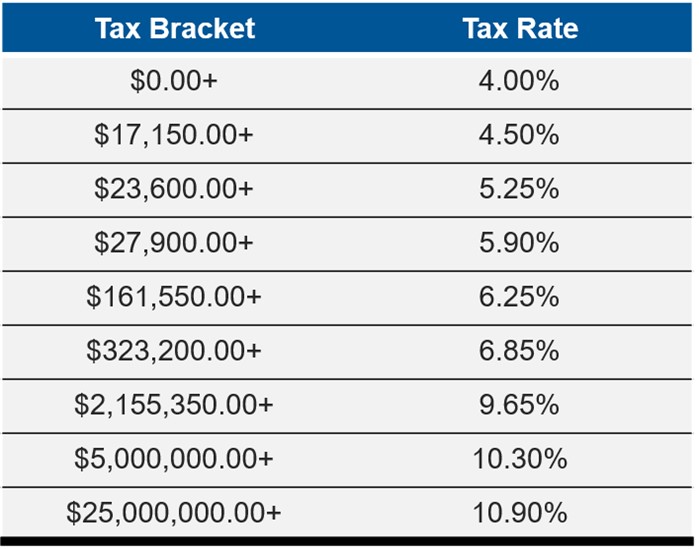
It is crucial to recognize that “allowances” can also refer to tax deductions for those maintaining a secondary residence. If you are an individual living in New Jersey or Connecticut but working within the United States, New York State tax law treats “allowances” and “reimbursements” with specific scrutiny. Establishing “statutory residency” often hinges on whether your accommodations are considered a permanent place of abode, which can trigger tax liabilities regardless of where you spend the majority of your time.
Navigating Accommodation Choices in New York State
When securing a stay, the type of housing you select dictates the allowances you might qualify for or require. The state offers a diverse range of living environments, each with its own logistical hurdles.
Urban Suites vs. Rural Estates
In urban centers like Buffalo or Rochester, professional travelers often opt for serviced apartments. These properties usually come with built-in allowances in the form of utility packages, high-speed internet, and security services. When you book a stay in a place like the The Plaza Hotel, you are essentially paying for an all-inclusive experience where the “allowance” for maintenance is baked into the room rate.
Conversely, those looking for a long-term retreat in the Adirondacks or Lake Placid may find that housing allowances are used primarily for property maintenance, heating, and snow removal. These costs are significant in the northern reaches of the state and are often treated as distinct line items in rental agreements for seasonal occupants.
Long-Term Stay Comparison
When comparing options, consider the following checklist to determine if your accommodation provides the necessary amenities to keep your total “all-in” cost low:
- Utility Inclusion: Does the lease include water, electricity, and high-speed fiber internet?
- Tax Documentation: Is the property registered for corporate billing, which may provide tax-exempt benefits for qualified government or educational travelers?
- Proximity Premiums: Are you paying a premium for proximity to transit hubs like Grand Central Terminal? If so, calculate if your transportation allowance offsets this expense.
Strategic Financial Planning for Extended Stays
Managing your finances while living in New York State requires a nuanced approach to how you classify your housing expenses. Whether you are a digital nomad, a consultant, or a family relocating for a gap year, the structure of your accommodation budget defines your quality of life.
The Role of Serviced Apartments
For those who want to avoid the headache of local utility contracts and real estate taxes, serviced apartments are the most popular choice. In districts like SoHo or Tribeca, these spaces serve as a turnkey solution. By opting for a serviced residence, you effectively shift the burden of “allowance management” to the property management company. This is a common strategy for international visitors who may not have a credit history in the United States and therefore cannot easily establish local utility accounts.
Seasonal Fluctuations and Budgeting
New York State experiences extreme seasonal variation in both weather and pricing. A housing allowance set in January will rarely hold true for the peak summer months. If you are planning an extended stay, always negotiate a “seasonal adjustment clause” into your contract. This ensures that when peak tourism periods drive up local prices, your financial allowances scale accordingly, protecting you from sudden spikes in rent or service fees.
Local Culture and Cost of Living
Living like a local involves understanding the hidden costs beyond just rent. For example, if you are staying in Saratoga Springs during the racing season, your food and entertainment allowance should reflect the heightened demand of the local economy. Similarly, in Ithaca, living costs are driven by the academic calendar of Cornell University. Planning your allowances around these local cultural anchors is the key to maintaining a budget without sacrificing the luxury or convenience of your stay.
Summary of Best Practices for Relocation
To wrap up the concept of New York State allowances, remember that these provisions are designed to protect the professional integrity of your move. Whether you are seeking a luxury villa in the Hudson Valley or a studio in Queens, the goal is to align your financial resources with the local market conditions.
- Prioritize Transparency: Always clarify with your employer or financial planner what the housing allowance covers. Does it include local taxes? Does it account for high-speed connectivity?
- Understand Statutory Rules: Keep accurate records of your days spent in the state if you have a primary residence elsewhere to avoid unexpected tax audits.
- Choose the Right Accommodation: Leverage the convenience of professional property management firms if you want to avoid the administrative burden of handling individual service allowances.
- Monitor Seasonal Impacts: If your stay crosses multiple seasons, ensure your budget accounts for the inherent fluctuations in local pricing, particularly in destination areas like The Finger Lakes.
By treating your housing and living arrangements as a strategic financial investment rather than just a place to sleep, you can enjoy all that New York State has to offer while keeping your fiscal health in perfect balance. Whether you find yourself exploring the galleries of Chelsea or hiking the trails of Bear Mountain, proper planning ensures that your focus remains on the experience rather than the logistics of your stay.
LifeOutOfTheBox is a participant in the Amazon Services LLC Associates Program, an affiliate advertising program designed to provide a means for sites to earn advertising fees by advertising and linking to Amazon.com. Amazon, the Amazon logo, AmazonSupply, and the AmazonSupply logo are trademarks of Amazon.com, Inc. or its affiliates. As an Amazon Associate we earn affiliate commissions from qualifying purchases.