
The New York Strip steak is an icon of American culinary tradition, a cut celebrated for its perfect balance of flavor and tenderness. Often associated with the high-end steakhouse culture found in New York City, mastering this protein in a home kitchen is a quintessential skill for any food enthusiast. Whether you have sourced your meat from a local butcher in Chicago or picked up a premium grade from a specialty market, the pan-searing method remains the gold standard for achieving that elusive, restaurant-quality crust.
Selecting and Preparing the Perfect Cut
Before the heat even hits the pan, the journey to a perfect steak begins with selection and preparation. The quality of your raw material dictates the final experience, much like choosing the right neighborhood in San Francisco dictates the vibe of your stay.
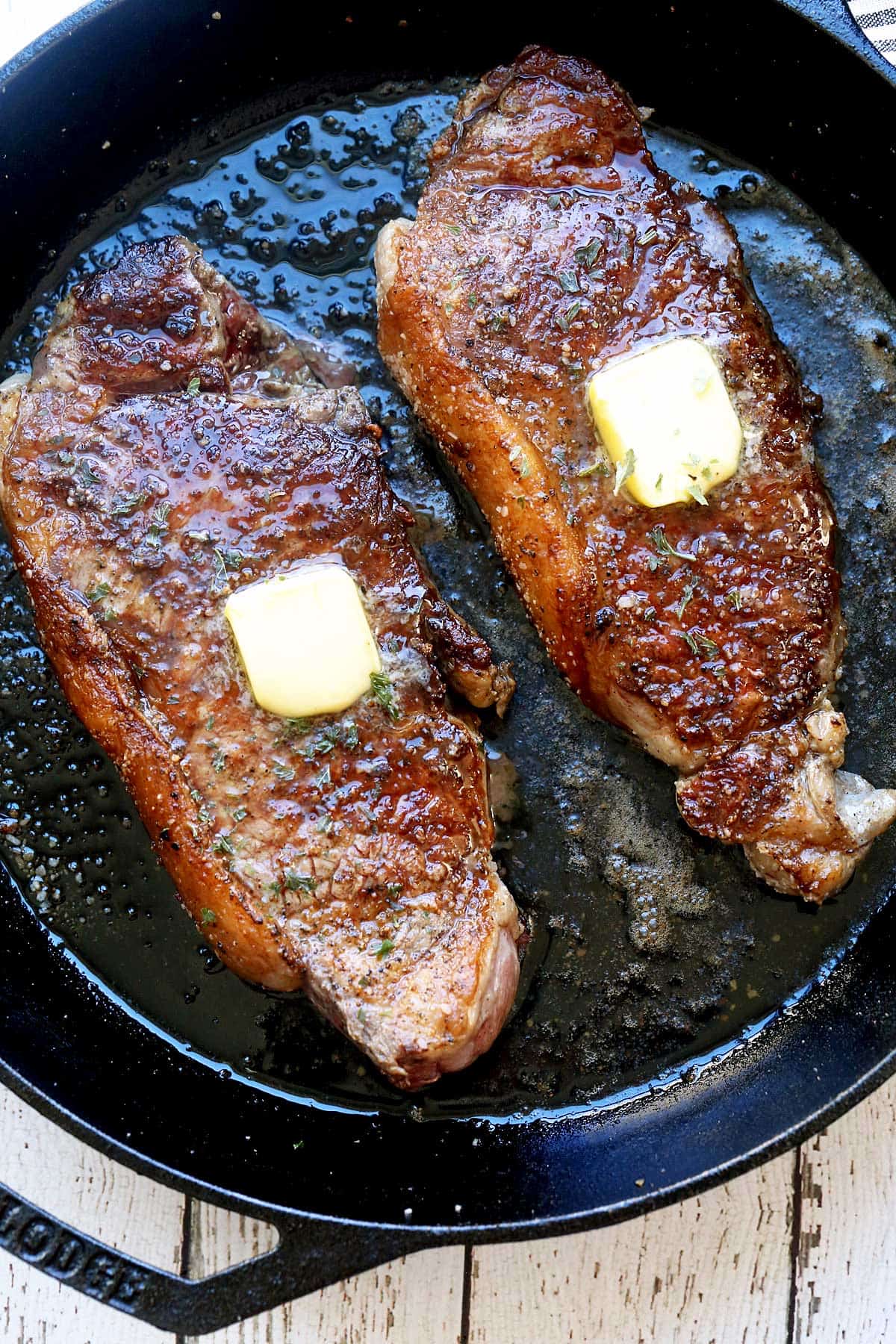
Choosing Your Steak
When browsing at the butcher, look for a “New York Strip” that features significant marbling—the thin, web-like streaks of intramuscular fat. This fat is essential for basting the steak while it cooks, providing the moisture and richness that defines a great strip. Prime grade is ideal, but a high-quality Choice grade can yield incredible results if selected with care. Thickness is equally vital; aim for at least an inch to an inch-and-a-half. A steak that is too thin will overcook in the middle before a proper crust develops on the exterior.
The Importance of Tempering
Cold meat is the enemy of a good sear. If you throw a steak straight from the refrigerator into a hot skillet, the temperature of the pan will drop significantly, leading to uneven cooking and grey, steamed meat rather than a deep, mahogany crust. Remove your steak from the fridge at least 30 to 45 minutes before you intend to cook. Place it on a plate, pat it thoroughly dry with paper towels, and allow it to reach room temperature. Moisture on the surface of the steak is the primary obstacle to browning, so do not skip the pat-down step.
Mastering the Pan-Sear Technique
Cooking a New York Strip is an exercise in heat management. While some might prefer the smoky depth of an outdoor grill found at a resort in Miami, the pan-searing method offers precise control that is unmatched in a home kitchen environment.
Choosing the Right Equipment
For the best results, use a heavy-bottomed pan. A cast-iron skillet is the industry standard because of its superior heat retention. If you are preparing a meal for guests in a kitchen as sophisticated as those found in London, a seasoned cast-iron skillet will be your most reliable tool. It distributes heat evenly and maintains a high temperature even when a cold piece of meat is introduced to the surface. Stainless steel is a suitable secondary option, but avoid non-stick pans, as they cannot handle the high smoke points required for a proper sear.
The Sear Process
- Heat the Pan: Place your skillet over high heat. Add a tablespoon of high-smoke-point oil, such as grapeseed, avocado, or canola oil. Wait until the oil begins to shimmer and produce faint wisps of smoke.
- Seasoning: Liberally season all sides of the steak with kosher salt and freshly cracked black pepper immediately before it hits the pan. Do not season too early, as salt draws moisture out of the meat.
- The Sear: Carefully place the steak into the pan away from you to avoid oil splatters. Let it sit undisturbed for about 3 to 4 minutes. You are looking for a deep, dark brown crust. If you try to flip it too early, the steak will stick; once the crust is formed, the meat will naturally release from the surface.
- The Flip: Turn the steak over and sear the second side for another 3 minutes. Do not forget to sear the fat cap on the edge of the strip by holding the steak vertically with tongs for 30–60 seconds, which renders the fat and creates a delicious, crispy rind.
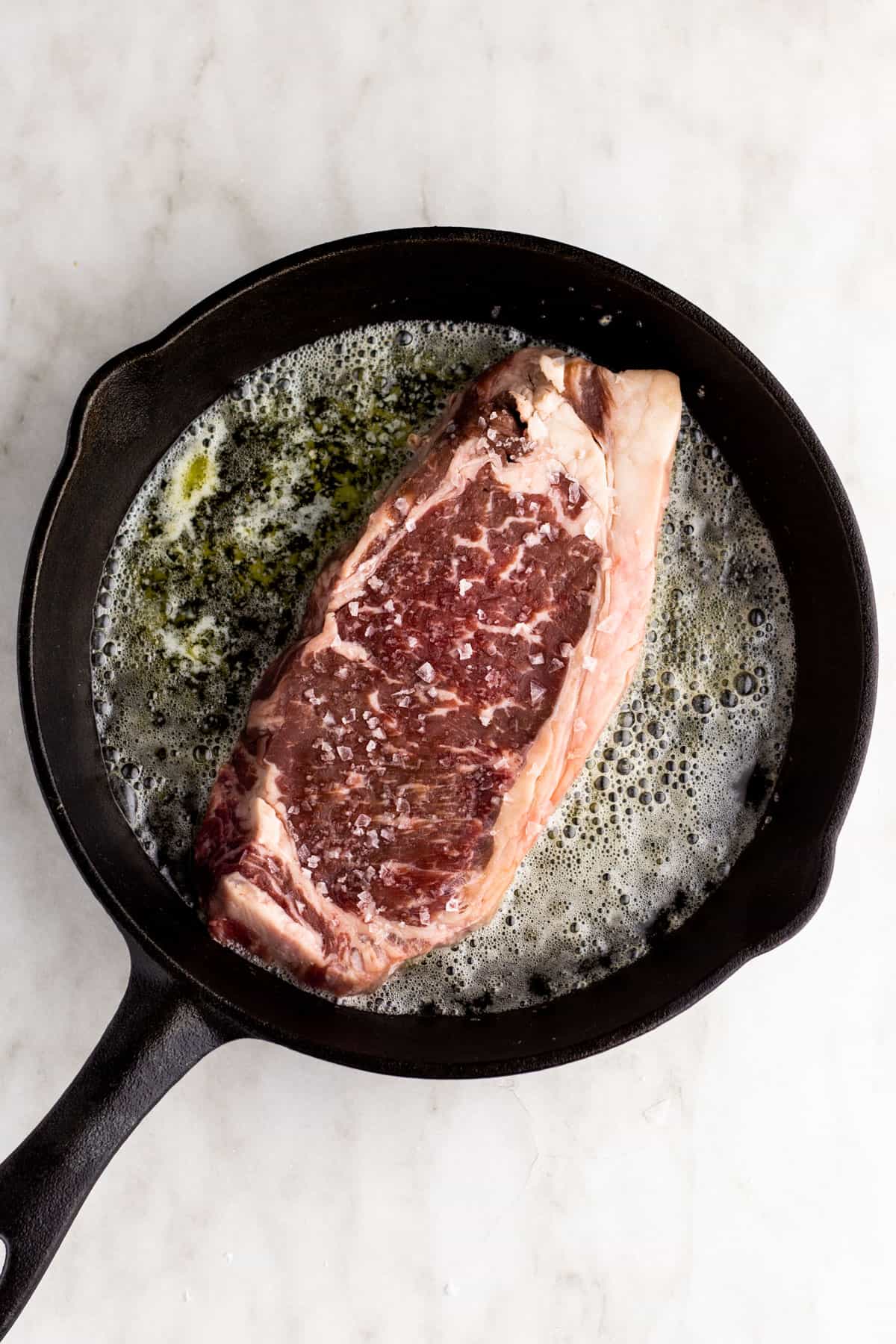
The Art of Basting and Resting
Once you have achieved the exterior crust, the final steps are what elevate a simple steak to a culinary masterpiece worthy of a dining experience in Paris.
The Butter Baste
In the final two minutes of cooking, reduce the heat to medium-low. Add two tablespoons of unsalted butter, three crushed cloves of garlic, and a sprig or two of fresh thyme or rosemary to the pan. As the butter melts and foams, tilt the pan slightly and use a large spoon to continuously bathe the steak in the aromatic, hot butter. This process, known as arroser, adds a luxurious depth of flavor that penetrates the crust and makes the meat incredibly succulent.
Checking for Doneness
Avoid the “poke test,” which is unreliable for most home cooks. Instead, use an instant-read meat thermometer to ensure accuracy. For a New York Strip, these temperatures are the gold standard:
- Rare: 120°F (49°C)
- Medium-Rare: 130°F (54°C) — The recommended level to preserve the texture of the strip.
- Medium: 140°F (60°C)
Remember that the internal temperature will continue to rise by about 5 degrees after the meat is removed from the heat.
The Rest Period
This is the most critical step, yet it is the one most often overlooked. Once the steak reaches your target temperature, transfer it to a cutting board or a warm plate. Tent it loosely with aluminum foil and let it rest for at least 8 to 10 minutes. During this time, the muscle fibers relax and the juices, which were driven toward the center by the high heat, redistribute throughout the meat. If you slice into the steak too early, all those flavorful juices will run onto the board, leaving you with a dry, disappointing piece of meat.
Serving and Pairing Suggestions
A New York Strip cooked to perfection stands on its own, but context matters. Just as the atmosphere of a luxury hotel in Tokyo enhances your travel experience, the right accompaniments enhance the steak.
Slicing the Meat
When the steak has finished resting, slice it against the grain. Look for the direction the muscle fibers are running and cut perpendicular to them. This shortens the fibers, making each bite significantly more tender. Serve the slices fanned out on a warm plate, perhaps drizzled with a small amount of the pan juices collected on your cutting board.
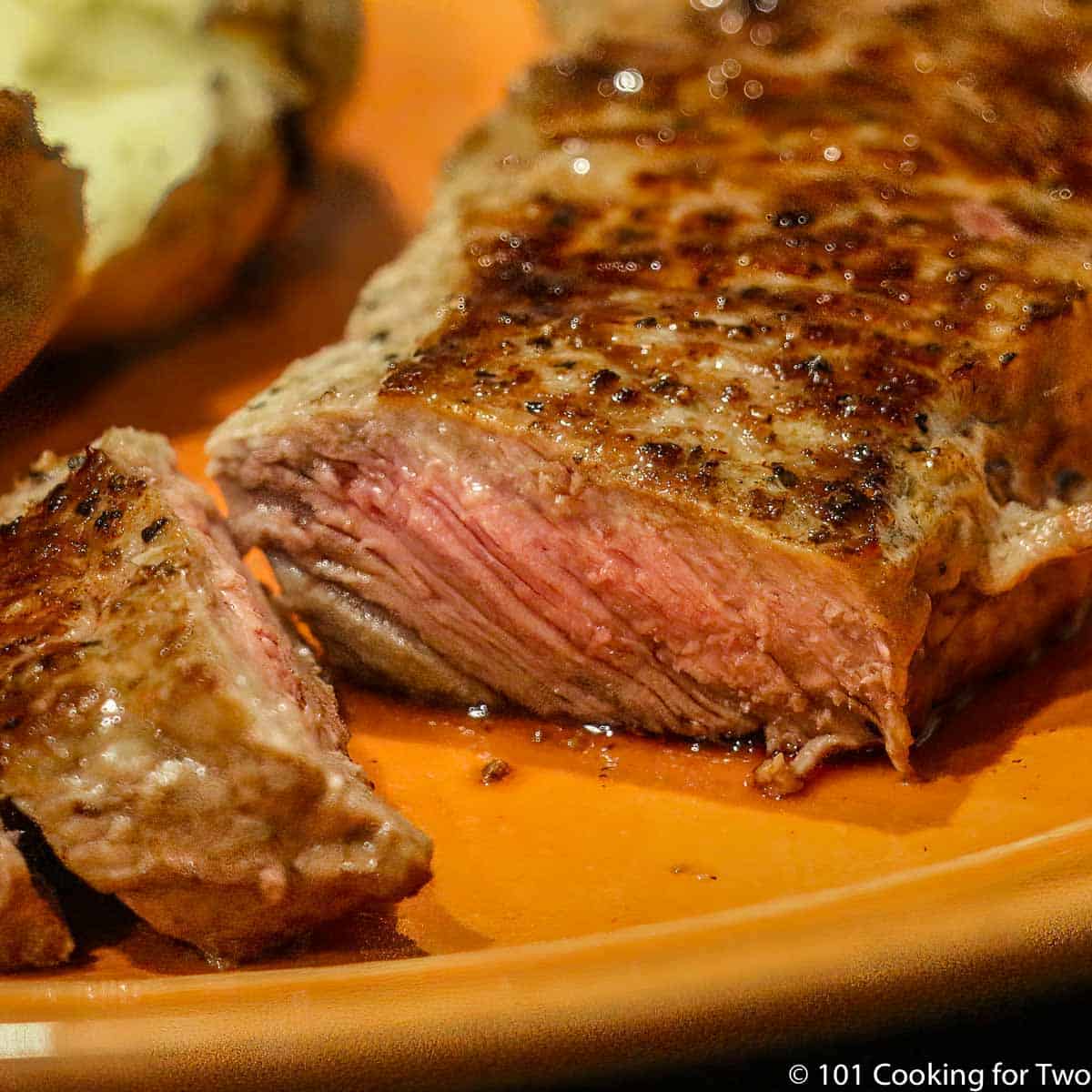
Complementary Sides
Pair your steak with elements that cut through the richness of the beef. A bright, acidic salad with a vinaigrette dressing provides a refreshing contrast, much like the fresh markets in Rome. Alternatively, classic steakhouse sides like roasted asparagus, creamed spinach, or a crispy, salt-crusted baked potato provide a comforting foundation.
By following these professional techniques, you can transform a simple cut of meat into a dining event that captures the essence of refined culinary tourism. Whether you are cooking for a quiet night in or hosting a sophisticated dinner party, the skill of pan-searing a New York Strip is a rewarding pursuit that celebrates the artistry of food, grounding your kitchen in the same high standards found in the world’s greatest culinary destinations.
LifeOutOfTheBox is a participant in the Amazon Services LLC Associates Program, an affiliate advertising program designed to provide a means for sites to earn advertising fees by advertising and linking to Amazon.com. Amazon, the Amazon logo, AmazonSupply, and the AmazonSupply logo are trademarks of Amazon.com, Inc. or its affiliates. As an Amazon Associate we earn affiliate commissions from qualifying purchases.