
Visiting New York City during the winter months is a bucket-list experience for many. From the ethereal glow of holiday lights in Midtown Manhattan to the crisp, bracing air of Central Park under a dusting of snow, the city transforms into a cinematic landscape. However, the biting winds that whip between the skyscrapers of the Financial District and the damp chill that permeates the Subway platforms require more than just aesthetic choices—they require a strategic approach to dressing. To fully enjoy your time exploring the United States, you must master the art of urban winter survival.
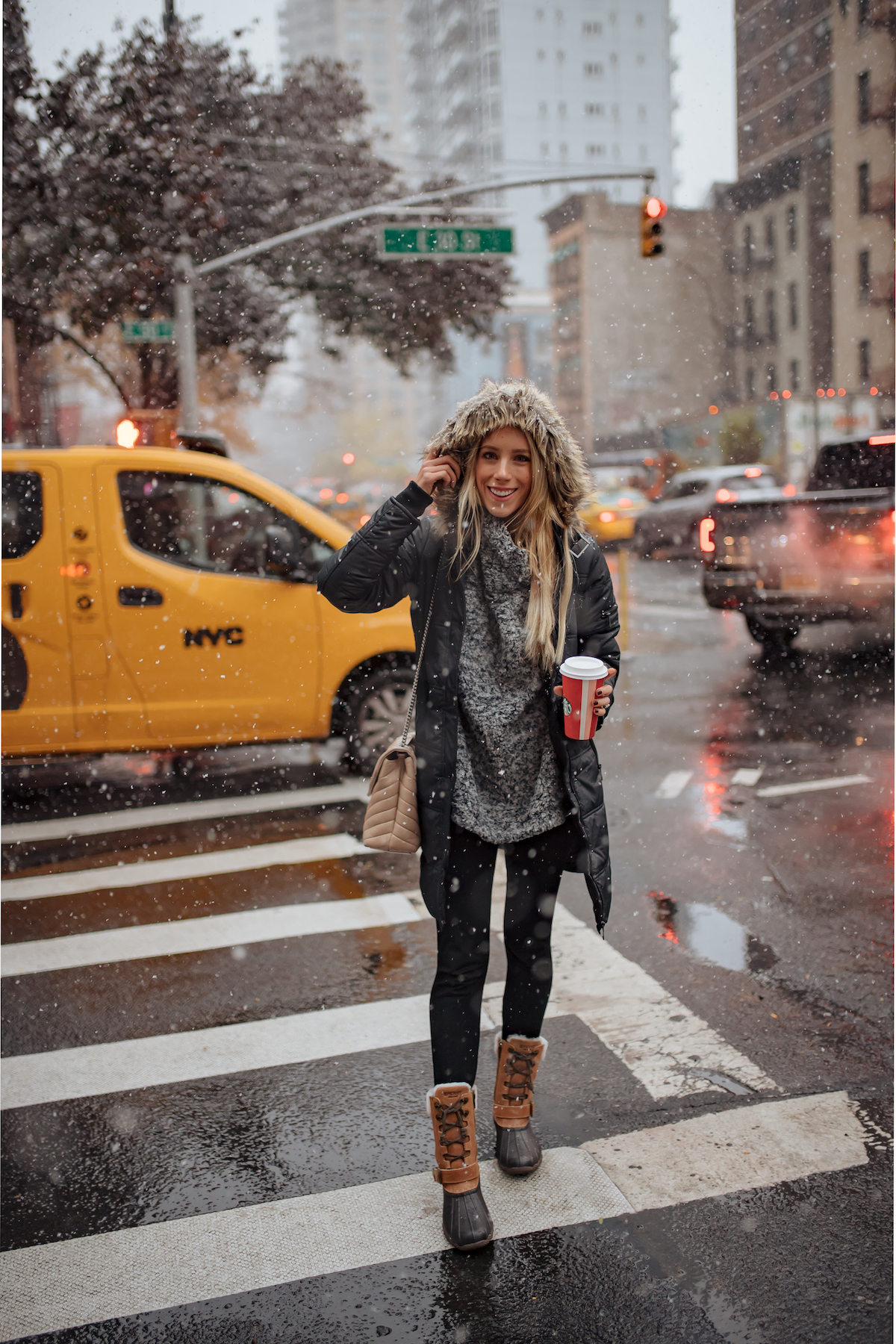
The Strategy of Layering: Surviving the Concrete Canyon
The secret to conquering a New York winter is not found in a single, heavy garment, but in a sophisticated layering system. Temperatures can fluctuate wildly, dipping well below freezing at night and rising slightly during the peak of a sunny afternoon.
The Base Layer: Your Thermal Foundation
Your base layer is your first line of defense against the elements. Avoid cotton, which retains moisture and will leave you feeling chilled once you step inside a heated museum like the Metropolitan Museum of Art. Instead, opt for high-quality merino wool or synthetic thermal blends. These materials are moisture-wicking and provide essential insulation without adding unnecessary bulk, ensuring you remain comfortable while walking the High Line or browsing the shops in SoHo.
The Mid-Layer: Insulation and Versatility
Your mid-layer is where you can infuse personality into your outfit while maintaining functionality. A lightweight cashmere sweater or a technical fleece serves as an ideal insulator. The goal here is trapped air, which creates a thermal barrier. If you plan on visiting the Empire State Building observatory, you will appreciate the added warmth of a stylish, chunky-knit cardigan or a tailored wool vest that can be easily removed or added depending on your proximity to the heating systems found in most indoor establishments.
Outerwear: Combining Function with Big City Style
In New York, your coat is often the only thing people will see of your outfit, making it the most critical investment in your winter wardrobe. While a pea coat offers a classic, sharp silhouette perfect for dinner in Greenwich Village, it may not provide enough protection against the icy gusts near Battery Park.
The Parka Advantage
For the coldest days, a long, insulated, and wind-resistant parka is non-negotiable. Look for coats that fall at least to the mid-thigh or knee. A longer hemline prevents heat from escaping your core and provides an extra layer of protection when sitting on public transit or grabbing a coffee in Brooklyn. Features such as deep, fleece-lined pockets and a sturdy, adjustable hood are essential for protecting your face and hands when the wind-chill factor drops rapidly.
The Importance of Outer Shells
If you are traveling in early winter, when rain or sleet is more common than heavy snow, a water-resistant shell is preferable to a heavy wool coat. Consider a parka that features a removable liner, providing you with the flexibility to adapt to changing weather conditions as you traverse the different boroughs.
Footwear: Navigating Snowy Sidewalks and Slush
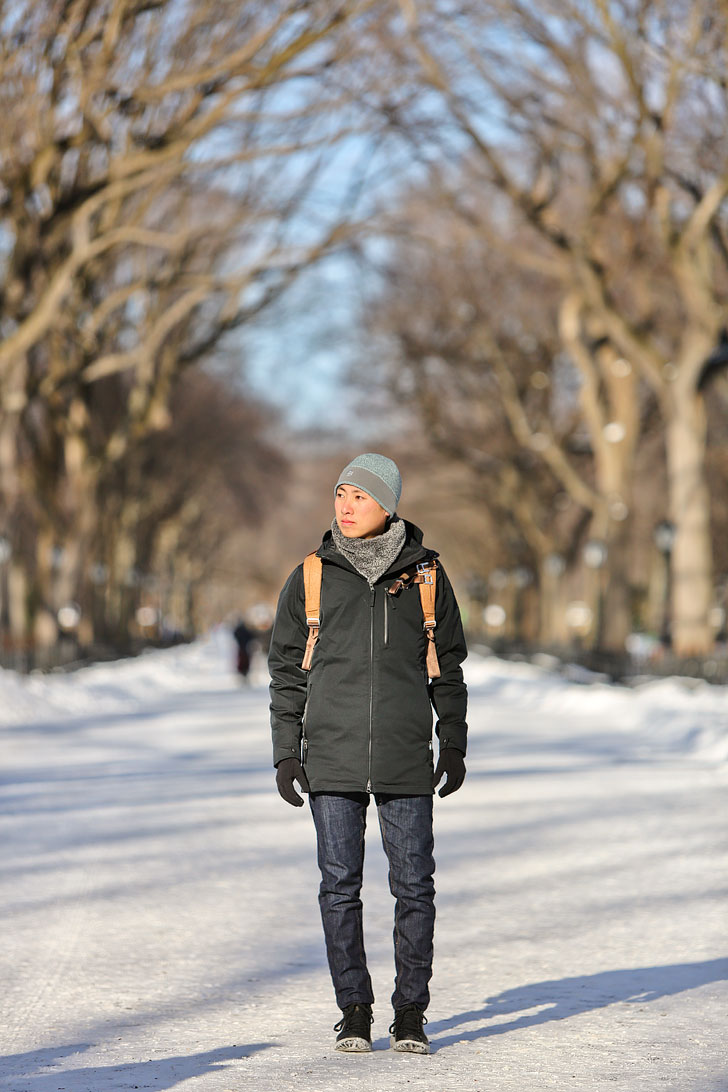
Footwear is where most winter travelers in the Big Apple fail. Navigating Times Square in fashionable but impractical shoes is a quick way to ruin your trip. You will likely walk several miles per day, often encountering slushy intersections and frozen puddles.
Waterproofing is Paramount
Your primary pair of boots should be waterproof, durable, and comfortable. Leather chelsea boots treated with a water-repellent spray are a stylish choice for an evening at Lincoln Center, but they may not offer the traction needed for icy sidewalks. For daytime exploration, opt for a sturdy lace-up boot with a thick rubber sole. A solid tread is essential for maintaining your balance on slick surfaces, and a wider fit will allow you to wear thick, wool socks—the ultimate secret to happy, warm feet.
The Sock Selection
Do not underestimate the power of high-quality socks. Merino wool socks are the industry standard for a reason; they provide excellent cushioning for long walks through the Lower East Side while keeping your toes dry and warm. Carrying a spare pair in your bag is a pro tip that can save your day if you happen to step into a hidden slush puddle.
Accessories: The Final Barrier Against the Cold
Accessories are the functional finishing touches that complete your winter ensemble. In Manhattan, they are as much a fashion statement as they are a utility.
Protecting Extremities
When the temperature drops, heat loss through your head and hands becomes your biggest challenge. A high-quality wool or cashmere beanie that covers your ears is vital. For gloves, choose leather options with a cashmere or fleece lining that remain compatible with touchscreen devices; you will want to use your phone to navigate toward Rockefeller Center or capture photos of the city skyline without having to expose your bare skin to the freezing air.
The Scarf as a Multi-Tool
A large, oversized scarf is perhaps the most versatile item you can pack. Beyond just keeping your neck warm, it can be draped over your shoulders for extra warmth inside a chilly restaurant or folded to provide cushioning when you sit down for a performance. Choose a natural fiber like wool or cashmere, as these are significantly better at retaining heat than synthetic materials.
Dressing for the Occasion: Evening and Indoor Transitions
New York City’s social life remains vibrant even in the depths of January and February. Transitioning from the freezing streets to an overheated jazz club in Harlem requires careful planning.
The “Layer-Drop” Method
The most successful travelers utilize the “layer-drop” method. Ensure that the clothes underneath your heavy coat are presentable and stylish on their own. By wearing a sleek turtleneck or a crisp button-down shirt paired with tailored trousers or dark denim, you will feel confident removing your parka upon entering a restaurant or gallery.

Avoiding Bulk
While it is tempting to wear your thickest items to save luggage space, remember that NYC is a city of transit and walking. Excess bulk will become a burden as you navigate the narrow aisles of the Museum of Modern Art or wait in line for a famous slice of pizza. Focus on sleek, high-insulation materials like thin thermal layers and high-loft down vests rather than oversized, heavy sweaters. By adhering to these principles of layering, footwear utility, and weather-appropriate material selection, you will ensure that your visit to the city is defined by discovery rather than discomfort.
LifeOutOfTheBox is a participant in the Amazon Services LLC Associates Program, an affiliate advertising program designed to provide a means for sites to earn advertising fees by advertising and linking to Amazon.com. Amazon, the Amazon logo, AmazonSupply, and the AmazonSupply logo are trademarks of Amazon.com, Inc. or its affiliates. As an Amazon Associate we earn affiliate commissions from qualifying purchases.