
While most travelers associate New York with bustling city streets, towering skyscrapers, and iconic landmarks like the Empire State Building, the region’s geological history is far more nuanced than its urban facade suggests. Though not located near major tectonic plate boundaries, the metropolitan area is not entirely immune to seismic activity. Understanding the history of tremors in this famous region provides a fascinating glimpse into the natural forces that shape the geography of the United States.
Understanding the Seismic History of the Northeast
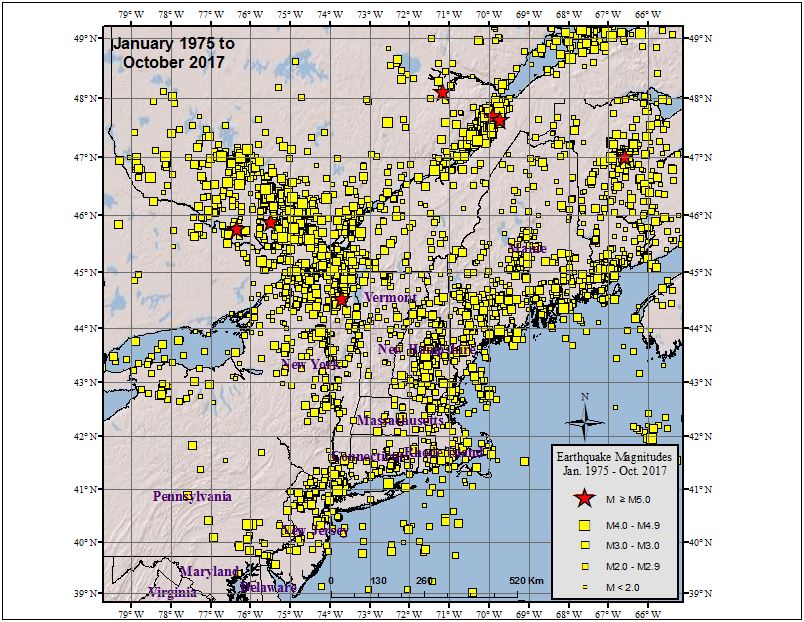
The Northeast region of the United States is characterized by intraplate seismicity, meaning earthquakes occur away from the edges of tectonic plates. Unlike California, where shifting plates are a constant reality, seismic activity in New York is often attributed to ancient, deeply buried fault lines. These geological scars remain from historical tectonic shifts that occurred hundreds of millions of years ago, long before the city became the global icon it is today.

Major Historical Events
For centuries, New York has experienced minor to moderate tremors. Records dating back to the colonial era indicate that while catastrophic earthquakes are rare, the “City That Never Sleeps” has had its fair share of rattles. For instance, in 1737 and 1884, significant shakes were felt across the region. These historical markers serve as a reminder that the bedrock beneath Manhattan is part of a complex, albeit relatively quiet, geological system.
Why The City Often Feels Stable
The primary reason for the lack of frequent, large-scale seismic events is the composition of the earth itself. The region sits atop a massive, stable piece of the earth’s crust known as a craton. This dense, solid foundation generally absorbs and dissipates energy more effectively than the fragmented landscapes found in more active seismic zones. However, this dense rock also allows earthquake waves to travel much farther than they would in other parts of the world, meaning a tremor in New Jersey or Pennsylvania can often be felt distinctly across New York City.
The Recent Seismic Activity: Putting Rumors to Rest
The question of when the last earthquake occurred often surfaces following a sudden jolt, a falling picture frame, or a viral social media trend. In recent years, residents and visitors alike have been startled by minor events that serve as a stark reminder of the earth’s volatility.
The April 2024 Event
In early April 2024, a notable tremor originating in New Jersey—specifically near Lebanon—sent shockwaves through the entire tri-state area. With a magnitude of approximately 4.8, it was one of the most widely felt seismic events in the region in several decades. The quake was felt from Boston down to Baltimore, causing temporary panic in New York City and leading to brief interruptions in transit services and building operations.

Public Perception vs. Geological Reality
Despite the widespread media coverage and the collective shock of millions, the 2024 event was classified by geologists as a moderate earthquake. For a city defined by its rigid, vertical architecture, these events are significant not because of structural damage, but because of the sheer disruption they cause to the daily rhythm of the metropolitan area. The event underscored the importance of preparedness, even in regions where earthquakes are not a daily concern for the average tourist visiting Central Park or the Statue of Liberty.
Geological Resilience and Architectural Safety
One of the most frequent questions from those visiting the East Coast is whether the skyscrapers are designed to withstand such movements. The reality is that the engineering standards in New York City are incredibly stringent, primarily due to the high-density nature of the environment and the variable weather conditions—from Nor’easters to humid heatwaves.
Engineering for Strength
Structures like the Chrysler Building and the One World Trade Center are built with deep foundations anchored into the dense schist that forms the bedrock of Manhattan. This geological advantage provides a natural buffer against seismic vibrations. Furthermore, building codes in New York have evolved over time to incorporate modern standards that account for the potential for wind shear and localized tremors, ensuring that even the most daring architectural feats remain safe.
The Role of Infrastructure Maintenance
The Metropolitan Transportation Authority and other municipal bodies constantly monitor critical infrastructure to ensure that seismic activity does not compromise public safety. Whether it is the Brooklyn Bridge or the vast underground tunnel networks that power the city, engineers utilize sophisticated sensors to track structural integrity. For the casual traveler, this means that while an earthquake may be an unsettling experience, the structural reliability of the city remains one of its most enduring strengths.
Travel Tips for Navigating the Region
For those planning a trip to New York, it is helpful to keep the perspective that while the region has a seismic history, it remains a safe and vibrant destination. The likelihood of experiencing a significant event during a short-term visit is statistically very low.
Staying Informed
If you are visiting North America, it is always good practice to keep abreast of local news. Apps and government weather alerts are the best ways to stay informed about any environmental changes, whether it be a rare tremor or more common weather events. Knowing the basic safety protocols—such as “drop, cover, and hold on”—is a universal travel tip, regardless of your destination.
Focusing on the Experience
Do not let geological trivia keep you from enjoying all that the Big Apple has to offer. Whether you are exploring the Metropolitan Museum of Art or enjoying the views from Top of the Rock, remember that you are walking on land that has stood for millions of years. The occasional shake of the earth is merely a reminder of the dynamic world we live in, serving as a brief pause in the relentless pace of a city that continues to grow and evolve.
While the memory of the April 2024 tremor remains fresh, New York continues to thrive as the center of global culture, finance, and tourism. The earth underneath the city may shift on occasion, but the spirit of the region remains firmly planted, inviting millions of travelers to witness its landmarks and historical majesty year after year. From the towering spires of Midtown to the historic charm of Greenwich Village, the city stands ready to welcome you, regardless of what the tectonic plates might do next.
LifeOutOfTheBox is a participant in the Amazon Services LLC Associates Program, an affiliate advertising program designed to provide a means for sites to earn advertising fees by advertising and linking to Amazon.com. Amazon, the Amazon logo, AmazonSupply, and the AmazonSupply logo are trademarks of Amazon.com, Inc. or its affiliates. As an Amazon Associate we earn affiliate commissions from qualifying purchases.