
The New York Life Building stands as a monument to corporate history and architectural grandeur in the heart of New York City. Located at 51 Madison Avenue, this iconic structure serves as the global headquarters for New York Life Insurance Company. For those interested in the landmarks that define the urban landscape of Manhattan, understanding the significance of this location goes far beyond a simple mailing address. It represents a deep-seated connection to the financial district’s evolution and the architectural narrative of the early 20th century.
Architectural Significance and Historical Context
When exploring the architectural heritage of the United States, few buildings command the visual respect of the New York Life Building. Designed by the renowned architect Cass Gilbert—who also famously designed the Woolworth Building—this edifice is a masterclass in Gothic Revival style integrated into a massive skyscraper frame.

The Construction Era
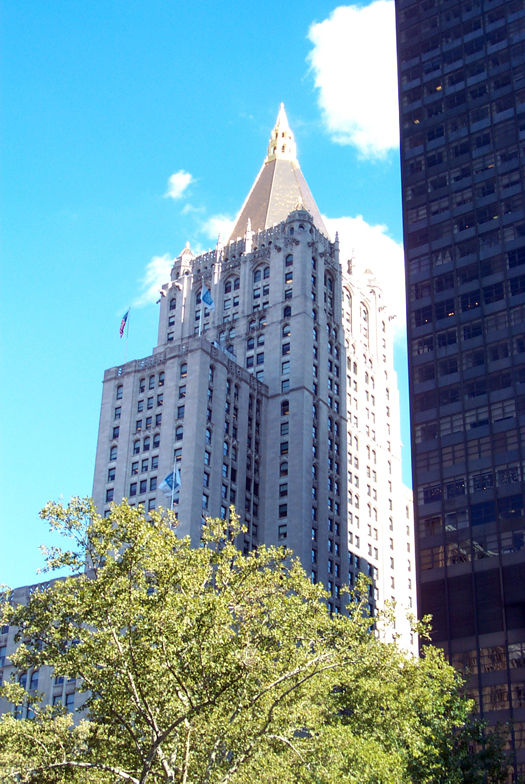
Completed in 1928, the building replaced the original Madison Square Garden, a site that held significant cultural importance during the Gilded Age. The New York Life Insurance Company sought a headquarters that reflected their stability and prestige. By opting for a design that incorporated intricate stone carvings, gargoyles, and a distinctive gilded pyramid roof, they ensured that their office would become a permanent fixture in the skyline of New York.
Design Features and Aesthetic Appeal
Visitors walking through the Flatiron District often stop to marvel at the exterior of the building. The limestone façade, punctuated by majestic arched windows and an impressive entrance, exemplifies the transition from classical ornamental architecture to the more streamlined corporate structures that would dominate later decades. The top of the building, covered in gold leaf, catches the sunlight and serves as a navigational beacon, marking its place firmly within the dense urban fabric of New York City.
The Location: A Prime Spot in Manhattan
The headquarters of New York Life Insurance Company is not merely a place of business; it is strategically positioned in a historic neighborhood known for its transition from commercial hubs to vibrant cultural corridors. Situated facing Madison Square Park, the building benefits from a green oasis that breaks up the rigid grid of the city.
Accessing the Headquarters
For individuals planning to visit or simply walk by the headquarters, the address 51 Madison Avenue is exceptionally accessible via public transit. The proximity to Subway lines at 23rd Street station makes it a centerpiece of the Flatiron District. Whether one is commuting for business or engaging in a tour of local landmarks, the site is perfectly integrated into the pulse of the city.

Surrounding Landmarks and Urban Environment
Being in this section of New York places the visitor in the middle of a significant architectural timeline. Just a short walk away is the Flatiron Building, a triangular marvel that shares the neighborhood’s identity. The area surrounding Madison Square Park has long been a hub for industry, innovation, and culture, solidifying the headquarters’ position not just as a financial office, but as a silent participant in the daily life of Manhattan.
Preserving the Legacy of a Corporate Landmark
The longevity of the New York Life Building is a testament to the preservation efforts that continue to define the history of New York City. Maintaining a historic structure of this scale requires careful balancing of modern utility with the conservation of aesthetic integrity.
The Role of Landmark Designation
The building has been designated as a New York City Landmark, which ensures that its exterior appearance remains protected from radical alterations. This designation allows future generations to appreciate the intricate details, such as the limestone textures and the iconic gilded roof, which contribute to the unique identity of the Flatiron District. Preservation is not merely about maintenance; it is about keeping the architectural story of the United States alive and visible to the public.
Balancing Business and Tourism
While 51 Madison Avenue functions as a bustling corporate hub, the building is frequently admired by architecture enthusiasts and tourists. It remains a prime example of how corporate headquarters can serve as architectural pillars within a major metropolis. Visitors frequently document the building from the vantage point of Madison Square Park, as the open space provides the best perspective of the building’s sheer height and the complexity of its design. By housing their operations in such a storied location, the New York Life Insurance Company continues to signal its deep roots in the history of commerce in New York.
Exploring the Cultural Landscape of the District
The area surrounding the New York Life Building is a microcosm of the city’s broader transformation. As one traverses Manhattan, the juxtaposition between the historic gothic styling of the 1920s and the glass-forward architecture of the current era becomes evident.
The Evolution of Madison Square
Throughout history, Madison Square Park has been a site for both civic activity and refined urban leisure. The headquarters sits right on the edge of this development. Visitors who come to view the architecture are also treated to the vibrant culture of the neighborhood, which is home to top-tier dining, trendy retail spaces, and a constant flow of pedestrians and commuters.
Why Architecture Enthusiasts Visit
If you are planning a self-guided tour of the most influential landmarks in New York City, the address at 51 Madison Avenue should certainly be on your itinerary. It serves as a transition point between the historic charm of the Flatiron District and the modern energy of surrounding neighborhoods.
By analyzing the facade of this building, one learns about the ambitions of a firm at the height of the early 20th-century financial boom. It is a structure designed to last, a visual representation of “life” in New York, and a must-see location for anyone interested in the built environment of the United States. The legacy of Cass Gilbert remains vibrant here, standing tall against the changing skyline, proving that even in a city as fast-paced as this one, true architectural icons find a way to remain relevant, respected, and remarkably beautiful.
LifeOutOfTheBox is a participant in the Amazon Services LLC Associates Program, an affiliate advertising program designed to provide a means for sites to earn advertising fees by advertising and linking to Amazon.com. Amazon, the Amazon logo, AmazonSupply, and the AmazonSupply logo are trademarks of Amazon.com, Inc. or its affiliates. As an Amazon Associate we earn affiliate commissions from qualifying purchases.