
Embarking on a journey to the sun-drenched shores and vibrant cities of California is an exciting prospect for any traveler. However, one often-overlooked detail that can significantly impact a trip, from flight schedules to dinner reservations, is understanding the local time zone. For those accustomed to the reference point of Greenwich Mean Time (GMT), knowing how California aligns with the global clock is not just a matter of curiosity, but a crucial element for seamless travel planning and a truly enjoyable experience in the Golden State.
California operates predominantly under the Pacific Time Zone. This means it observes Pacific Standard Time (PST) during the colder months and Pacific Daylight Time (PDT) during the warmer months. While GMT historically served as the world’s primary time reference, modern navigation and timekeeping rely more on Coordinated Universal Time (UTC). Nonetheless, GMT is still widely understood and used colloquially, and in practical terms, for most travelers, GMT and UTC can be considered interchangeable when discussing time offsets. Understanding this relationship is key to conquering jet lag, coordinating business calls, and ensuring you don’t miss a moment of your carefully planned itinerary, whether it involves exploring historic landmarks or indulging in the region’s renowned culinary scene.
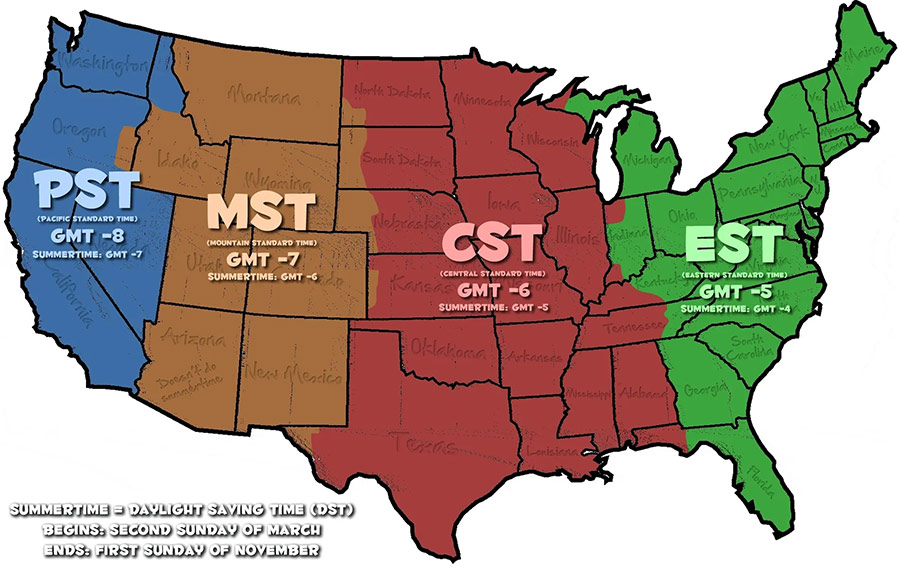
California’s Position on the Global Time Map: PST and PDT
The vast expanse of California means that its rhythm of life is dictated by a single time zone, simplifying planning within its borders but requiring careful consideration for those arriving from afar. Its place on the global time map is defined by its offset from UTC/GMT, a factor that shifts with the seasons.
Decoding Pacific Standard Time (PST)
During the autumn and winter months, specifically from the first Sunday in November to the second Sunday in March, California adheres to Pacific Standard Time (PST). This time zone is observed as UTC-8, meaning it is eight hours behind Coordinated Universal Time (and practically, Greenwich Mean Time).
For instance, if it’s noon (12:00 PM) in London (which is on GMT/UTC during winter), it would be 4:00 AM in Los Angeles. This significant time difference is often the first hurdle for international travelers, demanding adjustments to sleep schedules well before departure. During PST, the days are shorter, with earlier sunsets, which can influence evening activities and the optimal timing for attractions that are best enjoyed in daylight. Planning for travel during this period might mean earlier starts to make the most of the available light for sightseeing or nature explorations, such as a visit to Joshua Tree National Park.
Embracing Pacific Daylight Time (PDT)
As spring approaches, California springs forward into Pacific Daylight Time (PDT). This change occurs on the second Sunday in March and lasts until the first Sunday in November. During PDT, the clocks are moved forward by one hour, making the offset UTC-7. This means California is seven hours behind Coordinated Universal Time and Greenwich Mean Time.
The introduction of PDT brings longer daylight hours, a welcome change that significantly enhances the travel experience, especially for those visiting during the vibrant summer months. Imagine enjoying a leisurely sunset over the Pacific Ocean in Santa Monica at 8:00 PM, or having ample daylight to explore the vineyards of Napa Valley after a morning flight. This adjustment maximizes opportunities for outdoor activities, extending the operational hours of many attractions and allowing for more flexibility in planning evening excursions or late dinners. Travelers should be mindful of the “spring forward” change, as it means losing an hour, which can subtly impact initial schedules and require minor adjustments upon arrival.
A Brief History and the Importance of UTC
The concept of time zones emerged in the 19th century as railway travel made standardized time across vast geographical areas a necessity. Before this, local time was determined by the sun’s position, leading to numerous slight variations from town to town. Greenwich Mean Time was established as the prime meridian (0 degrees longitude) in 1884, providing a global reference point.
However, for scientific precision and due to the slight variations caused by the Earth’s rotation, Coordinated Universal Time (UTC) was introduced in 1960. UTC is a high-precision atomic time standard, offering a more stable and accurate basis for civil timekeeping worldwide. While GMT is often used interchangeably with UTC, especially in casual conversation or when discussing time offsets for travel, UTC is the modern, official standard. For practical travel purposes to California, understanding its offset as either GMT-8 (PST) or GMT-7 (PDT) is perfectly adequate and facilitates straightforward comparisons for flight bookings, hotel check-ins, and coordinating with loved ones back home.
Navigating Time Differences: Practical Advice for California-Bound Travelers
The allure of California is undeniable, but crossing multiple time zones can present challenges. Armed with knowledge of PST and PDT, travelers can strategically plan to minimize the impact of time differences and maximize their enjoyment of the Golden State.
Overcoming Jet Lag: Tips for a Seamless Transition
Jet lag is the physiological disruption caused by rapid travel across time zones, manifesting as fatigue, disorientation, and sleep disturbances. For travelers arriving in California from destinations several time zones away, particularly eastward, proactive measures can make a significant difference.
- Pre-adjust Sleep Schedules: A few days before departure, gradually shift your bedtime and wake-up time towards California’s time zone. Even an hour or two can help.
- Hydrate and Eat Lightly: During your flight, drink plenty of water and avoid excessive caffeine and alcohol, which can exacerbate dehydration and disrupt sleep patterns. Opt for lighter meals.
- Embrace Sunlight: Upon arrival at destinations like San Francisco or San Diego, seek natural sunlight as much as possible, especially in the morning. Sunlight helps regulate your body’s circadian rhythm.
- Stay Active: Gentle exercise, such as a walk along a Santa Monica beach or a stroll through Balboa Park in San Diego, can boost energy levels and aid in adjustment.
- Melatonin and Sleep Aids (with caution): Some travelers find melatonin helpful for regulating sleep. Consult a doctor before using any sleep aids.
- Choose Accommodations Wisely: When selecting hotels or resorts, consider amenities that aid in recovery, such as blackout curtains, comfortable bedding, and quiet rooms. Many luxury resorts, like The Beverly Hills Hotel, offer exceptional comfort to help ease travelers into local time.
Planning Your Itinerary Across Time Zones
The time difference isn’t just about personal well-being; it critically impacts the practical aspects of your trip.
- Booking Flights and Hotels: Always double-check arrival and departure times in local time. A flight departing London at 10 AM might arrive at Los Angeles International Airport (LAX) or San Francisco International Airport (SFO) seemingly within the same day due to the time difference, but in reality, it’s a long journey across many hours. Confirm hotel check-in times to avoid arriving too early or too late.
- Coordination for Business Travelers: For those on business stays in Downtown Los Angeles or Silicon Valley, understanding the time offset is paramount for scheduling meetings, conference calls, and presentations with colleagues in different time zones, especially internationally.
- Scheduling Attractions and Tours: Theme parks like Disneyland Park or Universal Studios Hollywood have strict opening and closing times. Museum visits, wine tasting tours in Napa Valley, or whale watching excursions off the coast of La Jolla all operate on local California time. Factor in the time difference when booking to ensure you arrive punctually and make the most of your scheduled activities.
International Considerations: Connecting California to the World
California’s global appeal means travelers arrive from every corner of the globe. This necessitates a clear understanding of how California’s time zone interacts with various international time zones.
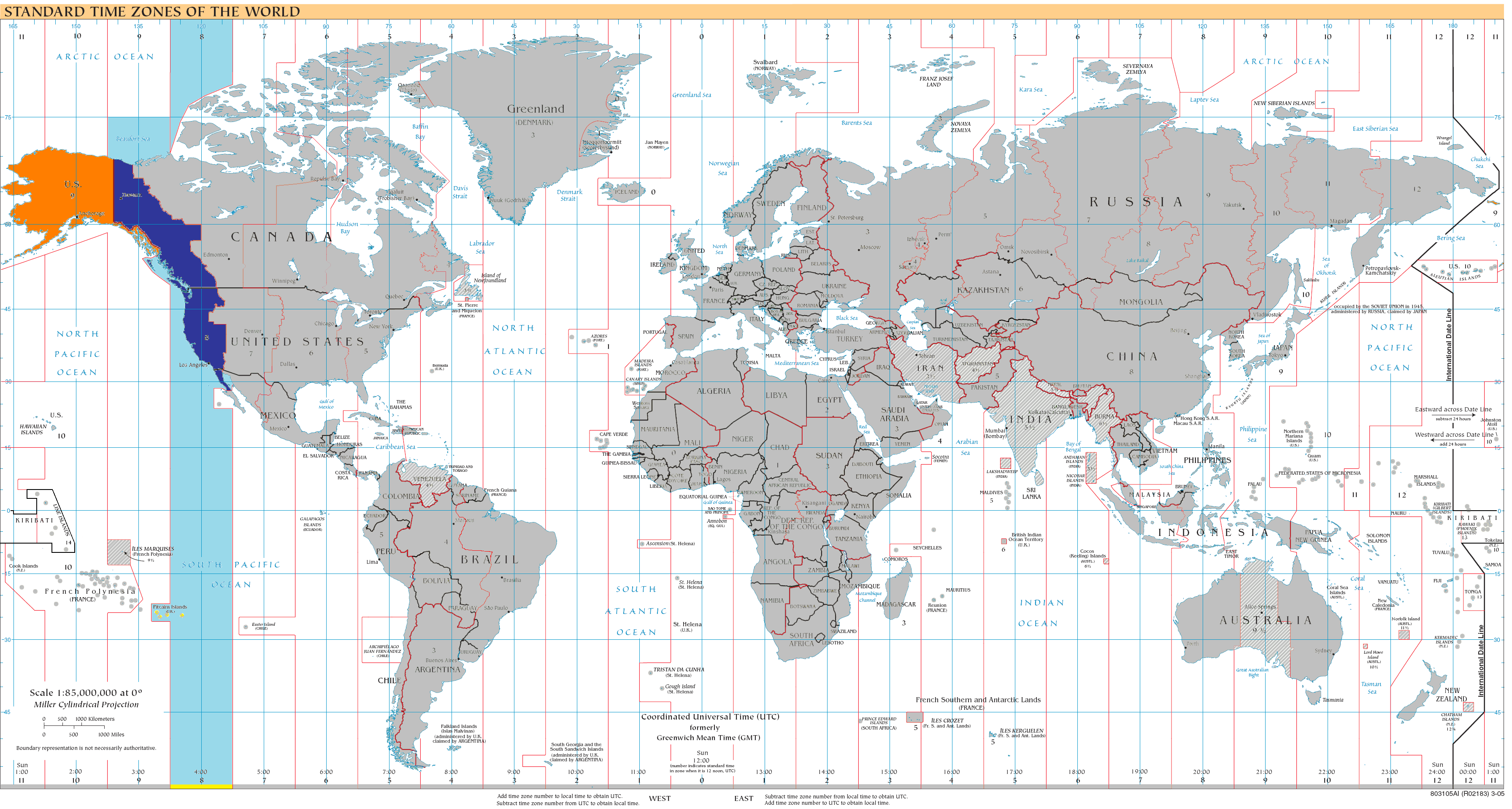
- Example Scenarios: If it’s 3:00 PM in San Francisco (PDT), it’s 11:00 PM in London (BST), and potentially 6:00 AM the next day in many parts of Asia. These significant differences impact everything from coordinating calls with family to monitoring international financial markets or simply wishing someone a happy birthday at the right moment.
- Communication with Home: Being aware of the time difference allows you to call or video chat with family and friends at appropriate hours, avoiding inconvenient interruptions.
- Banking and Online Services: For travelers who need to manage finances or access online services from their home country, understanding the time zone difference is crucial to ensure transactions or inquiries are processed correctly and within operating hours. This seamless connection underscores California’s role as a major hub for travel, tourism, and global commerce.
Experiencing California Through its Time Zones: Destinations and Activities
The temporal rhythm of California isn’t just a technicality; it’s an intrinsic part of the travel experience, influencing everything from the golden hour glow on the Golden Gate Bridge to the vibrant nightlife in Hollywood. Knowing the time zones helps you not just plan, but truly live the California lifestyle.
From Coastal Wonders to Desert Adventures
California’s diverse geography offers an unparalleled array of destinations, each promising unique experiences, all under the same Pacific Time Zone.
- Southern California: The bustling energy of Los Angeles, the relaxed charm of San Diego, and the desert oasis of Palm Springs all thrive on PDT during peak tourist season. The longer daylight hours of PDT mean more time for beach activities in Malibu, extended fun at theme parks, or exploring the dramatic landscapes of Joshua Tree National Park without rushing back before dark. Whether it’s catching a morning surf lesson, touring movie studios, or hiking a desert trail, the extended daylight amplifies the opportunities for adventure and relaxation.
- Northern California: From the iconic fog and hills of San Francisco to the serene vineyards of Napa Valley and the alpine beauty of Lake Tahoe, Northern California offers its own distinct allure. Travelers can enjoy golden hour views of the Golden Gate Bridge well into the evening during PDT, partake in longer wine-tasting tours, or even extend their ski day at Lake Tahoe into the late afternoon during PST. The time zone allows for a full day of exploration, whether it’s delving into the history of Alcatraz Island or savoring farm-to-table cuisine in a picturesque wine country setting.
Accommodation and Lifestyle: Maximizing Your Stay
Your choice of accommodation and how you embrace the local lifestyle are also subtly influenced by the time zone.
- Hotels & Resorts: Selecting a hotel that understands the needs of international travelers can be a game-changer. Many high-end hotels and resorts in California offer amenities specifically designed to combat jet lag, such as spa treatments, fitness centers available 24/7, and concierge services that can help adjust your schedule. From luxury suites in Beverly Hills to charming boutique hotels in Carmel-by-the-Sea or beachfront villas in La Jolla, the right environment can significantly enhance your acclimatization. Booking these accommodations, especially for long-term stays, requires an awareness of potential time-sensitive deals or booking windows.
- Dining and Nightlife: California’s food scene is legendary, from Michelin-starred restaurants to casual beachside cafes. Understanding the time difference helps you make dinner reservations at a comfortable hour, allowing your body to adjust. Similarly, enjoying the vibrant nightlife in cities like Hollywood or Downtown Los Angeles becomes easier when you’ve adjusted to the local rhythm, ensuring you’re energized for late-night shows, concerts, or club hopping. Food tours and culinary experiences are best enjoyed when your internal clock is aligned with local meal times, enabling you to fully appreciate the local culture and gastronomy.
Seasonal Shifts and Travel Planning
The transition between PST and PDT is a minor but critical detail for travelers. These “spring forward” and “fall back” dates can affect flight schedules, public transport timetables, and the opening hours of attractions. Always confirm these details, especially if your travel dates fall around the second Sunday in March or the first Sunday in November. This foresight allows you to build flexibility into your itinerary, preventing any missed connections or appointments, and ensuring a smooth journey through California’s diverse offerings.
Conclusion
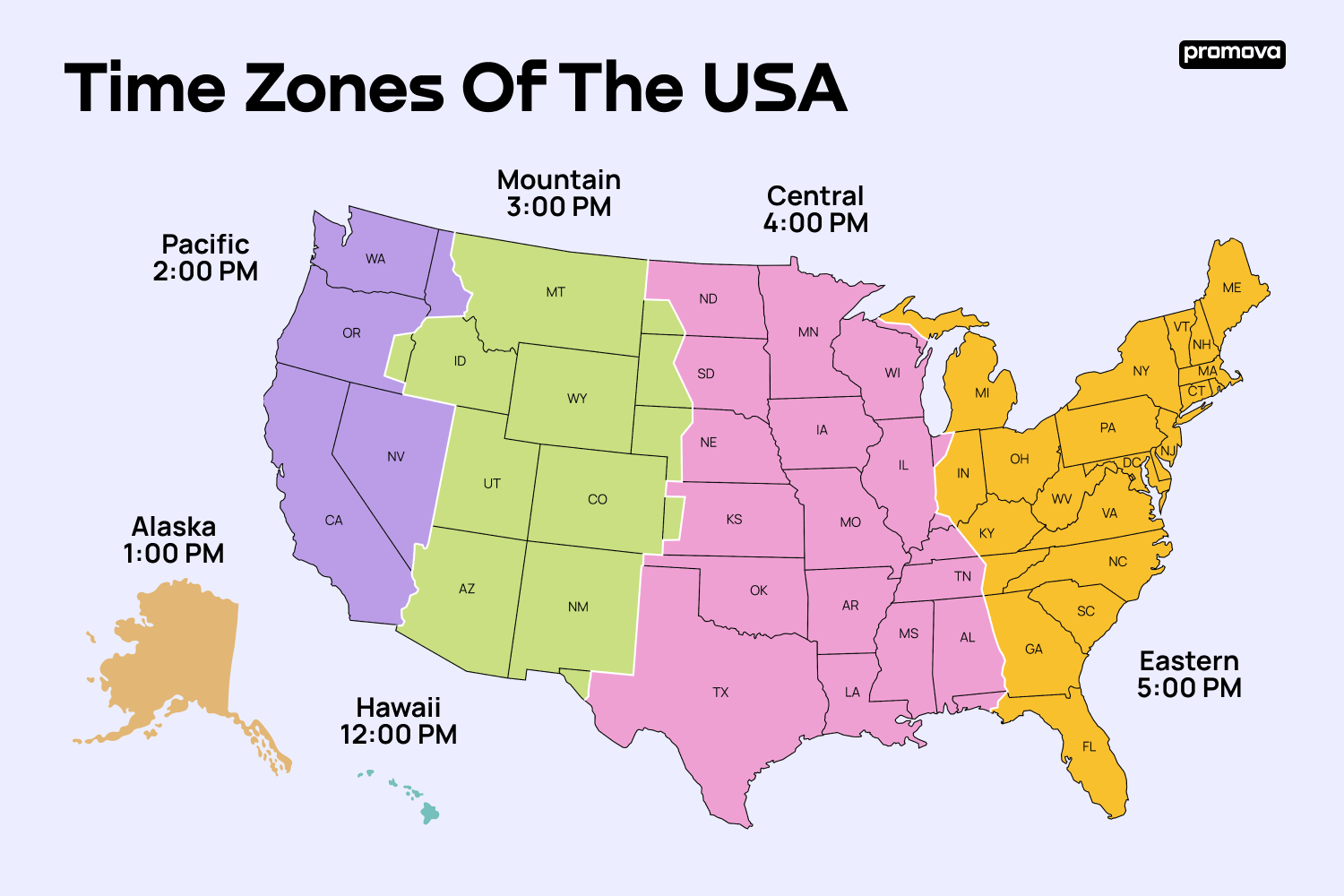
Understanding “What GMT Is California?” is far more than a simple geographical query; it’s a foundational piece of knowledge that empowers travelers to unlock the full potential of their visit to the Golden State. Whether California is operating on Pacific Standard Time (GMT-8) or Pacific Daylight Time (GMT-7), this awareness allows for meticulous travel planning, effective jet lag management, and seamless integration into the local pace of life.
From booking the perfect hotel to scheduling adventures across the state’s iconic landmarks and natural wonders, a clear grasp of California’s time zone ensures every moment is spent soaking in the experiences rather than struggling with temporal disorientation. So, as you prepare for your next California adventure, remember to set your watch, embrace the time difference, and get ready to enjoy all the beauty, culture, and excitement that the Pacific Time Zone has to offer. Safe travels, and may your time in California be perfectly timed!
LifeOutOfTheBox is a participant in the Amazon Services LLC Associates Program, an affiliate advertising program designed to provide a means for sites to earn advertising fees by advertising and linking to Amazon.com. Amazon, the Amazon logo, AmazonSupply, and the AmazonSupply logo are trademarks of Amazon.com, Inc. or its affiliates. As an Amazon Associate we earn affiliate commissions from qualifying purchases.