
Arizona, the Grand Canyon State, is renowned for its breathtaking desert landscapes, vibrant sunsets, and year-round sunshine. But when planning a visit, one question invariably comes to mind for many travelers: “How hot is Arizona?” The answer, like the state itself, is wonderfully diverse. While parts of Arizona can indeed reach scorching temperatures, especially during the peak summer months, understanding its varied climate zones, seasonal nuances, and clever strategies for navigating the heat can transform your trip from a sweltering challenge into an unforgettable adventure. This guide delves into the realities of Arizona’s climate, offering insights into what to expect, when to visit, and how to make the most of your journey, blending seamlessly with considerations for travel, accommodation, and lifestyle experiences.
Understanding Arizona’s Diverse Climate: More Than Just Desert Heat
To truly appreciate Arizona’s temperatures, it’s crucial to recognize that the state isn’t a monolithic expanse of identical heat. It encompasses several distinct climate zones, each offering a unique experience depending on the season.
Sonoran Desert Summers vs. High-Country Escapes
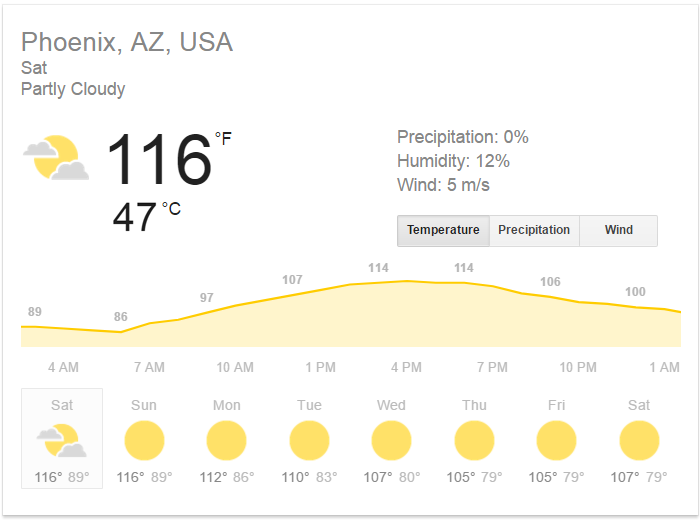
The most commonly perceived “hot” Arizona is found in its low desert regions, dominated by the magnificent Sonoran Desert. Cities like Phoenix, Scottsdale, Tucson, Mesa, and Tempe experience famously intense summers, with daily high temperatures regularly exceeding 100°F (38°C) from June through September, often pushing towards 110-115°F (43-46°C). The dryness of the heat (often referred to as a “dry heat”) can make it feel more tolerable than humid climates at similar temperatures, but it demands respect and careful planning. Nights in these areas offer some relief, usually dropping into the 80s°F (27-32°C). Yuma, located in the southwestern corner, holds the distinction of being one of the hottest cities in the United States, with even higher average summer temperatures.
However, move north or to higher elevations, and the story changes dramatically. Central and Northern Arizona boast a refreshing contrast. Sedona, famous for its Red Rocks and spiritual vortexes, sits at an elevation that significantly moderates its temperatures. While summers can still be warm, highs typically range in the 90s°F (32-37°C), with pleasant evenings. Further north and higher still is Flagstaff, nestled in the world’s largest ponderosa pine forest. Here, summers are wonderfully mild, with average highs in the 80s°F (27-32°C) and cool, crisp nights often dipping into the 50s°F (10-15°C). Flagstaff even experiences snow in winter, offering a completely different climate experience from its desert counterparts. Towns like Payson and Prescott also offer cooler, more temperate climates due to their elevated positions, making them popular summer retreats.
The Grand Canyon National Park is another prime example of diverse microclimates. The South Rim, at around 7,000 feet (2,134 meters) elevation, has mild summers similar to Flagstaff, while the bottom of the canyon, accessible via challenging hikes, can experience extreme desert heat, mirroring Phoenix’s summer temperatures.
Navigating the Heat: Best Times to Visit and What to Expect
Choosing the right time to visit Arizona is paramount to enjoying its beauty, especially if you’re sensitive to heat. Each season offers unique advantages and challenges for travelers.
Spring and Fall: The Golden Seasons
For most visitors, spring (March to May) and fall (October to November) are the undisputed golden seasons in Arizona’s low desert regions. During these months, temperatures are delightfully warm and comfortable, typically ranging from the 70s to 90s°F (21-37°C) with plenty of sunshine. This is when the desert wildflowers bloom in spring, painting the landscape with vibrant colors, and the air is crisp and clear in the fall. These seasons are ideal for outdoor activities like hiking, golf, and exploring urban attractions. Consequently, these are also the busiest tourist seasons, meaning higher prices for flights and accommodations, and more crowds at popular spots like Saguaro National Park, the Desert Botanical Garden, and Old Town Scottsdale. Planning and booking well in advance are essential.
Winter Wonders and Mild Temperatures
Winter (December to February) in low-desert Arizona is incredibly pleasant, often described as perfect. Daily highs typically hover in the 60s and 70s°F (16-24°C), with abundant sunshine and cool, crisp nights. This makes it a popular escape for those fleeing colder climates, especially for snowbirds and golf enthusiasts. While the low desert enjoys mild conditions, Northern Arizona transforms into a winter wonderland, with opportunities for skiing near Flagstaff and snow dusting the Grand Canyon rims. Winter is another peak season, particularly around holidays, necessitating early bookings for the best deals and availability for hotels, resorts, and even specific activities like spa treatments.
Embracing the Summer Heat: A Different Kind of Adventure
While often daunting, summer (June to September) in Arizona’s low desert offers a unique travel experience, especially for budget-conscious travelers or those seeking relaxation by the pool. Accommodation prices drop significantly, and luxury resorts offer enticing deals. The key to enjoying an Arizona summer is adjusting your schedule and activities.
Embracing the Desert Lifestyle: Activities and Attractions
Regardless of the season, Arizona offers an incredible array of activities and landmarks. The secret to enjoying them, especially during warmer months, is strategic planning and embracing the desert rhythm.
Early Morning Adventures and Evening Strolls

During hot seasons, the golden rule is to schedule outdoor activities for the early morning hours, typically before 9 or 10 AM, or in the late evening after sunset. Hiking trails around Camelback Mountain or in Saguaro National Park are best experienced at sunrise, when temperatures are coolest and the light is most dramatic. Evenings bring a magical quality to the desert, with vibrant sunsets and the chance to spot nocturnal wildlife. This is the perfect time for dining al fresco or enjoying a leisurely stroll. For those interested in cultural immersion, many events and markets in places like Old Town Scottsdale come alive in the cooler evening hours.
Water-Based Activities and Indoor Fun
When the sun is high, Arizona still offers abundant opportunities for fun. Water activities are immensely popular. Resorts often feature spectacular swimming pools, lazy rivers, and splash pads, turning them into self-contained oases. Beyond the resorts, head to lakes like Lake Pleasant or Lake Powell for boating, paddleboarding, and swimming. The Colorado River offers rafting and tubing experiences that provide a refreshing escape from the heat.
For indoor entertainment, Arizona boasts an impressive array of museums, galleries, and cultural centers. Explore the unique architecture of Frank Lloyd Wright’s Taliesin West, delve into Native American art and culture at the Heard Museum in Phoenix, or wander through the cool halls of art galleries in Sedona. Shopping centers, casinos, and indoor entertainment complexes also provide air-conditioned refuge. For family trips, indoor play areas, aquariums, and science centers offer engaging ways to beat the heat.
Iconic Landmarks in All Seasons
Many of Arizona’s most iconic landmarks can be visited year-round with proper planning. The Grand Canyon National Park is stunning in any season; just be aware of varying temperatures between the rim and the canyon floor. Antelope Canyon and Horseshoe Bend near Page are visually spectacular, though the walk to Horseshoe Bend can be exposed, requiring extra hydration in summer. Monument Valley offers breathtaking views that are timeless, but access can be limited by extreme weather (heat or snow).
Cool Comforts: Accommodation and Hydration Strategies
Staying comfortable in Arizona’s heat involves more than just choosing the right season; it’s also about selecting the right accommodation and adopting smart personal strategies.
Luxury Resorts with Oasis Pools
Arizona is famed for its world-class resorts, many of which are designed as luxurious oases in the desert. Properties like Sanctuary Camelback Mountain, A Gurney’s Resort & Spa, The Boulders Resort & Spa Scottsdale, Curio Collection by Hilton, Hyatt Regency Scottsdale Resort & Spa at Gainey Ranch, and The Phoenician, A Luxury Collection Resort, Scottsdale are prime examples. They typically boast multiple swimming pools, often with elaborate features like waterfalls, waterslides, and even sand beaches. Many also offer private cabanas, misting systems, and poolside service to ensure maximum comfort. For those seeking wellness retreats, spas at resorts like Enchantment Resort in Sedona or L’Auberge de Sedona provide a cool, tranquil escape. These luxury hotels often provide amenities such as air-conditioned fitness centers, indoor dining options, and shaded outdoor seating areas, making them ideal for both family trips and romantic getaways. Business travelers will appreciate state-of-the-art conference facilities that offer a comfortable environment for meetings, even during the warmest months. Resorts like Loews Ventana Canyon Resort and JW Marriott Starr Pass Resort & Spa in Tucson are designed to provide a comprehensive, climate-controlled experience.
Boutique Hotels and Vacation Rentals
Beyond the grand resorts, Arizona offers a wide range of accommodation options. Boutique hotels, often found in historic districts like Old Town Scottsdale or downtown Tucson, provide a more intimate experience, usually with well-maintained pools and air-conditioned rooms. Vacation rentals, including apartments and villas, are excellent choices for longer stays or for families and groups, offering the flexibility of a kitchen and often a private pool. When booking, always confirm that the accommodation has robust air conditioning – it’s a non-negotiable amenity in Arizona!
Staying Hydrated and Dressing for Success
The most critical aspect of managing Arizona’s heat is hydration. The dry climate means sweat evaporates quickly, making it easy to become dehydrated without realizing it.
- Drink continuously: Carry a water bottle everywhere and sip frequently, even if you don’t feel thirsty. Electrolyte-rich drinks can also be beneficial, especially if you’re active.
- Avoid peak sun: Limit direct sun exposure between 10 AM and 4 PM. Seek shade whenever possible.
- Dress appropriately: Wear lightweight, loose-fitting clothing made from breathable fabrics like cotton or linen. Light colors reflect the sun’s rays better than dark ones. A wide-brimmed hat and sunglasses are essential.
- Sun protection: Apply broad-spectrum sunscreen with a high SPF liberally and frequently, even on cloudy days.
Culinary Delights and Refreshing Drinks
Arizona’s culinary scene offers a delightful fusion of Southwestern flavors, Native American influences, and modern American cuisine. During hotter months, gravitate towards lighter fare, fresh salads, and dishes featuring local produce. Many restaurants offer refreshing beverages, from prickly pear margaritas to iced teas, perfect for cooling down. Don’t miss the chance to try a “Sonoran hot dog” in Tucson – best enjoyed during a cooler evening.

Beyond the Heat: Experiencing Arizona’s Unique Charm
While the question of “how hot is Arizona?” is valid and important for trip planning, it shouldn’t overshadow the state’s incredible appeal. Arizona offers a wealth of experiences, from luxury travel to budget-friendly adventures, suitable for every type of traveler.
- Family Trips: Resorts with elaborate pools, interactive museums, and national parks offer endless fun.
- Romantic Getaways: Spa resorts in Scottsdale or the scenic beauty of Oak Creek Canyon provide perfect backdrops.
- Business Stays: State-of-the-art convention centers and hotels in Phoenix and Scottsdale cater to corporate needs with comfort and efficiency.
- Adventure Seekers: Hiking, mountain biking, rock climbing, and white-water rafting are available, best enjoyed during cooler seasons or specific times of day.
- Culture Enthusiasts: Explore art galleries, historical sites, and vibrant culinary scenes in cities and towns across the state.
In conclusion, Arizona is undoubtedly hot, particularly its low desert regions in summer. However, with careful planning, awareness of its diverse climates, and smart adaptation strategies, visitors can experience the profound beauty and unique charm of this magnificent state any time of year. Whether you’re seeking a luxurious resort experience by a sparkling pool, an adventurous hike through ancient landscapes, or a cultural immersion in a vibrant city, Arizona offers an unforgettable journey, where the sun is always a part of the story, but never the whole story.
LifeOutOfTheBox is a participant in the Amazon Services LLC Associates Program, an affiliate advertising program designed to provide a means for sites to earn advertising fees by advertising and linking to Amazon.com. Amazon, the Amazon logo, AmazonSupply, and the AmazonSupply logo are trademarks of Amazon.com, Inc. or its affiliates. As an Amazon Associate we earn affiliate commissions from qualifying purchases.