
For anyone planning a trip to the sun-drenched shores, bustling cities, or serene national parks of California, understanding the nuances of local time changes is more than just a trivial detail—it’s a critical component of seamless travel planning. Like much of the United States, the Golden State observes Daylight Saving Time (DST), a biannual ritual that shifts our clocks forward and backward, ostensibly to make better use of daylight. While this practice might seem straightforward, its impact on travel schedules, bookings, and even personal well-being can be significant. From adjusting to flight times to ensuring you don’t miss that coveted dinner reservation in San Francisco or a sunrise hike in Yosemite National Park, knowing when and why these changes occur is essential for a stress-free California experience.

This guide delves into the specifics of California’s time changes, exploring the history behind DST, its practical implications for tourists and long-term visitors, and the ongoing debates that continue to shape its future. Whether you’re an international traveler grappling with jet lag or a domestic visitor simply trying to keep your itinerary on track, we’ll equip you with the knowledge to navigate California’s time shifts with ease, ensuring your focus remains on enjoying all the incredible destinations, accommodations, and experiences the state has to offer.
Understanding Daylight Saving Time in California
At its core, Daylight Saving Time is an effort to extend daylight into the evening hours during the warmer months, typically by moving clocks forward in the spring and backward in the fall. In California, this means a shift between Pacific Time (PT) and Pacific Daylight Time (PDT), influencing everything from the rhythm of urban life in Los Angeles to the sunset views over the Pacific Ocean.
The Annual Clock Shift: Spring Forward, Fall Back
The mechanism of Daylight Saving Time in California follows the standard schedule observed across most of the United States. This means two key dates you need to remember each year:
- Spring Forward: On the second Sunday in March, clocks are advanced by one hour. This typically occurs at 2:00 AM Pacific Standard Time, meaning the time immediately jumps to 3:00 AM Pacific Daylight Time. This is often referred to as “losing an hour” of sleep, but it ushers in longer evenings filled with sunshine, perfect for after-work or post-travel activities. If you’re staying in an accommodation like a luxurious suite in Beverly Hills or a family-friendly resort near Disneyland, be mindful that morning activities might start an hour earlier relative to your internal clock, while evening entertainment can stretch out with more natural light.
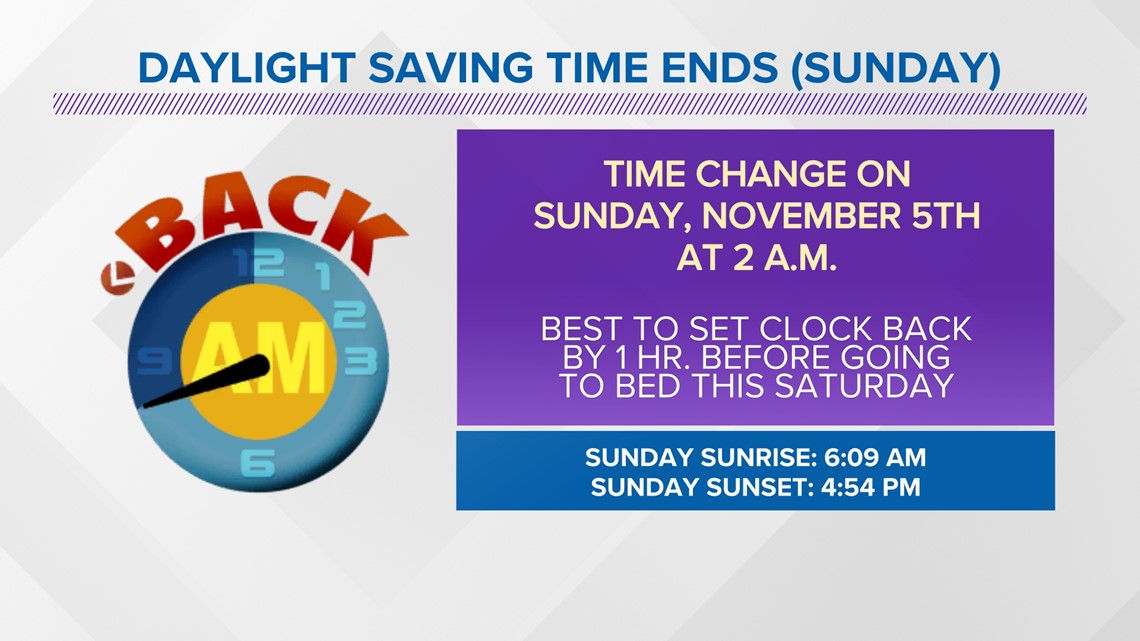
- Fall Back: On the first Sunday in November, clocks are turned back by one hour. Again, this usually happens at 2:00 AM Pacific Daylight Time, reverting to 1:00 AM Pacific Standard Time. This change is often welcomed for the “extra hour” of sleep it provides, but it also brings earlier sunsets. While this might shorten the window for outdoor activities like visiting the Santa Monica Pier or exploring Napa Valley vineyards in the late afternoon, it can create a cozy ambiance for evening dining and indoor attractions.
It’s crucial for travelers to mark these dates on their calendars, especially if their journey coincides with one of these transitions. Modern smartphones and computers usually adjust automatically, but analog clocks in hotels, rental cars, or even some public spaces might require manual adjustment. Double-checking flight times, tour departures, and reservation confirmations around these dates is always a wise precaution.
A Brief History of DST in the Golden State
The concept of Daylight Saving Time is not new; it has a rich, albeit often debated, history. Originating in the early 20th century primarily to conserve energy during wartime, its adoption has varied significantly across countries and even within the United States.
California’s journey with DST reflects this broader national conversation. The state first adopted DST in 1949, and it has largely remained in place ever since, albeit with periods of adjustment and ongoing legislative scrutiny. A significant moment in recent history came in 2018 with Proposition 7. This ballot measure, overwhelmingly approved by California Voters, did not abolish DST outright but gave the California State Legislature the power to change or repeal it. The intent behind Proposition 7 was to allow the state to either switch to permanent Standard Time (no more “spring forward, fall back”) or to permanent Daylight Saving Time, pending federal approval.
Since then, several legislative efforts have attempted to act on this mandate, often facing hurdles in the California State Legislature and the US Congress. The desire to eliminate the biannual time change stems from growing concerns about its impact on public health, worker productivity, and even traffic safety. Despite the passage of Proposition 7, California currently continues to observe the traditional “spring forward, fall back” schedule. This ongoing debate underscores the complex nature of DST and its multifaceted effects on lifestyle, commerce, and tourism within the state.
Navigating DST as a Traveler: Practical Implications and Tips
For the discerning traveler, anticipating and preparing for California’s time changes can make all the difference between a smooth journey and an unexpected hiccup. From coordinating intricate itineraries to managing personal well-being, the biannual clock shift demands a strategic approach.
Impact on Travel Schedules and Bookings
The primary concern for many visitors is how DST affects their carefully planned travel arrangements. A single hour can have a cascading effect on an entire day’s schedule, especially when dealing with tight connections or pre-booked experiences.
- Flights, Trains, and Buses: While airlines and transportation providers typically adjust their schedules well in advance, it’s paramount to re-confirm departure and arrival times for any travel occurring on or around the DST transition dates. A “spring forward” might mean missing an early morning flight if you forget to adjust, while a “fall back” could lead to an unnecessary hour-long wait at the airport if you arrive too early. Always check your booking confirmation for the local time of departure/arrival, particularly when crossing time zones or international borders into Mexico or Canada.
- Hotel Check-in/Check-out: Most hotels and accommodation providers, from boutique hotels in Palm Springs to luxury resorts in Lake Tahoe, operate on local time. This means check-in and check-out times will automatically adjust with DST. However, if you have an early morning check-out on the “fall back” Sunday, you might find yourself with an unexpected extra hour in bed, or conversely, a rushed morning if you’re checking out on “spring forward” Sunday. It’s always a good idea to confirm specific timings with your accommodation, especially if you have an early flight or activity planned.
- Tour Timings and Attraction Opening Hours: Planning to explore the historic architecture of San Diego, visit Universal Studios Hollywood, or take a scenic drive along the coast? Many attractions, museums, and tour operators adjust their opening and closing hours, as well as their tour schedules, to align with the new daylight patterns. A “spring forward” typically means attractions may stay open later due to extended daylight, offering more opportunities for evening visits, while “fall back” might see earlier closures. Always verify the most current operating hours directly on the attraction’s website or with your tour operator.
- Restaurant Reservations and Event Tickets: Dining out is a significant part of the California experience, whether it’s fine dining in Hollywood or a casual beachside eatery. Missing a coveted reservation because of a misremembered time change can be frustrating. Similarly, tickets for concerts, theater shows, or sporting events in [Los Angeles](https://lifeoutofthebox.com/los Angeles) or San Francisco will strictly adhere to the local time. Double-check all booking confirmations and set reminders adjusted to the correct local time.
- Long-Term Stays and Business Travel: For those on extended stays or business trips in hubs like Silicon Valley or Sacramento, DST changes can affect daily routines, meetings, and even children’s school schedules. Maintaining open communication with local contacts and adjusting personal schedules proactively can mitigate disruptions.
Adjusting to the Time Change: Health and Well-being
Beyond the logistical challenges, the shift in time can have a real impact on your internal body clock, often mimicking the effects of mild jet lag, particularly with the “spring forward” transition. This is especially true for international visitors from Europe, Asia, or Australia who are already contending with significant time differences.
- The “Lost Hour” (Spring Forward): When the clock jumps forward, you effectively lose an hour of sleep. This can lead to temporary fatigue, difficulty concentrating, and even a slight dip in mood for a few days as your body adjusts. For travelers, this can exacerbate existing jet lag or simply make those early morning sightseeing tours feel even earlier.
- The “Gained Hour” (Fall Back): While often celebrated, the “gained hour” in the fall can also disrupt sleep patterns, especially for those sensitive to routine changes. Waking up an hour earlier than usual, even with an extra hour of sleep, can throw off your internal rhythm.
- Tips for Adjustment:
- Gradual Shift: If possible, try to adjust your sleep schedule by 15-30 minutes each day in the days leading up to the change.
- Prioritize Sleep: Ensure you get adequate rest, especially before the “spring forward” change.
- Light Exposure: Utilize natural light to help reset your body clock. Seek morning sunlight after “spring forward” and reduce evening light exposure.
- Stay Hydrated and Eat Well: Good nutrition and hydration can help your body cope with the changes more effectively.
- Avoid Caffeine and Alcohol: Limit these substances, especially close to bedtime, as they can interfere with sleep quality.
- Mind Your Activities: Plan less strenuous activities for the first day or two after a time change to allow your body to adapt. Consider a relaxing spa treatment at your resort or a leisurely stroll rather than an intense hike.
The Broader Debate: Why California (and the Nation) Keeps Discussing DST
California’s continued adherence to Daylight Saving Time is not without ongoing public and legislative debate. The practice, once widely accepted, now faces increasing scrutiny over its true benefits and potential drawbacks, both locally and nationally.
Arguments For and Against Daylight Saving
The conversation around DST is often divided, with proponents and opponents citing various economic, social, and health factors.
- Arguments For:
- Energy Conservation (Historical): The initial rationale for DST was to reduce energy consumption by utilizing natural daylight more effectively, thereby reducing the need for artificial lighting in the evenings. While modern studies often dispute the actual energy savings, this historical argument persists.
- Extended Daylight for Evening Activities: Many appreciate the extra hour of daylight in the evening during spring and summer. This allows for more time for outdoor recreation, tourism activities, dining al fresco, and after-work pursuits, which can be a boon for local economies dependent on leisure and hospitality. Imagine more time to enjoy the Golden Gate Bridge at sunset or an evening stroll along the Venice Beach Boardwalk.
- Increased Safety: Some studies suggest that extended daylight in the evenings can reduce traffic accidents and street crime by improving visibility.
- Arguments Against:
- Health Impacts: A growing body of research highlights negative health consequences associated with the biannual time change, particularly the “spring forward.” These include increased risk of heart attacks, strokes, and traffic accidents in the days following the shift, as well as general sleep disruption and decreased productivity. This disruption is seen as especially detrimental to children and shift workers.
- Economic Disruption: Critics argue that the time change causes economic losses due to decreased productivity, scheduling confusion, and negative impacts on industries like agriculture.
- Outdated Energy Claims: Modern research often concludes that DST no longer leads to significant energy savings, and in some cases, may even increase energy consumption due to increased use of air conditioning in brighter, warmer evenings.
- Inconvenience: The simple act of changing clocks, while seemingly minor, causes widespread inconvenience for individuals and businesses alike.
The Future of Time in California
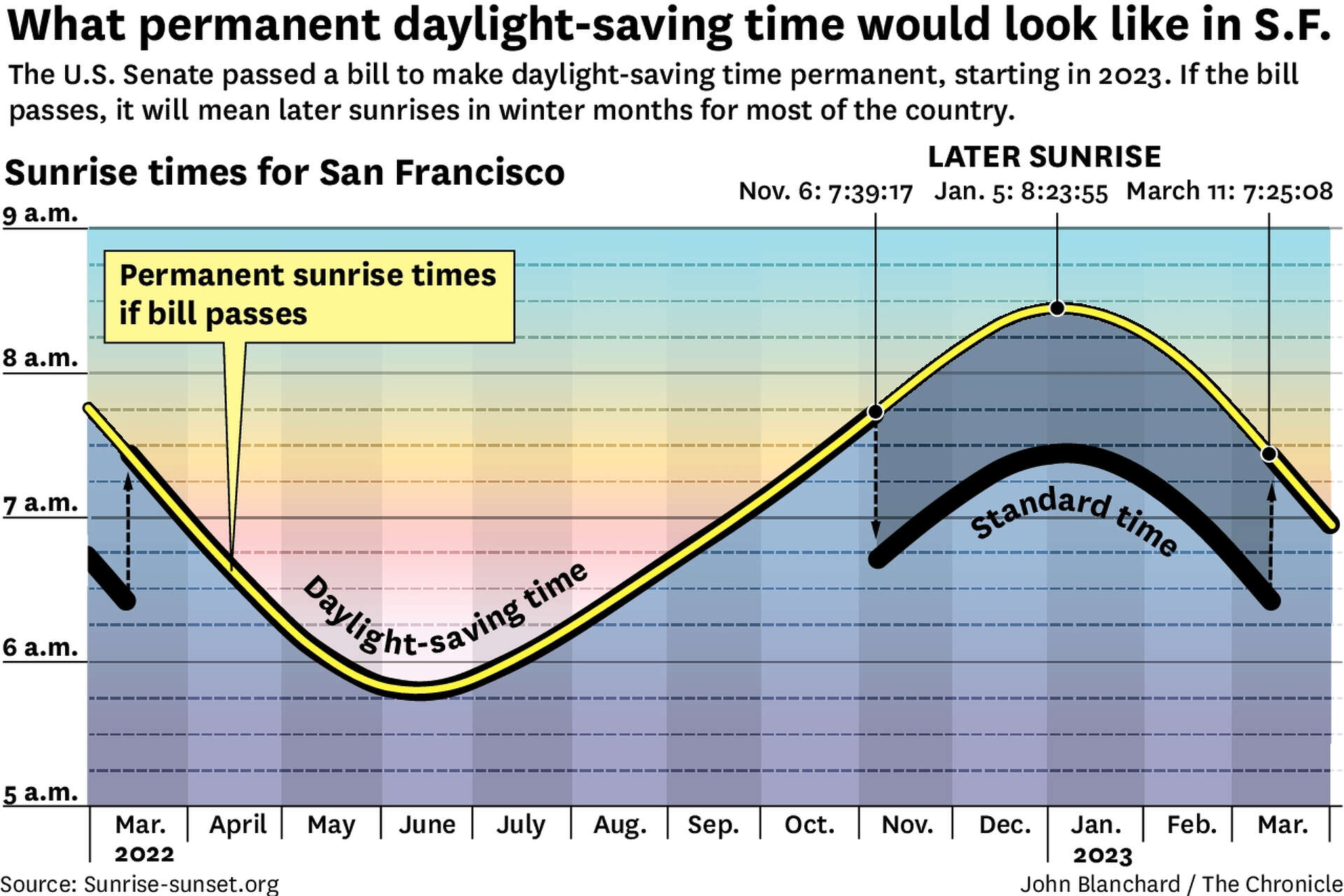
Despite California Voters’ approval of Proposition 7, the state has not yet moved to eliminate or permanently adopt a single time standard. The power granted to the California State Legislature requires a two-thirds vote to implement any change, and any move to permanent Daylight Saving Time would also require approval from the US Congress. This federal hurdle is significant, as the Uniform Time Act of 1966 mandates that states either observe DST or opt out entirely into permanent Standard Time, like Arizona and Hawaii. Permanent Daylight Saving Time is currently not an option without federal legislation.
At the national level, the Sunshine Protection Act, which would make Daylight Saving Time permanent across the United States, has seen bipartisan support in the US Senate but has stalled in the US House of Representatives. Should this federal legislation pass, it would likely clear the way for California to adopt year-round Daylight Saving Time, fulfilling one of the options enabled by Proposition 7.
For travelers and residents alike, the future of time in California remains a topic of considerable interest. A permanent change would simplify scheduling, potentially reduce health impacts, and solidify the extended evening daylight that many have come to enjoy. Until then, the biannual clock shifts remain a consistent feature of life and travel in the Golden State, requiring continued awareness and preparation.
Conclusion
Understanding when time changes in California is more than just a matter of adjusting your watch; it’s a vital piece of information for seamless travel planning and an enjoyable stay. Each year, on the second Sunday of March and the first Sunday of November, the state’s clocks shift by an hour, transitioning between Pacific Standard Time and Pacific Daylight Time. While these changes are designed to optimize daylight utilization, they carry significant implications for flight schedules, hotel check-ins, tour bookings, and even personal well-being.
For travelers, staying informed and proactive is key. Always re-confirm your itinerary details, from accommodation bookings to attraction opening hours, around these transition dates. Pay particular attention if your travel plans involve connecting flights or international transfers. Beyond logistics, taking simple steps to prepare your body for the time shift, especially the “spring forward” adjustment, can minimize fatigue and ensure you’re at your best to explore the diverse landscapes and vibrant culture of California.
The ongoing debate surrounding Daylight Saving Time in California and across the United States highlights its complex nature. While the future of time observance in the Golden State remains subject to legislative decisions and federal approvals, for now, the biannual ritual continues. By being aware and prepared, you can effortlessly navigate these changes and dedicate your energy to creating unforgettable memories across California’s stunning destinations, luxurious hotels, and enriching tourism experiences. So, whether you’re chasing the sun in Southern California or enjoying the crisp evenings of Northern California, remember to check your clock and embrace the journey.
LifeOutOfTheBox is a participant in the Amazon Services LLC Associates Program, an affiliate advertising program designed to provide a means for sites to earn advertising fees by advertising and linking to Amazon.com. Amazon, the Amazon logo, AmazonSupply, and the AmazonSupply logo are trademarks of Amazon.com, Inc. or its affiliates. As an Amazon Associate we earn affiliate commissions from qualifying purchases.