
The golden state of California beckons millions of travelers each year with its stunning coastlines, iconic cities, majestic national parks, and vibrant culture. From the sun-drenched beaches of Southern California to the towering redwoods of the north, and from the bustling urban sprawl of Los Angeles and San Francisco to the serene vineyards of Napa Valley and Sonoma County, the opportunities for adventure and relaxation are boundless. However, a recurring concern for both residents and prospective visitors, particularly during the drier months, is the potential for wildfires. Understanding the current fire situation in California is crucial for planning a safe, enjoyable, and responsible trip. This guide aims to provide a comprehensive overview for travelers, integrating insights on how wildfires can impact your travel plans, accommodation choices, and overall experience, while helping you navigate this beautiful state responsibly.
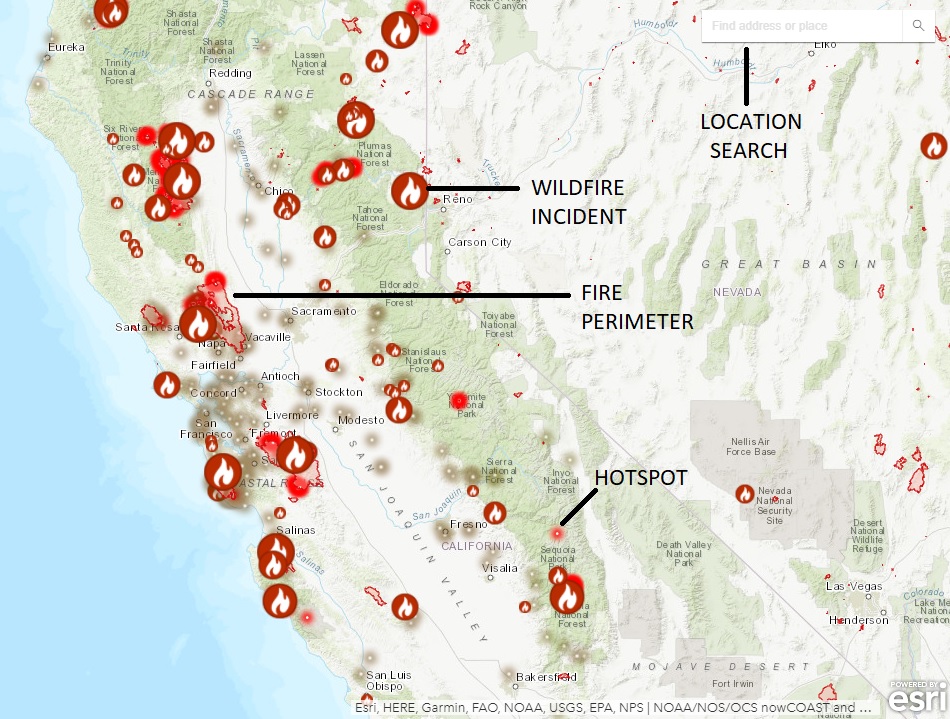
Understanding California’s Wildfire Landscape and Its Implications for Travelers
Wildfires are a natural, albeit increasingly intense, part of California’s ecosystem. The state’s Mediterranean climate, characterized by hot, dry summers and mild, wet winters, creates prime conditions for vegetation to dry out and become fuel. This natural cycle is exacerbated by factors such as prolonged droughts, strong winds like the infamous Santa Ana winds in the south and Diablo winds in the north, and a century of fire suppression policies that have led to an accumulation of flammable undergrowth.
For travelers, the presence of wildfires can introduce significant logistical and experiential challenges. Beyond the immediate danger to life and property in fire-affected zones, indirect impacts can spread far and wide, influencing everything from air quality to access to beloved attractions.
The Annual Challenge: Why Wildfires Are a Persistent Concern
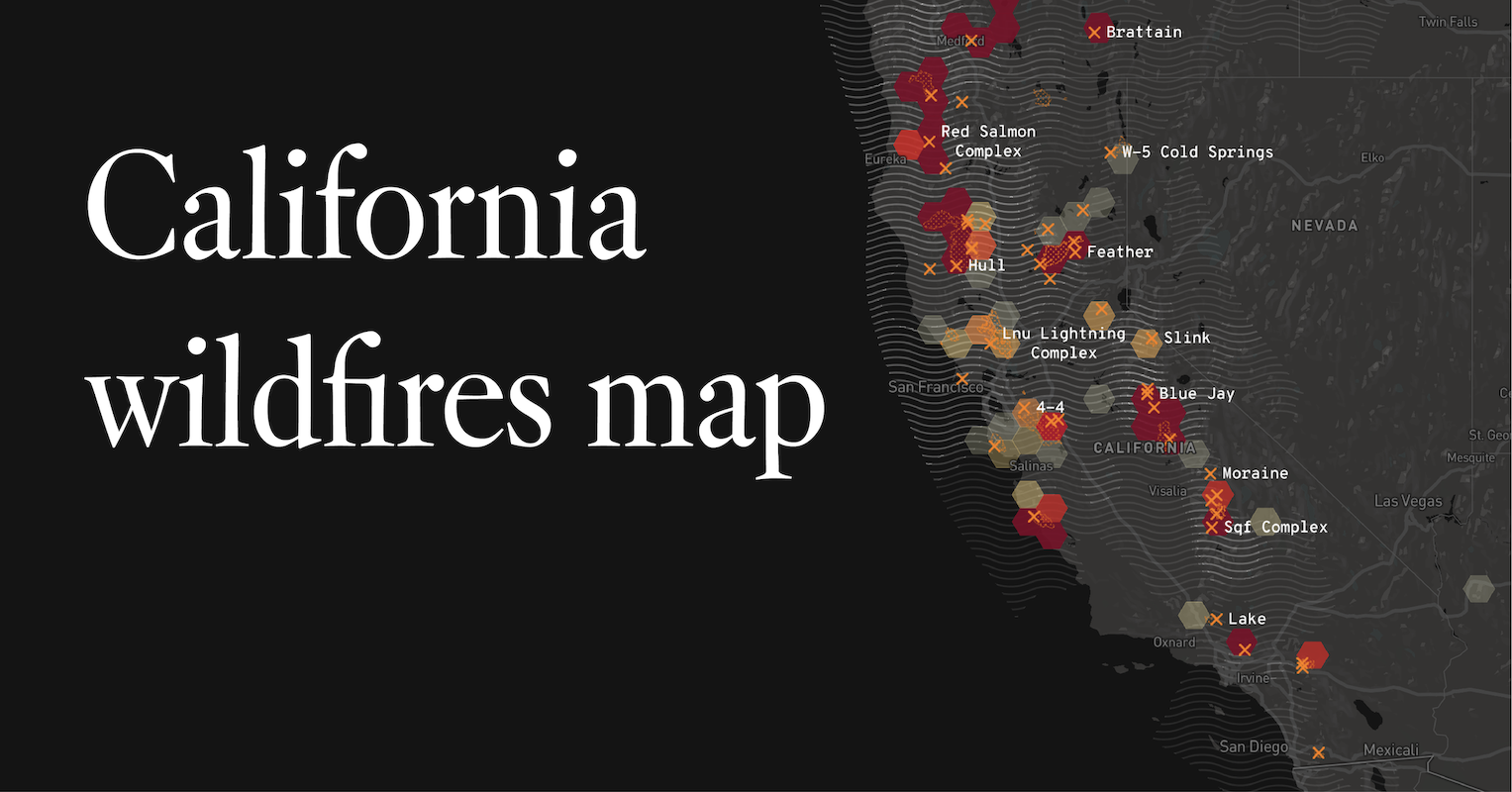
Wildfire season in California typically runs from late spring through late fall, peaking in late summer and early autumn. While some years are worse than others, the underlying conditions for significant fire activity are consistently present. It’s important to distinguish that wildfires are not constantly raging across the entire state. Rather, they tend to be localized events, though their effects, particularly smoke and hazy skies, can drift hundreds of miles.
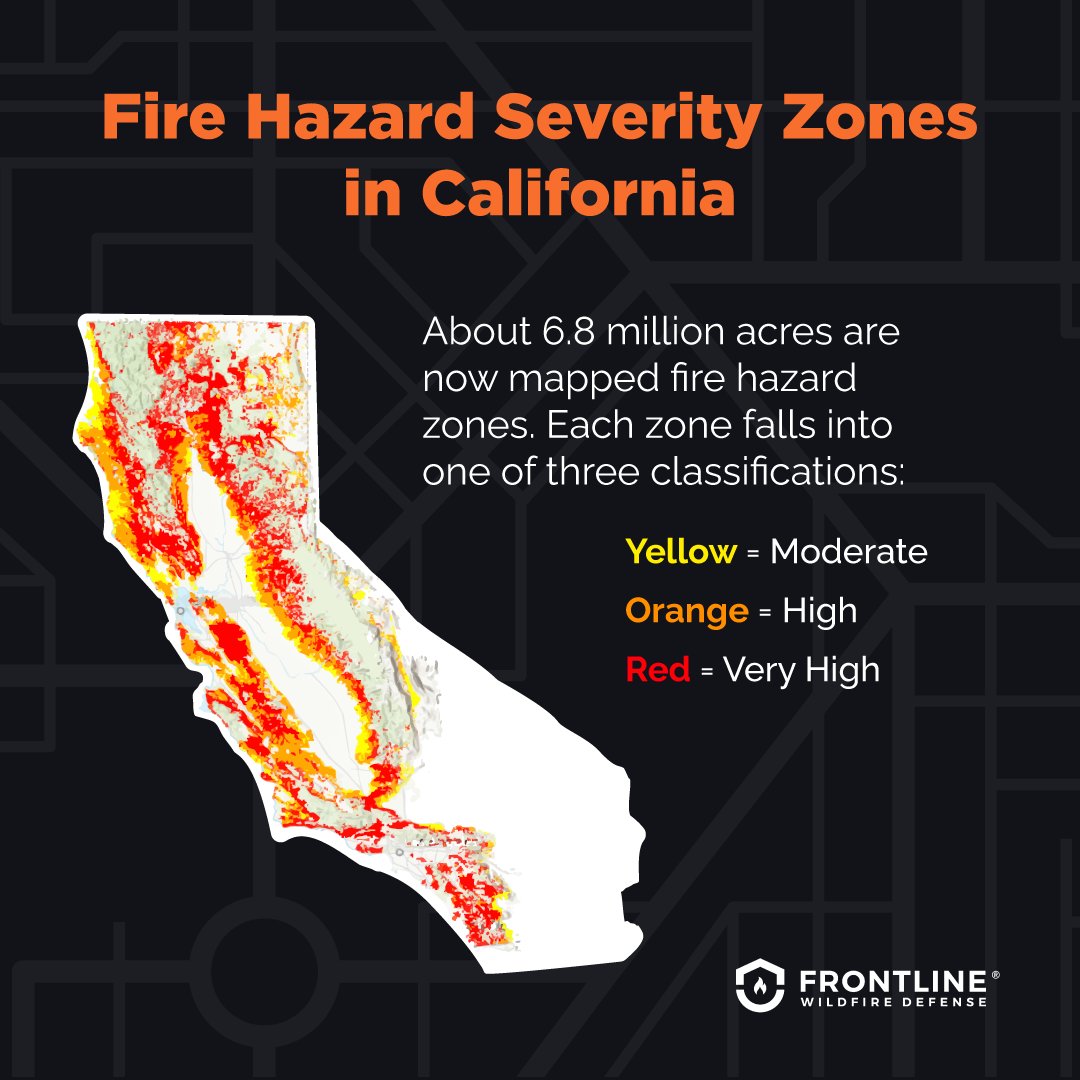
The state’s diverse geography, ranging from dense forests in the Sierra Nevada mountains to chaparral-covered hills near urban centers, means that different regions face varying degrees of risk. Popular destinations like Yosemite National Park, Big Sur, and areas around Lake Tahoe are particularly susceptible due to their natural landscapes. While authorities like CAL FIRE and the National Interagency Fire Center work tirelessly to manage and suppress fires, preparedness and informed decision-making remain paramount for anyone planning a visit.
How Wildfires Impact Travel Experiences
The effects of wildfires on travel can be multi-faceted. Directly, major fires can lead to the closure of roads, national and state parks, and even entire communities, disrupting carefully planned itineraries. For instance, sections of the iconic Pacific Coast Highway might be closed, or access to trails in Sequoia National Park or Kings Canyon National Park restricted.
Indirectly, but just as significantly, air quality can deteriorate dramatically due to smoke plumes. This can turn picturesque vistas hazy, make outdoor activities uncomfortable or even unsafe for sensitive individuals, and generally diminish the experience of being outdoors. A hike through a redwood forest or a beach day in Malibu loses much of its appeal if the air is thick with smoke. Flights can be delayed or canceled if visibility is poor near major airports, impacting arrivals and departures for cities like San Diego or Sacramento.
Beyond the physical, there’s a psychological impact. Travelers might feel a sense of apprehension or worry, detracting from the relaxed enjoyment typically sought on a vacation. For those planning longer stays or seeking specific experiences like hiking or wine tasting, these impacts can necessitate significant adjustments to travel plans, highlighting the importance of flexibility and vigilance.
Navigating Your California Adventure: Safety and Preparedness
A memorable California trip during wildfire season is entirely possible, but it hinges on proactive planning and staying informed. Embracing a mindset of preparedness allows you to mitigate risks and make the most of your travel experience, regardless of localized challenges.
Essential Resources for Real-Time Updates
The most critical aspect of traveling during wildfire season is access to current, reliable information. Relying on official sources is key:
- CAL FIRE (California Department of Forestry and Fire Protection): This is the primary state agency for fire information. Their website provides real-time fire maps, incident updates, and alerts.
- National Interagency Fire Center (NIFC): For a broader national overview that includes federal land fires, NIFC offers detailed maps and reports.
- Local County Emergency Services: If you’re traveling to a specific county, check its official emergency services website or social media feeds for localized alerts, evacuation orders, and road closures.
- Air Quality Monitoring Sites: Websites like AirNow.gov or apps that track the Air Quality Index (AQI) are invaluable. They can help you determine if outdoor activities are safe in a particular area.
- National Weather Service: Provides critical weather forecasts, including wind advisories and red flag warnings, which indicate conditions ripe for extreme fire behavior.
- Park Service Websites: Always check the official websites for national parks (Yosemite National Park, Joshua Tree National Park, Death Valley National Park, Redwood National Park, etc.) and state parks for current closures, fire activity within their boundaries, and general advisories.
Before and during your trip, make it a habit to consult these resources daily, especially if your itinerary involves areas prone to wildfires or dense forests.
Pre-Trip Planning and During-Trip Vigilance
Thorough planning can significantly reduce stress and enhance safety:
- Flexibility is Key: When booking, opt for accommodations and activities with flexible cancellation policies. Consider reserving refundable flights and rental cars.
- Travel Insurance: This is perhaps the most crucial recommendation. Invest in comprehensive travel insurance that covers trip cancellation, interruption, and medical emergencies due to natural disasters like wildfires. Read the policy carefully to understand what is covered and what conditions apply. Some policies require “cancel for any reason” (CFAR) riders for maximum flexibility.
- Alternative Routes & Destinations: Have backup plans. If your intended hiking trail is closed, what’s an alternative attraction in a different, safe area? If a wine region is impacted, could you explore the coast instead? California is vast, offering an incredible array of diverse experiences.
- Emergency Kit: Consider packing N95 masks, especially if you have respiratory sensitivities, as these can help filter smoke particles. A basic first-aid kit, extra water, and a fully charged power bank for your phone are also wise additions.
- Inform Loved Ones: Share your itinerary with family or friends and check in regularly.
- Stay Informed On The Go: While traveling, pay attention to local news, road signs, and any alerts from your accommodation providers. Hotel staff can often provide valuable localized advice. Respect all road closures and evacuation orders without hesitation. Even if a fire seems far away, conditions can change rapidly.
Accommodation and Destination Choices in Fire Season
The type of accommodation you choose and the specific destinations you target can play a significant role in how wildfires affect your trip. Thoughtful selection can lead to a more secure and enjoyable experience.
Choosing Hotels and Resorts Strategically
When selecting where to stay, particularly if traveling during peak fire season, consider the following:
- Location: While national parks are breathtaking, their remote nature can make them more vulnerable to fire impacts and harder to evacuate. Consider staying in nearby towns or cities that offer easier access to services and alternative activities. For instance, instead of solely staying within Yosemite, consider lodging in nearby Oakhurst or Mariposa.
- Urban vs. Rural: City-based accommodations in places like San Francisco, Los Angeles, San Diego, or even charming towns like Santa Barbara and Pasadena, are generally less susceptible to direct fire threats, though they can experience smoke impacts. Many luxury hotels and resorts, such as The Ritz-Carlton, Laguna Niguel or the Waldorf Astoria Beverly Hills, offer sophisticated amenities and indoor activities that provide a comfortable refuge if outdoor conditions are less than ideal.
- Communication Protocols: Inquire with your hotel about their emergency communication plans and evacuation procedures. Reputable establishments will have clear protocols in place.
- Amenities for Indoor Comfort: If air quality is a concern, properties with good air filtration systems, indoor pools, spas, fitness centers, and diverse dining options can ensure your comfort even if you need to limit outdoor exposure. This is where higher-end resorts often shine, providing a comprehensive “resort experience” that isn’t entirely dependent on perfect weather or air quality.
For family trips or business stays, the reliability and safety offered by well-established hotels and apartments in urban or coastal centers often outweigh the allure of more secluded, fire-prone locales during riskier times.
Exploring Alternative California Experiences
California’s immense diversity means that even if one region is affected by fire, countless other incredible experiences remain accessible.
- Coastal Retreats: The California coastline, stretching for over 800 miles, often offers a natural buffer from inland wildfires. Destinations like Monterey, Carmel-by-the-Sea, Laguna Beach, Santa Monica, or even Catalina Island can provide refreshing escapes, typically with clearer air and cooler temperatures. Explore tide pools, enjoy fresh seafood, or simply relax by the Pacific Ocean.
- Urban Explorations: Dive into the cultural richness of California’s cities. Visit world-class museums in San Francisco (like the De Young Museum), explore the iconic landmarks of Los Angeles (like the Hollywood Walk of Fame or Griffith Observatory), enjoy the vibrant food scene of San Diego, or discover the historical charm of Sacramento. These destinations offer a plethora of indoor activities, from shopping on Rodeo Drive in Beverly Hills to enjoying live performances.
- Theme Parks and Attractions: For family trips, major attractions like Disneyland Park in Orange County and Universal Studios Hollywood near Los Angeles operate with stringent safety protocols and generally remain unaffected by distant fires, although local air quality could occasionally be a factor.
- Desert Escapes: While they can have their own fire risks (especially in areas with invasive grasses), deserts like those near Palm Springs often experience different fire patterns than forested areas. They offer unique landscapes and experiences, particularly during the cooler months.
Remember, the goal is not to avoid California but to visit smartly and safely. By diversifying your itinerary and being prepared to pivot, you can still experience the magic of this remarkable state.
Responsible Travel and Supporting California Tourism
Traveling responsibly during wildfire season means not only protecting yourself but also being mindful of the communities and natural environments that may be struggling. Your choices as a tourist can have a positive impact.
Travel Insurance: A Must-Have in Uncertain Times
We cannot overstate the importance of travel insurance. For a destination like California, especially during periods prone to wildfires, it transforms from a “nice-to-have” to a “must-have.” Standard policies typically cover trip cancellation or interruption due to unforeseen events, including natural disasters declared by an authority. However, it’s crucial to understand the nuances:
- Declaration vs. Proximity: Most policies require an official declaration of a natural disaster or an advisory from a government agency for coverage to kick in. Simply being worried about smoke in the air might not be enough to trigger a claim unless it leads to a direct closure or evacuation order for your destination or accommodation.
- “Cancel For Any Reason” (CFAR) Policies: For maximum flexibility, a CFAR rider on your policy is ideal. This allows you to cancel your trip for any reason, typically up to 48 hours before departure, and recoup a significant portion (usually 50-75%) of your non-refundable costs. While more expensive, it offers unparalleled peace of mind when traveling to areas with potential environmental risks.
- Medical Coverage: Ensure your policy includes medical coverage for emergencies that might arise due to smoke inhalation or other health issues exacerbated by air quality.
- Read the Fine Print: Always, always read the entire policy document before purchasing. Understand the exclusions, deductibles, and claim procedures.
Investing in robust travel insurance is a small price to pay for the potential savings and stress reduction if your travel plans are unexpectedly impacted.
How Travelers Can Contribute Positively
Tourism is a vital part of California’s economy. Responsible travelers can contribute to recovery and resilience:
- Support Local Businesses: Even if an area has been impacted, once it reopens and is declared safe, supporting local businesses, restaurants, and hotels helps communities rebuild and recover. Many areas rely heavily on tourism revenue.
- Respect Closures and Advisories: Adhering to official warnings and closures is paramount. Ignoring them not only puts your safety at risk but also diverts valuable emergency resources.
- Practice Fire Safety: Be vigilant about your own actions. Never flick cigarette butts, ensure campfires are completely extinguished (if allowed), and avoid using any equipment that could spark a fire, especially during dry conditions. Follow all fire restrictions, which often include bans on open flames and specific activities during Red Flag Warnings.
- Consider Donations: If you feel compelled to help, research and donate to reputable wildfire relief organizations that support firefighters, displaced residents, and long-term recovery efforts.
In conclusion, California remains an unparalleled destination, offering an incredible tapestry of experiences for every type of traveler – from luxury seekers exploring Beverly Hills to budget adventurers camping in state parks, and from families enjoying Disneyland to business travelers attending conferences in San Francisco. While wildfires are a serious annual concern, they do not blanket the entire state. With diligent research, proactive planning, comprehensive travel insurance, and a commitment to responsible travel, you can confidently embark on your California adventure, knowing you are prepared for whatever conditions may arise and ready to appreciate the incredible beauty and resilience of this remarkable corner of America.
LifeOutOfTheBox is a participant in the Amazon Services LLC Associates Program, an affiliate advertising program designed to provide a means for sites to earn advertising fees by advertising and linking to Amazon.com. Amazon, the Amazon logo, AmazonSupply, and the AmazonSupply logo are trademarks of Amazon.com, Inc. or its affiliates. As an Amazon Associate we earn affiliate commissions from qualifying purchases.