
For anyone embarking on a new adventure in the Sunshine State, whether it’s relocating for a job, enjoying an extended vacation, or exploring the myriad attractions Florida has to offer, understanding the intricacies of vehicle ownership is paramount. A car provides the freedom to discover hidden gems from the pristine beaches of the Florida Keys to the vibrant cityscapes of Miami and the theme park magic of Orlando. However, before you can fully immerse yourself in the Florida lifestyle, ensuring your vehicle’s documentation is in order, specifically its title, is a crucial step. This guide will walk you through the process of transferring a car title in Florida, making it as smooth and stress-free as possible, allowing you more time to plan your next travel destination or find the perfect accommodation.
The act of transferring a car title might seem like a daunting bureaucratic task, but with the right information and preparation, it’s a straightforward process. For new residents, securing a valid Florida title and registration is not just a legal requirement but also an essential part of settling in. For those selling a vehicle, it ensures a clean break from legal responsibility. Even for gifting a vehicle to a family member, the title transfer process is a non-negotiable step. In a state renowned for its diverse tourism, where road trips are a common way to experience everything from historic St. Augustine to the natural beauty of Everglades National Park, a properly transferred title guarantees peace of mind as you navigate the state’s highways.
Understanding the Essentials of Florida Car Title Transfer
Before diving into the step-by-step process, it’s important to grasp the fundamental requirements and scenarios that necessitate a title transfer in Florida. The state’s regulations are designed to protect both buyers and sellers, ensuring clarity of ownership and preventing fraud. Whether you’re purchasing a new vehicle from a private seller, receiving one as a gift, or inheriting a car, the legal framework for transferring the title is largely similar, with minor variations depending on the specific circumstances. This foundational knowledge will empower you to approach the task with confidence, whether you’re planning a move to a new Florida city or simply updating your vehicle’s ownership records.
When Do You Need to Transfer a Title?
Several situations trigger the need for a car title transfer in Florida. Understanding these scenarios will help you anticipate the necessary actions:
- Buying or Selling a Vehicle: This is the most common reason for a title transfer. When you purchase a car, whether from a dealership or a private party, the existing title must be transferred into your name. Conversely, when selling, you must transfer your title to the new owner. This legal exchange formally documents the change of ownership and liability.
- Gifting a Vehicle: If you receive a vehicle as a gift from a family member or friend, a title transfer is still required. While the transaction might not involve monetary exchange, the change of legal ownership must be recorded with the state.
- Inheriting a Vehicle: When a vehicle owner passes away, their car title typically needs to be transferred to the heir(s) or the executor of the estate. This process ensures that the vehicle can be legally operated, registered, and insured by the new owner.
- Adding or Removing an Owner: If you decide to add a co-owner to your vehicle’s title (e.g., a spouse or child) or remove one (e.g., after a divorce), a title transfer is necessary to update the ownership records.
- Relocating to Florida: New residents moving to Florida with an out-of-state vehicle are required to obtain a Florida title and registration. This integrates your vehicle into the state’s system and ensures compliance with local laws, a crucial step for establishing your new Florida lifestyle.
Key Documents Required
Gathering the correct documentation is arguably the most critical step in the title transfer process. Missing or incorrect documents can lead to delays and multiple trips to the Florida Department of Highway Safety and Motor Vehicles (DHSMV) or your local Tax Collector’s Office. Here’s a general list of what you’ll typically need:
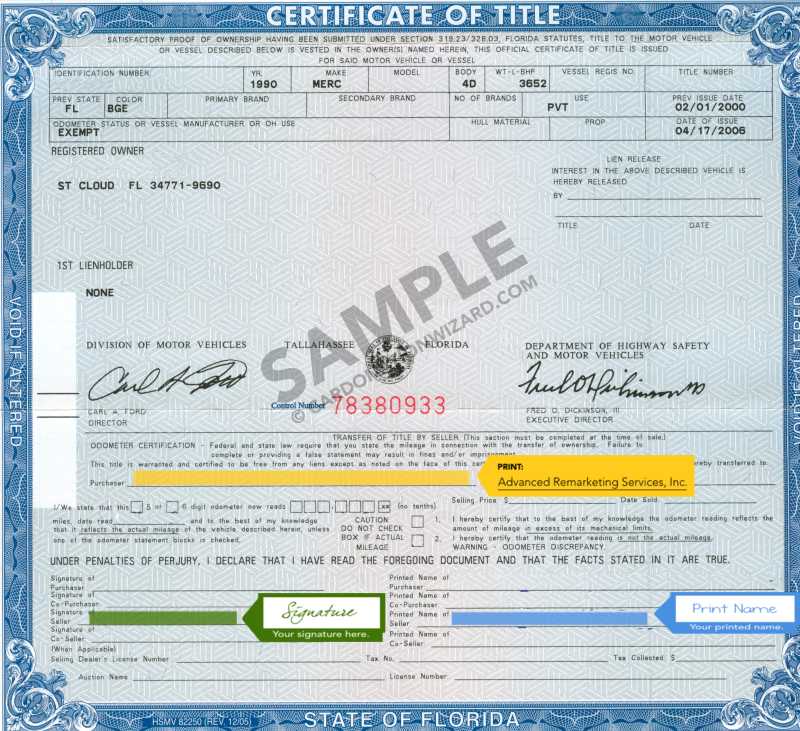
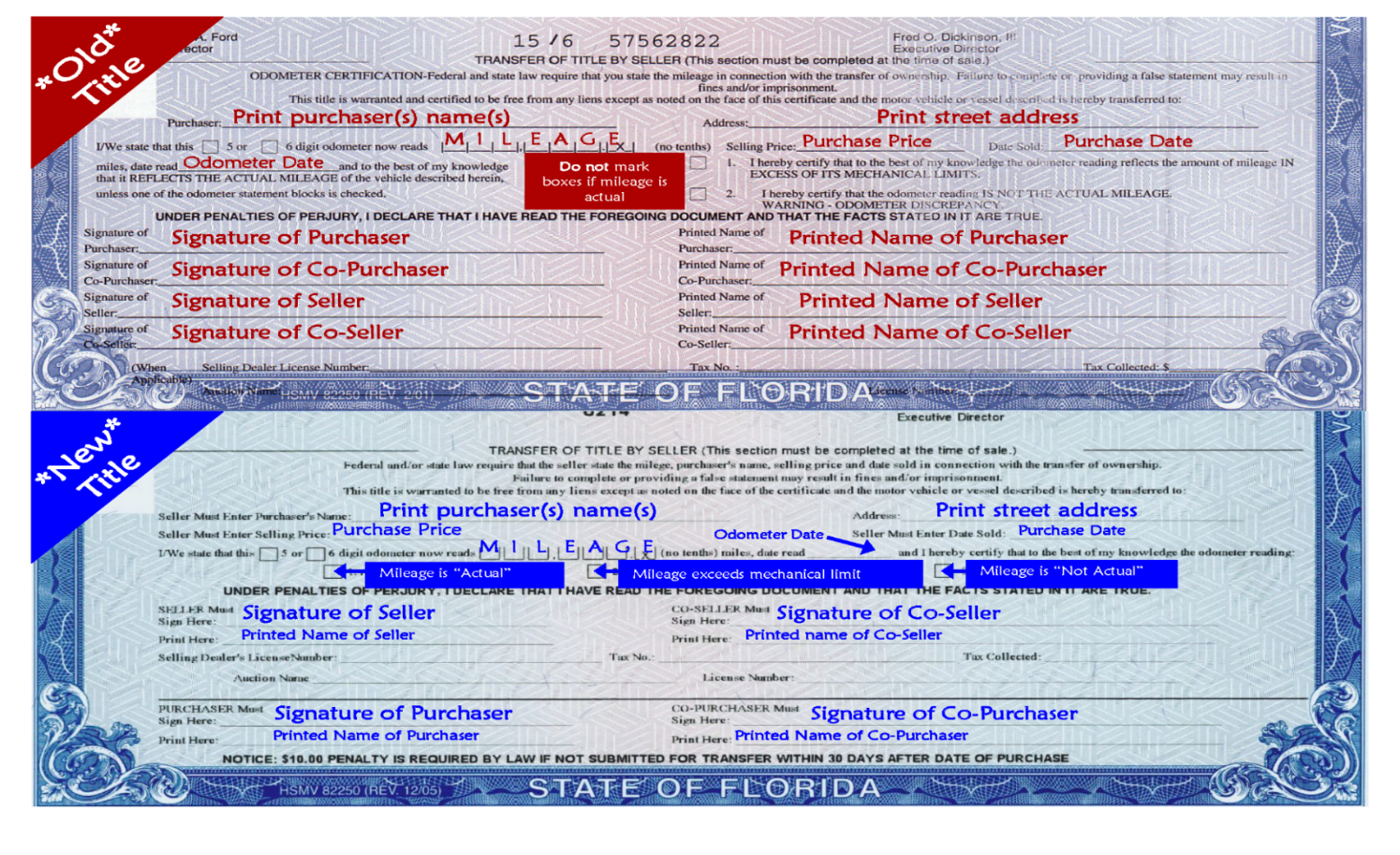
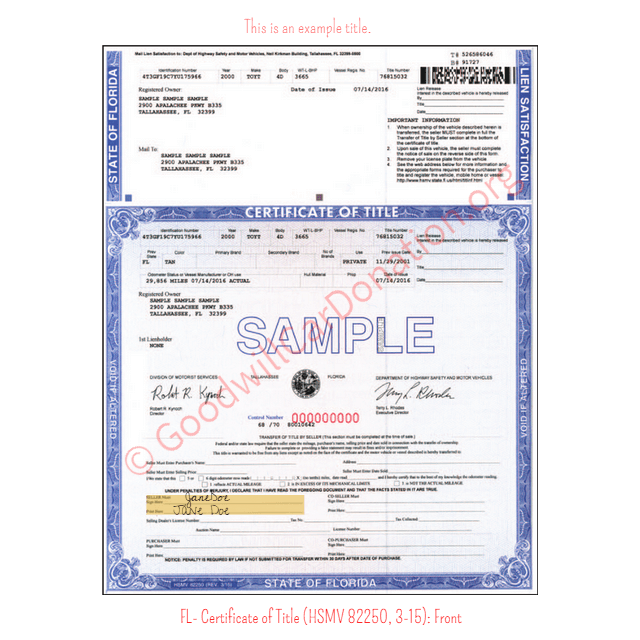
- Original Vehicle Title: This is the cornerstone document. The seller must sign over the title to the buyer, and it must contain essential information such as the odometer reading, purchase price, and date of sale. Ensure the seller’s signature is notarized if required by your specific Tax Collector’s Office (though not always universally mandated, it’s good practice).
- Application for Certificate of Title With/Without Registration (Form HSMV 82040): This form, available online or at the DHSMV office, must be completed by the new owner.
- Proof of Identity: A valid government-issued photo ID (e.g., a Florida driver’s license, passport, or out-of-state driver’s license for new residents) is required.
- Proof of Florida Insurance: You must have valid personal injury protection (PIP) and property damage liability (PDL) insurance coverage from a Florida-licensed insurer. This is a prerequisite for vehicle registration and title transfer.
- Bill of Sale (Optional but Recommended): While not always strictly required for title transfer, a Bill of Sale provides a clear record of the transaction, including the purchase price, date, and signatures of both buyer and seller. This can be invaluable for tax purposes and dispute resolution.
- Odometer Disclosure Statement: For vehicles less than 10 years old, an odometer disclosure is required on the title. If the title does not have a designated space, a separate form (HSMV 82993) might be needed.
- Vehicle Identification Number (VIN) Verification: For out-of-state vehicles, a VIN verification is necessary to confirm the vehicle’s identity. This can be done by a law enforcement officer or through a designated DHSMV employee at the Tax Collector’s Office.
- Lien Satisfaction (if applicable): If there was a lien on the vehicle, the lienholder must provide a satisfaction of lien.
The Step-by-Step Process for a Smooth Transfer
Once you’ve gathered all the necessary documents, the actual title transfer process in Florida is fairly straightforward. Understanding each step will help you navigate the system efficiently, leaving you more time to explore Florida’s countless attractions, from the vibrant arts scene of Sarasota to the historical richness of Pensacola.
Preparing Your Documents
Before you even think about visiting an office, a thorough review of your paperwork is essential. Ensure that all forms are accurately filled out, signatures are present where required (especially on the original title by the seller), and all necessary supporting documents like your ID and insurance proof are ready. For new Florida residents, having your out-of-state title and the completed VIN verification form (HSMV 82042) is crucial. Double-checking everything at home saves time and avoids potential rejections at the counter, which can be particularly frustrating when you’re eager to get settled and start enjoying your new home.
Visiting the Florida Department of Highway Safety and Motor Vehicles (DHSMV) / Tax Collector’s Office
In Florida, vehicle services are primarily handled by your local Tax Collector’s Office, which acts as an agent for the DHSMV.
- Locate Your Nearest Office: You can find your local Tax Collector’s Office on the DHSMV website. Many offices allow you to schedule appointments online, which can significantly reduce wait times, especially during peak seasons when tourism is high.
- Submit Documents: Present all your prepared documents to the clerk. They will review everything for completeness and accuracy.
- Pay Fees and Taxes: This is where you’ll pay the title transfer fee, sales tax (if applicable), and any registration fees.
- Receive Your New Registration and Plate: Once everything is processed, you’ll typically receive your new vehicle registration and license plate on the spot. Your physical Florida title will usually be mailed to you within a few weeks.
Understanding Fees and Taxes
The financial aspect of transferring a car title in Florida involves several components:
- Title Transfer Fee: There is a standard fee for transferring a title, which can vary slightly but is generally a modest amount.
- Sales Tax: If you purchased the vehicle, Florida sales tax (6% of the purchase price, or the fair market value if the purchase price is unusually low) must be paid at the time of transfer, unless previously paid to a licensed dealer. For gifted vehicles, sales tax typically isn’t applied unless the gift is between non-immediate family members.
- Registration Fees: These fees are for obtaining your license plate and annual registration. They vary based on the type and weight of the vehicle. New residents will also pay an initial registration fee (new plate fee) in addition to the annual registration.
- Lien Recording Fee: If you have a loan on the vehicle, there will be a small fee to record the lien on the title.
It’s always a good idea to check the specific fees on your local Tax Collector’s Office website or the DHSMV portal, as these can be updated periodically.
Special Considerations for Florida Residents and Visitors
Florida’s unique position as a major tourist destination and a popular state for relocation means there are a few special scenarios and tips that residents and long-term visitors should be aware of. Navigating these nuances correctly ensures your vehicle ownership remains compliant with state law, whether you’re a snowbird enjoying the winter in Naples or a new resident establishing roots in Tampa.
Out-of-State Transfers and New Residents
If you’re moving to Florida from another state, the process has a few additional steps:
- VIN Verification: As mentioned, your out-of-state vehicle’s VIN must be verified. This can be done by an officer at the DHSMV or Tax Collector’s Office, or by a Florida law enforcement officer, licensed dealer, or private investigative agency.
- Original Out-of-State Title: You must surrender your original out-of-state title to obtain a Florida title. If you have a lien on your vehicle, the DHSMV will request the title from your lienholder.
- Proof of Residency: While not always a direct requirement for title transfer, proof of your Florida residency (e.g., utility bill, lease agreement) will be needed for your driver’s license and can sometimes be requested during vehicle registration.
- Driver’s License Requirement: You typically have 30 days to obtain a Florida driver’s license after establishing residency. While your out-of-state license might suffice for the title transfer, having your new Florida license simplifies all vehicle-related transactions.
Title Transfers for Specific Scenarios
Certain situations have particular requirements:
- Leased Vehicles: If you are leasing a vehicle and becoming a Florida resident, the leasing company usually holds the title. You will need to contact them to have the title submitted to the DHSMV for Florida registration and plate.
- Salvage Titles: Vehicles declared a total loss by an insurance company are issued a salvage title. If you’re transferring a salvage title, be aware that there are additional inspections and forms required (e.g., a “rebuilt” title application) before the vehicle can be legally operated on public roads. This is a complex process and often requires professional assistance.
- Deceased Owner: For inherited vehicles, you’ll typically need a copy of the death certificate, the will (if applicable), and possibly an affidavit from the clerk of court. The specific forms and processes can vary depending on whether the estate is going through probate.
Tips for a Seamless Experience and Avoiding Pitfalls
Successfully transferring a car title in Florida shouldn’t detract from your plans to explore Key West‘s vibrant atmosphere or enjoy a tranquil stay at a beachfront resort. By following a few best practices, you can ensure the process is as efficient as possible.
Double-Checking Everything
This cannot be emphasized enough. Before you leave for the Tax Collector’s Office, take a moment to:
- Verify Signatures: Ensure all required signatures, especially the seller’s on the title, are present and correctly placed.
- Odometer Reading: Confirm the odometer reading on the title or disclosure form is accurate and matches the vehicle.
- Purchase Price: Clearly state the purchase price on the title or Bill of Sale.
- Insurance Information: Have your Florida insurance policy information readily available.
- Appointments: If your local office offers appointments, book one in advance to save significant time.
The Importance of Timeliness
Florida law requires you to transfer a title within a specific timeframe, typically 30 days from the date of sale for purchased vehicles. Failing to do so can result in late fees and penalties. For new residents, the clock starts ticking when you establish residency, necessitating a timely registration and title transfer of your out-of-state vehicle. Adhering to these deadlines is crucial for avoiding unnecessary expenses and legal complications, ensuring you can focus on enjoying the Florida lifestyle without any bureaucratic burdens.
In conclusion, transferring a car title in Florida is a manageable process that, when handled correctly, paves the way for smooth vehicle ownership. By understanding the requirements, preparing your documents, and knowing what to expect at the Tax Collector’s Office, you can quickly fulfill your obligations and gain the freedom to fully explore this beautiful state. From spontaneous road trips to Amelia Island to well-planned vacations at luxury resorts, a properly titled vehicle is your ticket to experiencing all the travel, tourism, and lifestyle adventures Florida has to offer. So, get your paperwork in order, and prepare to hit the open road with confidence.
LifeOutOfTheBox is a participant in the Amazon Services LLC Associates Program, an affiliate advertising program designed to provide a means for sites to earn advertising fees by advertising and linking to Amazon.com. Amazon, the Amazon logo, AmazonSupply, and the AmazonSupply logo are trademarks of Amazon.com, Inc. or its affiliates. As an Amazon Associate we earn affiliate commissions from qualifying purchases.