
As the radiant sunshine and inviting beaches of Florida typically beckon travelers from around the globe, a different kind of forecast is currently dominating headlines. The state is bracing for the imminent arrival of Hurricane Milton, a formidable storm threatening to disrupt travel plans, affect accommodation, and impact the daily lives of millions. For both residents and visitors, understanding the storm’s projected path, timeline, and potential consequences is paramount. This guide aims to provide comprehensive insights, drawing on official reports and offering practical advice for navigating this challenging period, especially through the lens of travel, tourism, and lifestyle choices.
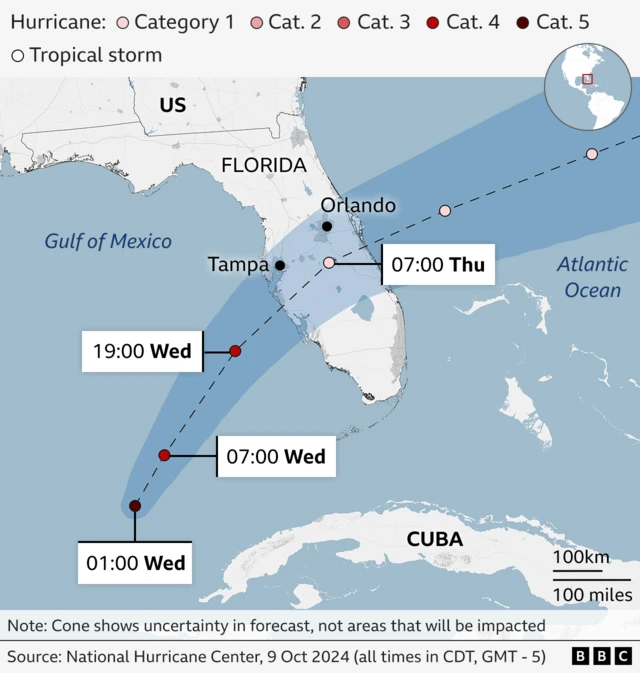
The anticipation surrounding Hurricane Milton is palpable. Described as a major hurricane, with the potential to reach Category 3 or even Category 4 intensity, its impending arrival casts a shadow over the usually vibrant Sunshine State. Authorities are urging vigilance, preparedness, and adherence to official directives to ensure safety and minimize potential damage. Whether you’re a local preparing your home, a tourist with immediate travel plans, or an armchair traveler watching from afar, the unfolding situation demands attention and informed decision-making.
Understanding Hurricane Milton’s Trajectory and Timeline
The dynamic nature of hurricane forecasting means that while projections offer the best available information, slight shifts can occur. However, the general consensus points to a significant impact, making early preparation crucial.
Current Projections and Expected Landfall
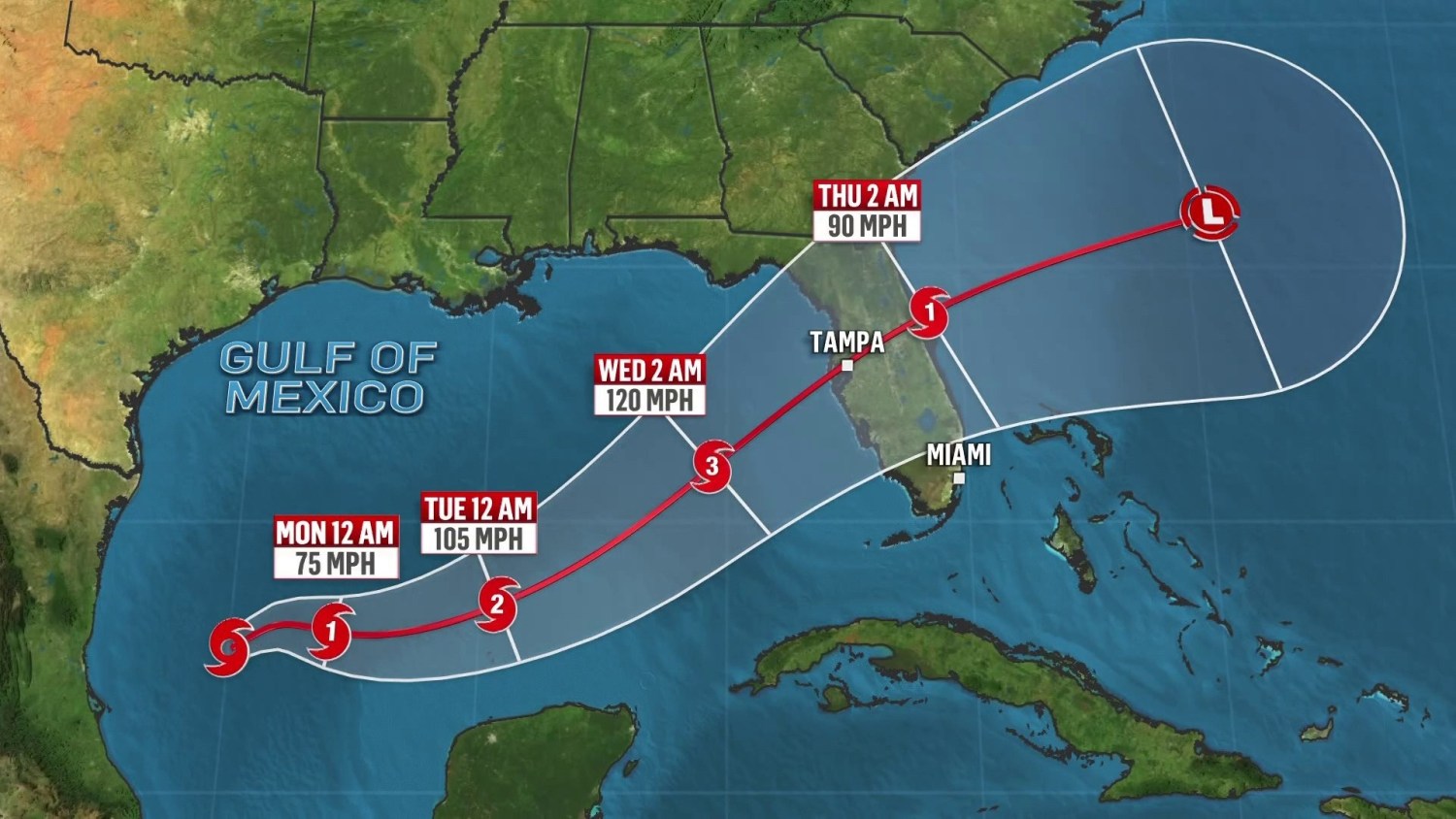
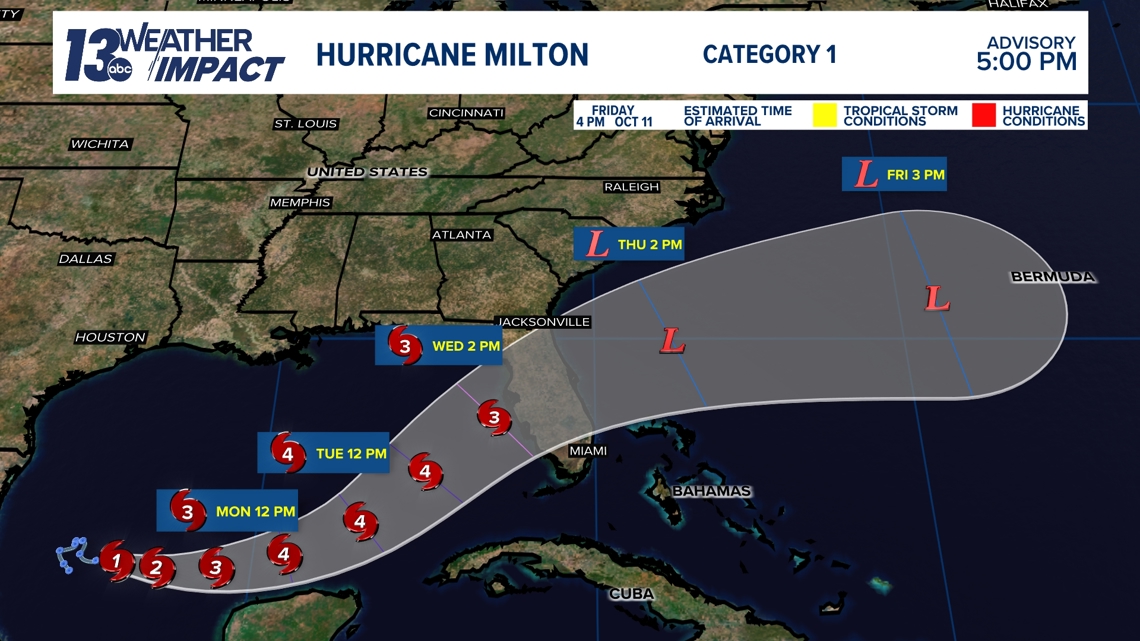
According to the latest advisories, Hurricane Milton is projected to make landfall in Florida primarily across the Gulf Coast region. The most critical window for impact is expected to be late Wednesday or early Thursday. Recent updates from the National Hurricane Center (NHC) indicate a slight shift in the storm’s track further south and west, which could bring particularly severe conditions to areas such as Southwest Florida, Sarasota, and the broader Tampa Bay region. These areas are now under the highest alert, facing the brunt of the storm’s fury, including high winds, torrential rainfall, and devastating storm surge.
For anyone with travel plans or current stays in these locales, monitoring real-time updates from official sources like the NHC and the Florida Division of Emergency Management (FDEM) is not just advisable, but essential. Understanding the specific timing of landfall and the hours leading up to it is critical for implementing safety plans, whether that involves hunkering down or evacuating. Travelers accustomed to the luxury resorts or boutique hotels dotting these coastal areas should be in direct communication with their accommodation providers to understand specific protocols and any changes to their reservations.
Areas Under Threat: Watches and Warnings
In response to the evolving threat, a wide array of watches and warnings have been issued across various counties. These alerts are critical indicators of the danger level and trigger specific actions for residents and visitors.
- Hurricane Watch: This alert signifies that hurricane conditions are possible within the specified area, typically within 48 hours. Many coastal areas along the Gulf Coast, including parts of Southwest Florida and the Florida Keys, are currently under a Hurricane Watch. For travelers, this means immediate attention to evacuation orders and securing any last-minute travel changes.
- Tropical Storm Watch: Indicating that tropical storm conditions are possible, generally within 48 hours. This has been issued for broader regions, extending inland and to the eastern coast, including parts of Miami-Dade, Broward, and Palm Beach Counties. While less severe than hurricane conditions, tropical storms still bring dangerous winds, heavy rain, and the potential for localized flooding and power outages.
- Storm Surge Watch: This is perhaps one of the most dangerous aspects of a hurricane. A Storm Surge Watch means there is a possibility of life-threatening inundation from rising water moving inland from the coastline within 48 hours. Low-lying coastal areas are particularly vulnerable, and specific evacuation orders are often tied to storm surge projections.
In anticipation of Hurricane Milton’s arrival, Florida Gov. Ron DeSantis has declared a State of Emergency for numerous counties, unlocking state resources for preparation and response. President Joe Biden has also approved an emergency declaration, providing federal assistance. These declarations underscore the gravity of the situation and the coordinated effort to protect lives and property. It’s imperative that everyone within these watch zones takes these warnings seriously and acts accordingly.
Essential Preparations for Residents and Visitors
When a major hurricane is on the horizon, preparation transitions from a recommendation to an absolute necessity. For both long-term residents and those on a temporary visit, understanding and executing a robust preparedness plan can make all the difference.
Immediate Safety Measures and Evacuation Guidelines
The most crucial advice during a hurricane threat is to heed local authorities. Emergency managers are continuously assessing the situation and issuing specific instructions tailored to their communities.
- Know Your Zone: If you are in Florida, whether as a resident or a visitor, identify your evacuation zone immediately. Local government websites and the FDEM typically provide interactive maps for this purpose. If you are staying in a hotel or resort, inquire about their specific evacuation plans and muster points.
- Follow Evacuation Orders: Evacuation orders are not suggestions; they are directives issued for your safety. Several counties within the projected impact zone have already issued mandatory or voluntary evacuation orders. If you are told to evacuate, do so promptly and follow designated evacuation routes. Traffic can become congested quickly, so early departure is key. For those utilizing vacation rentals, ensure your landlord or booking agent has clearly communicated evacuation procedures.
- Secure Your Property: If you are unable to evacuate or are in a non-evacuation zone, take steps to secure your property. Bring in or tie down anything that could become a projectile, such as patio furniture, garbage cans, and decorations. Board up windows and reinforce doors if possible. This not only protects your property but also prevents flying debris from endangering others.
- Stay Informed: Have multiple ways to receive emergency alerts – a battery-powered radio, NOAA weather radio, and official local news sources are vital, especially if power outages occur. Relying solely on internet or mobile phone service may be unreliable during and after the storm.
Stocking Up: Ensuring Your Survival Kit is Ready
Even if you’re not in an evacuation zone, preparing to shelter in place is essential. Power outages, water disruptions, and blocked roads can isolate communities for days.
- Water: Stock at least one gallon of water per person per day for several days, for both drinking and sanitation.
- Food: Gather a supply of non-perishable food items that require no cooking or refrigeration. Think canned goods, energy bars, and dried fruits. Don’t forget a manual can opener.
- Medications: Ensure you have at least a 7-day supply of all prescription medications and any essential over-the-counter drugs.
- First Aid Kit: A well-stocked kit is crucial for treating minor injuries.
- Batteries and Chargers: Stock up on extra batteries for flashlights, radios, and power banks for mobile devices.
- Pet Supplies: Don’t forget food, water, and any necessary medications for your pets.
- Cash: ATMs may not be functional during power outages, so have small bills on hand.
- Important Documents: Store copies of vital documents (passports, insurance policies, identification) in a waterproof container.
- Fuel: Fill up your vehicle’s fuel tank. Gas stations may be closed or without power, making fuel scarce.
For travelers, many of these items can be purchased upon arrival if you anticipate a storm. Hotels often have limited supplies, so it’s wise to be self-sufficient. This level of preparedness is not just about comfort; it’s about resilience and self-reliance in the face of natural disaster.
Navigating Travel Disruptions and Accommodation Challenges
The threat of a major hurricane in a popular tourist destination like Florida inevitably leads to widespread travel disruptions. Understanding how these events impact air travel, cruise lines, and hotel bookings is crucial for anyone with plans in the region.
Air Travel and Airport Closures
One of the first and most significant impacts of a hurricane is on air travel. Airports in affected areas often cease operations for safety reasons, leading to a cascade of cancellations and delays.
- Major Airport Closures: As Hurricane Milton approaches, key airports are initiating shutdowns. Miami International Airport (MIA), Orlando International Airport (MCO), and Fort Lauderdale-Hollywood International Airport (FLL) have all announced significant flight cancellations and impending closures. These are major hubs, and their closure affects not just direct flights to Florida but also connecting flights across the country and internationally.
- Ripple Effect: Even if your destination airport isn’t directly closing, disruptions at these major hubs can cause delays and cancellations far beyond Florida’s borders. Airlines proactively cancel flights to minimize risk and allow time to move aircraft out of harm’s way.
- What to Do: If you have flights scheduled, check your airline’s website frequently for the latest updates. Many airlines issue travel waivers allowing passengers to rebook flights without change fees. Consider proactive rebooking if your travel isn’t urgent, or contact your airline for options if your flight has been canceled. For those trapped in the state, exploring alternative ground transportation before the storm hits might be an option, but only if safe and advised by officials.
Cruise Line Adjustments and Hotel Policies
The travel disruptions extend beyond air travel to the cruise industry and various accommodation sectors, necessitating flexibility and clear communication.
- Cruise Line Rerouting: Cruise lines operating out of Florida ports are highly responsive to hurricane threats. It is standard procedure for ships to reroute to avoid storms, delay departures, or even cancel sailings. Passengers should consult their cruise line’s official communication channels for immediate updates regarding itinerary changes. This might mean missing a port of call, extending a trip, or returning to a different port. Flexibility is key when traveling on a cruise during hurricane season.
- Hotel and Resort Policies: Hotels, from luxury resorts to budget-friendly motels, typically implement specific hurricane policies. Many offer flexible cancellation or rebooking options during declared states of emergency. If you have an existing reservation, contact your hotel directly to inquire about their storm policy. They may offer waivers for cancellation fees or allow you to postpone your stay. For those considering a long-term stay, the situation could be even more complex, requiring direct negotiation with property managers or owners. In some cases, hotels in non-evacuation zones may even serve as shelters for those evacuating from coastal areas, though their primary focus will be on the safety of their current guests and staff.
The Role of Travel Insurance
In situations like Hurricane Milton, travel insurance becomes an invaluable asset, especially for those who’ve invested significantly in their trip.
- Coverage for Trip Interruptions: Most comprehensive travel insurance policies cover trip cancellations or interruptions due to natural disasters like hurricanes. This can reimburse you for non-refundable expenses such as flights, hotel bookings, and pre-paid tours if you have to cancel or cut your trip short.
- Medical and Evacuation Coverage: Some policies also include medical coverage and emergency evacuation, which could be critical if you face health issues or need to be moved to a safer location during the storm.
- Know Your Policy: It’s vital to review your specific policy’s terms and conditions, as coverage can vary. Pay attention to clauses regarding “known events” – if you purchased insurance after Hurricane Milton was already a named storm, certain coverages related to the hurricane might be excluded. Always contact your insurance provider as soon as a hurricane threatens to understand your options and begin any claims process.
Post-Storm Recovery and What to Expect
While immediate attention is rightly focused on preparedness and weathering the storm, it’s equally important to consider the aftermath. Florida, a state with a long history of resilience in the face of hurricanes, will inevitably embark on a recovery journey.
Immediate Aftermath: Power, Flooding, and Debris
Once the immediate threat of Hurricane Milton passes, the immediate challenges will shift to assessing and mitigating damage.
- Widespread Power Outages: Given the projected intensity, widespread and prolonged power outages are highly probable, especially in the direct impact zones. Utility companies will work tirelessly to restore power, but this can take days or even weeks in severely affected areas. Travelers might find even the most luxurious hotels without air conditioning or hot water, underscoring the need for personal preparedness items.
- Flooding: Heavy rainfall and storm surge will lead to significant flooding, particularly in low-lying coastal areas. Roads may be impassable, hindering travel and access to essential services. Flash flooding can occur far inland, so even areas not directly on the coast should exercise caution.
- Debris: High winds will inevitably bring down trees, power lines, and create significant debris. This will make travel difficult and dangerous. Emergency services will be focused on search and rescue, and clearing critical pathways.
During this period, it’s crucial to continue listening to local authorities. Do not drive through flooded areas, stay away from downed power lines, and conserve resources. Be patient, as recovery efforts are massive undertakings that require time and coordination.
Long-Term Outlook for Tourism and Local Life in Florida
Florida’s tourism industry is a cornerstone of its economy, and its ability to recover swiftly from natural disasters is often remarkable. However, the long-term outlook for specific regions after a Category 3 or 4 hurricane can vary.
- Initial Downturn: Immediately after the storm, tourism will undoubtedly experience a sharp downturn in the affected areas. Attractions may be closed for repairs, infrastructure might be damaged, and the focus will be on rebuilding communities.
- Resilience and Rebuilding: Historically, Florida communities have shown immense resilience. With state and federal aid, and the strong will of local residents and businesses, recovery efforts will begin quickly. This often involves significant investment in rebuilding infrastructure, repairing attractions, and restoring hotel properties. For example, popular destinations in Southwest Florida that attract families, budget travelers, and those seeking luxury experiences will prioritize getting back on their feet.
- Supporting Local Economies: For future travelers, once areas are declared safe and open for business, visiting can be a powerful way to support local economies in their recovery. Be mindful that while popular spots like Miami or Orlando might bounce back quickly, smaller coastal towns could take longer. Check official tourism websites and news outlets for updates on when specific destinations are ready to welcome visitors again.
In conclusion, Hurricane Milton represents a serious threat to Florida, demanding vigilance and preparedness from everyone in its path. For those currently in or planning to travel to the Sunshine State, staying informed through official channels, understanding the potential for widespread disruption, and prioritizing personal safety are paramount. While the storm brings immediate challenges, Florida’s spirit of resilience suggests that it will eventually recover, and its beautiful landscapes and vibrant culture will once again welcome travelers from around the world. Until then, the focus remains on safety, preparation, and community support.
LifeOutOfTheBox is a participant in the Amazon Services LLC Associates Program, an affiliate advertising program designed to provide a means for sites to earn advertising fees by advertising and linking to Amazon.com. Amazon, the Amazon logo, AmazonSupply, and the AmazonSupply logo are trademarks of Amazon.com, Inc. or its affiliates. As an Amazon Associate we earn affiliate commissions from qualifying purchases.