
Nestled in the heart of the Deep South, Alabama is a state renowned for its rich history, vibrant culture, and breathtaking natural beauty. From the white-sand beaches of the Gulf Coast to the majestic Appalachian Mountains, the landscape is a tapestry of diverse ecosystems and charming Southern hospitality. For travelers exploring this fascinating state, understanding its unique symbols adds another layer of appreciation to their journey. Among these cherished emblems, the state flower stands out, embodying the elegance and resilience characteristic of Alabama. So, what exactly is the state flower of Alabama? It is the exquisite Camellia.
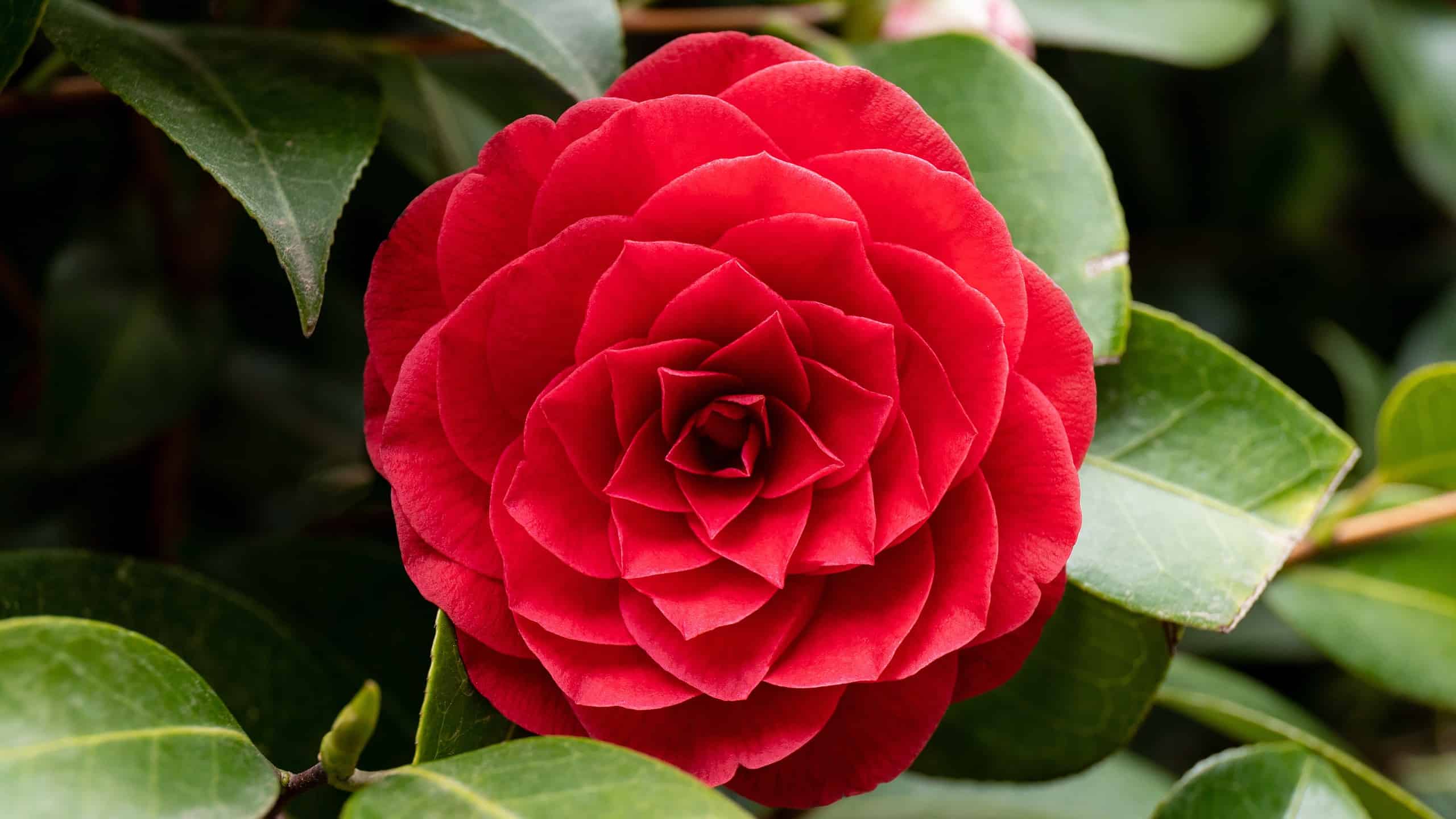
Officially adopted in 1959, the Camellia (Camellia japonica) replaced the Goldenrod, which had held the title since 1927. The shift reflected a desire to recognize a flower more intrinsically linked to the state’s horticultural heritage and aesthetic appeal. The Camellia is not merely a pretty bloom; it tells a story of Southern grace, enduring beauty, and a cherished lifestyle. This article delves into the world of Alabama’s state flower, exploring its history, characteristics, and how visitors can incorporate its beauty into their travel plans, from discovering prime viewing spots to choosing the perfect accommodation for a nature-inspired getaway.
The Resplendent Camellia: Alabama’s Floral Emblem
The journey to becoming Alabama’s state flower is as rich and intricate as the flower itself. The Camellia’s presence in the South dates back to the late 18th century, brought to the United States from Asia, primarily China and Japan. Its ability to thrive in the Southern climate, coupled with its stunning winter blooms, quickly made it a favorite among horticulturists and garden enthusiasts.
A History Rooted in the South
While not native to Alabama, the Camellia found its true home in the warm, humid climate of the Southern United States. Its popularity grew steadily throughout the 19th and 20th centuries, becoming a hallmark of elegant Southern gardens. The movement to adopt the Camellia as the state flower gained momentum in the mid-20th century, spearheaded by various garden clubs and civic organizations that recognized its cultural and aesthetic significance. The official change from the Goldenrod to the Camellia was a reflection of the flower’s deep integration into the Southern identity, symbolizing beauty, perfection, and longevity. The Camellia’s evergreen foliage ensures year-round visual appeal, while its blossoms offer a much-needed splash of color during the cooler months, making it a beloved sight when many other plants are dormant. This characteristic further cemented its status as a resilient and cherished emblem for the state.
Varieties and Characteristics of the Camellia
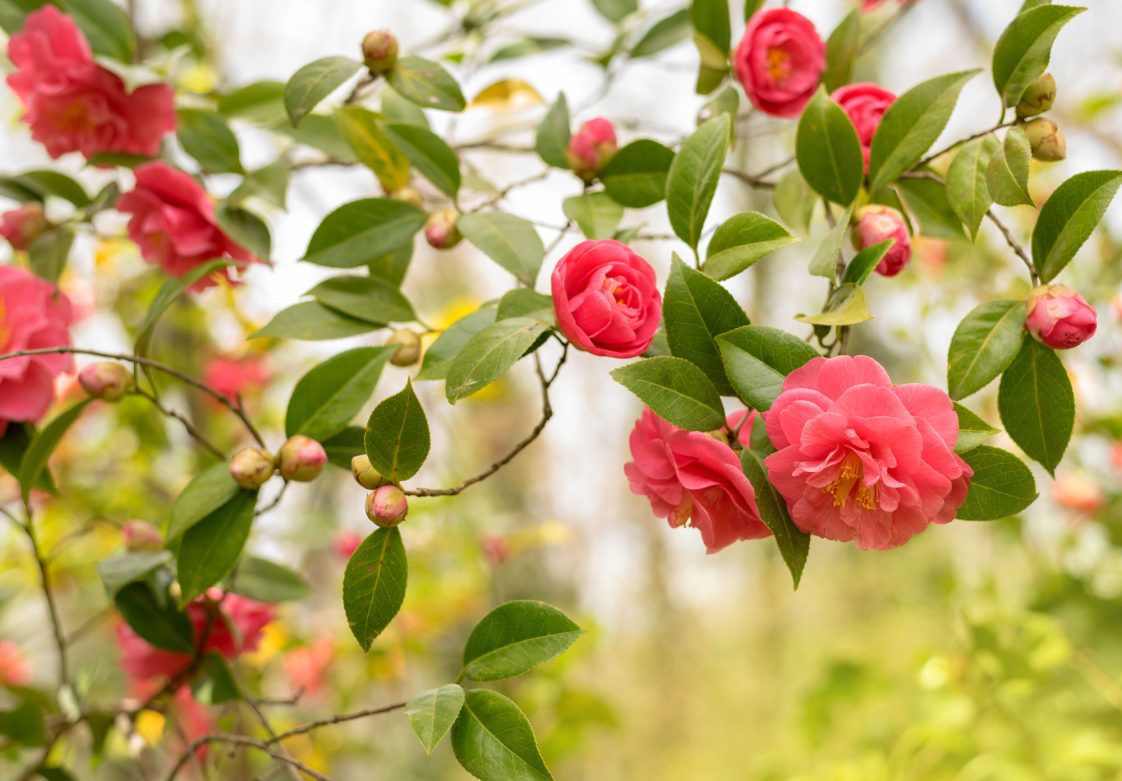
The Camellia family is vast, encompassing numerous species and thousands of cultivars, each boasting unique characteristics. The most commonly recognized and cultivated species in Alabama is Camellia japonica, often simply referred to as the Japanese Camellia. These shrubs or small trees are celebrated for their glossy, dark green leaves and their spectacular flowers, which range in color from pure white to various shades of pink and red.
Camellia blooms can vary significantly in form, from single petals to semi-double, anemone, peony, rose, and formal double types. Their flowering season typically spans from late fall through early spring, providing vibrant color when many other plants are dormant. This extended blooming period is a particular delight for residents and visitors alike, offering a continuous display of floral elegance. The flowers can also be quite large, sometimes reaching up to five inches in diameter, making a bold statement in any garden. Beyond Camellia japonica, other species like Camellia sasanqua are also popular, known for their earlier blooming season (typically fall) and slightly smaller, often fragrant flowers, adding to the diversity of Camellias found across the state. Understanding these varieties enriches the experience of exploring Alabama’s botanical treasures.
Cultivation and Care: A Southern Passion
Cultivating Camellias is a passion for many in Alabama. These plants prefer well-drained, acidic soil and partial shade, conditions that are often met in many parts of the state. While generally robust, they require specific care to thrive, making them a point of pride for gardeners. Local nurseries and botanical gardens throughout Alabama often offer workshops and resources on Camellia cultivation, sharing centuries of accumulated knowledge. Visitors interested in horticulture can delve deeper into this aspect by visiting specialist gardens, where expert staff share insights into these magnificent plants. This aspect of local culture ties directly into the ‘Lifestyle’ and ‘Tourism’ themes of travel, as many passionate gardeners plan trips around visiting famous gardens or participating in horticultural events. The dedication to their care reflects a broader appreciation for nature and beauty that is deeply ingrained in the Southern way of life.
Experiencing Alabama’s Natural Beauty: Where to See the Camellia
For travelers eager to witness the beauty of Alabama’s state flower firsthand, the state offers numerous opportunities. From sprawling botanical gardens to historic estates, the Camellia thrives in various settings, often alongside other stunning flora, creating unforgettable experiences for nature lovers and casual visitors alike.
Botanical Gardens and Public Spaces
Alabama is home to several magnificent botanical gardens and public parks where Camellias are prominently featured. These institutions not only preserve diverse collections but also serve as educational centers and popular tourist attractions.
One of the premier destinations is the Birmingham Botanical Gardens, located in Birmingham. This sprawling 67-acre garden boasts one of the most extensive Camellia collections in the Southeast, featuring hundreds of varieties. Visitors can wander through dedicated Camellia trails, marveling at the vibrant blooms during their peak season. The gardens offer a serene escape, combining horticultural excellence with art and education, making it a perfect spot for families, couples, and solo travelers seeking tranquility and beauty.

Further south, in the historic city of Mobile, the Mobile Botanical Gardens also showcases impressive Camellia displays. Mobile, with its deep French and Spanish roots, has a long history of garden culture, and the Camellia is an integral part of its charm. The gardens feature various plant collections adapted to the Gulf Coast climate, including a significant Camellia section. Another must-visit near Mobile is Bellingrath Gardens and Home in Theodore, a 65-acre estate renowned for its year-round floral displays, with Camellias being a major highlight, especially in winter. These gardens offer not just flowers but also beautifully landscaped paths, water features, and historic structures, providing a comprehensive travel experience.
Other notable locations include Aldridge Gardens in Hoover, known for its unique collection of Hydrangeas but also featuring Camellias, and the Dothan Botanical Gardens in Dothan, which provides a peaceful setting to enjoy diverse plant life, including various Camellia specimens. These spaces offer ideal “Destinations” and “Attractions” for anyone passionate about floriculture or simply seeking a beautiful place to relax and enjoy nature.
Festivals and Events Celebrating Floral Beauty
While there aren’t always specific “Camellia Festivals” every year, the blooming season often coincides with general garden tours, cultural events, and art shows in many Alabama cities. For instance, Mobile’s historic district often hosts garden tours that prominently feature private and public Camellia collections during their peak. These events provide a unique opportunity to experience local culture and hospitality, often including food vendors, local artisans, and live music. Checking local tourism boards for cities like Birmingham, Mobile, or Montgomery prior to your visit can help uncover these seasonal “Activities” and “Experiences”. Sometimes, even local church or historical society events will incorporate garden tours, giving travelers a glimpse into private, meticulously maintained gardens that aren’t usually open to the public. These cultural experiences add a significant dimension to the floral appreciation, blending history, community, and natural beauty.
Exploring Alabama’s Scenic Routes and Beyond
Beyond formal gardens, travelers can often spot Camellias growing in residential areas, particularly in older neighborhoods and historic districts across Alabama. Driving through towns like Fairhope along Mobile Bay, or the tree-lined streets of Old Cloverdale in Montgomery, can be a delightful way to encounter these beautiful plants in their naturalized settings. Many of Alabama’s scenic byways and historic trails pass through areas rich in horticultural beauty, making road trips an excellent way to combine sightseeing with flower spotting. These self-guided “Travel Guides” allow for flexibility and a deeper connection with the state’s diverse landscapes. For instance, a drive through the historic Natchez Trace Parkway (which skirts parts of Alabama) or local state parks might offer unexpected encounters with beautiful gardens, large old growth trees, and a chance to truly experience the Southern wilderness.
Plan Your Alabama Getaway: Travel, Accommodation, and Lifestyle
Visiting Alabama to appreciate its state flower is more than just a garden tour; it’s an opportunity to immerse yourself in Southern charm, explore vibrant cities, and enjoy diverse cultural experiences. Planning your trip with the website’s main topics in mind can enhance every aspect of your “Travel” and “Tourism” experience.
Top Destinations for Nature Lovers and Cultural Enthusiasts
When planning a trip centered around the Camellia, cities like Mobile, Birmingham, and Montgomery are excellent starting points.
- Mobile: As Alabama’s oldest city and a hub of horticultural history, Mobile offers not only the Mobile Botanical Gardens and Bellingrath Gardens and Home but also a rich tapestry of history, with beautiful antebellum homes and vibrant Mardi Gras traditions. Don’t miss the USS Alabama Battleship Memorial Park, a major “Landmark” for history buffs.
- Birmingham: The state’s largest city, Birmingham, boasts the magnificent Birmingham Botanical Gardens and a dynamic food scene, along with crucial Civil Rights landmarks like the Birmingham Civil Rights Institute. It perfectly blends natural beauty with urban exploration.
- Montgomery: The state capital, Montgomery, is steeped in history, particularly significant for the American Civil Rights Movement. While its botanical offerings might be smaller, its historic districts showcase beautiful private gardens, and its “Local Culture” provides a deep dive into Southern heritage.
- Beyond the Cities: Consider venturing to the Gulf Shores and Orange Beach for coastal relaxation and Gulf State Park for outdoor activities, or explore charming small towns like Fairhope, known for its artistic community and scenic bayside views. These locations offer a different facet of Alabama’s beauty, often with Camellias adorning local gardens.
Hotels and Resorts Amidst Floral Splendor
Choosing the right “Accommodation” is key to a fulfilling trip. Alabama offers a range of options, from luxurious resorts to cozy boutique hotels, many of which are situated close to botanical attractions or feature beautiful gardens themselves.
In Mobile, consider staying at a historic hotel like the Battle House Renaissance Mobile Hotel & Spa, which offers elegant surroundings and is a short drive from Bellingrath Gardens. For a more secluded luxury experience, The Grand Hotel Golf Resort & Spa, Autograph Collection in Point Clear (near Fairhope) offers stunning bayside views, meticulously maintained grounds, and opulent amenities, making it a perfect choice for “Luxury Travel”.
In Birmingham, the Elyton Hotel, Autograph Collection provides a sophisticated urban experience with easy access to the Birmingham Botanical Gardens and the city’s culinary scene. For those preferring a “Budget Travel” option or “Long-term Stay”, consider serviced apartments or charming bed & breakfasts in historic districts, which often feature their own small, well-tended gardens where Camellias might bloom. Always check “Reviews” and “Comparison” sites to find the best fit for your “Lifestyle” and preferences. Many “Resorts” and “Villas” also pride themselves on their landscaping, often incorporating the very flora that defines the region, including the stately Camellia.
Lifestyle, Local Culture, and Tips for Your Alabama Adventure
Alabama’s “Lifestyle” is synonymous with Southern charm – friendly locals, delicious food, and a slower pace of life. Incorporating the appreciation of the Camellia into your trip allows for a deeper connection with this culture.
- Culinary Delights: Beyond flowers, Alabama offers a vibrant culinary scene, from fresh Gulf seafood to classic Southern comfort food and innovative farm-to-table restaurants. Many restaurants feature outdoor dining areas that might be adorned with local flora.
- Art and History: Combine your garden visits with trips to local art galleries, history museums, or live music venues. Alabama has played a pivotal role in American history, and exploring its “Landmarks” provides invaluable context.
- Best Time to Visit: To see the Camellias in their full glory, plan your trip between late fall and early spring (November to March). This is when the state flower is at its most vibrant, and the mild Southern winter weather is often ideal for exploring.
- Transportation: Renting a car is recommended for exploring Alabama’s diverse regions, giving you the flexibility to visit botanical gardens, scenic routes, and charming small towns at your own pace.
- Booking and Guides: Utilize “Booking” platforms and local “Travel Guides” to plan your itinerary efficiently. Many local tour operators offer specialized garden tours, or you can craft your own adventure based on your interests, whether it’s “Family Trips”, a romantic getaway, or a solo exploration. Don’t forget to check for local “Activities” like farmers markets or craft fairs, which are often held in scenic outdoor locations.
The Camellia truly encapsulates the spirit of Alabama – elegant, resilient, and deeply rooted in a rich cultural tapestry. From its significant presence in grand botanical gardens to its quiet beauty in residential landscapes, this flower invites visitors to slow down, appreciate the nuances of nature, and discover the heartfelt charm of the South. Whether you’re a passionate gardener, a history enthusiast, or simply seeking a beautiful escape, a trip to Alabama to witness its state flower promises an unforgettable “Experience” that connects you to the soul of this remarkable state.
LifeOutOfTheBox is a participant in the Amazon Services LLC Associates Program, an affiliate advertising program designed to provide a means for sites to earn advertising fees by advertising and linking to Amazon.com. Amazon, the Amazon logo, AmazonSupply, and the AmazonSupply logo are trademarks of Amazon.com, Inc. or its affiliates. As an Amazon Associate we earn affiliate commissions from qualifying purchases.