
The allure of Las Vegas is undeniable, a dazzling metropolis that pulsates with energy 24/7. While the neon lights, world-class entertainment, and culinary delights often take center stage, understanding the local climate is crucial for planning an enjoyable and comfortable visit. The weather in Las Vegas plays a significant role in shaping the visitor experience, influencing everything from the activities you choose to the wardrobe you pack. This iconic desert city, nestled in the Mojave Desert, boasts a distinct climate characterized by extremes, offering a unique meteorological canvas for its vibrant urban landscape.
Understanding the Las Vegas Climate: A Desert Oasis
Las Vegas experiences a hot desert climate, classified as BWh by the Köppen climate classification. This means it is characterized by very hot summers and mild winters, with very little rainfall throughout the year. The city’s geographical location, far from any significant bodies of water, contributes to its arid conditions and dramatic temperature fluctuations between day and night. The intense sunshine is a constant, casting a golden hue over the desert landscape for much of the year.
Seasonal Temperature Variations
The most striking feature of the Las Vegas climate is the pronounced difference in temperatures throughout the year. This seasonality dictates the best times to visit for those who prefer milder conditions versus those who can brave the heat.
Summer Scorcher: June, July, and August
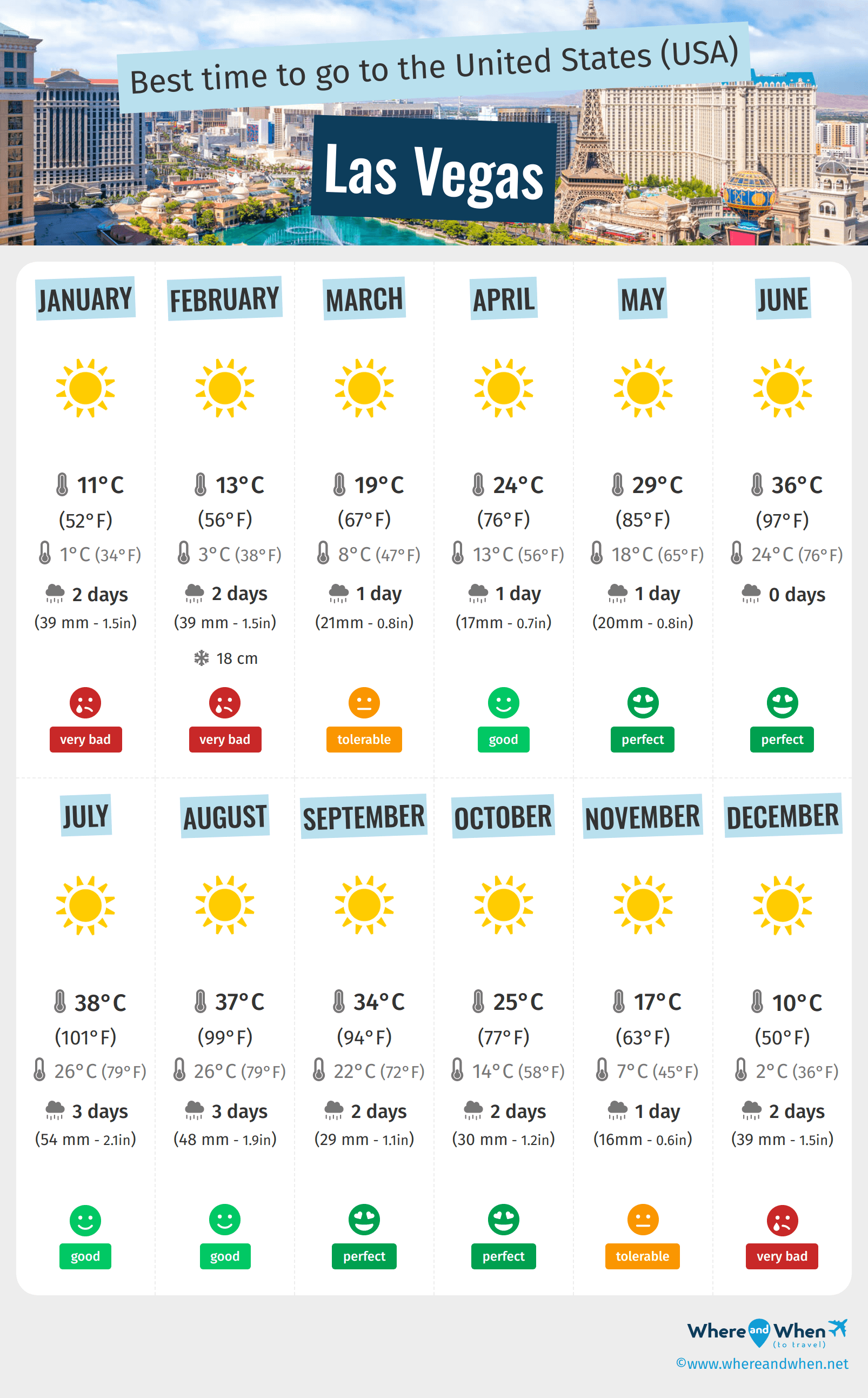
Summers in Las Vegas are legendary for their heat. Average high temperatures in July and August routinely soar above 100°F (38°C), and it’s not uncommon for the mercury to reach 110°F (43°C) or even higher. Nights offer little respite, with lows typically hovering in the upper 70s and low 80s Fahrenheit (around 26-28°C). The air is dry, but the intensity of the sun can be overpowering, making it essential to stay hydrated and seek shade during peak daylight hours. Outdoor activities require careful planning, and early morning or late evening excursions are often recommended. Despite the heat, Las Vegas remains a popular summer destination, with visitors flocking to enjoy the air-conditioned resorts, vibrant nightlife, and pool parties.
Pleasant Spring and Fall: March to May and September to November
The shoulder seasons of spring and fall are arguably the most pleasant times to visit Las Vegas in terms of weather.
-
Spring (March – May): Temperatures begin to warm up significantly in March, moving from mild to hot as May approaches. Average highs in March are in the low 70s Fahrenheit (around 22°C), climbing to the mid-80s Fahrenheit (around 29°C) by May. Nights are cool and comfortable, making for pleasant evenings. This is an excellent time for exploring the city on foot, enjoying outdoor dining, and taking day trips to nearby natural attractions.
-
Fall (September – November): Following the intense summer heat, Las Vegas experiences a delightful autumn. September still retains some warmth, with highs in the low 90s Fahrenheit (around 33°C), but by November, temperatures have cooled considerably to the pleasant mid-60s Fahrenheit (around 18°C). Evenings become crisp and cool, perfect for enjoying the city’s entertainment options without the oppressive summer heat. This is another prime period for outdoor activities and exploring the surrounding desert landscapes.
Mild Winters: December, January, and February
Las Vegas winters are generally mild and quite pleasant, a stark contrast to the scorching summers. Average high temperatures in December and January hover around the mid-50s Fahrenheit (around 13°C), with occasional warmer days reaching into the 60s. Nights can get chilly, with temperatures often dropping into the 30s and 40s Fahrenheit (around 4-9°C). Light jackets or sweaters are usually sufficient for daytime wear, while warmer layers are recommended for the evenings. Snow is exceptionally rare, though frost can occur. This season offers a welcome escape for those seeking sunshine and milder temperatures compared to colder climates elsewhere in the United States.
Precipitation and Humidity Levels
The arid nature of the Mojave Desert significantly impacts precipitation and humidity in Las Vegas.
Annual Rainfall: A Dry Affair
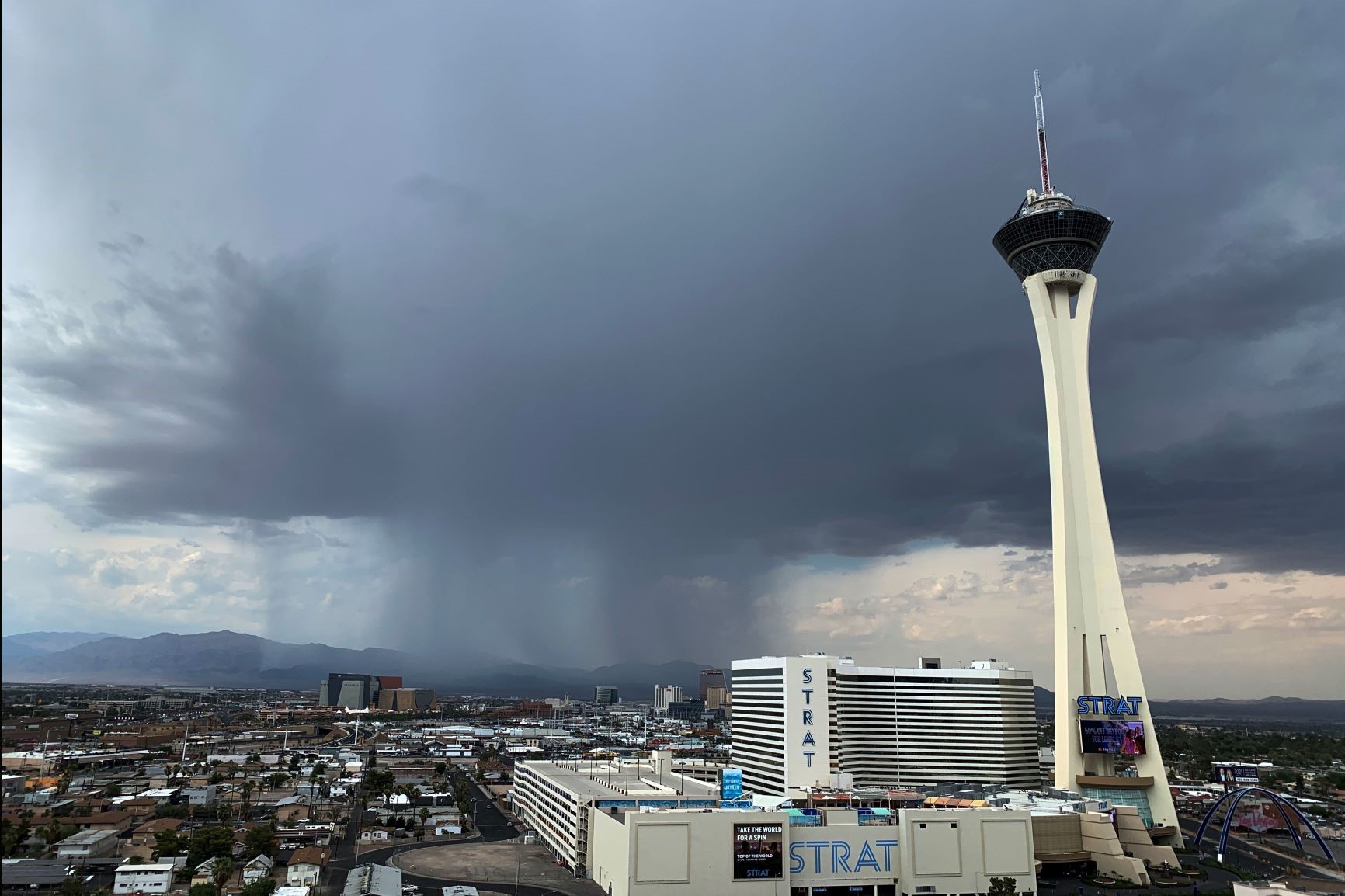
Las Vegas receives very little rainfall annually, averaging just over four inches. Most of this precipitation occurs during the winter months, from December to February, often in the form of light showers. Summer thunderstorms, while infrequent, can be intense and localized, sometimes leading to flash floods in the surrounding desert areas. These dramatic monsoon storms, when they do occur in late summer, can bring a temporary respite from the heat but are usually short-lived.
Humidity: Consistently Low
Humidity levels in Las Vegas are consistently low, a hallmark of its desert environment. This low humidity contributes to the feeling of intense heat during the summer months, as the body’s natural cooling mechanism (sweating) is less effective. However, it also means that the air generally feels dry, which can be preferable for some individuals compared to muggy, humid conditions. The dry air can be beneficial for those engaging in outdoor activities, as it reduces the feeling of stickiness.
Impact of Weather on Your Las Vegas Experience
The weather in Las Vegas directly influences the kinds of activities you can enjoy and the overall atmosphere of your visit. Planning your itinerary with the climate in mind is key to maximizing your enjoyment.
Optimal Times for Outdoor Exploration
While Las Vegas is renowned for its indoor attractions, the surrounding natural beauty of the Mojave Desert offers incredible opportunities for outdoor adventure.
-
Spring and Fall: These seasons are ideal for exploring attractions like Red Rock Canyon National Conservation Area, Valley of Fire State Park, and taking hikes in the nearby mountains. The mild temperatures make it comfortable to enjoy scenic drives, rock climbing, and photography without the extreme heat. Visiting during these periods allows for a more comprehensive exploration of the natural wonders that lie just beyond the city’s glittering façade.
-
Winter: While cooler, winter still offers pleasant conditions for outdoor activities, especially for those coming from colder climates. Day trips to the Hoover Dam or exploring the unique geological formations at Death Valley National Park are perfectly feasible, provided you dress in layers. The crisp, clear air can offer stunning vistas and a unique perspective on the desert landscape.
Navigating Summer Heat and Winter Chill
Adapting to the extremes of Las Vegas weather is essential for a comfortable trip.
-
Summer: During the summer months, outdoor activities should be concentrated in the cooler parts of the day – early mornings or late evenings. Hydration is paramount; carry water bottles and drink frequently. Utilize the numerous air-conditioned attractions, from the sprawling resorts on the Las Vegas Strip to the world-class museums and shopping centers. Poolside lounging, with ample sunscreen and hydration, becomes a popular pastime.
-
Winter: While generally mild, evenings can get quite cool. Packing layers is the most practical approach. A light jacket or sweater will be your best friend for daytime excursions and evenings out. Indoor activities remain a constant, but the cooler temperatures also make it more comfortable to stroll along the Las Vegas Strip and enjoy the vibrant street life.
Packing Essentials for Las Vegas Weather
Your packing list should be tailored to the time of year you plan to visit Las Vegas.
Summer Travel (June – August)
For a summer visit, prioritize lightweight, breathable clothing.
- Clothing: T-shirts, shorts, sundresses, and light, airy fabrics like cotton and linen are essential.
- Footwear: Comfortable walking shoes are a must, as you’ll likely do a lot of walking. Sandals are also suitable for casual wear.
- Sun Protection: A wide-brimmed hat, sunglasses, and high-SPF sunscreen are non-negotiable.
- Swimwear: If you plan to enjoy the numerous pools and water attractions.
- Hydration: Consider a reusable water bottle to stay hydrated.
Spring and Fall Travel (March – May, September – November)
These seasons offer a more temperate climate, allowing for versatile packing.
- Clothing: A mix of casual wear, including jeans, t-shirts, and light sweaters or long-sleeved shirts. Evening wear might require a slightly warmer layer.
- Outerwear: A light jacket or a cardigan for cooler evenings.
- Footwear: Comfortable walking shoes are still recommended.
- Sun Protection: While less intense than summer, sun protection is still advised.
Winter Travel (December – February)
Evenings can be cool, so layering is key.
- Clothing: Long-sleeved shirts, jeans, and sweaters.
- Outerwear: A medium-weight jacket or coat is advisable for evenings and cooler days.
- Accessories: A scarf and gloves might be useful for some, especially if you plan on spending extended time outdoors at night.
- Footwear: Comfortable closed-toe shoes are best.
Regardless of the season, it’s always wise to pack slightly dressier attire for evenings out at Las Vegas’s upscale restaurants and shows. Understanding and respecting the weather in Las Vegas will undoubtedly enhance your journey, allowing you to fully immerse yourself in all that this unique destination has to offer, from the sun-drenched canyons to the glittering casino floors.
LifeOutOfTheBox is a participant in the Amazon Services LLC Associates Program, an affiliate advertising program designed to provide a means for sites to earn advertising fees by advertising and linking to Amazon.com. Amazon, the Amazon logo, AmazonSupply, and the AmazonSupply logo are trademarks of Amazon.com, Inc. or its affiliates. As an Amazon Associate we earn affiliate commissions from qualifying purchases.