
The name Las Vegas conjures images of dazzling lights, thrilling entertainment, opulent resorts, and an endless array of experiences. Often dubbed the “Entertainment Capital of the World,” this vibrant city in Nevada has become a global icon for tourism, attracting millions of visitors seeking everything from high-stakes gambling and world-class shows to gourmet dining and family-friendly attractions. Yet, behind the glitz and glamour lies a fascinating history, a complex narrative of visionaries, opportunists, and dreamers who transformed a remote desert oasis into one of the planet’s most recognizable destinations. The question “Who founded Las Vegas?” doesn’t have a single, simple answer, but rather points to a series of pivotal moments and influential figures whose contributions collectively shaped its destiny. Understanding its foundation involves delving into centuries of exploration, early settlements, the strategic arrival of the railroad, and the bold legalization of gambling that truly set the stage for its meteoric rise.

The Oasis in the Desert: Early Beginnings
Long before the neon signs illuminated the desert night, the area now known as Las Vegas was a tranquil valley sustained by natural artesian springs. These vital water sources created lush meadows, a stark contrast to the surrounding arid landscape, making it a crucial stopping point for travelers and a fertile ground for early inhabitants. The story of its naming and initial attempts at settlement set the stage for the dramatic urban development that would follow centuries later.
Spanish Explorers and the Naming of Las Vegas
The first Europeans to document the valley were Spanish explorers. In 1829, a young scout named Rafael Rivera, part of an expedition led by Antonio Armijo, veered off the established Spanish Trail while searching for water. His discovery of the verdant meadows fed by natural springs was a godsend in the harsh desert environment. Rivera is credited with naming the area “Las Vegas,” a Spanish term meaning “the meadows,” in recognition of its striking greenery. This discovery solidified Las Vegas’s role as a vital waypoint on the Old Spanish Trail, connecting Santa Fe, New Mexico, with Los Angeles, California. For decades, traders, trappers, and pioneers traversing the rugged Southwest relied on these life-giving springs, establishing the first informal “accommodation” in the valley — a natural refuge for weary travelers. This early history underscores the inherent value of the land’s resources, a theme that would echo throughout its development into a world-class destination for travel and tourism.
The Brief Mormon Settlement
Decades after Rivera’s discovery, the allure of the Las Vegas springs once again drew attention, this time from a different kind of pioneer. In 1855, members of the Church of Jesus Christ of Latter-day Saints, commonly known as Mormons, were dispatched by Brigham Young to establish a mission in the valley. Led by William Bringhurst, a group of 29 Mormon settlers arrived with a dual purpose: to convert local Native Americans and to serve as an agricultural supply post along the Mormon Corridor, which stretched from Salt Lake City to San Bernardino, California.
They constructed a 150-square-foot adobe fort, which stands today as the Old Las Vegas Mormon Fort State Historic Park, serving as one of the city’s earliest landmarks. Despite their efforts to farm and mine lead, the challenging desert environment, internal conflicts, and difficulties in sustaining their mission ultimately led to the abandonment of the settlement in 1857. While their endeavor was short-lived, the Mormon Fort remains a tangible link to Las Vegas’s pre-urban history, representing one of the earliest structured attempts at establishing a community in the valley. This historical footnote highlights the persistent challenges of developing the region, even for communities driven by strong faith and purpose.
The Railroad’s Arrival: Birth of a City
The modern genesis of Las Vegas as a burgeoning urban center can be pinpointed to a specific period and a singular event: the arrival of the railroad and the subsequent land auction of 1905. This was the true catalyst that transformed a dusty desert stop into a town with commercial aspirations, laying the groundwork for the future entertainment mecca.
Senator Clark’s Vision and the Land Auction of 1905
The pivotal moment for Las Vegas arrived with the expansion of the American railroad system. Senator William A. Clark of Montana, a powerful copper magnate, was the driving force behind the San Pedro, Los Angeles & Salt Lake Railroad. This ambitious project aimed to connect Salt Lake City to Los Angeles, and the Las Vegas Valley, with its abundant water supply, was identified as an ideal location for a railway stop, water depot, and maintenance hub. Clark’s company acquired vast tracts of land, including the crucial spring-fed areas.
On May 15, 1905, the San Pedro, Los Angeles & Salt Lake Railroad held an auction for 1,200 lots of land in what would become downtown Las Vegas. Within two days, all the lots were sold for approximately $265,000, attracting a diverse crowd of speculators, entrepreneurs, and settlers. This date is widely recognized as the official founding day of the city of Las Vegas. While no single individual “founded” Las Vegas in the traditional sense of planting a flag and declaring a city, Senator Clark’s strategic vision and the railroad company’s investment undeniably created the municipal entity. The land auction marked the transition from a collection of springs and fleeting settlements to a planned urban center with a commercial core.
A Hub for Commerce and Development
Following the 1905 land auction, Las Vegas quickly began to take shape as a railroad town. Businesses sprang up to cater to the railway workers and passengers, including hotels, saloons, and general stores. The initial infrastructure focused on supporting the railroad’s operations, with repair shops and a roundhouse becoming central features. This era saw the establishment of crucial public services and the formalization of city planning. The downtown area, particularly around what is now the Fremont Street Experience, became the heart of early Las Vegas.
The city’s existence was inextricably linked to the railroad, which brought not only goods and people but also a sense of connection to the wider United States. This period of early development, though modest compared to its later boom, solidified Las Vegas’s identity as a logistical hub. It was a place where travelers could find accommodation and provisions, where goods could be exchanged, and where a fledgling community was slowly but steadily growing. This commercial foundation, driven by practical necessity, would prove robust enough to withstand future challenges and provide a platform for the unprecedented growth yet to come.
The Hoover Dam Era and the Dawn of Legalized Gambling
The early 20th century presented Las Vegas with an opportunity that would dramatically alter its trajectory and cement its reputation as a place of opportunity and a haven for adult entertainment: the construction of the Hoover Dam and the pivotal decision by the state of Nevada to legalize gambling. These two factors, though seemingly disparate, were intricately linked in shaping the city’s unique identity.
An Influx of Workers and a Thriving Underbelly
The Great Depression gripped the United States in the late 1920s and early 1930s, but Las Vegas found itself in an unexpected boom. In 1931, construction began on the monumental Hoover Dam (originally known as Boulder Dam) on the Colorado River, just southeast of the city. This massive public works project attracted thousands of workers from across the country, all seeking employment during a time of widespread economic hardship. Many of these men, and their families, settled in Las Vegas, injecting a tremendous surge of population and economic activity into the small railroad town.
These dam workers, often young, single, and living far from home, sought entertainment and diversion from their grueling and dangerous jobs. Las Vegas was more than ready to provide it. The city’s nascent entertainment scene, already home to a smattering of speakeasies and informal gambling dens, began to flourish. Prostitution and illegal gambling thrived, catering to the burgeoning male population. This influx created a vibrant, if sometimes unruly, atmosphere, establishing a clear demand for the very services that would later define Las Vegas. The Hoover Dam not only provided hydroelectric power and flood control but also indirectly powered Las Vegas’s transition into a destination known for its diverse activities and vibrant nightlife, moving beyond its simple railway town roots.
Nevada’s Bold Move: Legalizing the Games
Simultaneously with the commencement of the Hoover Dam project, Nevada made a groundbreaking decision that would permanently alter Las Vegas’s future. In March 1931, the state legislature passed a bill that fully legalized gambling. This was a radical move for its time, as most other American states were either outlawing or severely restricting gambling. The rationale behind Nevada’s decision was primarily economic; facing the hardships of the Great Depression, the state sought new revenue streams and opportunities for economic development.
The legalization bill coincided perfectly with the arrival of thousands of Hoover Dam workers, providing an immediate and ready customer base for the newly legitimate casinos. Early establishments, often simple storefronts with a few slot machines and card tables, began to emerge, primarily in downtown Las Vegas along Fremont Street. This legislative act was arguably the single most important “founding” decision for modern Las Vegas as an entertainment destination. It provided the legal framework that would allow the city to grow into its distinct identity, attracting both legitimate entrepreneurs and, famously, figures from organized crime who saw immense potential in the burgeoning legal gambling industry. Without Nevada’s bold step, Las Vegas might have remained a quiet desert town, its glittering future never realized.
The Rise of the Resorts: Visionaries and Entrepreneurs
With gambling legalized and a burgeoning population, Las Vegas was ripe for expansion. The post-World War II era ushered in a new chapter, marked by ambitious construction, the arrival of iconic figures, and the creation of the mega-resort model that defines the city today. This period saw the real birth of Las Vegas as a global tourism destination.
Bugsy Siegel and the Flamingo: A New Blueprint
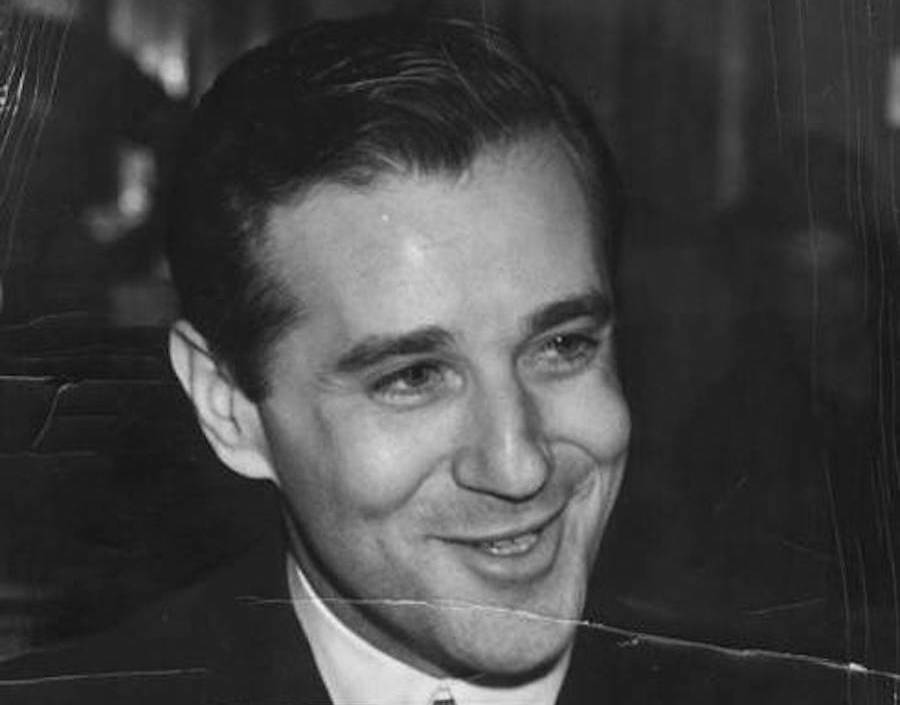
While numerous individuals contributed to the early casino landscape, one name stands out as a pivotal figure in shaping the modern image of Las Vegas: Benjamin “Bugsy” Siegel. A notorious mobster from New York and California, Siegel arrived in Nevada with a grand vision – to build a luxurious resort that would attract not just local gamblers, but wealthy tourists and celebrities from Hollywood. He envisioned a place where glamour and high-stakes gambling coexisted, a far cry from the utilitarian casinos of downtown Las Vegas.
In 1946, Siegel opened the Flamingo Hotel. Despite cost overruns and initial financial struggles, the Flamingo was revolutionary. It was the first truly opulent resort on what would become the Las Vegas Strip, offering elegant rooms, a swimming pool, live entertainment, and sophisticated dining alongside its casino. The Flamingo set a new standard for hospitality and cemented the idea that Las Vegas could be more than just a place to gamble; it could be a complete vacation experience, combining accommodation, attractions, and lifestyle elements into one luxurious package. Although Siegel’s reign was tragically short, his ambitious project laid the blueprint for the mega-resorts that would follow, fundamentally shaping the city’s future as a premier travel destination.
From Mob Influence to Corporate Empires
Following Siegel’s bold venture, the Las Vegas Strip rapidly began to grow. Other entrepreneurs, some with ties to organized crime, followed suit, building their own lavish resorts such as the Desert Inn, the Sands, and the Sahara. This era, primarily from the 1950s through the 1970s, saw Las Vegas flourish under a unique combination of mob capital, entertainment legends (like Frank Sinatra and the Rat Pack), and innovative marketing. The allure of celebrity performances, combined with the thrill of gambling, made Las Vegas a must-visit destination.
However, the influence of organized crime began to wane in the latter half of the 20th century. Figures like Howard Hughes, the eccentric billionaire, played a significant role in legitimizing the industry by buying up several casinos in the late 1960s, signaling a shift towards corporate ownership. The passage of the Corporate Gaming Act in 1969 further facilitated this transition, allowing publicly traded corporations to own casinos. This legislative change paved the way for the development of modern, massive integrated resorts like Caesars Palace, the Bellagio, and the MGM Grand. These corporate entities brought vast financial resources, professional management, and a focus on appealing to a broader, family-friendly demographic, moving Las Vegas beyond its initial niche as a gambling haven to a multifaceted tourism giant. This evolution ensured the city’s long-term sustainability and global appeal as a destination offering diverse experiences, from luxury travel to budget-friendly stays.
Beyond the Founders: The Ongoing Evolution of Las Vegas
While the early explorers, railroad magnates, and ambitious hoteliers laid the groundwork, the story of Las Vegas is one of continuous reinvention. The city has consistently adapted, expanded, and diversified its offerings, ensuring its continued relevance as a top global destination. Its evolution speaks to a dynamic approach to tourism and accommodation, always striving to captivate new generations of travelers.
Diversification and Family-Friendly Attractions
Recognizing the need to broaden its appeal beyond gambling, especially in the face of increasing competition from other gaming jurisdictions, Las Vegas embarked on a major diversification strategy in the late 20th century. The city began to heavily invest in non-gaming attractions, aiming to draw in families, business travelers, and those seeking luxury lifestyle experiences without necessarily hitting the slot machines. This shift was spearheaded by resort pioneers like Steve Wynn, who introduced themed mega-resorts such as the Mirage and Bellagio, complete with volcanos, pirate shows, and elaborate fountains.
Today, Las Vegas offers an incredible array of attractions that cater to every taste. World-class entertainment ranging from Cirque du Soleil shows and residencies by global music stars to Broadway productions can be found nightly. Dining has become a cornerstone of the Las Vegas experience, with celebrity chef restaurants and diverse culinary offerings rivaling any major food city. Shopping, spas, golf courses, and unique experiences like the High Roller Observation Wheel and indoor skydiving further enhance its appeal. Even family trips are well-accommodated, with resorts offering pools with lazy rivers, aquariums, and amusement park rides. This strategic pivot ensured Las Vegas remained a vibrant tourism hub, capable of attracting a wider demographic and sustaining its status as a premier global destination.
The Future of the Entertainment Capital
The relentless innovation that has defined Las Vegas since its early days continues to shape its future. The city is constantly evolving, with new hotels, attractions, and technologies emerging to enhance the visitor experience. Sustainable tourism practices are gaining traction, with resorts implementing greener initiatives. The focus on conventions and business stays has also grown exponentially, establishing Las Vegas as a leading destination for international conferences and trade shows, complementing its leisure travel offerings.
Looking ahead, Las Vegas continues to push boundaries in immersive entertainment, leveraging cutting-edge technology to create unique attractions. Projects like the MSG Sphere exemplify this forward-thinking approach, promising unparalleled visual and auditory experiences. The city also maintains its commitment to offering a diverse range of accommodation options, from opulent suites in five-star resorts to budget-friendly apartments and villas, catering to every traveler’s needs and preferences. Ultimately, the spirit of constant creation and reinvention remains at the core of Las Vegas. While specific founders laid the groundwork, it is the collective vision and continuous innovation of countless individuals and corporations that have allowed this desert oasis to thrive and reinvent itself for generations, ensuring its place as a dynamic and enduring global landmark for entertainment and lifestyle.
LifeOutOfTheBox is a participant in the Amazon Services LLC Associates Program, an affiliate advertising program designed to provide a means for sites to earn advertising fees by advertising and linking to Amazon.com. Amazon, the Amazon logo, AmazonSupply, and the AmazonSupply logo are trademarks of Amazon.com, Inc. or its affiliates. As an Amazon Associate we earn affiliate commissions from qualifying purchases.