
Seattle, the Emerald City of the Pacific Northwest, is renowned globally for its innovative spirit, stunning natural beauty, and a thriving tech industry home to giants like Amazon and Microsoft. Beyond its picturesque landscapes and iconic landmarks such as the Space Needle and Pike Place Market, Seattle is also famous for its progressive social policies, particularly its groundbreaking minimum wage laws. As a vibrant hub for tourism, business, and culture, the city’s approach to fair wages significantly impacts its local economy, workforce, and the overall cost of living and traveling within its bustling confines. For anyone planning a trip, considering a longer stay, or even contemplating a career in its diverse hospitality sector, understanding the minimum wage in Seattle, Washington, is crucial.

The minimum wage isn’t merely a figure; it’s a cornerstone of the city’s economic philosophy, reflecting a commitment to supporting its residents amidst a rapidly escalating cost of living. This commitment shapes everything from the price of a coffee at a local cafe to the nightly rate at a luxury hotel. For travelers, it translates into a unique blend of experiences: top-tier service in many establishments, but also a generally higher price tag for everyday expenses. For those working in tourism or hospitality, it represents an opportunity for a living wage in an otherwise expensive metropolitan area. Our exploration will delve into the specifics of Seattle’s minimum wage, its historical context, and its far-reaching implications across the city’s travel, accommodation, dining, and lifestyle sectors. We’ll examine how this policy influences everything from budget travel planning to the allure of its famous landmarks, offering a comprehensive guide for anyone looking to navigate the economic landscape of this dynamic Washington State metropolis.
Understanding Seattle’s Progressive Minimum Wage Landscape
Seattle made headlines in 2014 when it became one of the first major cities in the United States to adopt a plan to gradually raise its minimum wage to $15 per hour. This move was a significant departure from federal and even state minimum wage standards at the time, establishing Seattle as a pioneer in the national conversation about income inequality and worker compensation. The city’s ordinance was not a simple, flat rate but a nuanced policy designed to account for business size and employee benefits, aiming to balance worker welfare with business sustainability. Over the years, this progressive framework has continued to evolve, adjusting annually to inflation and other economic factors, ensuring that the minimum wage remains relevant to the city’s cost of living. This section will break down the current minimum wage structure and explore its multifaceted impact on Seattle’s economy and workforce, particularly within sectors critical to tourism.
The Current Minimum Wage Structure
As of January 1, 2024, the minimum wage in Seattle stands at $19.97 per hour. However, this figure comes with important distinctions based on employer size and benefits offered. The city’s ordinance categorizes employers into two tiers:
- Large Employers: Businesses with 501 or more employees worldwide. For these employers, the minimum wage is currently $19.97 per hour. This rate applies directly, with no allowance for employer-provided medical benefits or tips.
- Small Employers: Businesses with 500 or fewer employees worldwide. For these employers, the minimum wage is also $19.97 per hour. However, small employers can pay a slightly lower wage if they contribute at least $2.72 per hour toward an employee’s medical benefits and/or if the employee earns at least $2.72 per hour in tips. This provision aims to provide some flexibility for smaller businesses, many of which are integral to Seattle’s vibrant local culture and tourist appeal, such as independent restaurants, boutiques, and small service providers.
The annual adjustment mechanism is tied to the Consumer Price Index for Urban Wage Earners and Clerical Workers (CPI-W) for the Seattle-Tacoma-Bellevue area, ensuring that the minimum wage keeps pace with inflation. This dynamic approach means that both residents and visitors should always check the most current rates, as they are subject to change each year. This robust and continually updated policy underscores Seattle’s commitment to a living wage, impacting everyone from the barista serving your morning coffee to the hotel staff ensuring your comfortable stay.
Impact on the Local Economy and Workforce
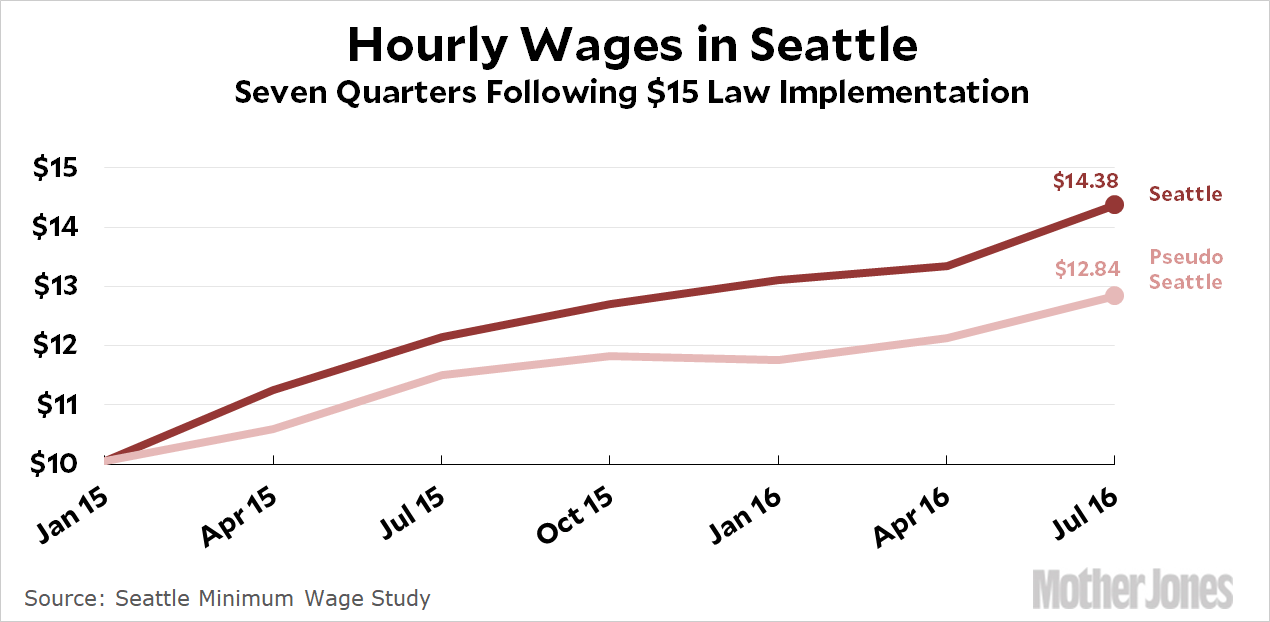
The implementation of a higher minimum wage in Seattle has sparked considerable debate and generated extensive research regarding its economic effects. Proponents argue that a higher minimum wage reduces poverty, boosts worker morale and productivity, and injects more money into the local economy as low-wage workers have greater purchasing power. This can lead to increased demand for goods and services, potentially benefiting local businesses. For the city’s diverse workforce, particularly in the service industry that underpins Seattle’s tourism and hospitality sectors, the higher wage means a better quality of life, allowing individuals to afford basic necessities in an otherwise expensive city. It also helps attract and retain talent in demanding roles within hotels, restaurants, and attractions, ensuring a high standard of service for visitors.
However, critics and some studies have raised concerns about potential negative impacts, particularly on small businesses. Some argue that businesses might respond by raising prices, reducing staff hours, or even cutting jobs to offset increased labor costs. For restaurants, cafes, and retail shops—many of which are small, independent operations that contribute significantly to Seattle’s unique charm and visitor experience—these adjustments can be challenging. Some businesses have invested in automation or adjusted their service models. Despite these debates, Seattle’s economy has continued to grow, fueled by its tech sector, though the precise long-term effects on employment and business viability, especially for small enterprises, remain subjects of ongoing analysis. For tourists, these dynamics mean higher prices for certain services but also potentially more motivated and well-compensated staff, contributing to a more pleasant overall experience.
The Cost of Living and Traveling in Seattle
Seattle’s reputation for innovation and natural beauty is often accompanied by its status as one of the most expensive cities in the United States. The high minimum wage, while beneficial for local workers, is one factor contributing to the overall cost of living and, by extension, the cost of traveling here. From luxurious hotel stays to dining out at renowned restaurants and exploring iconic landmarks, visitors will find that expenses in Seattle tend to be higher than in many other destinations. Understanding these cost dynamics is essential for any traveler planning a trip to the Emerald City, allowing for more effective budgeting and a more enjoyable experience tailored to their lifestyle preferences. This section explores how the minimum wage influences various aspects of a visitor’s budget, including accommodation, dining, and attractions, along with tips for smart spending.
Accommodation and Hotel Stays
The cost of accommodation in Seattle is notably influenced by the city’s high operating expenses, including labor costs driven by the minimum wage. Hotels, from budget-friendly options to five-star resorts, employ a significant number of staff, all of whom are subject to Seattle’s wage standards. This translates into higher nightly rates compared to cities with lower minimum wages. Visitors can expect to pay a premium for centrally located hotels in areas like Downtown Seattle, Belltown, or Pioneer Square.
For instance, luxury establishments like the Fairmont Olympic Hotel or the Hyatt Regency Seattle offer exceptional service and amenities, which come at a higher price point reflecting their operational costs. Mid-range options such as the Kimpton Palladian Hotel or the Ace Hotel Seattle provide stylish comfort at a slightly more accessible rate. For budget-conscious travelers, exploring neighborhoods outside the immediate downtown core, or opting for hostels, vacation rentals (apartments/villas), or long-term stay options further away, can offer more affordable alternatives. Booking well in advance, especially during peak tourist seasons (summer and major events), is also highly recommended to secure better rates. The quality of service, however, often remains high across various price points, thanks in part to a well-compensated workforce.
Dining, Attractions, and Local Experiences
Exploring Seattle’s vibrant culinary scene and world-class attractions is an integral part of any visit, but budgeting for these experiences requires careful consideration. The minimum wage significantly impacts the cost of dining out, from casual cafes to upscale restaurants. Many eateries factor their higher labor costs into menu prices, so expect to pay more for meals than in other major U.S. cities. Additionally, the tipping culture in Seattle can be complex; while some establishments include a service charge to ensure fair wages for all staff, others rely on traditional tipping. Always check your bill or inquire about the restaurant’s policy to avoid confusion and ensure appropriate gratuity.
Beyond food, Seattle offers an array of attractions. Iconic sites like the Space Needle, Pike Place Market, Chihuly Garden and Glass, the Museum of Pop Culture (MoPOP), and the Seattle Art Museum all have admission fees. While these fees are standard for major tourist destinations, the overall accumulation of costs for multiple activities can quickly add up. However, Seattle also boasts numerous free or low-cost activities, such as strolling through Discovery Park, enjoying the views from Kerry Park, or simply exploring unique neighborhoods like Fremont and Capitol Hill. Balancing paid attractions with these accessible experiences can help manage your budget while still immersing yourself in Seattle’s local culture.
Budgeting for a Seattle Trip
Effective budgeting is paramount for enjoying Seattle without overspending. For luxury travelers, the city offers unparalleled experiences, from five-star hotels and gourmet dining to private tours and exclusive shopping at stores like Nordstrom. While the costs will be substantial, the quality of service and unique offerings justify the investment for those seeking a premium lifestyle experience.
For budget travelers, strategic planning can significantly reduce expenses. Consider staying in less central neighborhoods like Ballard or Queen Anne, which offer charm, local flavor, and often more affordable accommodation options and local restaurants. Utilizing public transportation, such as Seattle’s extensive bus network and light rail system, is an economical way to get around. Eating at food trucks, cooking some of your meals if your accommodation allows, or taking advantage of happy hour specials can help keep dining costs in check. Exploring Pike Place Market for fresh produce and artisan foods can also be a cost-effective and culturally rich way to dine. Look for free events, outdoor markets, and scenic spots like Lake Union or Lake Washington for leisure activities. Ultimately, Seattle can cater to various budgets, but awareness of its cost structure is the first step toward a well-planned and enjoyable visit.
Minimum Wage and the Seattle Tourism and Hospitality Industry
The tourism and hospitality industry is a cornerstone of Seattle’s economy, attracting millions of visitors each year who come to experience its unique culture, natural beauty, and urban attractions. This sector, encompassing hotels, restaurants, bars, tour operators, and entertainment venues, is particularly sensitive to labor costs. The city’s high minimum wage has therefore had a profound and complex impact on how these businesses operate, manage their workforce, and ultimately deliver services to tourists. Understanding this dynamic is key to appreciating the quality of service visitors often encounter and the underlying economic realities shaping their experiences in the Emerald City. The policy aims to uplift workers, but it also presents both challenges and opportunities for businesses striving to thrive in a competitive market.
Attracting and Retaining Talent
One of the primary goals and observed benefits of Seattle’s higher minimum wage is its ability to attract and retain talent within the service industry. In a city with a high cost of living, a minimum wage approaching $20 per hour makes jobs in hotels, restaurants, and other tourism-related services significantly more appealing. This improved compensation helps reduce employee turnover, as workers are more likely to stay in jobs that offer a living wage. For visitors, this often translates into more experienced and dedicated staff, leading to higher quality service, better customer interactions, and a more polished overall guest experience. From the concierge at your Hyatt Regency Seattle to the server at your favorite Chinatown-International District eatery, the stability and professionalism of the workforce can significantly enhance a tourist’s impression of the city.
Furthermore, a competitive wage can broaden the pool of applicants for hospitality roles, allowing businesses to be more selective in their hiring processes. This not only benefits the employees by providing better job prospects but also the employers by ensuring they can build strong teams capable of delivering exceptional service. In an industry where customer satisfaction is paramount, investing in a well-compensated and skilled workforce becomes a strategic advantage, reinforcing Seattle’s reputation as a top-tier travel destination.
Challenges and Opportunities for Businesses
While a higher minimum wage benefits workers, it undeniably presents challenges for businesses in the tourism and hospitality sector. Increased labor costs mean that businesses must either absorb these costs, innovate their operations, or pass some of the expense onto consumers through higher prices. Small businesses, in particular, often feel a greater squeeze due to thinner margins and less capacity to absorb rising expenses. Many restaurants, for example, have adjusted their pricing strategies, explored different service models, or invested in technology and automation to enhance efficiency. Some have experimented with service charges instead of traditional tipping structures, aiming for more equitable pay distribution among all staff members, including kitchen and back-of-house personnel.
However, these challenges also spur innovation and create new opportunities. Businesses that successfully adapt often emerge stronger, with more loyal employees and a refined business model. The emphasis on fair wages can also be a selling point for ethically conscious travelers who prefer to support businesses that prioritize worker welfare. Moreover, the increased purchasing power of local residents due to the higher minimum wage can boost local commerce, potentially offsetting some of the increased costs for businesses that cater to both tourists and locals. The dialogue around the minimum wage encourages a continuous re-evaluation of business practices, pushing the industry towards more sustainable and equitable operational models, which ultimately contributes to a more robust and responsible tourism ecosystem in Seattle.
Lifestyle and Long-Term Stays in Seattle
Beyond short-term travel, Seattle’s minimum wage policies also significantly influence the lifestyle for residents and those considering longer-term stays or relocation. The economic environment shaped by these progressive policies extends beyond mere transaction costs, permeating the very fabric of daily life, community engagement, and the city’s overall social vibrancy. For digital nomads, remote workers, or individuals contemplating a move to the Pacific Northwest, understanding how the minimum wage interacts with broader cost of living factors is essential for painting a complete picture of what life in Seattle truly entails. This perspective offers insights into budgeting for more than just a vacation, touching upon everything from housing to groceries and the unique cultural landscape.
Beyond Tourism: Relocation and Remote Work Considerations
For individuals looking to relocate to Seattle or those considering a long-term stay, perhaps as a digital nomad or remote worker, the minimum wage is part of a larger economic equation. While the higher minimum wage ensures that entry-level and service jobs offer a more livable income, Seattle’s overall cost of living remains exceptionally high, primarily driven by housing expenses. Rent for apartments in popular neighborhoods like Capitol Hill, Fremont, or Queen Anne can be prohibitive for many, even with a strong income.
Prospective residents need to factor in not just higher wages for certain jobs, but also increased costs for groceries, utilities, transportation, and other everyday necessities. While public transit is robust, personal vehicle ownership comes with expenses like parking and fuel. Those earning higher-than-minimum wages in tech or other high-paying sectors may find the cost of living manageable, but for others, careful financial planning and possibly seeking housing further from the city center in more suburban areas become crucial. The minimum wage creates a floor that prevents severe poverty for many, but it doesn’t entirely mitigate the financial challenges posed by Seattle’s competitive housing market and premium pricing for many goods and services. However, for those who work in roles impacted by the minimum wage, the policy provides a substantial advantage compared to counterparts in cities with lower wage floors.
Exploring Seattle’s Neighborhoods and Culture
The economic environment, influenced by the minimum wage, also shapes the unique character and culture of Seattle’s diverse neighborhoods. From the bustling Pike Place Market to the artistic streets of Fremont and the historic charm of Pioneer Square, each area offers a distinct lifestyle and set of experiences. The presence of well-compensated service workers contributes to a generally high standard of local businesses, from independent coffee shops (including the very first Starbucks location) to innovative restaurants and vibrant arts venues.
This economic foundation supports a dynamic cultural scene. Neighborhoods like Capitol Hill are known for their vibrant nightlife and diverse culinary offerings, while areas surrounding Lake Union and Lake Washington provide access to outdoor recreation and stunning Puget Sound views. The minimum wage also supports the local creative economy, allowing artists, musicians, and performers to sustain themselves in a demanding urban environment, enriching the city’s cultural tapestry for both residents and long-term visitors. Whether you’re enjoying a stroll through a local park like Discovery Park or visiting a museum, the underlying economic policies contribute to the overall quality and sustainability of the diverse urban lifestyle that makes Seattle such a compelling place to visit and to live.
In conclusion, Seattle’s minimum wage is more than just a number; it’s a foundational element of the city’s identity, influencing everything from its economic landscape to its social fabric. For travelers, it means a city where high-quality service often comes with a higher price tag, necessitating careful budgeting but promising a rewarding experience. For those considering a longer relationship with the Emerald City, it represents a commitment to worker welfare amidst the challenges of a high cost of living. Seattle remains a unique destination where progressive policies and stunning natural beauty converge, creating a memorable experience for all who visit or choose to call it home.
LifeOutOfTheBox is a participant in the Amazon Services LLC Associates Program, an affiliate advertising program designed to provide a means for sites to earn advertising fees by advertising and linking to Amazon.com. Amazon, the Amazon logo, AmazonSupply, and the AmazonSupply logo are trademarks of Amazon.com, Inc. or its affiliates. As an Amazon Associate we earn affiliate commissions from qualifying purchases.