
For anyone planning a trip or simply curious about the rhythm of life on the West Coast of the United States, understanding the local time is often the first step. Seattle, Washington, operates under Pacific Standard Time (PST) during the colder months and switches to Pacific Daylight Time (PDT) for the spring, summer, and early autumn. This means Seattle is typically eight hours behind Coordinated Universal Time (UTC-8) during PST and seven hours behind (UTC-7) during PDT. This seemingly simple fact is a cornerstone for seamless travel planning, from booking flights and accommodations to scheduling tours and business meetings, directly impacting how you experience this vibrant Pacific Northwest hub.
The concept of time in Seattle is more than just a number on a clock; it dictates the flow of daily life, the opening and closing hours of its world-renowned attractions, the rush hour commute, and even the magical golden hour for photography. Whether you’re an international visitor navigating significant time differences or a domestic traveler adjusting to a new schedule, mastering Seattle’s time zone is crucial for a well-orchestrated and enjoyable journey. This guide will delve into the intricacies of Seattle’s time, offering insights into how to make the most of your hours, plan your itinerary effectively, choose the best accommodations, and fully immerse yourself in the unique lifestyle of this iconic city.
Understanding Seattle’s Time Zone: Pacific Standard Time (PST)
Seattle is situated in the Pacific Time Zone, one of four standard time zones in the contiguous United States and Canada. The base time for this zone is Pacific Standard Time (PST), which is UTC-8. This means that when it is noon UTC, it is 4:00 AM in Seattle during PST. This geographical placement on the far West Coast of North America means that it’s often one of the last major cities to greet the sunrise and experience the sunset in the United States, excluding Alaska and Hawaii.
For business travelers, understanding this time difference is paramount. A meeting scheduled for 9:00 AM in New York City would require a 6:00 AM start in Seattle, while a 5:00 PM closing time on the East Coast would translate to 2:00 PM in Seattle. This three-hour gap can significantly influence communication and scheduling, making real-time adjustments or delayed responses a common challenge for those operating across time zones. Similarly, for families traveling from afar, the time difference dictates sleep schedules for children and can influence initial sightseeing plans as everyone adjusts.
The Dynamics of Daylight Saving Time (PDT)
A significant factor in Seattle’s timekeeping is Daylight Saving Time. Annually, on the second Sunday in March, Seattle “springs forward” by one hour, transitioning from PST to Pacific Daylight Time (PDT). During PDT, the city operates at UTC-7. This change provides an extra hour of daylight in the evenings, a much-loved feature of Pacific Northwest summers. The shift back to PST occurs on the first Sunday in November, when clocks “fall back” one hour.
Daylight Saving Time dramatically impacts the travel experience. The extended daylight hours in summer mean attractions stay open later, outdoor activities can be enjoyed well into the evening, and there’s a general feeling of having more time to explore. Imagine taking a late evening stroll through Pike Place Market or enjoying a ferry ride across Puget Sound with the sun still high in the sky. For tourists, PDT enhances the leisure aspect of a trip, allowing for packed itineraries that feel less rushed. However, it also means that mornings might feel darker initially, especially for early risers accustomed to different time zones. Always double-check event times and business hours, particularly around the spring forward and fall back dates, to avoid any confusion.
Why Time Zones Matter for Travelers
The seemingly simple act of knowing the current time in Seattle holds profound implications for travelers. Firstly, it dictates your arrival and departure logistics. Flight times are always based on local time, so understanding the difference between your origin and destination is critical to avoid missing connections or arriving at an inconvenient hour. For those flying into Seattle-Tacoma International Airport (SEA) from distant time zones, anticipating the onset of jet lag is also a vital part of preparation.
Secondly, time zones directly influence your accommodation bookings. Check-in and check-out times at hotels, resorts, apartments, and villas are strictly enforced based on local Seattle time. Miscalculating this could lead to unexpected fees for early check-in or late check-out, or even a night without a room if your flight arrives significantly earlier than planned. It’s always wise to confirm these times directly with your chosen accommodation and factor in the time difference when making reservations. Many establishments, from luxury options like the Four Seasons Hotel Seattle to boutique stays such as Hotel Theodore, are adept at assisting guests with time-related adjustments, but proactive planning is always best.
Finally, managing your internal clock is essential for enjoying the local culture and activities. Restaurants have specific dining hours, attractions close their doors, and public transport schedules adhere to local time. Being out of sync with Seattle’s rhythm can mean missing out on a delicious brunch, a captivating museum exhibit at the Museum of Pop Culture (MoPOP), or the last light rail back to your hotel. By understanding and mentally adjusting to Seattle’s time from the moment you land, you ensure a smoother, more enjoyable, and truly immersive travel experience.
Planning Your Seattle Itinerary: Making the Most of Every Hour
With a clear understanding of Seattle’s time zone, the next step is to strategically plan your visit to maximize every precious hour. Seattle is a city rich in attractions, diverse cuisine, and stunning natural beauty. A well-timed itinerary ensures you cover the must-see landmarks, indulge in local flavors, and soak in the city’s unique lifestyle without feeling rushed or overwhelmed. Whether your trip is for leisure, business, or a blend of both, managing your time efficiently is key to a rewarding travel experience.
Morning Adventures and Iconic Landmarks
Mornings in Seattle offer a refreshing start to your day, especially during the brighter summer months when PDT gifts extra daylight. Kick off your day early by heading to Pike Place Market, one of Seattle’s most famous landmarks. Arriving before the peak crowds allows you to witness the fishmongers in action, explore artisanal crafts, and grab a coffee from the original Starbucks without a lengthy queue. The market truly comes alive in the morning, making it an ideal time for photography and people-watching.
Afterward, head to the Seattle Center, home to the iconic Space Needle. Ascending to the observation deck early provides clearer views of the city skyline, Mount Rainier, and Puget Sound before the haze or crowds build up. Adjacent to the Space Needle are other morning-friendly attractions like Chihuly Garden and Glass, an enchanting display of glass art that glows beautifully in the morning light, and the Museum of Pop Culture (MoPOP), perfect for music and sci-fi enthusiasts. Starting early means you can often visit two or three major attractions before lunch, setting a productive pace for your day of tourism.
Afternoon Delights: Culture, Cuisine, and Shopping
As the morning crowds dissipate and the sun climbs higher, Seattle offers a wealth of afternoon activities. This is an excellent time to delve into the city’s rich cultural scene. The Seattle Art Museum (SAM) in Downtown Seattle provides hours of indoor exploration, ideal for a leisurely afternoon. Nearby, the Olympic Sculpture Park offers a scenic outdoor art experience with stunning views of the water, perfect for a walk and some fresh air.
For those interested in unique shopping experiences, neighborhoods like Fremont and Ballard come alive in the afternoon with their quirky boutiques, antique shops, and local galleries. You can also explore the waterfront and take a ride on the Seattle Great Wheel for panoramic views of Elliott Bay as the afternoon light begins to soften. Lunch options abound, from casual eateries at Pike Place Market to upscale restaurants in Downtown Seattle. The afternoon is also a prime time to participate in guided food tours, focusing on Seattle’s renowned coffee culture or its fresh seafood. These experiences are typically scheduled to allow ample time before dinner, maximizing your culinary exploration.
Evening Experiences: Dining, Entertainment, and Relaxation
As dusk settles over Seattle and the city lights begin to twinkle, the evenings transform into a hub for dining, entertainment, and relaxation. This is where PDT truly shines, offering extended daylight for late outdoor dinners or leisurely strolls before the stars appear. Seattle boasts an incredible culinary scene, with a strong emphasis on fresh Pacific Northwest ingredients and innovative flavors. Consider a dinner reservation at one of Seattle’s many acclaimed seafood restaurants or explore the diverse ethnic eateries in neighborhoods like the International District.
Post-dinner, Seattle’s nightlife caters to a variety of preferences. Catch a live music performance in Capitol Hill, known for its vibrant music venues and bustling bars. Alternatively, enjoy a theatrical production at one of Seattle’s many theaters, or if you prefer a more relaxed evening, take a sunset cruise on Lake Union or Puget Sound. For those staying at luxury hotels like the Fairmont Olympic Hotel, enjoying a nightcap at the hotel bar or unwinding in the comfort of your suite can be the perfect end to a busy day. Remember to factor in travel time back to your accommodation when planning your evening, especially if relying on public transportation which might have reduced service later at night.
Accommodation and Travel Logistics in the Pacific Northwest
Successfully navigating Seattle hinges not only on knowing the time but also on how you choose to stay and move around the city. Thoughtful planning regarding accommodation and transportation can significantly enhance your travel experience, ensuring comfort, convenience, and efficiency as you explore the Pacific Northwest gem. With a range of options from opulent resorts to cozy apartments, Seattle caters to every traveler’s preference and budget.
Choosing Your Seattle Stay: Hotels, Resorts, and Unique Accommodations
Seattle’s diverse accommodation landscape provides options for every type of traveler. For those seeking a luxury lifestyle experience, the Four Seasons Hotel Seattle offers unparalleled service, stunning waterfront views, and prime access to Pike Place Market. Similarly, the historic Fairmont Olympic Hotel in Downtown Seattle provides a blend of classic elegance and modern amenities, making it a popular choice for both leisure and business travelers. These establishments often feature fine dining, spa services, and concierge assistance, ensuring a pampered stay.
Boutique hotels like Hotel Theodore and Thompson Seattle offer a more personalized and trendy experience, often with a focus on local art and unique design. They are ideal for travelers looking for character and a distinct atmosphere. For budget travelers or those on family trips, there are numerous mid-range hotels, suites, and extended-stay apartments scattered across the city, particularly around the Seattle Center and the University District. Vacation rentals and villas through platforms like Airbnb also provide excellent opportunities for longer stays or for groups seeking more space and a home-like environment. When booking, consider proximity to public transport, desired attractions, and the neighborhood vibe to align with your travel style. Reviews and comparison sites can be invaluable tools in making the right choice, ensuring the amenities and services meet your expectations.
Navigating Seattle: Transportation Tips
Efficiently moving around Seattle is crucial for maximizing your time. The city offers a well-integrated public transportation system, primarily consisting of buses and the Link Light Rail. The Link Light Rail is particularly useful for travelers, connecting Seattle-Tacoma International Airport (SEA) directly to Downtown Seattle, the University District, and other key neighborhoods. It’s a cost-effective and time-efficient way to travel, especially during peak traffic hours when the time savings can be substantial. Buses cover a wider network, reaching areas not served by the light rail, and are an excellent option for exploring specific neighborhoods like Fremont or Capitol Hill.
Ride-sharing services like Uber and Lyft are readily available throughout the city, offering convenience, especially for late-night excursions or when carrying luggage. Taxis are also an option, though often pricier. For those who enjoy active exploration, Seattle is a very walkable city, particularly Downtown and around popular attractions. Renting a car might be beneficial if you plan extensive day trips outside the city to destinations like Mount Rainier National Park or the Olympic Peninsula, but for urban exploration, public transit often suffices and saves on parking hassles. Always check real-time transit apps and schedules to stay updated, especially when considering Daylight Saving Time shifts which might occasionally affect evening schedules.
Embracing the Seattle Lifestyle: Beyond the Clock
Beyond its landmarks and accommodations, Seattle offers a distinct lifestyle that captivates visitors. The city’s identity is deeply intertwined with its local culture, innovative spirit, and profound connection to nature. Understanding the rhythm of this lifestyle, sometimes dictated by the city’s unique geographic position and weather patterns, allows travelers to move beyond a checklist of attractions and truly experience what it means to live in Seattle. Embracing this rhythm, rather than rigidly adhering to a schedule, often leads to the most memorable experiences.
Local Flavors and Culinary Exploration
Seattle is a paradise for foodies, and its culinary scene is a core component of its lifestyle. The city is synonymous with coffee, being the birthplace of Starbucks and home to countless independent roasters and cozy cafes. Starting your day with a perfectly brewed cup is not just a habit; it’s a ritual that sets the pace for many Seattleites. Beyond coffee, Seattle is renowned for its fresh seafood, thanks to its proximity to Puget Sound and the Pacific Ocean. From the clam chowder at Pike Place Market to upscale oyster bars, sampling the local catch is a must.
The city also boasts a vibrant craft beer and wine scene, with numerous breweries and tasting rooms scattered throughout neighborhoods like Ballard and Fremont. Exploring these local establishments offers a glimpse into Seattle’s community spirit and its dedication to artisanal production. Food tours are an excellent way to dive deep into Seattle’s culinary landscape, offering curated experiences that introduce you to hidden gems and local favorites. These tours are often timed to allow for ample exploration and tasting, making the most of your dining hours.
Outdoor Escapes and Nature’s Call
One of Seattle’s most defining characteristics is its seamless blend of urban sophistication with breathtaking natural beauty. The city is surrounded by water, mountains, and forests, providing endless opportunities for outdoor activities. Just a short drive or ferry ride can transport you from the bustling city center to serene hiking trails, pristine lakes, or stunning coastal views. The Olympic Sculpture Park offers a taste of this urban-nature fusion, while larger green spaces like Discovery Park in Magnolia provide expansive areas for walks, bird-watching, and enjoying panoramic views of Puget Sound.
Day trips to nearby natural wonders such as Mount Rainier, the Olympic National Park, or the San Juan Islands are highly recommended. These excursions allow you to experience the grand scale of the Pacific Northwest’s natural landscapes. When planning such trips, especially during Daylight Saving Time, remember that the extended daylight hours mean you can enjoy longer hikes or scenic drives, returning to the city as the sun dips below the horizon. The outdoor-centric lifestyle of Seattle encourages residents and visitors alike to connect with nature, offering a rejuvenating counterpoint to urban exploration.
Practical Tips for a Seamless Seattle Visit
Armed with knowledge about Seattle’s time zone and a well-planned itinerary, a few additional practical tips can ensure your visit is as smooth and enjoyable as possible. From managing personal time adjustments to choosing the ideal season for your trip, these insights are designed to help you navigate the nuances of travel to this dynamic city.
Dealing with Jet Lag and Time Zone Adjustments
For travelers arriving from significantly different time zones, especially those crossing multiple zones, jet lag can be a real challenge. The key to minimizing its impact is proactive management.
- Adjust Before You Go: If possible, start shifting your sleep schedule by an hour or two each day for a few days before your trip.
- Hydrate: Drink plenty of water before, during, and after your flight to combat dehydration, which can exacerbate jet lag symptoms.
- Embrace the Light: Upon arrival in Seattle, try to expose yourself to natural light during the day, particularly in the morning, and avoid bright lights in the evening. This helps reset your circadian rhythm.
- Stay Active: Gentle exercise, like a walk through Discovery Park or along the waterfront, can help you feel more alert and sleep better at night.
- Limit Caffeine and Alcohol: While tempting, these can disrupt your sleep patterns and worsen jet lag.
- Prioritize Sleep: Ensure your accommodation provides a comfortable environment for sleep, and try to stick to Seattle’s night schedule as quickly as possible, even if it means napping briefly rather than sleeping for extended periods during the day.
Many hotels in Seattle, particularly those catering to business travelers, are well-versed in assisting guests with jet lag, often offering blackout curtains, comfortable bedding, and quiet environments.
Best Time to Visit Seattle
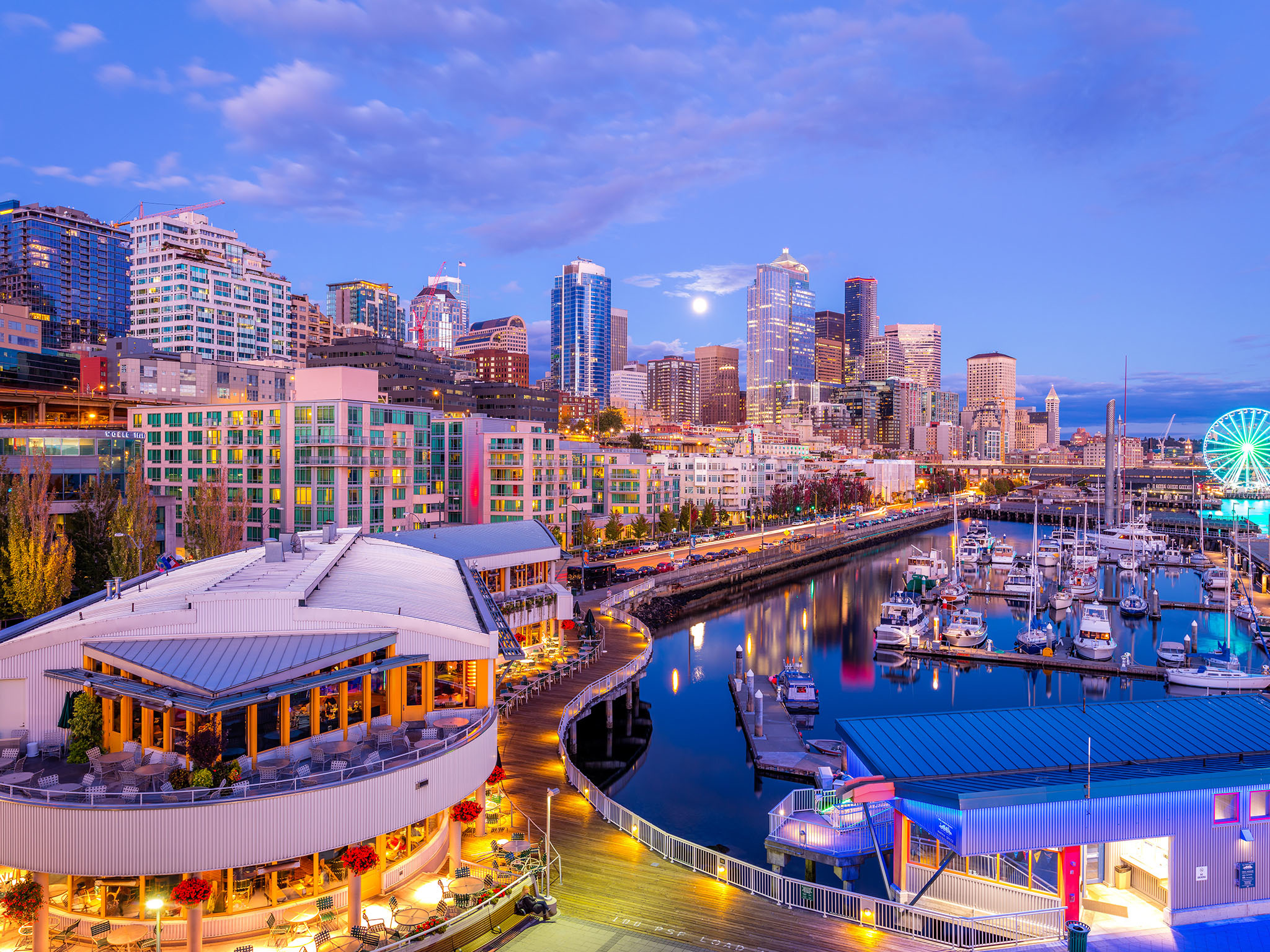
While Seattle has something to offer year-round, the “best” time to visit often depends on your priorities and tolerance for different weather conditions.
- Summer (June to September): This is arguably the most popular time to visit. With the city operating on Pacific Daylight Time, you’ll enjoy long, sunny days, mild temperatures, and minimal rain. This period is ideal for outdoor activities, exploring parks, attending festivals, and enjoying the vibrant waterfront. However, it’s also peak tourist season, meaning higher prices for flights and accommodations, and larger crowds at major attractions.
- Spring (April to May): A beautiful time when the city’s gardens bloom, and the infamous Seattle rain begins to subside. Temperatures are mild, and tourist numbers are lower than in summer. It’s a great shoulder season for a pleasant visit.
- Fall (October to November): The autumn foliage creates a picturesque backdrop, especially in parks and surrounding natural areas. While rain increases, there are still plenty of clear days, and the city maintains a lively cultural calendar. This is when the city transitions back to Pacific Standard Time, meaning shorter daylight hours.
- Winter (December to March): Seattle winters are mild but wet, with frequent drizzles and gray skies. Snow is infrequent in the city itself, but nearby mountains offer excellent skiing and snowboarding. This is the off-peak season, offering lower prices and fewer crowds. Indoor attractions like museums (Seattle Art Museum, MoPOP) and cozy cafes become even more appealing.
Ultimately, knowing “What Time Is It Now In Seattle, Washington?” is just the beginning of unlocking a fantastic travel experience. By understanding its time zone, planning your itinerary thoughtfully, choosing suitable accommodation, and embracing the local lifestyle, you’re set for an unforgettable journey in this dynamic Pacific Northwest city.
LifeOutOfTheBox is a participant in the Amazon Services LLC Associates Program, an affiliate advertising program designed to provide a means for sites to earn advertising fees by advertising and linking to Amazon.com. Amazon, the Amazon logo, AmazonSupply, and the AmazonSupply logo are trademarks of Amazon.com, Inc. or its affiliates. As an Amazon Associate we earn affiliate commissions from qualifying purchases.