
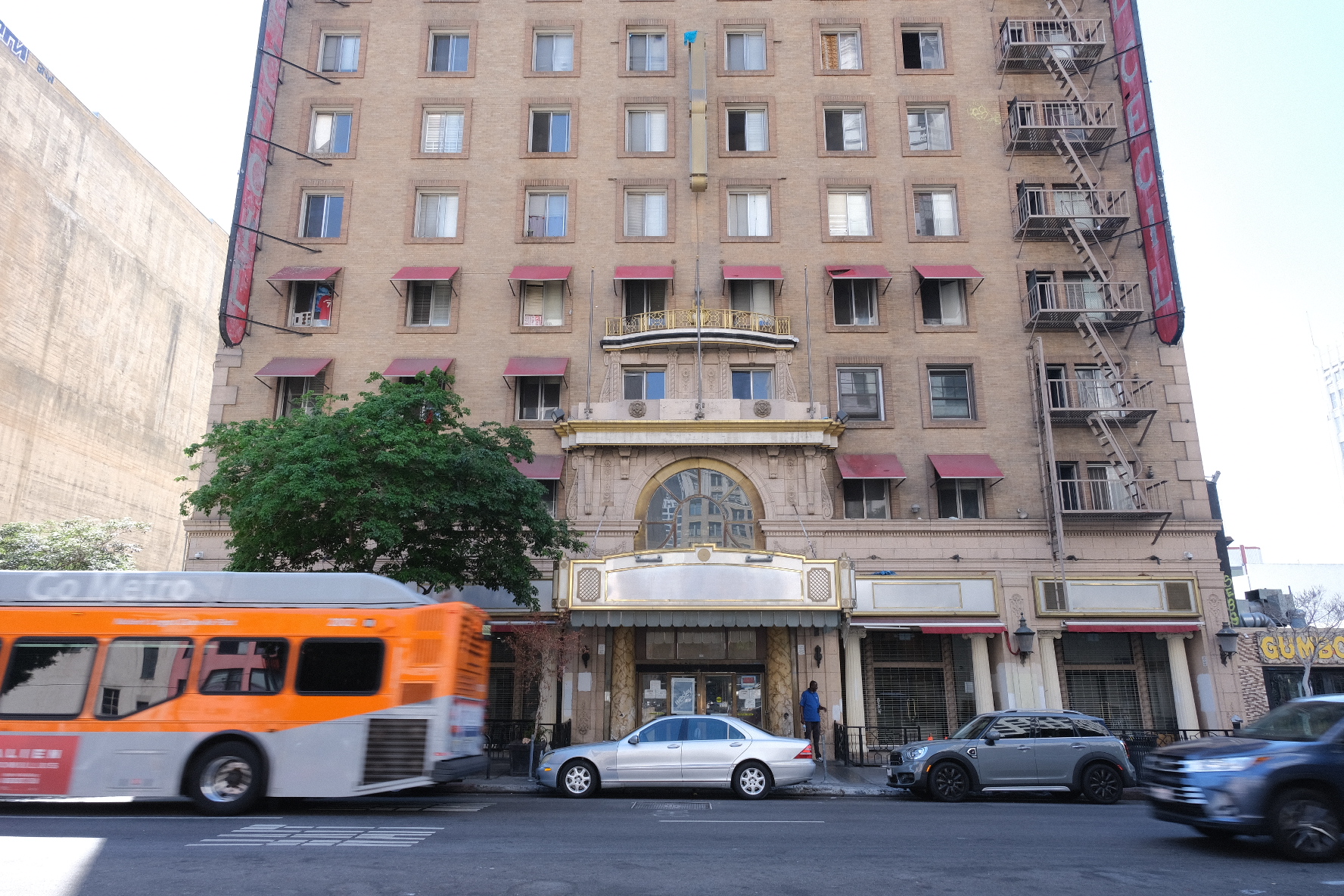
For decades, the name Cecil Hotel has conjured a potent mix of fascination and dread. Nestled in the heart of Downtown Los Angeles, California, USA, this historic establishment has carved out a unique, often grim, place in urban legend and popular culture. Travelers, true-crime enthusiasts, and those with an interest in the macabre often wonder about its current status: Is the infamous Cecil Hotel still operating? The answer is nuanced, evolving from its dark past through multiple rebrandings and extensive renovations. While the original Cecil Hotel as many knew it is certainly no longer in operation, its spirit and structure persist, poised for a dramatic new chapter.

This exploration delves into the Cecil Hotel’s notorious past, its attempts at reinvention, and its latest transformation, offering insights for anyone considering a visit to Los Angeles or simply curious about the fate of one of America’s most talked-about landmarks. Understanding the trajectory of the Cecil Hotel requires a journey through its tumultuous history, a testament to how a building can become deeply intertwined with the narratives that unfold within its walls.
The Notorious Legacy of the Cecil Hotel
Opened in 1924, the Cecil Hotel was initially envisioned as a grand, opulent destination for business travelers and tourists eager to experience the burgeoning glamour of Los Angeles. Its prime location near Pershing Square promised an exciting urban experience. However, the economic downturn of the Great Depression and subsequent decades saw the hotel decline, attracting a different, often more troubled, clientele. This shift ushered in an era that would forever cement the Cecil Hotel’s reputation as a place synonymous with tragedy and mystery.
The hotel’s dark allure stems from a chilling catalog of unexplained deaths, suicides, and its unsettling association with several notorious figures. This history has made it a magnet for those interested in dark tourism, transforming it from a mere building into a genuine cultural landmark that stands out even in a city known for its eclectic history. For many, the very mention of the Cecil Hotel evokes images of unsolved mysteries and a haunting past.
A Troubled History in Downtown Los Angeles
Over the years, the Cecil Hotel became an unwitting backdrop for numerous unsettling events. Its proximity to the city’s less affluent areas contributed to its decline, attracting individuals seeking cheap accommodation, sometimes with desperate intentions. From residents jumping from its windows to mysterious deaths within its rooms, the hotel accumulated a macabre ledger of incidents. These occurrences, often sensationalized, only fueled the public’s morbid curiosity.
Perhaps most infamously, the Cecil Hotel housed two of America’s most chilling serial killers during their murder sprees. Richard Ramirez, the “Night Stalker,” reportedly stayed at the hotel in the mid-1980s, discarding blood-soaked clothes in its dumpsters. Later, in 1991, Austrian serial killer Jack Unterweger was also a guest, suspected of murdering prostitutes while residing there. These associations only deepened the hotel’s sinister reputation, making it a focal point for documentaries, books, and podcasts exploring the darker side of Los Angeles history. For those interested in true crime, the Cecil Hotel offered a tangible connection to some of the most disturbing events in recent memory.
The Infamous Elisa Lam Case
The most widely publicized and perplexing event associated with the Cecil Hotel occurred in 2013: the mysterious death of Elisa Lam. A Canadian student traveling through California, Elisa Lam disappeared from the hotel, sparking an intensive search. Her final known movements, captured on the hotel’s elevator security camera, showed her exhibiting highly unusual behavior – pressing multiple elevator buttons, peering out of the doors, and seemingly conversing with an unseen individual. This footage, widely circulated online, baffled viewers and investigators alike.
Weeks later, her body was discovered in one of the hotel’s rooftop water tanks after guests complained of low water pressure and an odd taste. The circumstances surrounding her death – how she accessed the locked rooftop, climbed into the heavy, lid-covered tank, and the nature of her behavior in the elevator – remain largely unexplained. The Elisa Lam case became a global sensation, fueling countless conspiracy theories, paranormal speculations, and turning the Cecil Hotel into a true internet phenomenon. It attracted a new wave of curious visitors, keen to experience the unsettling atmosphere that permeated the building, cementing its status as a must-see for dark tourism enthusiasts. The case underscored the powerful role of hotels as settings for real-life dramas, captivating the public imagination in ways few other locations can.
From Cecil Hotel to Stay on Main: A Transformative Attempt
Recognizing the indelible mark of its past, the management of the Cecil Hotel made significant efforts to shed its notorious image in the early 21st century. The goal was to pivot from a budget accommodation infamous for its dark history to a more appealing, modern option for travelers. This transformation was not merely cosmetic; it represented a strategic attempt to rebrand and reposition the property within the competitive Los Angeles hotel market. The challenges were immense, given the deep-seated public perception, but the potential for a fresh start in a continually revitalizing Downtown Los Angeles offered a compelling incentive.
For travel guides and hotel review platforms, understanding such rebrandings is crucial. It’s not just about a name change, but a complete overhaul of the guest experience, amenities, and overall atmosphere. This was an ambitious undertaking, aimed at attracting a new demographic that prioritized comfort and style over the grim allure of the past.
Rebranding and Renovation Efforts
Around 2011, the Cecil Hotel underwent its first major rebranding, emerging as Stay on Main (sometimes referred to as Stay on Main Hotel & Suites). This decision was a direct response to the negative connotations associated with the “Cecil” name. The goal was to create a distinct identity, signaling a break from the past and a move towards a more contemporary, budget-friendly boutique hotel experience. The new name was chosen to reflect its address on Main Street, offering a straightforward, no-frills appeal.
As part of this initiative, significant renovations were undertaken, particularly in the lobby and some guest rooms. The hotel aimed to modernize its facilities, offering improved amenities and a cleaner, brighter environment. While some of the upper floors remained largely untouched and were still used for longer-term residents, the Stay on Main section was geared towards short-term stays, targeting tourists and business travelers seeking affordable accommodation in Downtown Los Angeles. This dual approach attempted to cater to different market segments while gradually erasing the shadows of its former self. However, despite these efforts, the hotel’s dark past remained a powerful draw, with many guests specifically booking rooms to experience the infamous location.
The Quest for a New Identity

The rebranding to Stay on Main represented more than just a name change; it was a deliberate attempt to shift the hotel’s narrative. The management aimed to highlight its practical advantages: a central location, proximity to public transport, and competitive pricing. For a time, it operated as a hybrid model, with the budget-friendly Stay on Main occupying certain floors, while the “Cecil Hotel” continued to exist in name for other parts of the building, often catering to lower-income residents.
Despite the renovations and the new moniker, the ghost of the Cecil Hotel proved difficult to shake. Online reviews and travel blogs frequently mentioned the hotel’s history, and tourists often booked rooms out of curiosity rather than for its modern amenities. The Elisa Lam case, occurring during the Stay on Main era, inadvertently sabotaged much of the rebranding effort, catapulting the hotel back into the spotlight for all the wrong reasons. This demonstrated the immense challenge of distancing a property from such a pervasive and sensationalized past. The hotel’s journey illustrates a complex interplay between a physical location, its history, and public perception, a fascinating case study for the hospitality industry.
The Future of a Landmark: Sonder The Cecil
The story of the Cecil Hotel took another significant turn in 2014 when it was acquired by Richard Born and BD Hotels, followed by a lease to Simon Baron Development in 2016. This heralded the most ambitious transformation yet, signaling a complete overhaul of the property and its integration into a modern hospitality concept. The vision was not just to renovate but to reimagine the building entirely, shedding its notorious image once and for all and embracing a new identity as a sophisticated, contemporary accommodation option. This new chapter aims to leverage the building’s historic architecture while offering the comforts and style expected by today’s discerning travelers.
The extensive nature of these plans meant a prolonged closure of the hotel, leaving many to wonder about its operational status. For years, the building sat dormant, a silent sentinel in Downtown Los Angeles, shrouded in scaffolding and speculation. However, the future has now come into clearer focus, promising a grand re-opening under a globally recognized brand.
Proper Hospitality’s Vision
The latest iteration of the iconic building comes under the management of Proper Hospitality, a renowned boutique hotel group known for its stylish and design-forward properties. They partnered with Sonder, a tech-driven hospitality company that offers apartment-style stays in urban locations. The newly reimagined property will be known as Sonder The Cecil, representing a complete break from its past identities.
The multi-million dollar renovation project has been extensive, focusing on preserving the building’s architectural heritage while injecting modern luxury and comfort. The aim is to transform the historic structure into a vibrant hub, offering a blend of hotel rooms and serviced apartments, targeting both short-term visitors and longer-term guests. This ambitious undertaking signifies a pivot towards a premium lifestyle experience, far removed from the budget accommodations and dark tourism attractions of its previous incarnations. The involvement of Proper Hospitality and Sonder suggests a commitment to high standards of design, service, and guest experience, aligning the property with top-tier Los Angeles accommodations.
What Travelers Can Expect
So, to answer the initial question: No, the Cecil Hotel as it was known, or even Stay on Main, is not currently operating. After years of extensive renovations and a complete re-imagination, the property is now open as Sonder The Cecil. Travelers can expect a sophisticated, design-conscious environment that pays homage to the building’s historic charm while offering all the modern conveniences.
Sonder The Cecil promises a unique blend of hotel and apartment-style living, complete with stylish interiors, state-of-the-art amenities, and a focus on contemporary comfort. While its location in Downtown Los Angeles remains a draw for those exploring the city’s vibrant culture, arts scene, and culinary offerings, the narrative surrounding the building has decisively shifted. The new establishment seeks to appeal to a clientele looking for a refined urban experience, far removed from the sensationalized past. Reviews will likely focus on its luxurious atmosphere, design, and location, rather than its eerie history. This marks a new era for a landmark that has captivated the public imagination for nearly a century.
Beyond the Headlines: The Allure of Historic Accommodation
The transformation of the Cecil Hotel into Sonder The Cecil is more than just a single hotel’s story; it reflects a broader trend in the hospitality industry. Historic buildings, once left to decay or relegated to budget status, are increasingly being revitalized and reimagined as upscale boutique hotels or unique accommodation options. This trend caters to a growing demand among travelers for experiences that offer both modern comforts and a connection to local history and culture. Guests are often looking beyond generic hotel chains for properties that tell a story, even if that story, in the case of the Cecil Hotel, is famously dark.
The allure of staying in a landmark building is undeniable. It provides an opportunity to immerse oneself in a destination’s past, adding a layer of depth to any travel experience. For websites specializing in hotels and travel guides, this emphasis on heritage and unique narratives offers rich content for travelers seeking distinctive stays.
The Resurgence of Boutique Hotels
Boutique hotels have surged in popularity precisely because they offer a departure from the cookie-cutter experience of larger hotel chains. They often feature distinctive design, personalized service, and a strong sense of place, frequently choosing to inhabit historic buildings. The redevelopment of the Cecil Hotel exemplifies this trend, where the architectural bones of an older structure are celebrated and integrated into a contemporary design vision. This approach allows properties to maintain their unique character while meeting the expectations of modern guests.
Travelers today are seeking authenticity and memorable experiences, and boutique hotels in historic locations deliver precisely that. From intricately designed lobbies to rooms that blend classic charm with cutting-edge technology, these establishments offer more than just a place to sleep; they offer a curated lifestyle experience. The transition to Sonder The Cecil positions the building within this thriving market, appealing to those who appreciate thoughtful design and a connection to urban heritage.
Balancing History with Modern Comfort
The challenge for any historic accommodation, especially one with as storied a past as the Cecil Hotel, is to strike the right balance between honoring its history and providing the luxury and comfort modern travelers expect. While the dark past of the Cecil Hotel may still linger in the public consciousness, Sonder The Cecil’s mission is to create a new, positive narrative. This involves not just physical renovations but also a shift in brand identity and guest focus.
Modern amenities such as high-speed internet, smart room controls, fitness centers, and upscale dining options are now standard expectations. However, retaining historical architectural features, showcasing period details, or even subtle nods to the building’s heritage can add depth and character. The success of Sonder The Cecil will depend on its ability to offer a seamlessly integrated experience where the allure of its past enhances, rather than overshadows, the contemporary comforts and vibrant new identity it seeks to establish. For those fascinated by the interplay of history, architecture, and urban renewal, this new incarnation of a Los Angeles landmark presents an intriguing case study.
LifeOutOfTheBox is a participant in the Amazon Services LLC Associates Program, an affiliate advertising program designed to provide a means for sites to earn advertising fees by advertising and linking to Amazon.com. Amazon, the Amazon logo, AmazonSupply, and the AmazonSupply logo are trademarks of Amazon.com, Inc. or its affiliates. As an Amazon Associate we earn affiliate commissions from qualifying purchases.