
For anyone considering a trip to the Lone Star State, understanding the current legal landscape regarding reproductive healthcare, particularly abortion, has become an increasingly vital part of travel planning. Beyond the vibrant culture, stunning natural landscapes, and world-class attractions that traditionally draw visitors to Texas, recent legislative changes have introduced complexities that can influence travel decisions for a diverse array of individuals and families. This article aims to provide a comprehensive overview for travelers, delineating the current abortion laws in Texas and exploring their practical implications for those visiting, living in, or simply passing through the state.
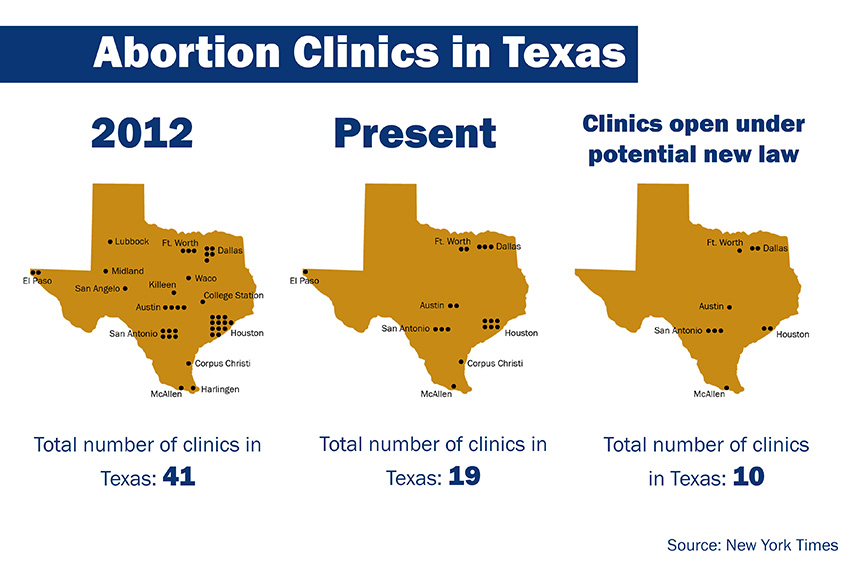
The post-Roe v. Wade era, ushered in by the Supreme Court’s decision in Dobbs v. Jackson Women’s Health Organization, profoundly reshaped abortion access across the United States. Texas, known for its proactive stance on restrictive abortion legislation even before the Dobbs ruling, swiftly implemented some of the nation’s most stringent bans. For tourists, business travelers, or those contemplating relocation, these laws are not merely abstract legal statutes; they are tangible factors that can impact personal safety, access to healthcare, and overall travel experience. Our goal is to equip you with the knowledge necessary to navigate these considerations, ensuring your journey to or through Texas is as informed and comfortable as possible, aligning with the ethos of mindful travel and responsible tourism.
Understanding the Current Legal Landscape in Texas
The legal framework governing abortion in Texas is characterized by a near-total ban, making it one of the most restrictive states in the country. This prohibition largely stems from a combination of a pre-existing “trigger law” designed to take effect upon the overturning of Roe v. Wade and the controversial Senate Bill 8 (SB 8), also known as the “Heartbeat Act,” which predated the Dobbs decision.
Key Provisions of Texas’s Abortion Ban
At the core of Texas’s current laws is a prohibition on abortion from the moment of fertilization. This effectively bans nearly all abortions, with very limited exceptions. The primary exception permitted under Texas law is to save the life of the pregnant person. Critically, there are no exceptions for rape or incest. This means that even in cases of severe trauma, individuals in Texas are legally prohibited from obtaining an abortion within the state.
The enforcement mechanisms for these laws are also unique and particularly impactful. SB 8, for instance, empowers private citizens to sue anyone who performs or “aids and abets” an abortion in Texas after cardiac activity is detected (typically around six weeks gestational age). While the trigger law focuses on criminal penalties for providers, SB 8’s civil enforcement mechanism has created a chilling effect, leading most clinics to cease abortion services entirely.
For travelers, understanding these stringent rules is paramount. It means that medical facilities in Texas will not provide elective abortion services. Furthermore, any individual assisting someone in obtaining an abortion within the state, even by providing transportation or financial assistance, could theoretically face civil lawsuits under SB 8. While the focus of legal action has primarily been on providers, the broad language of the law introduces a layer of legal uncertainty for anyone tangentially involved, a factor that can deter even casual assistance.
Exceptions and Legal Nuances for Visitors
While the ban is near-total, it is crucial to clarify the narrow scope of its exceptions. The life-saving exception requires a physician’s reasonable medical judgment that an abortion is necessary to avert the death of the pregnant individual. This is a high bar and does not extend to situations where the pregnancy poses significant health risks that are not immediately life-threatening, nor to cases of fetal anomaly incompatible with life.
For visitors, the legal nuances are particularly challenging. Residency status does not alter the application of these laws. Whether you are a resident of Dallas on a weekend getaway to Austin, a business traveler attending a conference in Houston, or a tourist exploring the historical sites of San Antonio, the same laws apply. This makes pre-travel planning and understanding of personal risk factors critically important, especially for women of reproductive age.
It’s also important to note that the laws do not typically restrict travel out of Texas to seek abortion care in another state where it is legal. However, the legal environment is dynamic, with ongoing legal challenges and legislative proposals in various states that could impact this going forward. At present, the primary impact on travelers is the unavailability of abortion services within Texas and the potential legal risks for those who might inadvertently or intentionally facilitate an abortion within the state’s borders. For those seeking medical advice or assistance, resources from organizations like Planned Parenthood or the American Civil Liberties Union (ACLU) can offer guidance on navigating these complex situations.
Navigating Travel Decisions in a Post-Roe Texas
The current legal climate in Texas has added new dimensions to travel planning, particularly for women and families. What was once a straightforward decision based on attractions, convenience, and budget now includes considerations of personal safety, healthcare access, and legal implications.
Planning Your Trip: Considerations for Women and Families
When planning a trip to Texas, women of reproductive age and families should engage in thoughtful consideration, especially regarding the potential need for reproductive healthcare. For instance, if you or someone in your travel party requires specific medications, ensure you have an adequate supply and understand the regulations for carrying them. While these laws primarily target abortion, the broader chilling effect on reproductive healthcare can sometimes spill over, leading to heightened caution in medical settings.
Families traveling with teenage daughters might also want to discuss the implications of these laws, ensuring everyone understands the legal environment. This isn’t to deter travel to Texas, which remains a fantastic destination for many, but rather to encourage informed decision-making. Awareness of available resources outside of Texas, should an unexpected medical situation arise, can provide peace of mind.
For those planning events, conferences, or even destination weddings, the issue has also entered the calculus. Some organizations and individuals may opt to choose destinations in states with more permissive abortion laws, driven by corporate social responsibility policies or personal convictions. This shift in destination preference can have significant ramifications for Texas’s lucrative conventions and tourism industries, affecting bookings for hotels like the Hyatt Regency in Dallas or the Marriott Marquis in Houston.
Logistical Challenges and Accommodation Needs
Should a Texan resident or a visitor in Texas need to travel to another state for abortion care, a new set of logistical challenges arises. This often necessitates unexpected and costly travel. Destinations like New Mexico, Colorado, Kansas, or even California have become critical access points. Such travel involves:

- Transportation: Booking flights, bus tickets via services like Greyhound, or train travel via Amtrak, often at short notice.
- Accommodation: Securing hotel rooms or Airbnbs for potentially multiple nights, depending on the appointment schedule and recovery time. This could mean searching for properties with extended stay options, suites with kitchenettes, or discreet locations.
- Time off Work/Responsibilities: Arranging for leave, childcare, or pet care for the duration of the trip.
- Financial Strain: Covering the costs of the procedure itself, travel, accommodation, and lost wages. Many individuals and families may not have readily available funds for such unforeseen expenses, making financial assistance from support networks or organizations crucial.
These logistical hurdles underscore how restrictive abortion laws can ripple beyond the immediate medical context, impacting travel patterns, accommodation choices, and personal finances. The need for discreet and comfortable accommodations for medical travel, often outside of traditional tourist hubs, is a growing consideration. Hotels in border towns or near major transportation hubs in neighboring states might see an increase in demand from Texas residents and temporary visitors.
Implications for Medical Tourism and Cross-Border Travel
The restrictive abortion laws in Texas have fundamentally altered the landscape of medical travel, both into and out of the state. This impact extends beyond individual choices to affect regional economies and the broader tourism industry.
Neighboring States and Travel Corridors
With nearly all abortion services unavailable in Texas, individuals seeking care are compelled to travel to states where abortion remains legal. This has created new “travel corridors” and intensified medical tourism to neighboring states.
- New Mexico: Sharing a long border with Texas, New Mexico has become a primary destination for Texans seeking abortion care. Clinics in cities like Albuquerque and Santa Fe have seen a significant increase in patients from Texas, particularly from West Texas and the Rio Grande Valley. This surge affects local accommodation providers, from budget hotels to extended-stay apartments, and even local eateries, as patients often stay for a few days.
- Colorado: Further afield but still accessible, Colorado also offers broader abortion access. Travelers from northern Texas, including Dallas and Fort Worth, may opt for destinations like Denver or Colorado Springs, integrating medical travel with brief periods of recovery in a different environment.
- Kansas: Following a voter referendum affirming abortion rights, Kansas has also become a destination for those from Texas, particularly from its northern regions, seeking care in cities like Kansas City or Wichita.
- California: For those with resources or flying capabilities, California offers comprehensive protections for abortion access and has proactively sought to become a “sanctuary state” for reproductive healthcare.
This outward medical migration has substantial economic implications. Instead of spending on local accommodations, dining, and retail in Texas, these funds are now channeled into the economies of other states. The tourism and hospitality sectors in the receiving states, conversely, experience a boost in demand, particularly for discreet and comfortable lodging options.
Impact on Healthcare Access for Residents and Visitors
Beyond abortion care itself, the restrictive laws can have broader chilling effects on reproductive healthcare access within Texas. Providers may exercise extreme caution in treating ectopic pregnancies, miscarriages, or other pregnancy complications due to fear of legal repercussions, even when such treatments are medically necessary and legal. This creates an environment of uncertainty for both residents and visitors seeking emergency medical care related to pregnancy.
For travelers, this means being acutely aware that while general healthcare facilities are available, specific reproductive health services may be limited or entirely unavailable. It underscores the importance of travel insurance that covers emergency medical evacuation or treatment in other states if needed. Organizations like the National Association for the Advancement of Colored People (NAACP) have highlighted how such laws disproportionately affect marginalized communities, who often lack the financial and logistical resources for cross-border medical travel.
The Broader Impact on Texas’s Tourism and Hospitality Sector
The state’s abortion laws extend their influence far beyond individual medical decisions, casting a shadow over the reputation and economic vitality of Texas’s tourism and hospitality industries.
Economic Ripple Effects on Local Businesses
The ripple effect on local businesses in Texas is multifaceted. Reduced tourism translates directly into fewer bookings for hotels across major cities like Houston, Dallas, and Austin, impacting revenue for properties ranging from luxury resorts to budget-friendly motels. This also affects related sectors: restaurants see fewer diners, local shops experience decreased sales, and attractions, tour operators, and entertainment venues register lower attendance.
The convention and events industry, a significant economic driver for Texas, has also felt the pinch. Some national organizations and corporations have reconsidered or relocated their events from Texas due to concerns about the laws and their impact on attendees and employees. This can mean millions of dollars in lost revenue for cities, impacting everything from hotel room nights and catering services to local transportation and casual spending at establishments around popular areas like the Dallas Arts District or the San Antonio Riverwalk. The decision to hold a large conference or festival in a given state is often influenced by factors beyond mere logistics, increasingly including social and political climates that align with the values of participants.

Perception of Texas as a Travel Destination
Perhaps the most enduring impact is on the perception of Texas as a welcoming and inclusive travel destination. For many, the strict abortion laws have tarnished the state’s image, leading some potential visitors to actively choose other destinations. This shift in perception can be particularly damaging for the lifestyle tourism market, which often targets travelers seeking diverse, open, and progressive environments.
The state’s vibrant cultural scene, epitomized by events like Austin City Limits or South by Southwest (SXSW), or its stunning natural beauty found in places like Big Bend National Park and the Guadalupe Mountains, still hold immense appeal. Iconic landmarks like The Alamo or the NASA Johnson Space Center continue to attract visitors. However, for a segment of the traveling public, these attractions are now viewed through the lens of the state’s political landscape. Concerns about personal freedoms, healthcare access, and the overall social climate can override the allure of traditional tourist draws.
Hotels and resorts, from international chains like Westin Hotels & Resorts and Hilton Hotels & Resorts to independent boutique establishments, rely heavily on a positive destination image. When that image is challenged by controversial legislation, it can lead to cancellations, reduced bookings, and a long-term struggle to attract certain demographics of travelers, impacting their revenue and sustainability.
In conclusion, while Texas remains a diverse and engaging state, its current abortion laws necessitate a new level of informed travel planning. For those contemplating a visit, understanding these laws and their potential implications is no longer an optional detail but a crucial aspect of responsible and thoughtful travel in the modern era.
LifeOutOfTheBox is a participant in the Amazon Services LLC Associates Program, an affiliate advertising program designed to provide a means for sites to earn advertising fees by advertising and linking to Amazon.com. Amazon, the Amazon logo, AmazonSupply, and the AmazonSupply logo are trademarks of Amazon.com, Inc. or its affiliates. As an Amazon Associate we earn affiliate commissions from qualifying purchases.