
Embarking on a journey through the captivating landscapes of the American Southwest often brings travelers to the heart of Arizona. Two of the state’s most prominent cities, Phoenix and Tucson, offer distinct but equally enchanting experiences. For those planning a trip, a fundamental question often arises: “How far is Tucson, Arizona from Phoenix, Arizona?” The answer, while straightforward in terms of distance, opens up a world of travel possibilities, scenic drives, and cultural discoveries that make the journey between these two vibrant hubs an essential part of any Arizona adventure.
At its core, the distance between downtown Phoenix and downtown Tucson is approximately 115-120 miles (185-193 kilometers). This relatively short distance makes the two cities easily accessible from one another, allowing for seamless travel between them whether you’re planning a day trip, a weekend getaway, or an extended exploration of the Sonoran Desert. The primary route connecting these metropolitan areas is Interstate 10 (I-10) South, a well-maintained highway that offers generally smooth driving conditions.
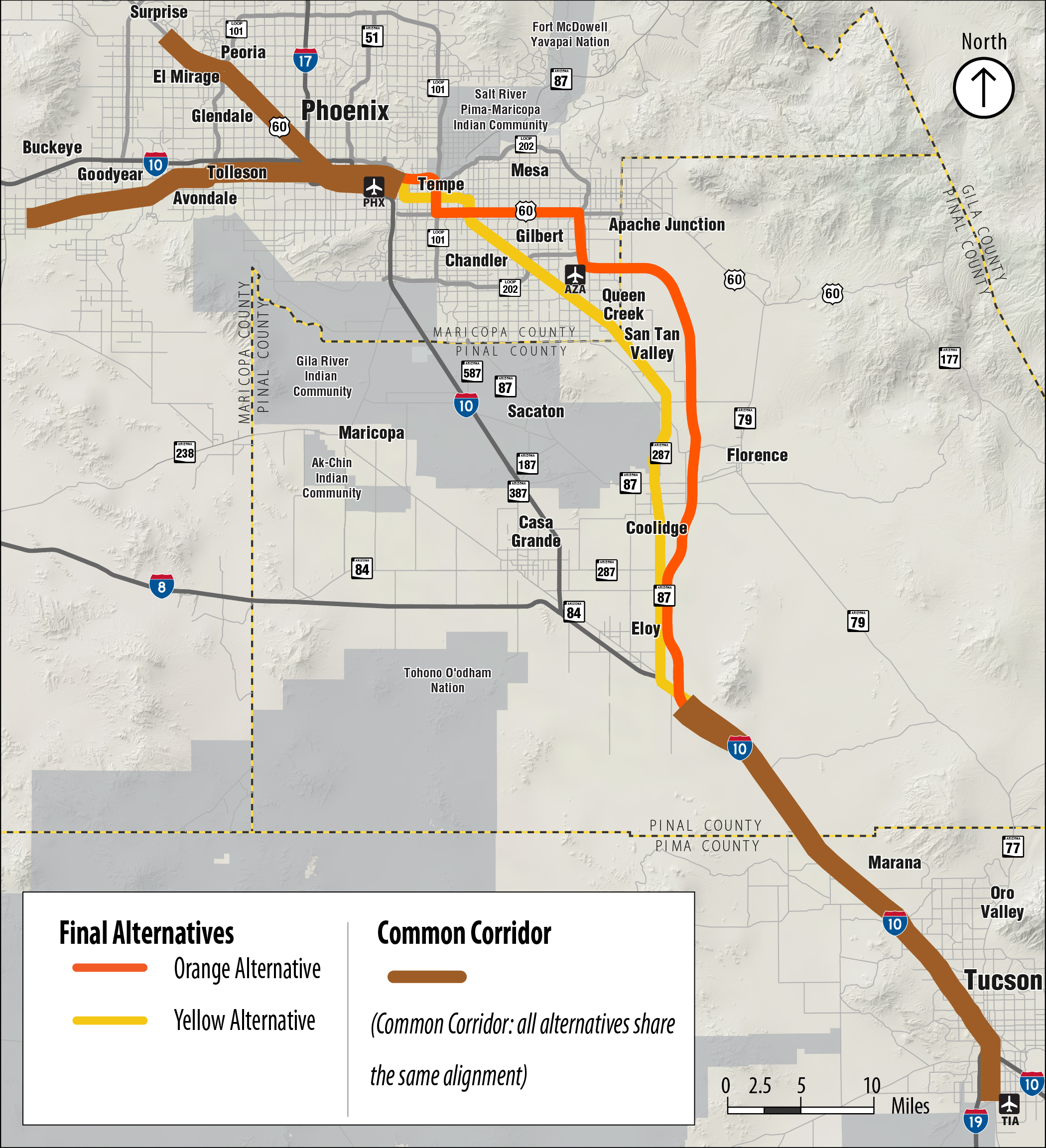
The Journey: Distance, Driving Times, and Routes
The drive from Phoenix to Tucson is more than just a commute; it’s an opportunity to immerse yourself in the unique beauty of the Sonoran Desert landscape. While the actual mileage is important, understanding the typical driving time and alternative routes can significantly enhance your travel planning.
Driving Routes and Scenery
The most direct and commonly used route is Interstate 10 South. Starting from Phoenix, you’ll head south, passing through several smaller communities and vast stretches of open desert. The drive typically takes between 1 hour and 45 minutes to 2 hours, depending on your exact starting point in Phoenix, your destination in Tucson, and, crucially, traffic conditions. Peak travel times, particularly during weekday rush hours or major holiday weekends, can extend this duration, so it’s always wise to check real-time traffic updates before departing.
Along I-10, travelers are treated to classic Arizona scenery. Majestic saguaro cacti dot the landscape, towering against a backdrop of distant mountains. The transition from the sprawling urban environment of Phoenix to the more laid-back, yet equally vibrant, atmosphere of Tucson is gradual and picturesque. You’ll pass agricultural fields, especially as you approach areas like Casa Grande, contrasting with the rugged desert terrain. Keep an eye out for interesting rock formations and the ever-present blue skies that define Arizona’s sunny disposition.
While I-10 is the most efficient, some travelers might consider slightly less direct, more scenic alternatives if time permits and they are looking for a more leisurely pace. For instance, taking State Route 79 (SR 79) from Florence offers a different perspective of the desert, though it adds significant time to the journey. For most, however, the convenience and speed of I-10 make it the preferred choice, allowing more time to enjoy the destinations themselves.
Alternative Transportation Options
While driving is by far the most popular and flexible way to travel between Phoenix and Tucson, other options exist for those who prefer not to drive or are flying into one city and departing from another.
-
Bus Services: Several bus companies, such as Greyhound and FlixBus, operate daily routes between Phoenix and Tucson. These services typically take slightly longer than driving, usually around 2.5 to 3 hours, due to stops. They are a cost-effective option, particularly for budget travelers. The departure points usually include the downtown bus terminals in each city, as well as the Phoenix Sky Harbor International Airport.
-
Shuttle Services: Private and shared-ride shuttle services are a convenient choice, especially for travelers heading directly to or from the airport. Companies like Arizona Shuttle (also known as Groome Transportation) offer multiple daily departures between Phoenix Sky Harbor International Airport and various locations in Tucson, including the Tucson International Airport and major resorts. These can be more expensive than a bus ticket but offer door-to-door or near door-to-door service, saving the hassle of navigating public transport with luggage.
-
Ride-Sharing and Taxis: While possible, taking a ride-sharing service like Uber or Lyft, or a traditional taxi, between the two cities can be quite costly due to the distance. It’s generally reserved for situations requiring immediate, direct transport without prior booking, or for groups splitting the fare.
Beyond the Drive: Exploring Phoenix and Tucson
Once you’ve factored in the travel time, the real adventure begins in exploring what each city has to offer. Both Phoenix and Tucson are rich in attractions, from natural wonders and historical landmarks to vibrant cultural scenes and culinary delights.
Top Attractions in Phoenix
Phoenix, the fifth-largest city in the United States, is a sprawling metropolis known for its sunny weather, desert landscapes, and luxury resorts. It’s a hub for business stays and luxury travel, but also offers plenty for family trips and adventure seekers.
- Desert Botanical Garden: A must-visit landmark showcasing the incredible diversity of desert flora. Miles of trails wind through vibrant cacti, succulents, and wildflowers, especially stunning during spring blooms.
- Heard Museum: Dedicated to the advancement of American Indian art and culture. Its extensive collections and engaging exhibits provide deep insights into the traditions and contemporary issues of Native American communities.
- Musical Instrument Museum (MIM): An extraordinary global collection of musical instruments, with interactive exhibits that allow visitors to hear the instruments in their cultural context.
- Papago Park & Hole-in-the-Rock: A unique geological formation offering panoramic views of the city, perfect for a sunset hike. The park also houses the Phoenix Zoo and the Desert Botanical Garden.
- Camelback Mountain: A prominent landmark offering challenging hiking trails and rewarding views of the Valley of the Sun.
- Old Town Scottsdale: Adjacent to Phoenix, this historic district is known for its Western-themed shops, art galleries, vibrant nightlife, and diverse dining scene, offering a taste of the local culture.
- Frank Lloyd Wright’s Taliesin West: The winter home and architectural school of the legendary architect Frank Lloyd Wright, offering fascinating tours of his innovative desert architecture.
Must-See Sights in Tucson
Tucson, often described as “The Old Pueblo,” offers a more relaxed pace with a rich blend of Native American, Spanish, Mexican, and Old West influences. It’s recognized as a UNESCO City of Gastronomy, making it a haven for foodies.

- Saguaro National Park: Divided into two districts (East and West) flanking the city, this iconic park protects vast forests of the majestic saguaro cactus, Arizona’s state flower. It’s ideal for hiking, scenic drives, and wildlife viewing.
- Arizona-Sonora Desert Museum: More than just a museum, this 98-acre zoo, botanical garden, art gallery, natural history museum, and aquarium focuses on the natural history of the Sonoran Desert.
- Mission San Xavier del Bac: Known as the “White Dove of the Desert,” this stunning 18th-century Spanish colonial mission is an active church and a masterpiece of Baroque architecture, offering a glimpse into Arizona’s rich history and local culture.
- Old Tucson Studios: A historic movie set and theme park where countless Western films and TV shows were shot. It offers live entertainment, stunt shows, and a step back into the Old West.
- Pima Air & Space Museum: One of the largest non-government funded aerospace museums in the world, featuring an impressive collection of over 400 aircraft across six indoor exhibit hangars and outdoor displays.
- Mount Lemmon Scenic Byway: A breathtaking drive that climbs from the desert floor to nearly 9,000 feet, offering a dramatic change in climate and vegetation, culminating in the small ski town of Summerhaven and Ski Valley, the southernmost ski resort in the United States.
- Tucson Botanical Gardens: A tranquil urban oasis featuring a diverse collection of desert plants, specialty gardens, and a butterfly house.
Making the Trip: Accommodation and Lifestyle Considerations
Whether you’re visiting for leisure or business, finding the right accommodation is key to a comfortable and memorable trip. Both Phoenix and Tucson boast a wide array of options, from luxury resorts to boutique hotels and budget-friendly stays.
Where to Stay: Phoenix Hotels and Resorts
Phoenix and its surrounding areas, especially Scottsdale, are famous for their world-class resorts, many of which are destinations in themselves. These resorts offer opulent suites, championship golf courses, lavish spas, and multiple swimming pools, catering to luxury travel and those seeking an indulgent escape.
- The Phoenician, a Luxury Collection Resort, Scottsdale: Nestled at the base of Camelback Mountain, this iconic resort offers unparalleled service, stunning views, and extensive amenities.
- JW Marriott Desert Ridge Resort & Spa: A sprawling property with multiple pools, a lazy river, golf courses, and diverse dining options, perfect for family trips and those who love resort life.
- Four Seasons Resort Scottsdale at Troon North: Known for its elegant casitas, impeccable service, and breathtaking views of Pinnacle Peak, offering a more intimate desert experience.
- Hotel Valley Ho: A retro-chic boutique hotel in Old Town Scottsdale, famous for its vibrant pool scene and mid-century modern architecture.
For business travelers or those seeking more standard accommodations, Phoenix offers a plethora of well-known hotel chains, from Hilton and Marriott to Hyatt and IHG, providing comfortable rooms, meeting facilities, and convenient locations near major business districts and attractions. Vacation rentals and apartments are also popular options for long-term stays or larger groups.
Where to Stay: Tucson Accommodation Gems
Tucson’s accommodation landscape reflects its unique character, blending historic charm with modern desert luxury. You’ll find fewer towering high-rises and more properties that integrate seamlessly with the natural environment.
- Loews Ventana Canyon Resort: Tucked into the Catalina Mountains, this resort offers stunning views, a championship golf course, and a tranquil desert setting.
- Omni Tucson National Resort: Known for its two championship golf courses and serene atmosphere, it’s a favorite for golf enthusiasts and those seeking relaxation.
- Hotel Congress: A historic downtown landmark, this boutique hotel offers a vibrant and quirky experience with live music venues and a popular restaurant. It’s perfect for travelers seeking local culture and a unique stay.
- The Ritz-Carlton, Dove Mountain: Located just outside Tucson in the Tortolita Mountains, this luxury resort provides an exclusive retreat with exceptional service, a world-class golf course, and stunning desert vistas.
Beyond these resorts, Tucson offers charming bed and breakfasts, mid-range hotels, and a growing number of vacation rentals that cater to various budgets and preferences. Many properties emphasize outdoor living, with courtyards, patios, and direct access to hiking trails, aligning with Tucson’s outdoor-oriented lifestyle.
Planning Your Arizona Adventure
The relative proximity of Phoenix and Tucson makes them ideal for combining into a single, comprehensive Arizona itinerary. This allows travelers to experience both the bustling energy of a major metropolitan area and the historic charm of a smaller, culturally rich city, all within a short drive.
Combining Both Cities into an Itinerary
A popular approach for visitors to Arizona is to fly into Phoenix Sky Harbor International Airport, spend a few days exploring Phoenix and Scottsdale, then rent a car and drive south to Tucson for another few days. This allows for a smooth transition and maximizes sightseeing opportunities.
- Start in Phoenix (3-4 days): Dedicate time to major attractions like the Desert Botanical Garden, Heard Museum, and perhaps a hike up Camelback Mountain. Enjoy the vibrant dining scene in Scottsdale and perhaps a relaxing day by the pool at a resort.
- Drive to Tucson (2-3 hours): Enjoy the scenic desert drive.
- Explore Tucson (3-4 days): Dive into the unique offerings of Saguaro National Park, the Arizona-Sonora Desert Museum, and the historic Mission San Xavier del Bac. Indulge in Tucson’s renowned culinary scene, sampling its diverse Southwestern and Mexican flavors. Consider a drive up Mount Lemmon for a change of scenery and cooler temperatures.

Further Adventures and Tips
For those with more time, the journey doesn’t have to end in Tucson. Arizona is a state of incredible diversity, and its central location makes it a gateway to other iconic destinations:
- Grand Canyon National Park: While a longer drive (approximately 3.5-4 hours north of Phoenix), the Grand Canyon is an absolute must-see for any visitor to Arizona. Many travelers extend their trip to include this natural wonder, often stopping in picturesque Sedona along the way.
- Sedona: Known for its stunning red rock formations, spiritual vortexes, and outdoor activities, Sedona is about a 2-hour drive north of Phoenix and makes for an excellent stopover on the way to the Grand Canyon or a destination in itself.
Travel Tips for your Arizona Trip:
- Best Time to Visit: The cooler months from October to April are ideal for exploring Arizona’s desert cities, with pleasant temperatures perfect for outdoor activities. Summers can be intensely hot, particularly in Phoenix, so plan indoor activities or enjoy resort pools during the hottest parts of the day.
- Pack Essentials: Regardless of the season, bring sunscreen, a hat, sunglasses, and plenty of water, especially if you plan on hiking or spending extended time outdoors. The desert sun can be intense.
- Rent a Car: For maximum flexibility and to explore beyond the city centers, renting a car is highly recommended. It allows you to discover hidden gems and picturesque routes at your own pace.
- Embrace the Local Cuisine: Don’t miss out on the incredible Southwestern and Mexican food scene in both cities, especially in Tucson, a UNESCO City of Gastronomy.
- Book in Advance: Especially during peak season (winter and spring), popular hotels and attractions can book up quickly. Secure your accommodation and any desired tours or experiences well in advance.
In conclusion, the distance between Tucson and Phoenix is a mere snapshot in time – a short, pleasant drive that connects two unique and captivating facets of Arizona’s soul. Whether you’re seeking the vibrant energy of a modern metropolis or the historic charm of the Old West, your journey between these cities promises an unforgettable exploration of the Sonoran Desert’s natural beauty, rich culture, and warm hospitality. So, pack your bags, set your GPS, and get ready to discover the wonders that lie just a short drive apart in the Grand Canyon State.
LifeOutOfTheBox is a participant in the Amazon Services LLC Associates Program, an affiliate advertising program designed to provide a means for sites to earn advertising fees by advertising and linking to Amazon.com. Amazon, the Amazon logo, AmazonSupply, and the AmazonSupply logo are trademarks of Amazon.com, Inc. or its affiliates. As an Amazon Associate we earn affiliate commissions from qualifying purchases.