
The golden state of California, renowned for its sun-kissed beaches, iconic landmarks, and vibrant cities, faces an annual scourge that threatens its natural beauty, communities, and thriving tourism industry: devastating wildfires. Far from being isolated incidents, these fires have become increasingly frequent and intense, leaving a trail of destruction that impacts everything from local economies to the very lifestyle synonymous with the region. Understanding the complex interplay of natural conditions, human activity, and the overarching influence of climate change is crucial to comprehending what is truly causing the California fires and how to navigate this evolving challenge, particularly for those who cherish its travel destinations, unique culture, and accommodations.
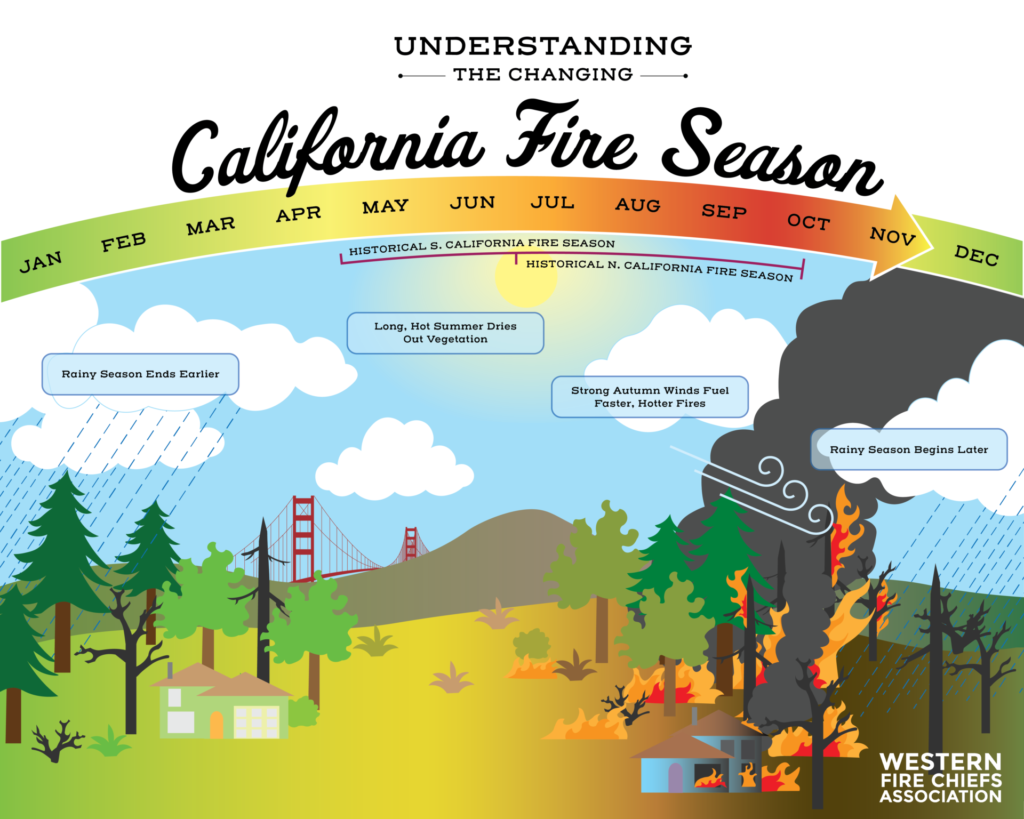
The Evolving Landscape of California’s Wildfire Crisis
California’s unique geography and climate have always made it susceptible to wildfires. However, what was once a natural ecological process has morphed into an existential crisis, exacerbated by a confluence of factors that have primed the state for increasingly catastrophic blazes.
A Legacy of Arid Conditions and Dry Fuels
At its core, California possesses a Mediterranean climate, characterized by warm, dry summers and mild, wet winters. While this climate offers idyllic conditions for visitors seeking sun and outdoor adventures, it also creates an inherent vulnerability to fire. The annual cycle of growth followed by prolonged dry spells leads to a significant accumulation of highly flammable vegetation. Native chaparral, dense brush, and extensive forests, though resilient, become tinderboxes after months without rain.
Compounding this natural predisposition are periods of prolonged drought, which have become more severe and frequent in recent decades. These droughts desiccate landscapes, turning even green foliage brittle and making it easier for fires to ignite and spread rapidly. When combined with extreme heatwaves, which consistently break temperature records across the state, the moisture content in fuels drops to critically low levels, making them exceptionally combustible.
A particularly menacing factor in California’s fire season is the presence of powerful, dry winds. In Southern California, the Santa Ana Winds gust from the desert through mountain passes, carrying hot, dry air at high speeds. Similarly, Northern California experiences the Diablo Winds, which sweep down from the Sierra Nevada. Both wind systems act as accelerators, fanning flames, carrying embers over long distances, and making containment efforts incredibly challenging, often turning small fires into uncontrollable infernos within hours.
The Human Footprint: Unintended Consequences and Deliberate Acts
While natural conditions set the stage, human activity frequently provides the spark. The vast majority of wildfires in California are human-caused, stemming from both accidental incidents and, tragically, deliberate acts.
One of the most significant and well-documented causes relates to faulty electrical infrastructure. Aging power lines, especially in windy conditions or areas with dense vegetation, can arc, break, or fall, igniting dry brush below. Utilities like Pacific Gas and Electric Company (PG&E) and Southern California Edison have faced immense scrutiny and billions of dollars in liabilities due to their equipment being implicated in some of the state’s most destructive fires. The challenges of maintaining vast networks across rugged, fire-prone terrain are immense, leading to ongoing debates about grid modernization, vegetation management, and the controversial practice of preemptive power shutoffs.
Beyond utility infrastructure, numerous other human actions contribute to ignitions. Vehicle accidents, such as sparks from catalytic converters or dragging chains, can easily start roadside fires. Discarded cigarettes, unattended campfires, sparks from grinding or welding equipment, and even celebratory fireworks can all escalate into major incidents given the right environmental conditions. In rural and wildland-urban interface areas, where communities blend with natural landscapes, the potential for human-caused ignition is particularly high.
Furthermore, arson, the deliberate setting of fires, remains a persistent and disturbing cause of wildfires. While less frequent than accidental ignitions, these malicious acts can have devastating consequences, adding another layer of complexity to prevention and law enforcement efforts. The proximity of human populations to wildlands, a trend known as the wildland-urban interface (WUI), means that more people are living in harm’s way, and simultaneously, more potential ignition sources are introduced into fire-prone environments.
Climate Change: A Catalyst for Catastrophe
While natural factors and human actions are direct causes, climate change acts as a powerful amplifier, supercharging the conditions that lead to more frequent, larger, and more intense wildfires. It is the underlying current that explains the alarming trend seen in recent years.
Rising Temperatures and Intensified Droughts
The scientific consensus is unequivocal: global warming, driven by human emissions of greenhouse gases, is heating the planet. California is experiencing these effects acutely. Higher average temperatures lead to increased evaporation from soils, plants, and reservoirs, further drying out landscapes and extending the fire season. What was once a predictable fire season has now become a year-round threat in many parts of the state.
The connection between rising temperatures and drought intensity creates a dangerous feedback loop. Warmer temperatures exacerbate droughts by accelerating moisture loss, which in turn leads to more abundant and drier fuel for fires. This cycle means that even modest rainfall during wet seasons may not be enough to fully replenish parched landscapes, setting the stage for subsequent fire events. The frequency and duration of extreme heatwaves are also increasing, directly contributing to the ignition potential and rapid spread of fires.
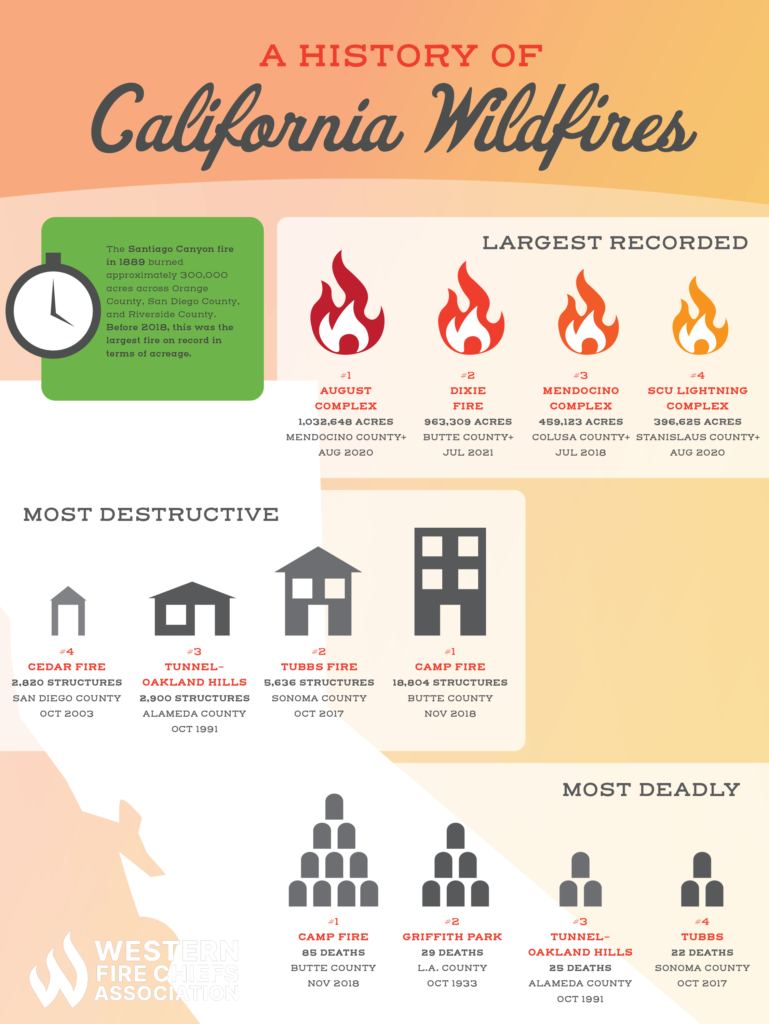
Shifting Ecosystems and Vulnerable Landscapes
Climate change isn’t just making existing conditions worse; it’s actively transforming California’s ecosystems, making them more vulnerable to fire. Prolonged drought and warmer temperatures stress forests, making them more susceptible to pest outbreaks, such as bark beetles. These pests can decimate vast swaths of trees, leaving behind millions of dead, highly combustible snags that act as perfect fuel for megafires. The sheer volume of dead trees creates an unprecedented fuel load, making traditional forest management practices increasingly difficult and less effective.
Moreover, changes in precipitation patterns, including more extreme rainfall events followed by longer dry spells, can lead to invasive species flourishing. These non-native grasses often grow quickly and dry out early in the season, providing a continuous “fine fuel” layer that helps fires spread rapidly through areas that might otherwise have been less susceptible. This ecological shift challenges established land management strategies and calls for adaptive approaches to conservation and wildfire prevention.
The Impact on California’s Cherished Tourism and Lifestyle
The recurrent onslaught of wildfires has profound implications for California’s economy, particularly its vital tourism sector, and significantly alters the lifestyle of its residents. For visitors planning their next adventure or seeking the perfect accommodation, understanding these impacts is paramount.
Travel and Accommodation: Navigating the Smoke and Scars
Wildfires pose a direct threat to many of California’s most beloved destinations, impacting everything from national parks to world-renowned wine regions and coastal escapes. Iconic areas like Napa Valley and Sonoma County, famous for their vineyards and culinary tourism, have repeatedly faced evacuations, destruction of wineries, and lingering smoke that deters visitors. Similarly, natural wonders such as Yosemite National Park, Lake Tahoe, and Big Sur have seen large sections closed due to fire activity or smoke, disrupting hiking, camping, and scenic drives. Even metropolitan areas like Los Angeles and San Francisco can experience significant air quality issues, obscuring views and making outdoor activities unpleasant or unsafe.
For the accommodation sector, the impact is multifaceted. Hotels and resorts, from luxury establishments like The Ritz-Carlton, Laguna Niguel to historic gems such as Hotel del Coronado and the grand Fairmont San Francisco, may face booking cancellations, reduced occupancy, and infrastructure damage if fires reach populated areas. Vacation rentals and long-term stays are also affected, as travelers rethink plans due to safety concerns, evacuation orders, or simply the desire to avoid smoky conditions. The financial strain on these businesses, many of which are independently owned, can be immense, leading to job losses and economic downturns in affected regions. Travelers, in turn, face challenges with rebooking, understanding cancellation policies, and ensuring travel insurance covers fire-related disruptions.
Protecting Landmarks and Preserving Lifestyles
Beyond immediate safety, wildfires threaten California’s cultural and natural heritage. Historic buildings, unique architectural sites, and vast natural landscapes that define the state’s identity are all vulnerable. The loss of ancient redwood groves, unique ecosystems, and structures that tell the story of California’s past is a devastating blow, not only to tourism but to the collective memory and environmental legacy of the state.
The constant threat of fire also profoundly impacts the lifestyle of California residents. Many live with a heightened sense of anxiety during fire season, constantly monitoring news, air quality alerts, and evacuation maps. The financial burden of insurance, property losses, and the emotional toll of displacement and rebuilding become an annual struggle for countless families. Communities in areas like Malibu, nestled in fire-prone canyons, exemplify the recurring battle against these destructive forces, highlighting the resilience needed to adapt to this new normal.
Mitigation and Adaptation: Charting a Path Forward
Addressing the California wildfire crisis requires a multi-pronged approach, encompassing enhanced prevention, strategic adaptation, and a shift towards more sustainable practices across all sectors, including tourism.
Enhanced Prevention and Preparedness
Efforts to mitigate human-caused ignitions are intensifying. Utility companies are investing billions in upgrading infrastructure, including undergrounding power lines in high-risk areas, installing fire-resistant poles, and utilizing advanced technologies for predictive analytics and real-time monitoring. Targeted power shutoffs during extreme wind events, though unpopular, have become a necessary tool to prevent ignitions.
At the community level, “defensible space” initiatives encourage homeowners and businesses in wildland-urban interface areas to create buffer zones around their properties by clearing flammable vegetation. Early warning systems, leveraging satellite imagery, ground sensors, and aerial surveillance, are improving detection times, allowing for quicker response and more timely evacuations. Forest management practices are also evolving, with increased emphasis on controlled burns, mechanical thinning, and ecological restoration to reduce fuel loads and promote forest health, often informed by indigenous land management techniques that understood fire’s role in the ecosystem.

Sustainable Tourism and Future Resilience
The tourism industry itself is adapting, moving towards more sustainable and resilient models. This includes promoting off-season travel to reduce crowding, investing in fire-resistant infrastructure for hotels and resorts, and supporting local communities in their recovery efforts. Travelers are increasingly encouraged to engage in responsible tourism practices, such as adhering to fire safety regulations when camping or hiking, and supporting businesses that prioritize environmental stewardship.
Policy and investment play a crucial role in long-term solutions. This includes funding for climate change research, incentivizing green technologies, and developing comprehensive land-use planning that balances housing needs with wildfire risk. Collaborative efforts between state agencies, local communities, scientific institutions, and private sectors are essential for building a more resilient California that can coexist with fire. For visitors, choosing destinations and accommodations that demonstrate a commitment to these sustainable practices not only supports responsible travel but also contributes to the preservation of the stunning landscapes and vibrant culture that make California such a cherished place to explore.
LifeOutOfTheBox is a participant in the Amazon Services LLC Associates Program, an affiliate advertising program designed to provide a means for sites to earn advertising fees by advertising and linking to Amazon.com. Amazon, the Amazon logo, AmazonSupply, and the AmazonSupply logo are trademarks of Amazon.com, Inc. or its affiliates. As an Amazon Associate we earn affiliate commissions from qualifying purchases.