
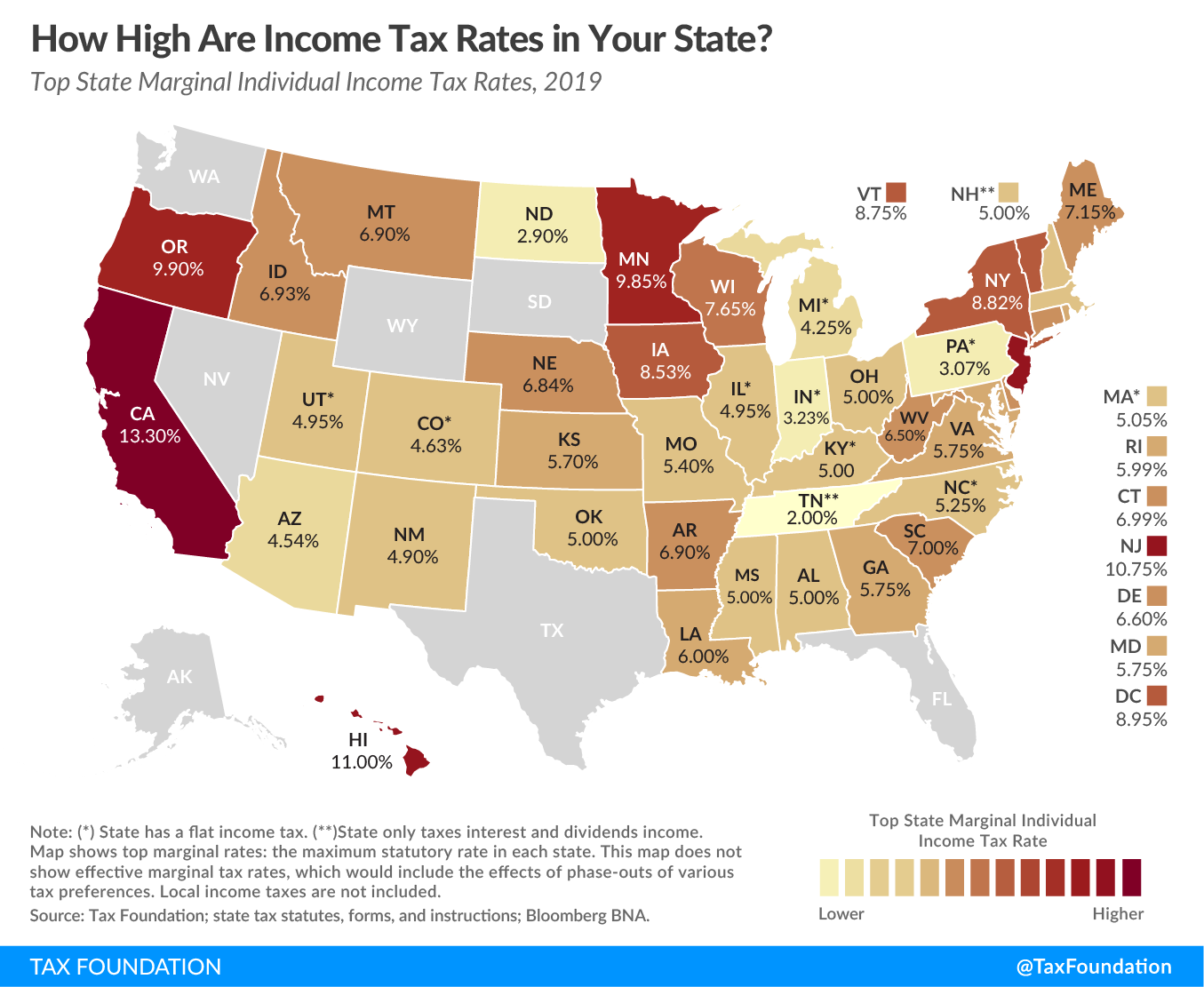
For anyone considering a move to the Lone Star State, planning a long-term stay, or even just curious about the economic backdrop that shapes its vibrant travel and tourism landscape, one of the most frequently asked questions revolves around its tax system: specifically, “Does Texas have income tax?” The answer is a resounding no, and this fundamental aspect of Texas’s fiscal policy profoundly influences everything from personal finances and lifestyle choices to its robust economy and diverse tourism appeal. This absence of a state income tax isn’t just a quirky detail; it’s a cornerstone of the state’s identity, driving its rapid growth, attracting major corporations, and shaping the daily lives and travel opportunities for millions.
This unique tax structure has far-reaching implications, creating an environment that appeals to entrepreneurs, families, and travelers alike. It fuels a dynamic economy that supports world-class hotels, diverse cultural attractions, and a lifestyle that often boasts more disposable income for leisure and exploration. Understanding this financial framework is key to appreciating why Texas remains a top destination for both relocation and unforgettable travel experiences, offering everything from bustling urban adventures to serene natural retreats.
The Lone Star State’s Distinctive Tax Landscape
The financial fabric of Texas is distinct, setting it apart from many other states in the United States. Its approach to taxation is a strategic choice designed to foster economic growth and attract investment, a strategy that has demonstrably paid off in recent decades. For residents, this translates into a different kind of financial planning, where the absence of a significant state income tax shifts the focus to other revenue streams that fund public services and infrastructure.
A Deep Dive into Texas’s Tax Structure
At the heart of the Texas tax system is the absence of a state individual income tax. This means that, unlike residents in states such as California or New York, individuals living and working in Texas do not pay a percentage of their earnings to the state government. This significantly impacts personal financial planning, allowing individuals to retain a larger portion of their income. For travelers, especially those considering extended stays or even remote work from a new location, this can be a compelling draw. More take-home pay can translate into a higher budget for accommodation, dining out, and experiencing the myriad attractions Texas has to offer.
To compensate for the lack of income tax revenue, Texas relies heavily on other forms of taxation. The primary sources include:
- Sales Tax: This is one of the most significant revenue generators for the state. The state sales tax rate is 6.25%, but local jurisdictions (cities, counties, and special purpose districts) can add up to an additional 2%, bringing the combined sales tax rate to a maximum of 8.25% in most areas. This tax applies to most goods and services purchased within the state. For tourists, this means that restaurant meals, souvenir purchases, and tickets to attractions will include sales tax.
- Property Tax: Perhaps the most impactful tax for homeowners in Texas is the property tax. While there is no state property tax, local entities—such as counties, cities, school districts, and special districts—levy property taxes, and these rates can be among the highest in the nation. Property taxes are assessed based on the appraised value of real estate and are a crucial funding source for local services, particularly public education. For those looking to invest in real estate or considering a long-term relocation, understanding the local property tax burden is essential.
- Franchise Tax: Businesses operating in Texas are subject to a franchise tax, also known as the margins tax. This tax is levied on a company’s taxable margin, which is generally its total revenue minus certain deductions, rather than its net income. It’s a significant component of the state’s revenue from corporations and plays a role in attracting certain types of businesses while potentially deterring others.
- Other Taxes: Texas also collects various other taxes, though they contribute smaller portions to the overall state budget. These include motor fuels tax, taxes on alcoholic beverages and tobacco products, and hotel occupancy tax, which directly impacts the travel and tourism industry. The hotel occupancy tax, collected on hotel stays, helps fund local tourism promotion and convention centers, further bolstering the state’s appeal to visitors.
This diverse portfolio of taxes ensures that Texas can fund its extensive public services, massive infrastructure projects, and robust educational system, all while maintaining its competitive edge by not imposing a state income tax on individuals.
Economic Growth and Business Appeal
The absence of a state income tax has been a powerful magnet for businesses and individuals alike, making Texas a powerhouse of economic growth. Companies, especially those with high-income employees or substantial profits, often find the Texas tax environment more favorable than states with high corporate or individual income taxes. This has led to a consistent influx of corporate headquarters, manufacturing facilities, and tech companies relocating or expanding within the state. Major players in the tech, energy, and aerospace industries have established significant presences in cities like Houston, Dallas, and Austin.
This business-friendly climate fosters immense job creation across various sectors, from high-tech and healthcare to hospitality and construction. A growing job market, coupled with the potential for higher take-home pay, attracts a steady stream of new residents to Texas, making it one of the fastest-growing states in the nation. This population boom, in turn, fuels demand for housing, services, and amenities, further stimulating the economy.
For the travel and tourism sector, this economic vibrancy is a boon. Increased business activity leads to more business travel, conventions, and trade shows, filling hotel rooms and driving demand for transportation and dining options. The expanded tax base from sales and property taxes allows for investment in better infrastructure, including airports, highways, and public transportation, making it easier for both residents and visitors to explore the state. Moreover, a wealthier population with more disposable income is more likely to engage in domestic tourism, whether it’s weekend getaways to the Texas Hill Country, family vacations to Galveston Island, or exploring the cultural offerings of San Antonio. The symbiotic relationship between Texas’s tax policy and its economic prosperity directly translates into a more dynamic and attractive environment for travelers.
Lifestyle and Living in Texas: Beyond the Tax Bill
The allure of Texas extends far beyond its favorable tax policies. While the financial benefits are undeniable, they contribute to a lifestyle that is rich in opportunities, culture, and diverse experiences. The state’s immense size and varied geography mean that living in Texas offers everything from cosmopolitan city living to tranquil rural escapes, all often enhanced by the economic freedom provided by the state’s tax structure.
More Disposable Income for Travel and Leisure
One of the most direct benefits for individuals residing in a state without an income tax is the increased disposable income. When a larger portion of one’s paycheck remains in hand, there’s more flexibility for personal spending, savings, and investments. For many Texans, this translates into a greater capacity to indulge in leisure activities, pursue hobbies, and, significantly, travel.

Whether it’s booking a luxury suite in a Dallas high-rise for a romantic weekend, planning a family vacation to the beaches of South Padre Island, or embarking on an adventurous road trip through Big Bend National Park, more disposable income makes these experiences more accessible. This financial advantage supports a thriving local tourism market, as residents are more inclined to explore their own state and neighboring regions. It also means that Texans might have more budget allocated for international travel or premium travel experiences, contributing to a broader lifestyle of exploration and enjoyment.
The impact is seen in the booming restaurant scenes across Texas’s major cities, the vibrant live music venues in Austin, and the demand for diverse accommodation options, from boutique hotels to sprawling resorts. This higher purchasing power fuels the hospitality industry, ensuring a constant refresh of attractions, amenities, and services designed to cater to both residents and visitors seeking memorable experiences.
Exploring Texas’s Diverse Destinations
The economic vitality fostered by Texas’s tax structure directly contributes to the development and maintenance of its diverse array of destinations, ensuring there’s something for every type of traveler. From historic landmarks to modern entertainment complexes, the state offers an incredible spectrum of experiences.
- Houston: As Texas’s largest city, Houston is a global hub for energy, aerospace, and medical innovation. Visitors can explore the awe-inspiring Space Center Houston, delve into world-class museums in the Museum District, or savor diverse culinary delights ranging from authentic Tex-Mex to upscale international cuisine. Its thriving economy supports an array of luxurious hotels and modern convention facilities, making it a prime destination for both business and leisure travel.
- Dallas: A metropolitan center known for its vibrant arts scene, upscale shopping, and historical significance. The Dallas Arts District boasts museums and performance venues, while areas like Uptown offer exquisite dining and nightlife. History buffs can visit the Sixth Floor Museum at Dealey Plaza. Dallas also serves as a major transportation hub, with excellent connectivity for travelers. Accommodation options range from iconic luxury hotels like the Omni Dallas Hotel to more budget-friendly stays.
- Austin: The “Live Music Capital of the World,” Austin is renowned for its eclectic music scene, innovative food trucks, and outdoor lifestyle. Visitors can catch a show on Sixth Street, kayak on Lady Bird Lake, or explore the vibrant South Congress Avenue. Austin’s tech boom, fueled in part by the state’s tax policies, has also led to an explosion of modern hotels and unique boutique accommodations, catering to a diverse demographic of visitors.
- San Antonio: Steeped in history and culture, San Antonio is home to the iconic Alamo and the picturesque River Walk. Stroll along the scenic waterways, dine at riverside restaurants, or visit the historic Spanish Colonial Missions, a UNESCO World Heritage Site. San Antonio offers a charming blend of old-world charm and modern attractions, with hotels ranging from historic establishments to family-friendly resorts.
Beyond these major urban centers, Texas boasts a wealth of natural beauty. The Texas Hill Country offers stunning wineries and quaint towns like Fredericksburg, while the Gulf Coast provides miles of beaches and recreational opportunities. For the adventurous, the rugged landscapes of Big Bend National Park and Guadalupe Mountains National Park offer unparalleled hiking and stargazing. The state’s economic strength enables the preservation and enhancement of these natural landmarks, ensuring they remain accessible and enjoyable for generations of travelers.
Texas’s Competitive Edge: A National Perspective
In the grand scheme of states vying for residents, businesses, and tourist dollars, Texas’s no-income-tax policy stands as a significant competitive advantage. It’s not merely a policy choice; it’s a statement about the state’s economic philosophy, attracting particular demographics and fostering a unique environment that impacts its standing on the national stage.
Attracting Talent and Investment
The absence of a state income tax is a compelling incentive for both skilled professionals and burgeoning businesses. For individuals, particularly those in high-earning professions, moving to Texas can mean a substantial increase in take-home pay compared to states like California or New York, which have some of the highest income tax rates in the country. This financial advantage acts as a powerful magnet for talent, drawing in a diverse workforce seeking better economic opportunities and a higher quality of life. Engineers, doctors, entrepreneurs, and tech professionals are among those who have relocated to Texas in droves, contributing to its innovative economy.
For businesses, especially those looking to expand or relocate, the Texas tax environment is equally attractive. While they face the franchise tax, the overall burden can still be more favorable than in states with high corporate income taxes. This, combined with a relatively lower cost of doing business (e.g., land, utilities, and a large, skilled labor pool), makes Texas an appealing destination for corporate headquarters, manufacturing plants, and research and development centers. Tech giants and Fortune 500 companies have chosen cities like Austin, Dallas, Houston, and Plano for significant investments, creating thousands of jobs and fueling further economic expansion.
This influx of talent and capital has spurred remarkable population growth, making Texas the second-most populous state in the United States. Cities like Frisco, Irving, and Fort Worth are experiencing rapid development, leading to new residential communities, commercial centers, and cultural attractions. This growth, in turn, necessitates ongoing investment in public services and infrastructure, which is largely funded by the state’s robust sales and property tax revenues.
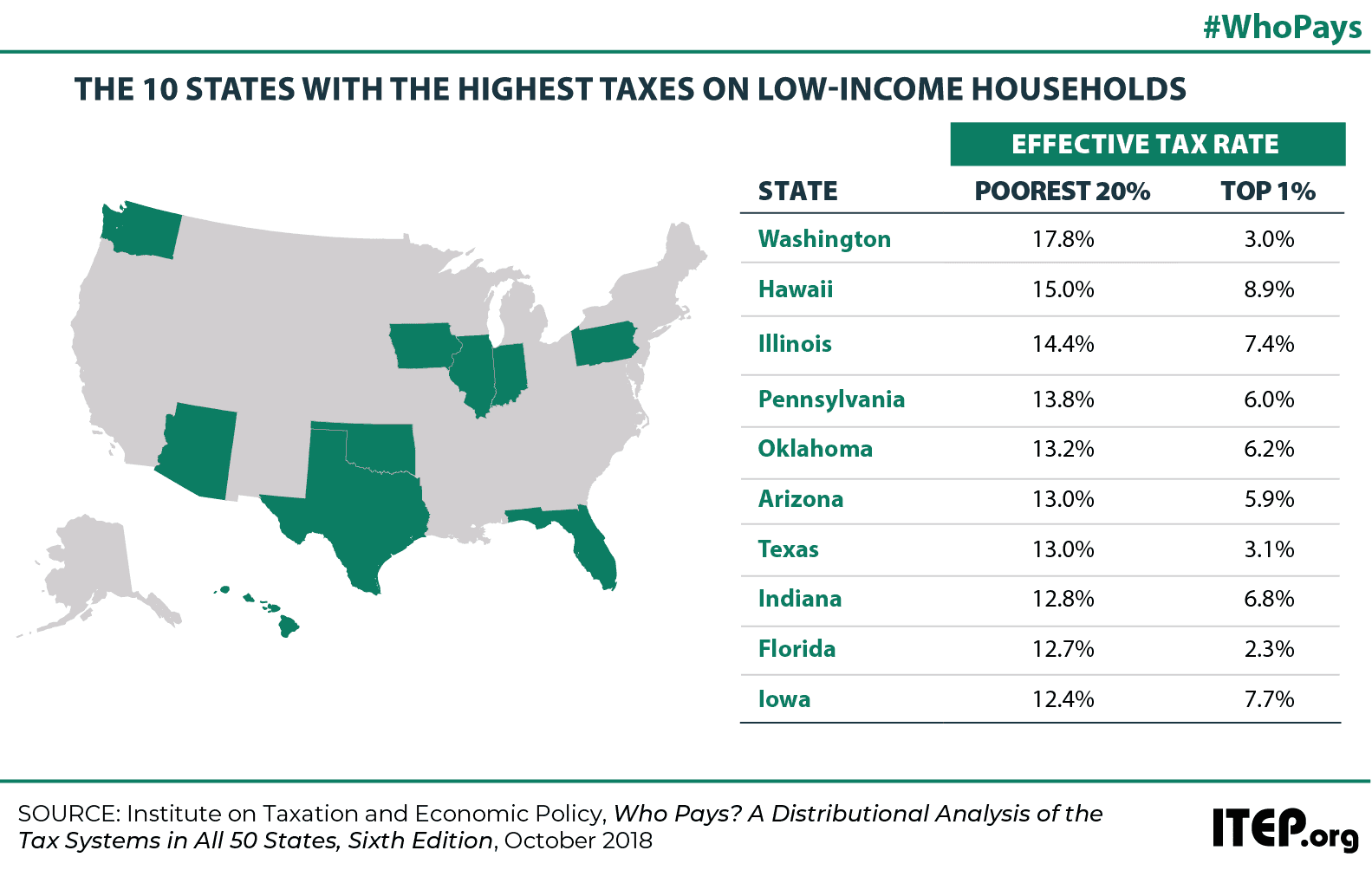
While property taxes in Texas can be high, the absence of a state income tax often results in a net financial benefit for many residents, especially when factoring in the generally lower cost of living compared to high-tax states. This balanced approach to taxation creates an appealing overall financial landscape, drawing in a continuous stream of individuals and businesses, all contributing to the state’s dynamic growth.
What the Future Holds for Texas’s Economy and Tourism
The trajectory for Texas’s economy and tourism sector appears robust, with its no-income-tax policy continuing to be a central driver of its success. The sustained population growth and business expansion are expected to continue, leading to further diversification of the economy beyond its traditional energy roots. Industries such as technology, aerospace, biotechnology, and advanced manufacturing are thriving, bringing in new capital and creating high-wage jobs.
This economic strength is a direct boon for the tourism industry. A growing and affluent population within the state provides a strong base for domestic tourism, while the increased profile of Texas as an economic powerhouse attracts more national and international visitors for both business and leisure. Investment in world-class facilities—from convention centers in Houston and Dallas to luxury resorts in the Texas Hill Country—will likely continue, enhancing the state’s appeal as a premier destination.
Furthermore, the state’s commitment to improving infrastructure, supported by its tax revenue streams, will make travel within and to Texas even more seamless. Expanded airports in Dallas/Fort Worth and Houston, better road networks connecting its major cities and tourist spots, and advancements in public transportation will all contribute to a more enjoyable visitor experience. As the state continues to attract diverse cultures and talents, its culinary scene, arts, and entertainment options will only become richer and more varied, offering endless new experiences for locals and tourists alike. The future of Texas is bright, marked by continued innovation, expansion, and a commitment to a pro-growth environment that benefits everyone, from residents enjoying their increased disposable income to travelers discovering the multifaceted wonders of the Lone Star State.
In conclusion, the question “Does Texas have income tax?” is answered with a definitive no, and this fact underpins much of the state’s unique character and success. While property and sales taxes are notable, the overall financial environment, coupled with a diverse economy and a vibrant lifestyle, makes Texas an exceptionally attractive destination. Whether you’re considering a move, planning an extended stay, or simply exploring the vast and dynamic offerings of the Lone Star State for a vacation, understanding its distinct tax structure provides valuable insight into the thriving communities, abundant opportunities, and unforgettable experiences that await.
LifeOutOfTheBox is a participant in the Amazon Services LLC Associates Program, an affiliate advertising program designed to provide a means for sites to earn advertising fees by advertising and linking to Amazon.com. Amazon, the Amazon logo, AmazonSupply, and the AmazonSupply logo are trademarks of Amazon.com, Inc. or its affiliates. As an Amazon Associate we earn affiliate commissions from qualifying purchases.