
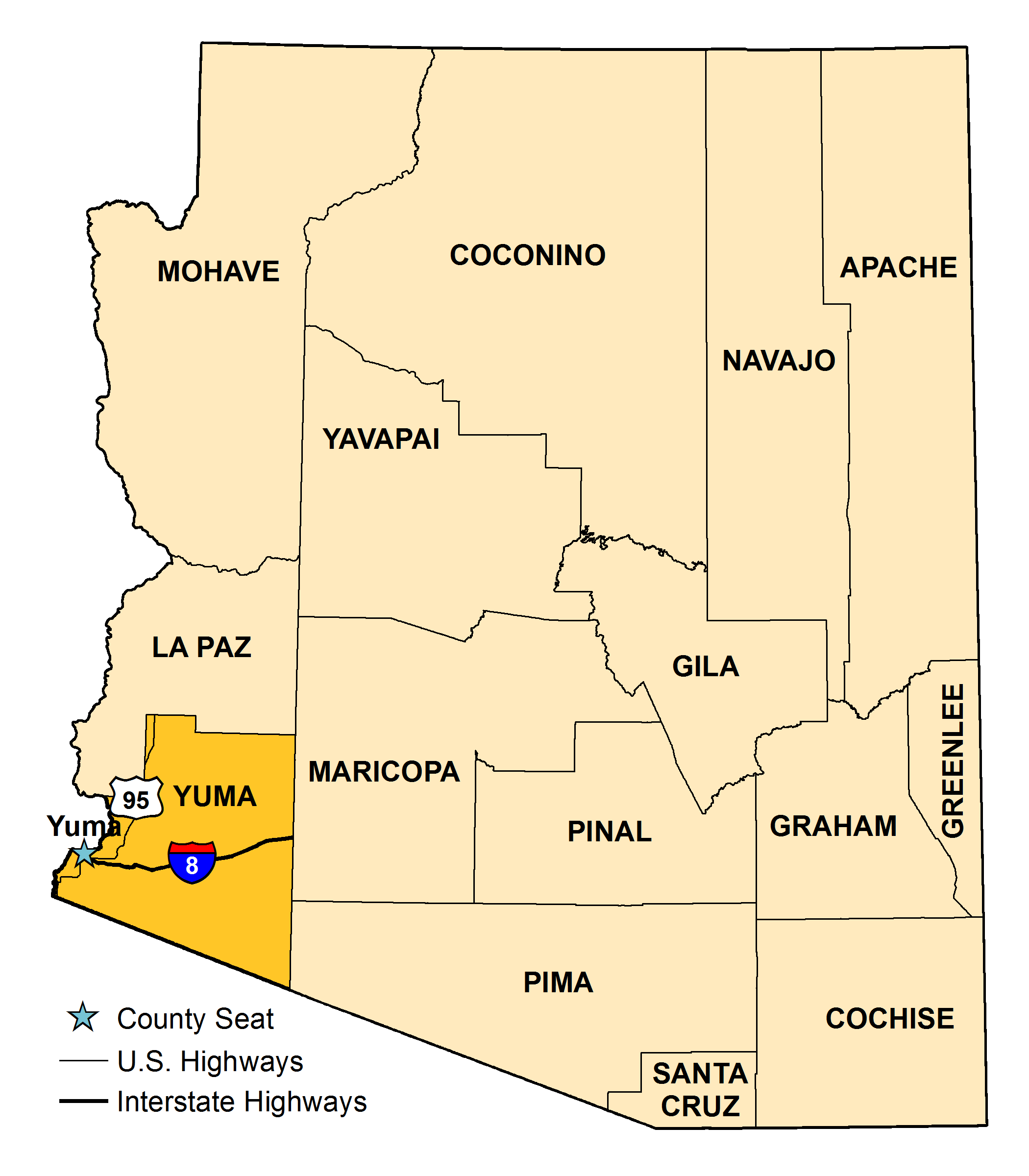
Nestled in the sun-drenched southwestern corner of Arizona, where the Colorado River gracefully flows towards Mexico and the vast desert stretches out to meet the borders of California, lies the vibrant city of Yuma. Far more than just a dot on the map, Yuma represents a unique blend of rich history, captivating natural beauty, and a welcoming community spirit that has made it a beloved destination for travelers, history buffs, and “snowbirds” alike. For those seeking an escape from colder climates, an immersion in authentic Southwestern culture, or an exploration of historical landmarks that shaped the American West, pinpointing Yuma on your travel itinerary is the first step towards an unforgettable experience.
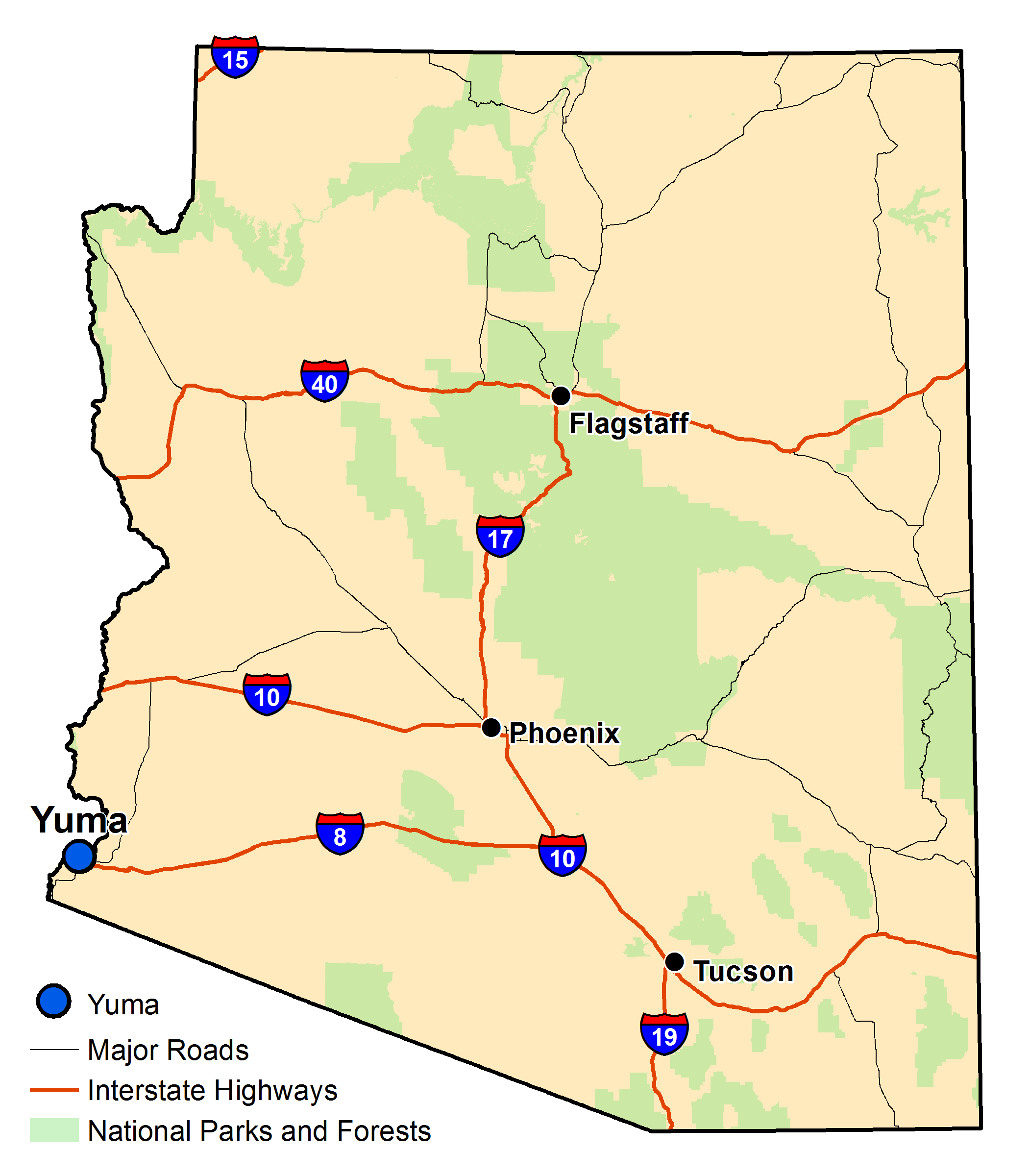
This article serves as your comprehensive guide to understanding Yuma’s prime location, delving into its historical significance, exploring its diverse array of attractions, and providing practical insights for planning your visit. From luxurious resorts and charming apartments to thrilling outdoor adventures and delectable local cuisine, Yuma offers a compelling narrative for every type of traveler.
Pinpointing Yuma: Arizona’s Southwestern Gem
To truly appreciate what Yuma has to offer, one must first grasp its strategic and historically significant geographic position. This city isn’t just in Arizona; it’s at the heart of a crossroads that has shaped civilizations and facilitated journeys for centuries.
Geographic Location and Climate
Yuma is situated directly on the eastern bank of the Colorado River, which forms the natural boundary between Arizona and California. It’s also positioned near the confluence of the Gila River with the Colorado River, a natural gathering point that has long been vital for sustenance and travel. The city’s proximity to the Mexican border (specifically, the city of San Luis Rio Colorado in Sonora, Mexico) adds another layer to its cultural fabric, making it a vibrant binational hub.
The climate here is characteristic of a low-desert environment, renowned for its abundant sunshine and incredibly mild winters. This makes Yuma a paradise for those escaping colder climes, earning it the affectionate moniker “The Sunniest City on Earth,” a title supported by official meteorological data. Summers are undeniably hot, with temperatures often soaring well above 100°F (38°C), but the dry heat is often more tolerable than humid conditions, and visitors can always find refuge in air-conditioned establishments or cool off by the river. The ideal travel season spans from October through April, when temperatures are delightfully moderate, perfect for outdoor exploration and enjoying the city’s myriad activities.
Accessibility to Yuma is straightforward, primarily via Interstate 8, a major east-west highway connecting San Diego, California, to Casa Grande, Arizona. For air travelers, the Yuma International Airport (YUM) offers regional flights, connecting visitors from various points across the United States.
A Rich Tapestry of History
The strategic location of Yuma has ensured its prominent role throughout history, making it a living museum of the American Southwest. Long before European explorers arrived, the area was home to indigenous peoples, most notably the Quechan Indian Tribe and Cocopah Indian Tribe, who utilized the fertile riverbanks and mastered the art of living in harmony with the desert.
Spanish expeditions, such as that led by Juan Bautista de Anza in the late 18th century, recognized the significance of the Yuma Crossing – the narrowest and most easily fordable point of the Colorado River. This crossing became a crucial gateway for westward expansion, especially during the California Gold Rush of the mid-19th century. Thousands of prospectors, settlers, and merchants passed through Yuma, transforming it into a bustling river port and a supply center for the burgeoning frontier.
The establishment of the infamous Yuma Territorial Prison in 1876 further cemented the city’s place in Wild West lore. Today, Yuma continues to play a vital role, particularly in military operations, hosting the Yuma Proving Ground and the Marine Corps Air Station Yuma, both integral to national defense and local economy. This fascinating blend of indigenous heritage, colonial exploration, frontier grit, and modern military presence offers an unparalleled historical journey for visitors.
Discovering Yuma’s Diverse Attractions and Experiences
Beyond its compelling location and history, Yuma beckons with an impressive array of attractions and experiences, catering to every interest from adrenaline junkies to quiet contemplatives. The city’s offerings are deeply intertwined with its unique environment and cultural heritage.
Must-Visit Landmarks and Historical Sites
No visit to Yuma is complete without exploring its iconic historical landmarks, each telling a distinct story of the region’s past.
- Yuma Territorial Prison State Historic Park: Arguably Yuma’s most famous attraction, this site offers a chilling yet fascinating glimpse into the lives of lawbreakers in the Old West. Visitors can walk through original cellblocks, explore the guard tower, and read about the notorious inmates who once called this “hellhole” home.
- Colorado River State Historic Park: Formerly known as the Yuma Quartermaster Depot, this park preserves the buildings and grounds that served as a crucial supply hub for military posts throughout the Southwest from 1864 to 1891. It provides insight into the logistical challenges of frontier life and the importance of river travel.
- Yuma Crossing National Heritage Area: This expansive area encompasses several key historical sites, including the prison and quartermaster depot, and celebrates the cultural and historical significance of the Colorado River crossing. It’s an ideal place for walking tours and connecting with the natural landscape.
- Castle Dome Mines Museum & Ghost Town: A bit off the beaten path, this preserved mining town offers a truly unique step back in time. Visitors can explore period buildings, view mining artifacts, and imagine life during the silver rush. It’s a testament to the rugged determination of those who sought their fortunes in the desert.
- Sanguinetti House Museum and Gardens: This charming museum, set in the historic adobe home of early Yuma merchant E.F. Sanguinetti, offers a glimpse into turn-of-the-century family life and commerce, surrounded by beautifully maintained gardens.
Outdoor Adventures and Natural Beauty
Yuma’s desert and riverine environment is a playground for outdoor enthusiasts. The region’s temperate winter and spring months are perfect for exploring its natural wonders.
- Colorado River Activities: The river is the lifeblood of Yuma, offering countless opportunities for recreation. Boating, fishing, kayaking, paddleboarding, and even tubing are popular ways to enjoy the refreshing waters. Several marinas and rental companies cater to visitors, making it easy to get out on the water.
- Desert Exploration: The vast desert landscape surrounding Yuma is ripe for adventure. Hiking trails range from easy strolls to more challenging treks, offering stunning views of desert flora and fauna. Off-roading, particularly ATV and UTV excursions, is a major draw, with vast areas like the nearby Imperial Sand Dunes (just across the border in California) providing thrilling terrain for motorized recreation.
- Birdwatching: The confluence of rivers and desert ecosystems makes Yuma a prime location for birdwatching. The Mittry Lake Wildlife Area, north of Yuma, is a haven for migratory birds and local species, providing excellent opportunities for nature photography and tranquil observation.
Cultural Immersion and Local Flavors
Yuma’s unique position at the crossroads of cultures is beautifully reflected in its local cuisine and vibrant community events.
- Mexican Influence: Due to its proximity to Mexico, Yuma boasts an incredibly authentic and diverse Mexican food scene. From street tacos to gourmet regional dishes, the flavors are rich and genuine. Many visitors make short trips across the border to San Luis Rio Colorado for an even deeper dive into Mexican culture and cuisine.
- Agricultural Bounty: Yuma proudly holds the title of “Winter Lettuce Capital of the World,” and its fertile fields produce a staggering amount of the nation’s winter vegetables. This agricultural heritage means fresh, local produce is readily available, often featured in local restaurants. Farm tours and farmers’ markets offer a chance to connect with this vital industry.
- Festivals and Events: Throughout the year, Yuma hosts a variety of festivals and events celebrating its history, culture, and agricultural bounty. These include harvest festivals, historical reenactments, and cultural celebrations that provide a lively atmosphere and a chance to experience local traditions.
Accommodation and Travel Planning in Yuma
Planning your visit to Yuma is made easy by a range of accommodation options and straightforward travel logistics, whether you’re staying for a weekend or an entire season.
A Spectrum of Lodging Options
Yuma caters to diverse preferences and budgets when it comes to lodging, ensuring every traveler finds a comfortable place to stay.
- Hotels & Resorts: For traditional comfort and amenities, Yuma offers a selection of well-known hotel chains, providing consistent quality and services. Options range from mid-range properties like the Hilton Garden Inn Yuma Pivot Point and the Holiday Inn Express & Suites Yuma to more budget-friendly motels. Many offer essential amenities such as swimming pools, fitness centers, complimentary breakfast, and Wi-Fi, enhancing the overall travel experience.
- RV Parks and Resorts: Given Yuma’s popularity among snowbirds, RV parks are an extremely prominent and well-developed accommodation type. These aren’t just simple campgrounds; many are full-service resorts offering extensive amenities like clubhouses, organized activities, pools, pickleball courts, and strong community atmospheres. They range from basic sites to luxurious, landscaped lots.
- Vacation Rentals: For those seeking a more home-like experience, especially for longer stays, vacation rentals such as apartments, condos, and houses are readily available through various platforms. These offer kitchens, multiple bedrooms, and often private outdoor spaces, ideal for families or groups.
- Amenities: When booking, consider the amenities that are important to your lifestyle. Many properties offer pet-friendly policies, crucial for travelers bringing their furry companions. Proximity to attractions, dining, and shopping can also influence your choice, with options ranging from downtown locations to quieter suburban areas.
Essential Travel Tips and Best Times to Visit
To make the most of your Yuma adventure, a little preparation goes a long way.
- Best Time to Visit: As mentioned, the prime season for Yuma is from October to April. During these months, the weather is consistently sunny and mild, with daytime temperatures averaging in the 60s and 70s Fahrenheit (15-25°C), perfect for exploring outdoors. The summer months (May to September) bring intense heat, which can limit outdoor activities, though indoor attractions and water-based fun are still viable.
- Transportation: While downtown Yuma is walkable, exploring the broader area, including historical sites, natural parks, and nearby attractions, necessitates a car. Rental cars are available at Yuma International Airport and in the city.
- The Snowbird Phenomenon: Be aware that during the peak winter season (roughly November to March), Yuma’s population swells significantly with “snowbirds.” This influx means that accommodation, particularly RV park spots and longer-term vacation rentals, can book up far in advance, and prices may be higher. It’s advisable to make reservations well in advance if traveling during these months.
- Border Crossing: If you plan to visit Mexico, ensure you have the necessary identification (passport for U.S. citizens) and are aware of current border crossing requirements and wait times.
Yuma’s Lifestyle and Unique Appeal
Yuma offers more than just tourist attractions; it provides a distinct lifestyle experience, characterized by its sunshine, community, and economic drivers.
The Snowbird Sanctuary
The phenomenon of “snowbirds” is central to Yuma’s identity. Each year, thousands of visitors, primarily retirees from colder northern states and Canada, flock to Yuma to escape harsh winters. This migration has profoundly shaped the city’s character and economy.
- Why Yuma Attracts Snowbirds: Beyond the irresistible warm weather, Yuma offers an affordable cost of living compared to other popular winter destinations. The vibrant snowbird community provides a strong sense of camaraderie, with numerous social clubs, organized activities (golf, cards, dances, craft fairs), and volunteer opportunities. Many RV parks function as small, active communities within themselves, fostering long-term friendships and traditions.
- Long-Term Stay Considerations: For those contemplating an extended stay, Yuma’s infrastructure is well-equipped for long-term visitors. Healthcare services, retail, and recreational facilities are all geared towards supporting a seasonal population, making it an easy and comfortable place to spend several months.

Beyond Tourism: A Thriving Community
While tourism, particularly from snowbirds, is a significant economic driver, Yuma is also a robust and diverse community with other key industries.
- Agriculture: As the “Winter Lettuce Capital of the World,” Yuma’s agricultural sector is immensely important. The fertile soil and abundant sunshine support a vast array of crops, from lettuce and broccoli to citrus fruits. This industry provides thousands of jobs and contributes significantly to the national food supply.
- Military Presence: The presence of the Yuma Proving Ground and Marine Corps Air Station Yuma injects a dynamic military culture into the city. These bases are not only crucial for national defense but also contribute substantially to the local economy and foster a strong sense of patriotism and community support for service members and their families.
- Community Events: Throughout the year, Yuma hosts various community events, including weekly farmers’ markets, arts and craft fairs, and cultural celebrations, reflecting its diverse population and interests. These events provide opportunities for both residents and visitors to connect, enjoy local talent, and savor the unique atmosphere of this Southwestern city.
In conclusion, Yuma is more than just a location; it’s a destination rich in heritage, natural wonders, and a lifestyle that perfectly balances adventure with relaxation. Its strategic position in southwestern Arizona, bordering California and Mexico and bisected by the mighty Colorado River, has carved out a unique identity. Whether you’re drawn by the echoes of the Wild West, the promise of sun-drenched outdoor activities, the warmth of a snowbird community, or the authentic flavors of the Southwest, Yuma offers a compelling tapestry of experiences waiting to be discovered. It stands as a testament to the enduring appeal of the desert, a vibrant crossroads where history, culture, and nature converge to create an unforgettable travel experience.
LifeOutOfTheBox is a participant in the Amazon Services LLC Associates Program, an affiliate advertising program designed to provide a means for sites to earn advertising fees by advertising and linking to Amazon.com. Amazon, the Amazon logo, AmazonSupply, and the AmazonSupply logo are trademarks of Amazon.com, Inc. or its affiliates. As an Amazon Associate we earn affiliate commissions from qualifying purchases.