
Nestled between the Atlantic Ocean and the Gulf of Mexico, Florida is a land of vibrant ecosystems, sun-drenched beaches, and teeming wildlife. Known globally for its iconic theme parks, pristine coastlines, and bustling cities like Miami, Orlando, and Key West, the Sunshine State offers a diverse palette of experiences for every kind of traveler. Beyond the well-trodden paths of human-made attractions, Florida’s natural world holds a special allure, particularly its rich avian population. For those who seek a deeper connection with the local environment, understanding the state’s natural emblems is a rewarding part of their tourism journey. So, for curious minds and nature enthusiasts alike, a fundamental question often arises: what is the official Florida State Bird?

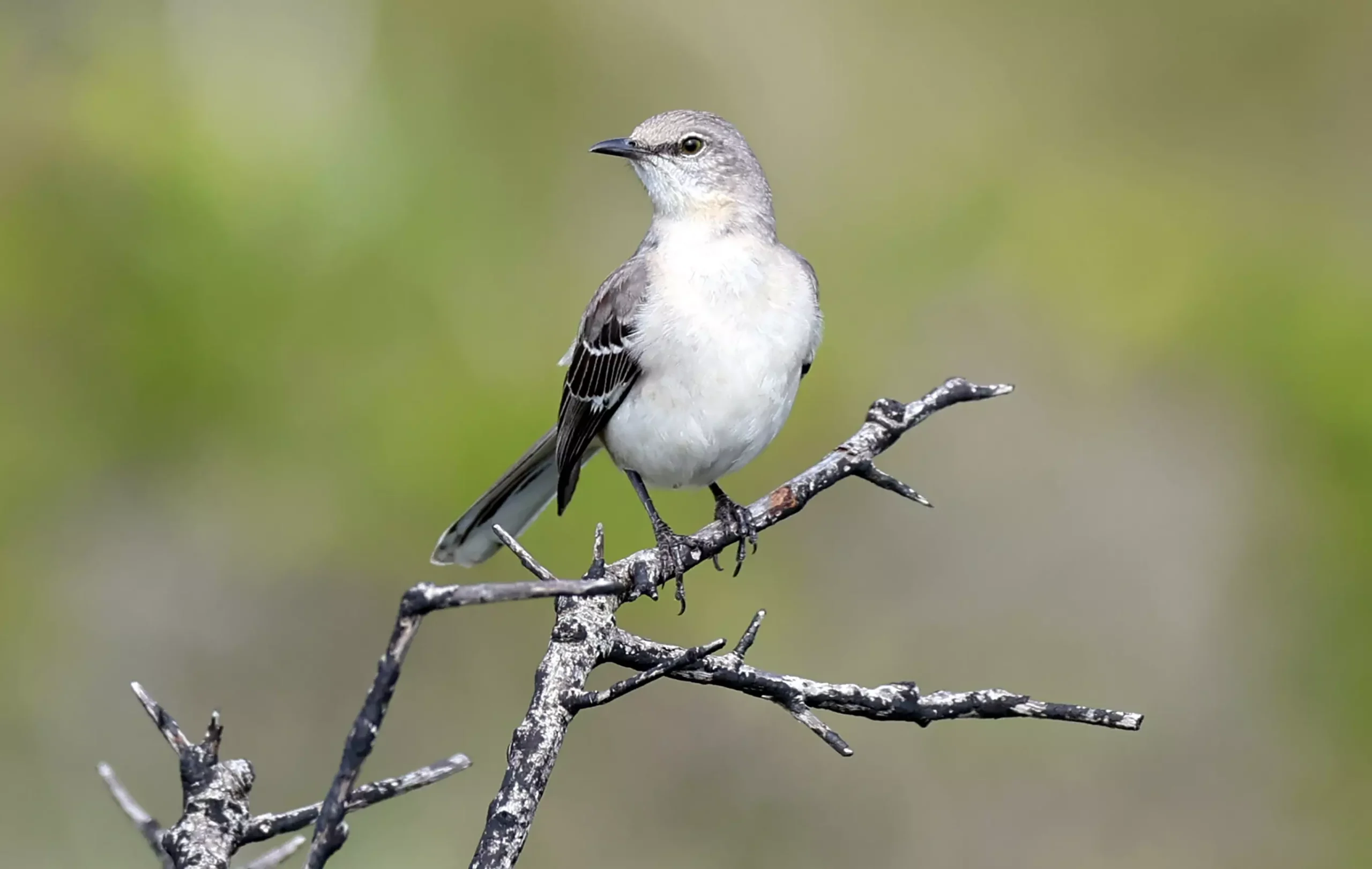
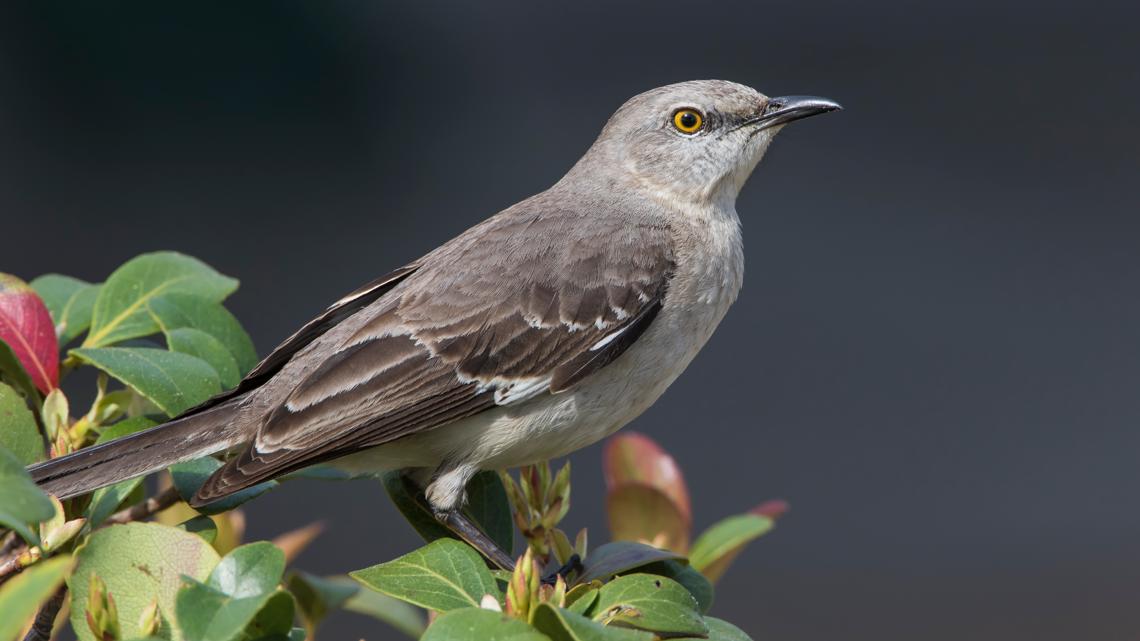
The answer is the remarkable Northern Mockingbird, a species whose melodious calls and spirited character perfectly encapsulate the vibrant essence of Florida. Its presence is almost ubiquitous, from manicured suburban gardens to sprawling wild preserves, making it a familiar and beloved sight (and sound) across the state. This article delves into the fascinating world of Florida’s state bird, exploring its unique characteristics, historical significance, and the incredible avian diversity that makes Florida a premier destination for birdwatching. We’ll also provide essential guides and tips for planning your own birding adventure, including recommendations for accommodation and how to weave this natural wonder into your broader lifestyle of exploration and enjoyment.
The Melodious Emblem: Unveiling Florida’s State Bird
The Northern Mockingbird (Mimus polyglottos) stands as a proud and fitting emblem for the state of Florida. Officially designated as the state bird in 1927, it shares this honor with several other Southern states, reflecting its widespread appeal and distinctive presence throughout the region. For visitors to Florida, encountering this lively bird is almost inevitable, whether they are strolling through a city park, relaxing by a resort pool, or exploring a remote nature trail. Its vibrant personality and incredible vocal talents make it an instant favorite, embodying the spirit of nature that thrives alongside the state’s bustling modern life.
A Symphony in Feathers: Characteristics of the Northern Mockingbird
To truly appreciate the Northern Mockingbird, one must first understand its defining features:
- Appearance: The Northern Mockingbird is a sleek, medium-sized songbird, typically measuring about 9-11 inches in length with a wingspan of 12-14 inches. Its plumage is a soft, understated grey on its back and head, fading to a lighter, almost white underside. The most striking features are the prominent white patches on its wings, which become vividly apparent during flight, flashing like beacons against its darker feathers. It possesses a long tail, often flicked expressively, and a slender, slightly curved bill. While not flamboyant in color, its elegant form and energetic movements are captivating.
- Song and Mimicry: The true marvel of the Northern Mockingbird lies in its extraordinary vocal abilities. Its scientific name, Mimus polyglottos, literally means “many-tongued mimic,” a testament to its unparalleled capacity to imitate the songs and calls of dozens of other bird species, as well as insects, amphibians, and even mechanical sounds like car alarms or squeaky gates. A single Northern Mockingbird can have a repertoire of up to 200 distinct songs, often stringing together various imitations in rapid succession, creating a complex and ever-changing medley. They sing vigorously both day and night, especially during breeding season, filling the air with their remarkable “polyglot” symphony. Their territorial calls are often loud and assertive, while their courtship songs can be softer and more intricate.
- Habitat and Diet: This adaptable bird thrives in a variety of environments across Florida. From urban parks and suburban gardens to agricultural fields, open woodlands, and coastal scrublands, the Northern Mockingbird makes itself at home wherever there are trees, shrubs, and open ground. Its diet is omnivorous, primarily consisting of insects like grasshoppers, caterpillars, and beetles, especially during the breeding season. During fall and winter, it shifts its focus to fruits and berries from native plants such as holly, elderberry, and wild grapes, playing an important role in seed dispersal.
- Behavior: Northern Mockingbirds are known for their bold and territorial behavior. During nesting season, they are fiercely protective of their nests and young, bravely chasing off much larger birds, cats, or even curious humans. Their aerial displays involve dramatic swoops and dives, often flashing their white wing patches as a warning. These intelligent birds exhibit complex social behaviors, including pair-bonding and cooperative feeding of their young. Their confident and sometimes feisty demeanor adds to their charm, making them fascinating subjects for observation.
Why the Mockingbird? Its Significance to the Sunshine State
The choice of the Northern Mockingbird as Florida’s state bird is no arbitrary decision; it is deeply rooted in the bird’s symbolic resonance with the state itself.
- Ubiquitous Presence: The Northern Mockingbird’s widespread distribution across every corner of Florida makes it a truly representative species. Unlike some specialized birds found only in specific habitats, the mockingbird is a common sight and sound, familiar to lifelong residents and first-time visitors alike. This ubiquity makes it an accessible symbol of the state’s natural heritage.
- Adaptability and Resilience: Just as Florida embraces a blend of pristine natural beauty and vibrant human development, the mockingbird thrives in both wild and urbanized landscapes. Its adaptability reflects the state’s own dynamic character, where natural landscapes coexist with thriving communities and diverse lifestyles.
- Distinctive Voice: Florida is known for its lively spirit, its unique local culture, and its ability to offer a truly distinctive experience. The mockingbird’s unparalleled vocal range and mimicry symbolize this uniqueness, singing a song that is at once familiar and endlessly surprising. Its ability to incorporate diverse sounds into its melody can be seen as a metaphor for Florida’s melting pot of cultures and experiences.
- Connection to Nature: For many, the mockingbird is their first or most memorable encounter with Florida’s rich birdlife. It serves as an accessible entry point for appreciating the state’s broader ecological wonders, sparking interest in conservation and the natural environment. For travelers seeking authentic connections with nature, the mockingbird is a delightful and constant companion.
Exploring Florida’s Avian Wonders: Beyond the Mockingbird
While the Northern Mockingbird holds a special place, Florida is a true paradise for birdwatchers, boasting one of the most diverse avian populations in North America. Its strategic location at the crossroads of migratory paths, combined with its wide array of habitats—from extensive wetlands and coastal estuaries to pine forests and dry prairies—attracts hundreds of species throughout the year. For those keen to expand their birding horizons beyond Florida’s state bird, the possibilities are boundless.
Top Birdwatching Destinations in Florida
Birdwatching is a popular activity for tourists, offering serene beauty and exciting discoveries. Here are some of Florida’s premier birding destinations:
- Everglades National Park: This vast wetland wilderness, a UNESCO World Heritage Site, is arguably the crown jewel of Florida birding. It’s home to a breathtaking array of wading birds such as the iconic Roseate Spoonbill, Great Blue Heron, various egrets, and wood storks. Raptors like the Osprey and the majestic Bald Eagle are also common sights. Visitors can explore via airboat tours, canoe trails, or numerous boardwalks like Anhinga Trail near Homestead or the Shark Valley tram road on the western edge of Miami.
- J.N. “Ding” Darling National Wildlife Refuge (Sanibel Island): Located on Sanibel Island on the Gulf Coast near Fort Myers, this refuge is a critical stopover for migratory birds and a haven for shorebirds and wading birds. The four-mile Wildlife Drive offers excellent viewing opportunities from your vehicle, or you can explore by bike or kayak. Expect to see reddish egrets, pelicans, and various plovers.
- Corkscrew Swamp Sanctuary (Naples): Near Naples, this Audubon-managed sanctuary preserves a pristine old-growth cypress forest. A 2.25-mile boardwalk leads visitors through various ecosystems, providing close-up views of wading birds, owls, and various songbirds unique to this habitat. It’s an excellent spot for photographers.
- Florida Keys: Stretching south from mainland Florida, the Florida Keys are a crucial migratory corridor. During spring and fall migration, the islands, particularly Key West and Marathon, become magnets for thousands of transient birds, including a variety of warblers, vireos, and rare Caribbean vagrants. Seabirds and raptors are also prevalent.
- Kissimmee Prairie Preserve State Park (Central Florida): For a different avian experience, head to the vast grasslands of Central Florida. This park is a stronghold for grassland specialists, including the threatened Florida Scrub-Jay, the only bird species endemic to Florida. Other unique birds like crested caracaras and burrowing owls can also be found here.
- St. Marks National Wildlife Refuge (Florida Panhandle): On the Atlantic Coast, south of Tallahassee, this refuge is vital for migratory waterfowl and shorebirds. Winter brings immense numbers of ducks, geese, and cranes, while the coast is dotted with plovers and sandpipers. It’s also known for raptors and beautiful coastal scenery.
- Urban and Suburban Parks: Even in major cities like Sarasota, St. Petersburg, Gainesville, and Jacksonville, local parks, botanical gardens, and green spaces offer surprising birding opportunities. Keep an eye out for resident wading birds, various songbirds, and, of course, the ever-present Northern Mockingbird.
Essential Tips for Birdwatching Travelers
To make the most of your avian adventure in Florida, consider these practical tips:
- Gear Up: A good pair of binoculars is non-negotiable. A field guide specific to Eastern North America or Florida will help with identification. A camera with a zoom lens can capture stunning shots. Don’t forget essentials like comfortable walking shoes, a wide-brimmed hat, sunscreen, and insect repellent, especially in wetland areas.
- Timing is Key: Birds are most active during the early morning hours (dawn to mid-morning) and late afternoon (before dusk). These are the best times for observing feeding behaviors, vocalizations, and active movements. Migratory seasons (fall and spring) offer the greatest diversity of species, as birds pass through Florida on their epic journeys.
- Patience and Quiet: Birdwatching is an exercise in patience. Move slowly and quietly to avoid startling birds. Observe from a distance using your binoculars, and never disturb nests or feeding areas. Respecting their natural habitat ensures a better experience for you and minimal impact on the wildlife.
- Utilize Local Resources: Many parks and refuges offer visitor centers with knowledgeable staff, trail maps, and recent bird sighting reports. Local Audubon societies (Audubon Florida is a great resource) often host guided walks or provide invaluable local insights.
- Consider Guided Tours: For beginners or those seeking to maximize their sightings, joining a guided birding tour can be highly beneficial. Local experts can identify species quickly, lead you to prime viewing spots, and share fascinating facts about avian ecology and behavior.
Planning Your Florida Birding Adventure: Accommodation and Lifestyle
Integrating your passion for birdwatching with your overall Florida travel plans involves careful consideration of accommodation and how you envision your trip fitting into your preferred lifestyle. The good news is that Florida’s extensive tourism infrastructure means there’s an option for every preference and budget, ensuring your birding adventure is as comfortable and convenient as it is exciting.
Choosing the Perfect Stay for Nature Enthusiasts
When selecting hotels or resorts for a birdwatching trip, proximity to prime birding locations is paramount, but other amenities can significantly enhance your experience:
- Eco-Lodges and Boutique Hotels: In areas bordering major preserves like the Everglades (e.g., around Homestead or Naples) or near popular coastal refuges (Sanibel Island), you’ll often find eco-resorts or charming boutique hotels. These typically feature sustainable practices, integrate local nature into their design, and may even offer on-site nature trails or birding guides.
- Resorts with Natural Landscaping: Many larger resorts throughout Florida, even those near cities like Orlando or Daytona Beach, boast extensive natural landscaping, gardens, and lakes. These can attract a surprising variety of birds, including Northern Mockingbirds, herons, and egrets, allowing for casual birding right from your balcony or patio. Look for reviews mentioning wildlife sightings.
- Vacation Rentals and Villas: For groups or families, booking a vacation rental offers flexibility, privacy, and often self-catering options, which are ideal for early morning starts. Properties near natural areas or with large yards can become excellent birding spots themselves. Platforms for booking these rentals often allow you to filter by location and specific features.
- Campgrounds and State Park Cabins: For the most immersive and budget travel friendly experience, staying within or adjacent to state parks and national wildlife refuges is unbeatable. Florida’s state parks offer well-maintained campgrounds and often comfortable cabins, putting you literally steps away from the best birding opportunities.
- Consider amenities: Beyond location, look for specific features that cater to birders. Early breakfast options or packed lunches are a boon for those who want to be out at dawn. Quiet rooms, private balconies, and even binoculars available for guest use can elevate your stay. You might also want to do a quick comparison of different places.
Tailoring Your Trip: From Budget to Luxury Eco-Travel
Florida’s appeal lies in its versatility, catering to all lifestyles and budgets:
- Budget Travel: An incredible birding trip doesn’t have to break the bank. Camping, staying in hostels, or opting for affordable motels in smaller towns can cut down on accommodation costs. Many of Florida’s best birding spots, particularly state parks and national wildlife refuges, have modest entry fees or are free. Self-guided tours with your own binoculars and field guide are perfectly rewarding. Packing your own food and drinks for day trips also helps manage expenses.
- Family Trips: Birdwatching can be a fantastic educational activity for families. Choose parks with accessible boardwalks and nature centers that offer interpretive programs for children. The excitement of spotting a colorful Roseate Spoonbill or hearing a Northern Mockingbird mimic a car horn can ignite a lifelong passion for nature in young explorers. Look for resorts with kid-friendly pools and other activities to balance the quiet moments of birding.
- Luxury Travel: For those desiring a more opulent experience, Florida offers luxury travel options that combine high-end accommodation with exclusive birding experiences. This might include staying at a five-star hotel with private access to protected areas, hiring a private naturalist guide, or chartering a boat for bespoke birding tours in the Everglades or Florida Keys. Gourmet meals and spa treatments after a day in the field can complete a truly indulgent nature retreat.
- Business Stays: Even on a business stay in cities like Miami or Tampa, you can incorporate elements of birding. Many urban parks offer surprising biodiversity, and a quick morning walk with binoculars can be a refreshing start to the day. Consider extending your trip for a weekend, or choosing a hotel or resort with grounds conducive to casual birdwatching. For long-term stay options, a rental near a green space can provide ongoing opportunities.
Conservation and Responsible Tourism: Protecting Florida’s Feathered Friends
While enjoying Florida’s stunning birdlife, it’s crucial to remember the importance of conservation and responsible tourism. Many species face threats from habitat loss due to development, climate change impacts on coastal areas, and pollution. Organizations like Audubon Florida work tirelessly to protect these fragile ecosystems and their inhabitants.
As a visitor, you play a vital role in these efforts. Always follow “Leave No Trace” principles, which include staying on marked nature trails, taking only photographs, and leaving everything as you found it. Avoid disturbing nesting birds or other wildlife. Support parks, sanctuaries, and eco-friendly accommodations that prioritize sustainability. By being a mindful and respectful observer, you contribute to the preservation of Florida’s natural beauty, ensuring that the melodic calls of the Northern Mockingbird and the vibrant presence of other avian wonders can be enjoyed by generations to come. Your travel choices can directly impact the health of these vital natural landmarks.
From the spirited mimicry of the Northern Mockingbird to the silent grace of a wading heron in the Everglades, Florida’s avian wonders offer a profound and memorable layer to any visit. Whether you’re a seasoned birder or simply seeking a tranquil escape into nature, the Sunshine State provides unparalleled experiences. So, as you plan your next adventure, remember the enduring charm of Florida’s state bird and let its captivating song guide you to the countless other feathered treasures awaiting discovery in this incredible destination.
LifeOutOfTheBox is a participant in the Amazon Services LLC Associates Program, an affiliate advertising program designed to provide a means for sites to earn advertising fees by advertising and linking to Amazon.com. Amazon, the Amazon logo, AmazonSupply, and the AmazonSupply logo are trademarks of Amazon.com, Inc. or its affiliates. As an Amazon Associate we earn affiliate commissions from qualifying purchases.