
The memory of Hurricane Andrew remains etched deeply in the collective consciousness of Florida and the entire United States. Often cited as one of the most powerful and destructive storms to ever make landfall in the nation’s history, Andrew’s impact was not just physical, but also profoundly shaped the way Florida approaches disaster preparedness, urban development, and the resilience of its vital tourism and travel industries. For anyone interested in Florida’s history, its incredible capacity for recovery, or simply planning a trip to the Sunshine State, understanding this pivotal event is essential.
So, precisely when did this formidable storm strike? Hurricane Andrew made its devastating landfall in South Florida in the early morning hours of August 24, 1992. As a rapidly intensifying Category 5 hurricane on the Saffir-Simpson Hurricane Wind Scale, it brought unimaginable destruction to the southeastern coast of the Florida Peninsula, forever altering communities and serving as a stark reminder of nature’s raw power. Its legacy continues to influence travel protocols, hotel safety standards, and the general lifestyle in this vibrant region.
The Night of August 24, 1992: Andrew’s Ferocious Landfall
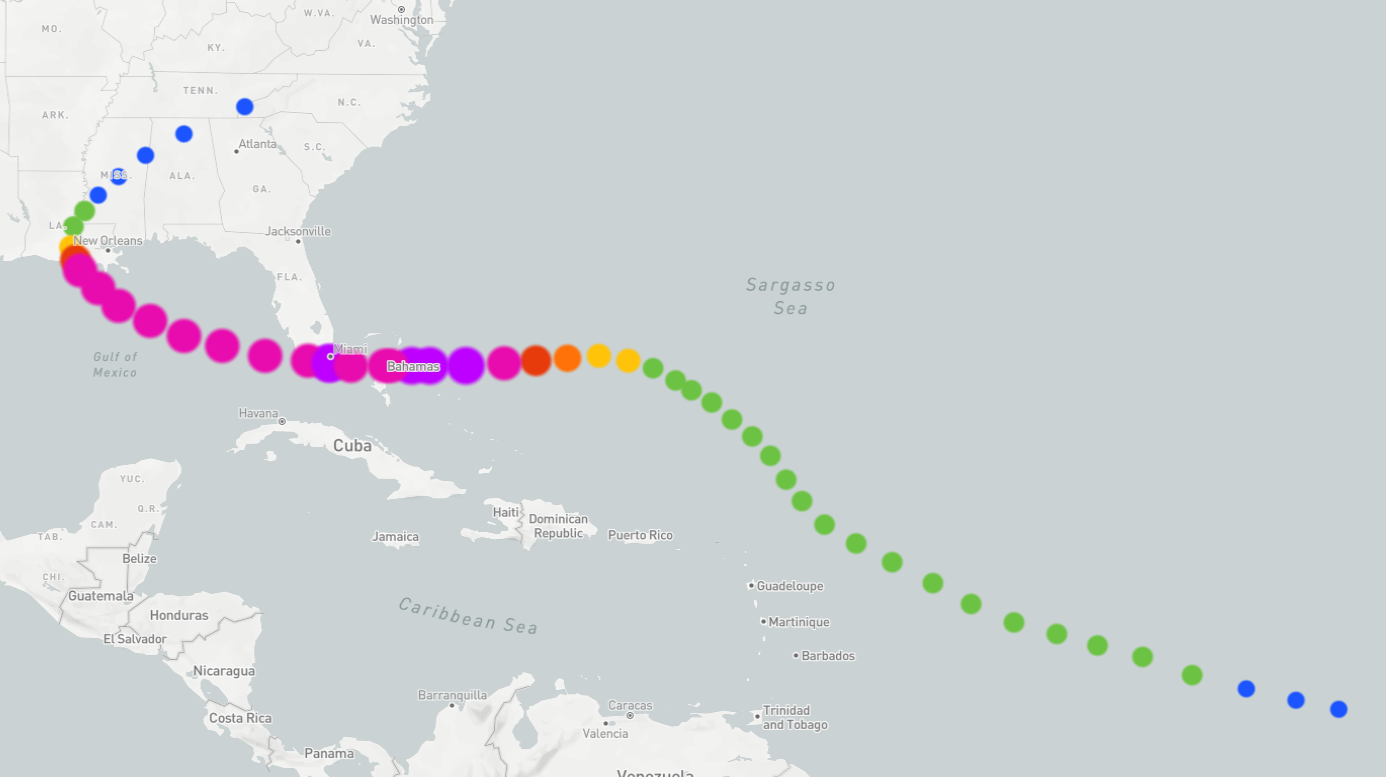
The story of Hurricane Andrew began far out in the Atlantic Ocean as a tropical wave. What started as a modest system quickly escalated into a formidable hurricane, eventually crossing the Bahamas as a powerful storm before setting its sights on Florida. Its intensification was remarkably swift, transforming from a weak hurricane to a Category 5 behemoth in just over 24 hours as it approached the Florida coast. This rapid intensification is a phenomenon that meteorologists and emergency planners continue to study intently, as it provides minimal time for preparation and evacuation.
A Category 5 Monster
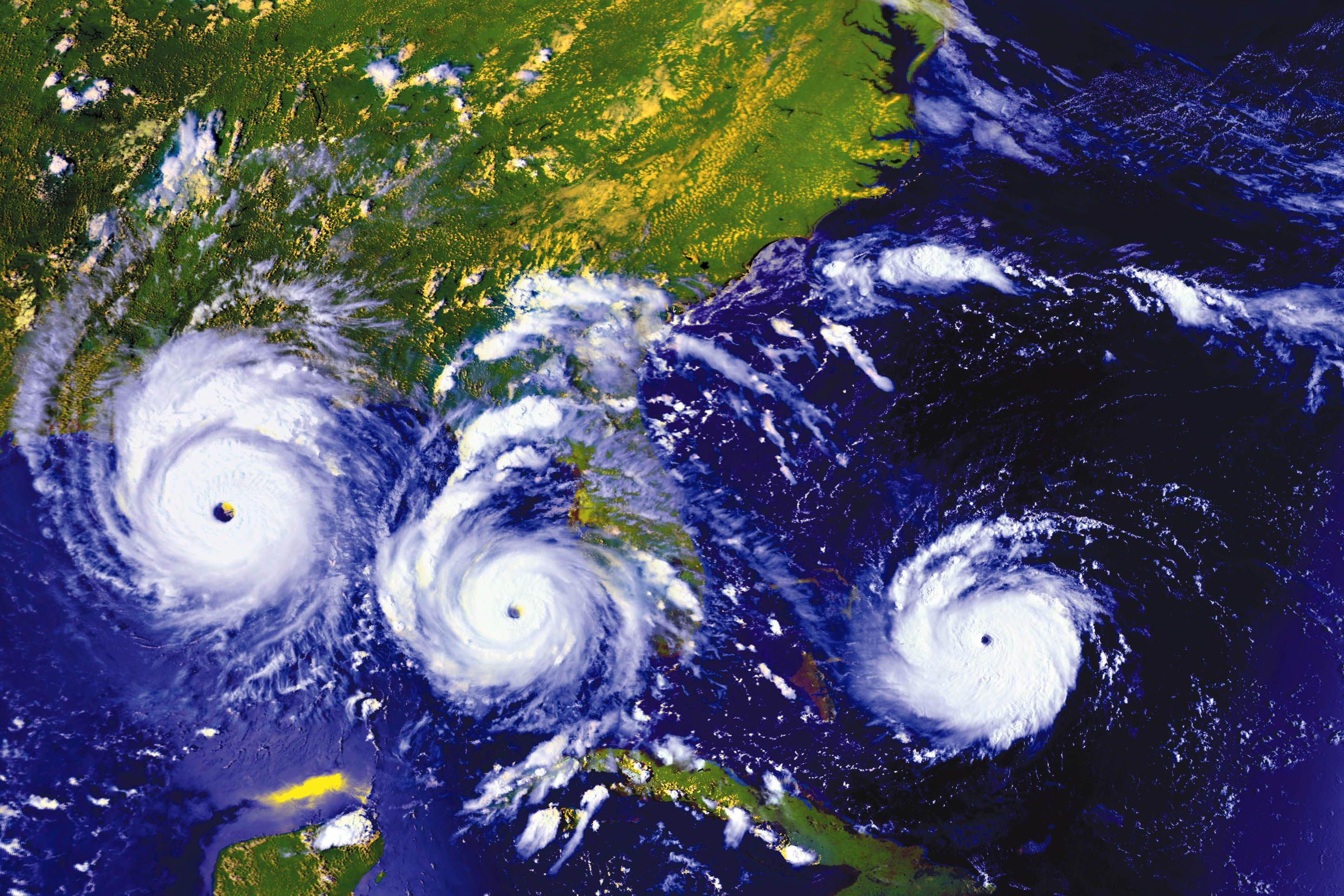
At its peak, Hurricane Andrew was a compact but incredibly intense storm. When it roared ashore near Homestead in Miami-Dade County (then known simply as Dade County), its sustained winds were estimated at 165 mph (266 km/h), with even higher gusts. The National Hurricane Center initially estimated the winds slightly lower, but subsequent re-analysis confirmed its Category 5 status, solidifying its place among the most extreme weather events in US history. The small size of the storm meant its most intense core was highly destructive but relatively narrow, focusing its most catastrophic power on a specific, densely populated corridor of South Florida.
The early morning hours of August 24 were a terrifying ordeal for residents. The roar of the wind, described by survivors as sounding like a freight train, was accompanied by the shattering of windows, the tearing away of roofs, and the complete disintegration of structures. Storm surge, though not as high as it could have been due to the storm’s angle of approach, still caused significant flooding in coastal areas, particularly around Biscayne Bay. For those caught in its path, it was a battle for survival against overwhelming natural forces. Many who chose to ride out the storm, often in homes that were thought to be robust, found themselves facing immediate, life-threatening danger. The psychological toll of these hours would linger for years, impacting the lifestyle and sense of security for an entire generation of Floridians.
Immediate Impact on Infrastructure and Communities
The scale of destruction was almost unfathomable. In its wake, Hurricane Andrew left an estimated 25,000 homes completely destroyed and another 100,000 severely damaged. Entire neighborhoods, particularly in Homestead, Florida City, and other areas of southern Dade County, were flattened, resembling war zones rather than vibrant suburban communities. Mobile home parks, common in Florida at the time, were virtually wiped off the map.
The immediate aftermath saw widespread power outages affecting millions, with some areas remaining without electricity for weeks, even months. Communication systems were severely disrupted, making it difficult for emergency services to coordinate and for families to check on loved ones. Roads were impassable due to fallen trees, power lines, and debris, isolating communities and hindering rescue efforts. Local businesses, from small shops to larger commercial centers, were either destroyed or severely damaged, crippling the regional economy overnight. This immediate devastation presented an unprecedented challenge for disaster management, requiring swift and massive intervention from state and federal agencies to provide basic necessities like food, water, and shelter. The impact on hotels and other accommodation facilities was also catastrophic, with many tourist-focused businesses rendered unusable for an extended period, leading to a significant pause in local tourism.
The Devastating Aftermath: A Landscape Transformed
The dawn of August 24 revealed a landscape utterly transformed. What had once been lush, green suburbs and natural wilderness was now a desolate expanse of rubble, splintered wood, and shattered concrete. The immediate days and weeks following Hurricane Andrew’s passage were a period of intense struggle and immense humanitarian effort. The sheer volume of debris alone was staggering – enough to fill a line of dump trucks stretching from Miami to New York and back.
Unprecedented Damage and Humanitarian Crisis
The economic cost of Hurricane Andrew was staggering, estimated at around $27 billion in 1992 dollars, making it the most expensive natural disaster in US history at the time. Adjusting for inflation, this figure would be well over $50 billion today. The human cost, while thankfully not as high in terms of direct fatalities as it could have been for a storm of its intensity (estimated around 65 deaths directly and indirectly related), was profound. Tens of thousands of people were left homeless, and countless others lost their livelihoods.
The immediate response involved a massive mobilization of resources. The Federal Emergency Management Agency (FEMA), along with various state and local agencies, coordinated relief efforts. The military, including the National Guard and active-duty personnel, was deployed to help with search and rescue, debris removal, and the distribution of aid. Tent cities sprang up to house those who had lost everything, and long lines formed for food, water, and ice. Communities like Perrine, Cutler Bay, and Kendall bore the brunt of this devastation, becoming symbols of both destruction and the incredible human spirit of resilience. The immediate challenge was not just survival, but also the preservation of law and order amidst widespread desperation. The event highlighted critical gaps in disaster preparedness and response mechanisms, particularly concerning coordination between various levels of government and aid organizations, which would later be addressed through significant reforms.
Environmental Toll and Impact on Florida’s Natural Landmarks

Beyond the urban destruction, Hurricane Andrew inflicted severe damage on Florida’s delicate natural ecosystems, particularly its iconic landmarks. Everglades National Park, one of the most unique wetlands in the world and a major tourist attraction, suffered extensive damage. Over 70,000 acres of mangrove forests, vital nurseries for marine life and natural storm buffers, were flattened. The storm surge pushed saltwater far into the freshwater marshes, disrupting the delicate balance of the ecosystem and impacting wildlife, including various bird species and the elusive Florida panther.
Similarly, Biscayne National Park, which protects Biscayne Bay and its coral reefs, also endured significant damage. Large sections of the underwater coral reefs, already fragile due to environmental pressures, were damaged by the powerful waves and debris scour. These reefs are crucial for marine biodiversity and attract countless divers and snorkelers, contributing significantly to Florida’s tourism appeal. The long-term recovery of these natural treasures would take decades, highlighting the interconnectedness of human and natural systems in the face of such powerful storms. The United States Geological Survey and other environmental agencies documented the extensive changes to the landscape, including significant changes in vegetation patterns and coastal erosion, underscoring the long-lasting environmental footprint of the hurricane.
Rebuilding Stronger: Florida’s Resilience and the Evolution of Travel
In the wake of such widespread devastation, the spirit of South Florida residents and businesses proved remarkably resilient. The colossal task of rebuilding was not merely about restoring what was lost, but about constructing a stronger, more prepared Florida for the future. This monumental effort had a profound and lasting impact on the region’s infrastructure, its tourism sector, and the lifestyle of its inhabitants.
The Phoenix from the Ashes: Transforming South Florida’s Tourism
One of the most significant long-term outcomes of Hurricane Andrew was a complete overhaul of Florida’s building codes. Prior to Andrew, building standards were often criticized as lax. The widespread structural failures exposed by the hurricane led to the implementation of some of the strictest building codes in the United States, particularly in coastal and hurricane-prone areas. New construction, from residential homes to high-rise hotels and resorts, must now adhere to stringent requirements for wind resistance, roof integrity, and window protection. This transformation has made modern Florida buildings significantly more resilient to future storms, a crucial factor for a state heavily reliant on its accommodation sector.
The tourism industry, a cornerstone of Florida’s economy, also experienced a dramatic shift. While the immediate aftermath saw a severe downturn in travel to the affected areas, the rebuilding process eventually paved the way for a more robust and attractive destination. Miami, though not in the direct eyewall, was still heavily impacted by power outages and infrastructure damage. Its subsequent revitalization, particularly the growth of areas like South Beach and its emergence as a global hub for luxury travel and culture, can be seen as part of this broader narrative of resilience. Hotels and accommodation providers invested heavily in hurricane-resistant designs, emergency generators, and comprehensive disaster plans, offering travelers greater peace of mind. Today, Florida’s tourism infrastructure is a testament to learning from the past, combining luxury and comfort with robust safety measures.
Enhanced Safety and Preparedness for Florida Travelers
The lessons learned from Hurricane Andrew revolutionized disaster preparedness across Florida and beyond. Emergency management systems were revamped, hurricane forecasting technology improved dramatically, and public awareness campaigns became more sophisticated. Today, when a tropical storm or hurricane threatens, Florida residents and travelers receive timely and clear information through multiple channels, including emergency alerts, local news, and official government websites.
For Florida travelers, this means a much safer and more informed experience, even during hurricane season (June 1st to November 30th). Many hotels, resorts, and vacation rentals now have comprehensive hurricane plans, including procedures for guest evacuation, on-site shelter-in-place options, and communication protocols. Destinations like the Florida Keys, which are particularly vulnerable to storms, have invested heavily in robust evacuation routes and public education. When visiting Florida, especially during these months, it’s a good practice for tourists to:
- Monitor official weather reports: Stay informed through reliable sources like the National Hurricane Center.
- Understand hotel policies: Inquire about your accommodation’s hurricane plan and cancellation policies.
- Consider travel insurance: Comprehensive travel insurance can offer protection against trip interruptions or cancellations due to weather events.
- Have an emergency kit: A small kit with essential documents, medication, and basic supplies is always wise.
The overall lifestyle in Florida has integrated preparedness into its fabric. From local government emergency services to individual family planning, the specter of Andrew ensured that hurricane readiness became a fundamental aspect of living and traveling in the state.
Lessons Learned and Florida’s Enduring Appeal
Hurricane Andrew was a harsh teacher, but its lessons have led to a stronger, more resilient Florida. The sheer force of the storm, its unexpected rapid intensification, and the catastrophic damage it inflicted served as a profound wake-up call for disaster management, urban planning, and environmental protection across the United States.
One of the most enduring lessons was the critical importance of robust building codes and strict enforcement. The difference in structural integrity between pre-Andrew and post-Andrew constructions is stark, offering a tangible legacy that protects lives and investments today. Another key takeaway was the need for seamless coordination between federal, state, and local agencies, as well as the private sector, in disaster response and recovery. FEMA’s role, in particular, underwent significant reforms in the years following Andrew, leading to more effective and efficient disaster relief operations.
For a state whose economy is so intertwined with travel and tourism, Andrew’s impact also emphasized the importance of safeguarding its natural landmarks and promoting sustainable tourism practices. The recovery of Everglades National Park and Biscayne National Park continues, underscoring the long-term commitment required to protect these invaluable resources that attract millions of visitors annually.
Today, Florida stands as a testament to resilience and human ingenuity. It continues to be one of the world’s premier travel destinations, offering an incredible array of attractions, from the pristine beaches of the Gulf Coast to the vibrant culture of Miami, the theme parks of Orlando, and the historic charm of Key West. The state’s hotels and accommodations offer world-class amenities, coupled with modern safety standards that have evolved directly from the experiences of 1992.
Understanding “When Did Hurricane Andrew Hit Florida?” is more than just knowing a date on a calendar; it’s recognizing a pivotal moment that shaped the very fabric of the state. It’s a story of devastation, recovery, and an unwavering commitment to building a safer, stronger, and more appealing destination for residents and visitors alike. While the power of nature remains undeniable, Florida’s journey since Hurricane Andrew serves as an inspiring example of resilience, foresight, and an enduring invitation to experience its unique blend of beauty, excitement, and history.
LifeOutOfTheBox is a participant in the Amazon Services LLC Associates Program, an affiliate advertising program designed to provide a means for sites to earn advertising fees by advertising and linking to Amazon.com. Amazon, the Amazon logo, AmazonSupply, and the AmazonSupply logo are trademarks of Amazon.com, Inc. or its affiliates. As an Amazon Associate we earn affiliate commissions from qualifying purchases.