
California, a land renowned for its breathtaking diverse landscapes, iconic cities, and vibrant culture, is a perennial magnet for travelers worldwide. From the sun-kissed beaches of Southern California to the majestic forests of Northern California and the serene vineyards of Napa Valley, the Golden State offers an unparalleled tapestry of experiences. However, like many regions globally, California experiences fire seasons, a natural yet often devastating phenomenon that can raise significant concerns for both residents and prospective visitors. The question, “Are the fires contained in California?”, is therefore not just a matter of public safety, but also a crucial consideration for anyone planning a trip, booking accommodation, or simply curious about the state of tourism in this beloved destination.
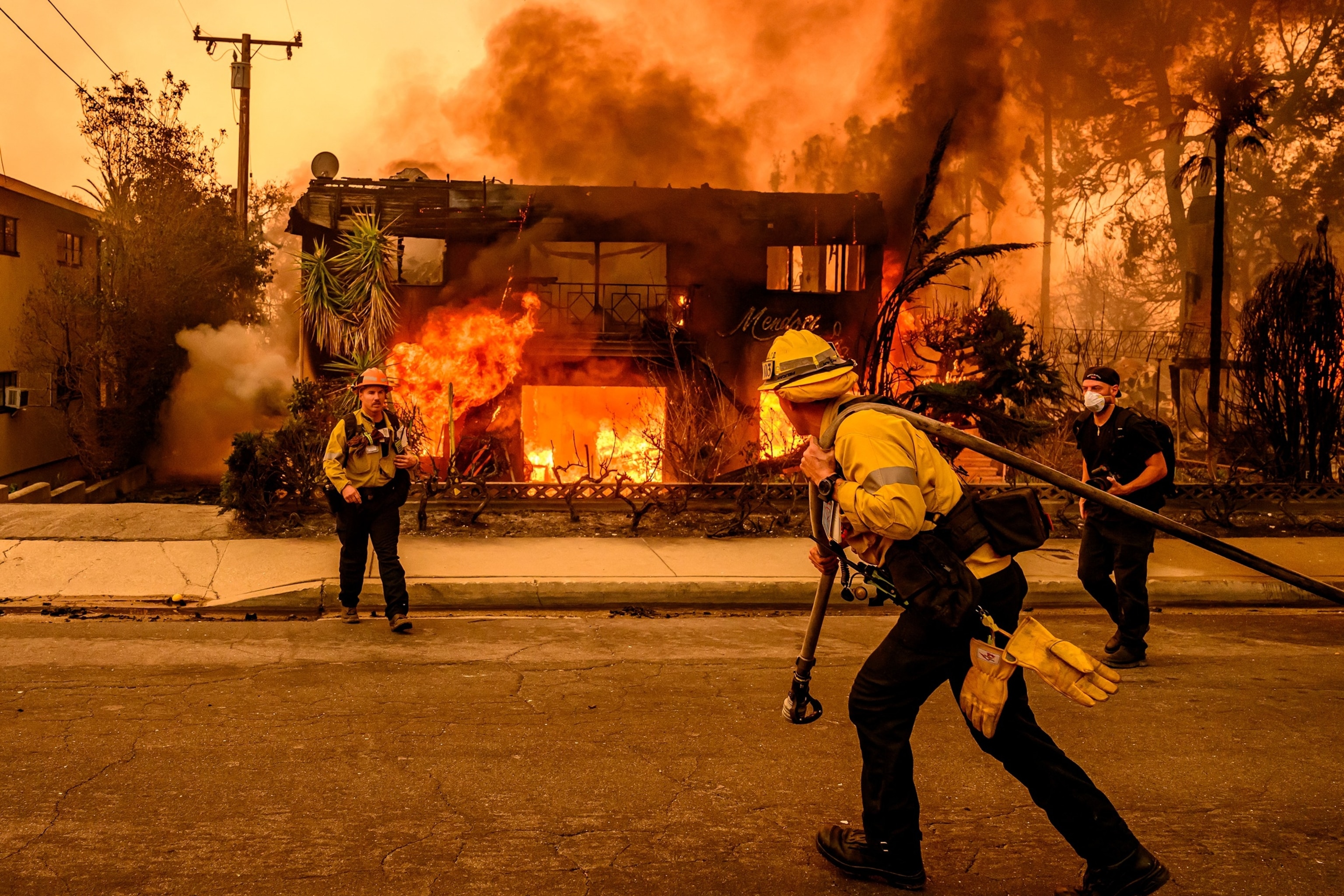
The short answer is often complex and dynamic. Wildfire situations in California are rarely static; they ebb and flow with weather patterns, wind conditions, and the diligent efforts of firefighting agencies. While major, highly destructive fires may eventually be declared “contained,” new ignitions can occur, and smaller fires might persist or flare up unexpectedly. For travelers, understanding this fluidity is paramount. The primary goal of this article is to provide clarity on how wildfires impact travel, tourism, accommodation, and lifestyle choices across California, offering insights and practical advice for navigating the state safely and responsibly, regardless of the fire situation. We’ll delve into how these natural events shape planning, what to expect, and how to make the most of your California adventure while prioritizing safety and sustainability.
Navigating Travel Amidst Wildfire Season: Current Status and Safety
California’s allure is undeniable, but responsible travel during fire season demands an informed approach. The status of wildfires is ever-changing, making real-time information crucial for anyone venturing into or through affected areas. Understanding the general landscape of wildfire activity and adhering to essential safety guidelines can significantly enhance your travel experience and ensure your well-being.
Understanding the Current Fire Landscape
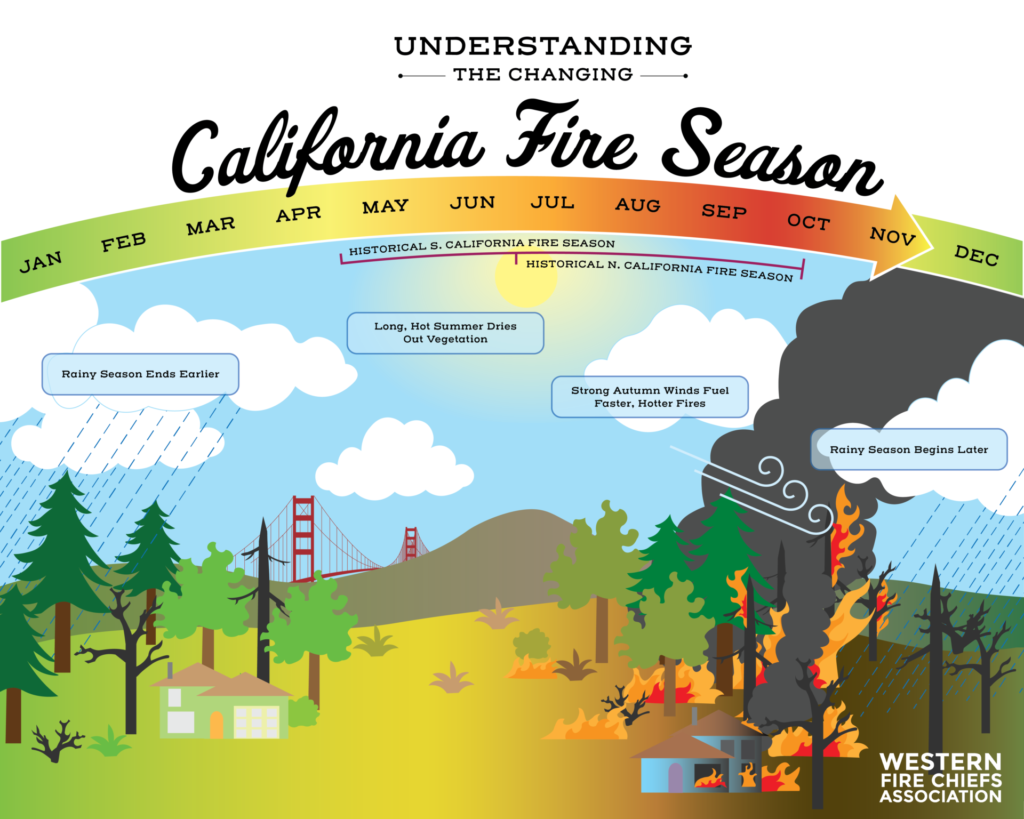
California’s geography, characterized by arid chaparral, dense forests, and mountainous terrain, coupled with seasonal droughts and strong winds like the Santa Anas and Diablo Winds, creates conditions conducive to wildfires. While fire season historically peaked in late summer and fall, climate change has extended this period, making vigilance important almost year-round.
Official sources like CAL FIRE (the California Department of Forestry and Fire Protection), the National Interagency Fire Center (NIFC), and local emergency services provide the most accurate and up-to-date information on active fires, their containment levels, and any associated evacuation orders or warnings. These resources are invaluable for understanding the geographical scope of fires. For instance, a fire in remote Shasta County might have little impact on a trip to San Diego, but a major incident in the Sierra Nevada Mountains could affect access to popular destinations like Yosemite National Park or Lake Tahoe.
It’s important to distinguish between direct fire zones, which are hazardous and restricted, and areas affected by secondary impacts like smoke or road closures. Smoke can travel hundreds of miles, impacting air quality far from the fire’s origin, potentially affecting outdoor activities even in seemingly safe regions like San Francisco or Los Angeles. Travelers should check air quality indexes (AQI) regularly, especially if they have respiratory sensitivities.
Essential Safety Guidelines for Travelers
Planning and flexibility are key when traveling during California’s fire season. Here are crucial safety guidelines to follow:
- Stay Informed and Monitor Official Sources: Before and during your trip, frequently check websites like CAL FIRE, local county emergency services, and the National Weather Service. Sign up for local alert systems if available for the areas you plan to visit.
- Understand Road Closures and Evacuation Routes: Wildfires often lead to rapid road closures, sometimes including major arteries like sections of Highway 1 along the Pacific Coast Highway or interstates. Always have alternative routes planned and adhere strictly to official road closure notices. Never attempt to bypass closures or enter evacuation zones. Services like Caltrans provide real-time road conditions.
- Air Quality Awareness: Smoke from wildfires can significantly degrade air quality. Check the AirNow website or local air quality management districts for current AQI levels. If the AQI is high, especially for sensitive groups, consider limiting outdoor activities, wearing N95 masks, and choosing indoor attractions.
- Fire Restrictions and Outdoor Activities: Many state and national parks, including Sequoia National Park, Kings Canyon National Park, and Joshua Tree National Park, implement fire restrictions during peak season. These can include bans on campfires, charcoal grills, and even specific types of stoves. Always check the rules for your intended destination before heading out. Disregarding these can lead to severe penalties and poses a significant risk.
- Practice Fire Safety: If you are camping or staying in a wilderness area, be extremely careful with any heat sources. Never flick cigarette butts, ensure campfires (where permitted) are completely extinguished, and be mindful of parking vehicles on dry grass, as hot exhaust pipes can spark fires.
- Pack an Emergency Kit: While unlikely for most travelers, having a small emergency kit with essentials like water, non-perishable food, a first-aid kit, copies of important documents, and a battery-powered radio can provide peace of mind, especially if you plan to venture into more remote areas.
- Communicate Your Plans: Inform friends or family of your itinerary, especially if you are traveling to less populated regions or engaging in outdoor activities.
By adopting a proactive and informed approach, travelers can significantly mitigate risks and continue to enjoy the vast beauty and experiences California has to offer, even during periods of increased fire activity.
Impact on California’s Tourism and Accommodation Sector
California’s tourism and accommodation industries are vibrant and resilient, but they are undeniably sensitive to external factors like wildfires. While large-scale fires can temporarily disrupt operations and deter visitors, the vastness of the state means that many areas remain unaffected, and businesses adapt with commendable flexibility.
Tourist Destinations and Attractions: What’s Open, What’s Affected?
The sheer scale of California means that while one region might be grappling with fire activity, another might be enjoying perfect weather and open attractions. The key is to check specific locations rather than making broad assumptions about the entire state.

Iconic natural landmarks such as Yosemite National Park, Sequoia National Park, Kings Canyon National Park, and Big Sur are often the most susceptible to direct fire threats or smoke impacts, leading to temporary closures or partial restrictions. These closures are implemented for visitor and staff safety and typically lift once conditions improve. For instance, a fire near Mariposa Grove in Yosemite would close that specific area, but other parts of the park might remain open, albeit with potential smoke haze. Similarly, sections of Highway 1 in Big Sur have seen closures not just from fires, but also from mudslides in fire-scarred areas, underscoring the interconnectedness of natural phenomena.
Urban centers and their world-renowned attractions are generally less affected by direct fire threats. Cities like San Francisco (home to the Golden Gate Bridge and Alcatraz Island), Los Angeles (with Hollywood, Universal Studios Hollywood, and The Getty Center), and San Diego (known for its famous zoo and beautiful beaches) rarely face direct fire threats within their metropolitan cores. However, smoke from distant fires can impact air quality and visibility, affecting outdoor activities or scenic views. Theme parks like Disneyland Resort in Anaheim or Six Flags Magic Mountain operate normally unless directly impacted by extreme smoke or other severe weather conditions.
Wine regions, particularly Napa Valley and Sonoma County, have faced significant challenges. While the vineyards themselves are resilient, wineries and associated tourism infrastructure (restaurants, hotels) can be directly threatened, and smoke can impact grape harvests and visitor experiences. Travelers planning visits to Wine Country should always check with individual wineries and local tourism boards for the latest operational status. Coastal cities like Santa Barbara, Monterey, and Laguna Beach offer a beautiful escape, but even these can experience hazy skies during severe fire events.
Hotel and Accommodation Considerations
The accommodation sector, from luxury resorts to budget hotels and vacation rentals, plays a crucial role in managing traveler safety and comfort during wildfire events.
- Booking Flexibility and Cancellation Policies: Many hotels and travel providers offer enhanced flexibility during natural disasters. If you are booking a trip during peak fire season, it’s prudent to choose accommodations with lenient cancellation or rebooking policies. Platforms like Booking.com and Expedia often have special advisories for affected regions. Directly contacting resorts or boutique hotels in areas like Palm Springs, Ojai, or Carmel-by-the-Sea is always recommended to understand their specific policies and local conditions.
- Checking Hotel Status and Safety Measures: If wildfires are active near your intended destination, contact your hotel directly. They can provide accurate, on-the-ground information about their operational status, any local advisories, and the air quality within their premises. Many modern hotels, especially larger chains like Marriott International or Hilton Worldwide, have advanced air filtration systems and robust emergency plans.
- Evacuation Procedures: In rare cases where a hotel is in or near an evacuation zone, guests will be notified by hotel staff and local authorities. It’s crucial to follow these instructions promptly. Hotels in fire-prone areas often have established partnerships with other properties in safer zones to assist with relocation.
- Impact on Rural vs. Urban Accommodation: Rural accommodations, such as cabins in the San Bernardino National Forest near Big Bear Lake, glamping sites in Joshua Tree, or vineyard stays in Paso Robles, are naturally more exposed to direct fire threats or prolonged smoke. Urban hotels, while not immune to smoke, offer a more controlled environment.
- Long-term Stays and Rental Properties: For those considering long-term stays or booking vacation rentals (e.g., through Airbnb or VRBO), ensure clear communication with the host about fire safety, evacuation plans, and cancellation clauses related to natural disasters. Owners of properties in areas like Malibu or Idyllwild, which have historically experienced fires, are typically well-versed in these protocols.
By staying proactive and communicating effectively with accommodation providers, travelers can ensure their bookings are secure and their stays as comfortable and safe as possible, even during challenging times.
Lifestyle and Responsible Travel in Fire-Prone Regions
California offers an incredible array of lifestyle experiences, from luxury spa retreats to rugged outdoor adventures. Wildfires, while a concern, don’t necessarily mean canceling your trip. Instead, they encourage adaptability and a deeper commitment to responsible travel.
Adapting Your California Lifestyle Experience
Flexibility is the cornerstone of responsible travel during wildfire season. Instead of viewing potential fire activity as a deterrent, consider it an opportunity to explore different facets of California’s diverse offerings.
- Shift from Wilderness to Urban Exploration: If national parks or forests are under fire restrictions or affected by smoke, pivot towards California’s vibrant cities. Explore the art scene in San Francisco’s Mission District, delve into the history of Sacramento, or soak in the glamour of Beverly Hills. Los Angeles boasts world-class museums like LACMA and The Broad, while San Diego’s Balboa Park offers a wealth of cultural institutions. These urban centers provide rich experiences largely unaffected by direct fire threats, making them excellent alternatives.
- Coastal Escapes and Island Adventures: California’s extensive coastline, from Mendocino in the north to Newport Beach and Coronado in the south, often remains relatively clear of smoke, particularly with sea breezes. Consider destinations like Santa Cruz, Santa Monica, Venice Beach, or the serene beauty of Catalina Island or Channel Islands National Park for a refreshing change of pace.
- Focus on Indoor Attractions and Gastronomy: California’s culinary scene is unparalleled. Indulge in food tours, explore Michelin-starred restaurants, or discover local eateries. Many regions offer fantastic indoor attractions, from aquariums in Long Beach and Monterey to historic missions throughout the state, providing enjoyable experiences shielded from outdoor conditions.
- Consider “Shoulder Season” Travel: If your travel dates are flexible, consider visiting California during the shoulder seasons (spring or late fall/early winter) when fire risk is typically lower, and crowds are thinner, offering a different, often equally rewarding, experience.
Supporting Local Communities and Sustainable Tourism
Traveling responsibly during or after a fire event is not just about personal safety; it’s also about supporting the resilience and recovery of California’s communities.
- Support Local Businesses: When you travel, whether to an unaffected region or one recovering from fires, make a conscious effort to support local businesses – hotels, restaurants, shops, and tour operators. Your tourism dollars are vital for economic recovery and stability. Many communities, such as those in Paradise or areas of Lake County that have seen devastating fires, rely heavily on tourism to rebuild.
- Engage in Eco-Tourism and Education: Choose tour operators and accommodations that demonstrate a commitment to sustainable practices and environmental stewardship. Learn about fire ecology – how fires are a natural, albeit sometimes destructive, part of California’s ecosystem, and what efforts are being made for prevention and reforestation. Organizations like the Save the Redwoods League are active in conservation and restoration, offering insights into long-term ecological health.
- Respect the Environment: Always adhere to Leave No Trace principles. Proper waste disposal, staying on marked trails, and avoiding any actions that could spark a fire (e.g., discarding cigarettes, parking vehicles in dry grass) are crucial. Be mindful of water usage, especially in drought-prone areas.
- Consider Giving Back: While not always feasible for travelers, some visitors choose to volunteer with local recovery efforts or donate to reputable charities assisting with fire relief and rebuilding. This direct support can be incredibly impactful for affected communities.
By adopting these principles, travelers contribute to a more sustainable and resilient tourism landscape in California. Your choices can help protect the state’s natural beauty for future generations and support the communities that make it such a unique and cherished destination.
In conclusion, the question “Are the fires contained in California?” is a layered one, requiring continuous monitoring and a nuanced understanding of a dynamic situation. While wildfires are an inherent part of California’s environment, the state remains an incredibly diverse and welcoming destination for travelers. By prioritizing safety, staying informed through official channels, adapting travel plans with flexibility, and committing to responsible and sustainable tourism practices, visitors can continue to explore and enjoy the Golden State’s unparalleled beauty and experiences, confident in their ability to navigate its challenges thoughtfully and respectfully. California’s resilience, like its landscapes, is vast, and with informed choices, your adventure awaits.
LifeOutOfTheBox is a participant in the Amazon Services LLC Associates Program, an affiliate advertising program designed to provide a means for sites to earn advertising fees by advertising and linking to Amazon.com. Amazon, the Amazon logo, AmazonSupply, and the AmazonSupply logo are trademarks of Amazon.com, Inc. or its affiliates. As an Amazon Associate we earn affiliate commissions from qualifying purchases.