
California, the Golden State, beckons millions of travelers each year with its stunning beaches, majestic mountains, vibrant cities, and iconic landmarks. From the sun-kissed shores of San Diego to the bustling streets of Los Angeles and the foggy charm of San Francisco, there’s an endless array of experiences to discover. Whether you’re exploring the magical realms of Disneyland Resort, hiking through Yosemite National Park, or marveling at the Golden Gate Bridge, capturing memories is undoubtedly a part of the modern travel experience. However, beyond photographs and videos, many people wonder about recording conversations, especially given the complexities of state laws.
When visiting or residing in California, understanding the legal landscape around recording conversations is crucial. It’s not just a matter of etiquette but a significant legal consideration that can carry severe penalties if overlooked. Unlike some other states, California operates under a specific legal framework known as “two-party consent,” or more accurately, “all-party consent.” This means that, in most private situations, you cannot legally record a conversation unless every single person involved in that conversation is aware of the recording and has given their explicit consent. This article will delve into the intricacies of California’s recording laws, explain how they apply to various scenarios—especially for travelers and those interacting with tourism services—and provide essential best practices to ensure your trip remains memorable for all the right reasons.
The Golden State’s Two-Party Consent Law
The foundation of conversation recording laws in California rests firmly on the principle of mutual consent. This isn’t just a guideline; it’s enshrined in the state’s legal code, specifically California Penal Code Section 632. For anyone planning a trip, booking accommodations, or engaging with local culture, understanding this law is paramount.
Understanding the Basics of All-Party Consent
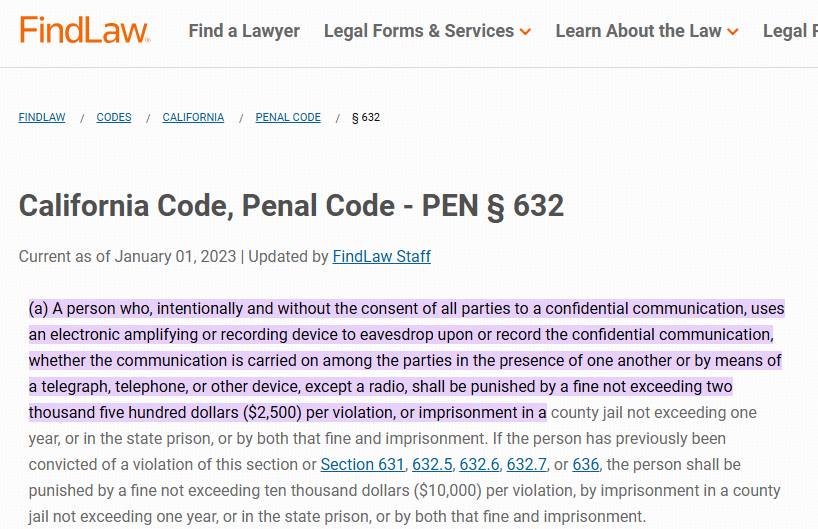
California’s Penal Code 632 generally prohibits the recording of a “confidential communication” without the consent of all parties to the conversation. A “confidential communication” is broadly defined as any communication carried on in circumstances that reasonably indicate that any party to the communication desires it to be confined to the parties thereto. In simpler terms, if a reasonable person would expect the conversation to be private, then it’s likely considered confidential. This starkly contrasts with “one-party consent” states, like New York or Texas, where you only need one participant (which can be yourself) to consent to the recording.
For travelers, this distinction is critical. Imagine you’re on a family vacation, discussing plans for visiting Universal Studios Hollywood with a tour guide, or speaking with a hotel manager at The Grand Pacific Hotel about a booking issue. If you choose to record these conversations without informing everyone involved, you could be breaking the law. This applies to both in-person discussions and telephone calls. The intent behind the law is to protect individual privacy and prevent clandestine surveillance, ensuring that people can communicate freely without fear of their words being secretly captured and potentially misused.
What Constitutes Consent?
Consent in the context of California’s recording law can be obtained in various ways, but it must be clear and explicit. The safest and most advisable method is to directly ask all parties if they agree to be recorded and ensure they verbally confirm their consent before you start recording. For example, you might say, “I’d like to record this conversation for my records; is that alright with everyone?” Once acknowledged, you can proceed.
Implied consent is a more ambiguous area and harder to prove. It might occur if, for instance, a phone call begins with a clear pre-recorded message stating, “This call may be recorded for quality assurance purposes,” and you continue the conversation. In a face-to-face setting, implied consent is much more challenging to establish and rarely sufficient to avoid legal risk. For instance, if you’re attending a public lecture hosted by the California Tourism Board and there are prominent signs stating that the event is being recorded, your continued presence might imply consent. However, for a private conversation, reliance on implied consent is generally ill-advised. Always prioritize explicit consent to avoid any misunderstandings or legal ramifications.
Public vs. Private Settings: Where Does the Law Apply?
The application of California’s two-party consent law hinges significantly on whether a conversation takes place in a public or private setting. The expectation of privacy is the critical differentiator.
Expectations of Privacy
In general, the two-party consent rule applies specifically to “confidential communications” where there is a reasonable expectation of privacy. This means the law is primarily concerned with private conversations.
- Private Settings: When you are in a private residence, a hotel room at Coastal Breeze Suites, a private office, or any other location where you would reasonably expect your conversations to be confidential and not overheard by others, the all-party consent rule applies. Recording conversations in these settings without explicit consent from everyone involved is illegal. This includes conversations held in private meeting rooms within a resort like Sierra Vista Resort or even private discussions during a business trip.
- Public Settings: The situation changes in genuinely public places where there is no reasonable expectation of privacy. If you are loudly discussing your travel plans on the Santa Monica Pier, debating which souvenir to buy on the Hollywood Walk of Fame, or participating in a public demonstration, your words are not considered confidential. In such open environments, it is generally permissible to record conversations, as long as you are not specifically targeting an individual who has a reasonable expectation of privacy and you are not engaging in surreptitious recording to capture private discussions. However, even in public, if you approach an individual for a private chat away from the general hubbub, the expectation of privacy may shift, bringing the all-party consent rule back into play. This nuanced distinction requires careful judgment, especially for tourists who might not be fully aware of local customs or the physical boundaries of private space within seemingly public areas.
Recording in Tourist Hotspots
For visitors exploring California’s many attractions, this distinction can be particularly confusing.
- Tour Guides and Attractions Staff: When interacting with a tour guide, for instance, from Pacific Coast Travel Agency, or staff at an attraction, such as a concierge at The Palace Hotel in San Francisco, their statements made within their professional capacity in public or semi-public areas might not always be considered confidential. However, if you’re pulled aside for a private conversation about a personal complaint or sensitive matter, that expectation of privacy often returns. It’s always safest to err on the side of caution and ask.
- Fellow Tourists and Locals: Recording conversations with other tourists or locals you meet, even casually, usually falls under the two-party consent rule if the discussion is intended to be private. Imagine striking up a personal conversation with someone while waiting in line for a ride at Knott’s Berry Farm or during a wine tasting tour in Napa Valley. If you decide to record your exchange, you must obtain their consent. This extends to any social interactions, whether they occur in a bustling restaurant or a quiet corner of a park. The moment a conversation moves beyond general public discourse to a more personal or private exchange, the legal requirement for consent becomes active.
Exceptions and Nuances for Travelers and Locals Alike
While the general rule in California is all-party consent for confidential communications, there are specific exceptions and nuances that both residents and visitors should be aware of. These situations often dictate when and how recording might be permissible without explicit consent from all parties.
Emergency and Law Enforcement Situations
One significant area of exception involves emergency situations and interactions with law enforcement. The right to record police officers performing their duties in public is generally protected under the First Amendment, as long as it does not interfere with police activity. This is distinct from recording a “confidential communication” and typically relates to visual and audio recording of public actions, not private conversations. If you are involved in an emergency and need to record a conversation (e.g., documenting threats or critical information), the legality can be complex and may hinge on specific circumstances and your personal safety. In such high-stress situations, legal advice would be highly recommended.
Business and Professional Contexts
Many businesses, especially those in the service and hospitality industries, regularly record customer interactions. Hotels, airlines, and customer service centers, including booking agents for Coastal Resorts Group, often use automated announcements at the beginning of calls: “This call may be recorded for quality assurance or training purposes.” By continuing the conversation after hearing such a disclosure, you are generally considered to have given your implied consent. This is a widely accepted practice and an important exception for consumers to be aware of. However, if you initiate a recording without such a prior disclosure from the business, you would still need to obtain their consent.
For business travelers, recording meetings or conferences can also be subject to these laws. While many professional settings encourage clear communication and often state recording policies, always ensure that all participants are aware and agree to any recordings of confidential discussions. For example, during a corporate retreat at The Resort at Pelican Hill, any private discussions among attendees would still require consent for recording.
Interstate Travel and Jurisdiction
What happens if you record a conversation in California with someone located in another state, such as Nevada (a one-party consent state) or Arizona (also a one-party consent state)? The general rule is that the law of the state where the recording takes place, or where the person being recorded is located, typically applies. Since the person initiating the recording is in California, California’s all-party consent law usually governs. This means that even if the other party is in a one-party consent state, you, as the person in California, still need to obtain their consent. It’s a critical point for anyone conducting business or maintaining personal relationships across state lines from within California.
The Ramifications of Illegal Recording
Ignoring California’s recording laws can lead to significant legal and personal consequences. These are not minor infractions and can impact your finances, freedom, and reputation.
Legal Penalties
Violating California’s two-party consent law (Penal Code Section 632) can result in both criminal and civil penalties.
- Criminal Charges: Illegally recording a confidential communication is considered a “wobbler” offense, meaning it can be prosecuted as either a misdemeanor or a felony, depending on the specifics of the case and the prosecutor’s discretion.
- Misdemeanor: Punishments can include imprisonment in a county jail for up to one year and/or a fine of up to $2,500.
- Felony: If prosecuted as a felony, the penalties can be more severe, including imprisonment in a state prison for 16 months, two years, or three years, and/or a fine of up to $2,500. For subsequent offenses, fines can increase up to $10,000.
- Civil Lawsuits: Beyond criminal charges, the illegally recorded party can also sue you in civil court. California law allows for statutory damages of $5,000 per violation, or three times the amount of actual damages (whichever is greater). This means if you record multiple confidential conversations without consent, the costs can quickly accumulate into tens of thousands of dollars, plus attorney fees. The purpose of these civil penalties is to compensate the victim for the violation of their privacy.
These legal consequences underscore the seriousness of the law. A simple oversight or a belief that you are exempt as a tourist can lead to a very unpleasant and costly end to your California adventure.
Reputational and Personal Impact
Beyond the legal and financial ramifications, illegally recording conversations can have a profound negative impact on personal and professional relationships. Trust is a fundamental element of human interaction, and secretly recording someone can irrevocably shatter it.
- Damaged Relationships: Whether it’s a dispute with a hotel manager, a disagreement with a travel companion, or an interaction with a local, being caught secretly recording can lead to anger, resentment, and a complete breakdown of communication. This is especially true for those traveling with family or friends; discovering a loved one has recorded conversations without consent can cause significant personal distress and lasting damage to the relationship.
- Loss of Trust: Businesses, individuals, and even public figures rely on a certain level of trust in their interactions. If you are perceived as someone who records conversations without consent, it can damage your reputation, making others wary of engaging with you. This can affect future travel plans, business dealings, and even social opportunities within the California community.
- Negative Travel Experience: What might start as an attempt to protect yourself or document an experience can quickly spiral into a stressful legal battle, turning a dream vacation into a nightmare. The anxiety and costs associated with addressing legal charges can overshadow all the positive memories of your trip.
Best Practices for Visitors and Residents
Navigating California’s recording laws doesn’t have to be complicated. By adopting a few simple best practices, both visitors and residents can enjoy their time in the state without legal concerns.
Always Ask for Consent
The golden rule, and by far the simplest way to avoid legal trouble, is to always ask for explicit consent before recording any confidential conversation. This applies to phone calls, in-person discussions, and even virtual meetings if participants are in California.
- Be Direct: A clear statement like, “I’d like to record our conversation, do I have your permission?” is usually sufficient.
- Confirm Verbally: If possible, have the other party verbally confirm their consent on the recording itself. This provides undeniable proof.
- Written Consent for Important Matters: For particularly sensitive or important discussions (e.g., business negotiations, legal consultations), obtaining written consent can offer an additional layer of protection.
- Avoid Ambiguity: Do not rely on implied consent in private settings. When in doubt, ask.
This straightforward approach respects others’ privacy, maintains good relationships, and keeps you on the right side of the law.
Documenting Your Travels Responsibly
Capturing memories is a vital part of any travel experience, but it’s essential to do so responsibly and legally.
- Prioritize Visuals: California offers endless opportunities for stunning photographs and videos. Focus on capturing the beauty of places like Big Sur, the vibrant culture of San Diego’s Gaslamp Quarter, or the architectural marvels of Downtown Sacramento. These visual records usually don’t involve the same privacy concerns as audio recordings of conversations.
- Take Notes: If you need to remember details from a conversation, consider taking written notes rather than recording audio. This is a universally accepted method of documentation and carries no legal risk regarding consent.
- Use Publicly Available Information: For general information about attractions, services, or events, rely on official websites, brochures, and public announcements rather than trying to secretly record private conversations.
- Be Mindful of Others: Even when taking photos or videos in public, be respectful of others’ privacy, especially children. While incidental capture in a crowd is generally acceptable, singling out individuals without their permission can still raise ethical concerns, if not legal ones.

Consult Legal Counsel
The information provided here offers a general overview of California’s recording laws. However, specific situations can be complex, and legal interpretations can vary.
- When in Doubt, Seek Advice: If you find yourself in a unique situation, such as needing to document harassment, potential fraud, or any other sensitive issue that might involve recording, it is always best to consult with a qualified legal professional in California. They can provide advice tailored to your specific circumstances and ensure you proceed legally.
- Understanding Specific Exemptions: While this article covers general rules, there might be very specific, narrow exemptions that apply to highly specialized contexts, which only a legal expert can accurately assess.
By understanding and adhering to California’s two-party consent law, you can confidently explore all that the state has to offer, ensuring your experiences are not only unforgettable but also legally sound. Enjoy your travels in the Golden State, creating memories that respect everyone’s privacy and peace of mind.
LifeOutOfTheBox is a participant in the Amazon Services LLC Associates Program, an affiliate advertising program designed to provide a means for sites to earn advertising fees by advertising and linking to Amazon.com. Amazon, the Amazon logo, AmazonSupply, and the AmazonSupply logo are trademarks of Amazon.com, Inc. or its affiliates. As an Amazon Associate we earn affiliate commissions from qualifying purchases.