
The vibrant tapestry of California is renowned worldwide for its breathtaking natural beauty, iconic landmarks, innovative spirit, and a lifestyle that blends diverse cultures with a pioneering outlook. From the sun-drenched beaches of Los Angeles to the rolling vineyards of Napa Valley, and the tech hubs of San Francisco to the historical depth of its state capital, Sacramento, the Golden State offers an unparalleled array of experiences for travelers and residents alike. Beyond the glitz and glamour, or the serene natural escapes, lies a fundamental aspect of civic life that shapes the very fabric of its society: the right to vote. For anyone considering an extended stay, contemplating relocation, or simply keen to understand the nuances of this dynamic state, comprehending the local electoral process, particularly voter identification requirements, is an insightful step into the Californian lifestyle.

In the United States, election laws vary significantly from state to state, reflecting diverse philosophies on voter access and election security. California stands out with its progressive approach, which often prioritizes broad participation. This article delves into the specific question of whether you need to show ID to vote in California, offering a comprehensive guide for both long-term residents and those exploring the possibility of making California their home. Understanding these regulations is not just about fulfilling a civic duty; it’s about engaging with the local culture and participating in the democratic processes that define this remarkable destination.
The Golden State’s Approach to Voter Identification: A General Overview
One of the most common questions for individuals new to California, or even long-time residents who might not have paid close attention to the specifics, revolves around the requirement for voter identification at the polls. The answer, in most instances, is remarkably straightforward and often a pleasant surprise for those accustomed to stricter regulations in other states: no, you are generally not required to show identification to cast your ballot in California.
This policy reflects a deliberate philosophical choice within California’s electoral framework to prioritize voter accessibility and participation. The state’s election laws are designed to ensure that every eligible citizen has the opportunity to exercise their fundamental right to vote without undue burden. This ethos is deeply embedded in the state’s political landscape, aiming to remove barriers that could disenfranchise segments of the population, such as the elderly, students, low-income individuals, or those without easy access to government-issued identification. This commitment to inclusivity is a defining characteristic of California’s civic lifestyle, encouraging widespread engagement in its vibrant democratic processes. It’s part of understanding the local culture, which values participation and representation.
When ID Might Be Necessary: Specific Scenarios
While the general rule is that ID is not required, there are specific, limited circumstances under which you might be asked to present identification when voting in California. These exceptions are designed to maintain the integrity of the voting process while still upholding the state’s commitment to accessibility.
The primary scenario where ID might be requested occurs if you are a first-time voter who registered by mail and did not provide either your California driver’s license number, California state ID number, or the last four digits of your Social Security number on your registration form. In such cases, election officials need to verify your identity to ensure that the person voting is indeed the registered voter. Even in this specific instance, the process is designed to be as accommodating as possible, ensuring that a lack of a particular document does not entirely prevent you from casting your vote.
Acceptable Forms of Identification:
Should you fall into the category requiring identification, California accepts a broad range of documents, making it highly likely that you will possess at least one of them. These forms of ID do not necessarily need to have your photo, underscoring the state’s flexibility. Accepted documents include, but are not limited to:
- California Driver’s License or California State ID: These are the most common forms of official identification for residents.
- United States Passport: A globally recognized form of identification, essential for international travel and widely accepted.
- Employee ID Card: Many employers issue identification cards to their staff, which can serve this purpose.
- Credit or Debit Card: Financial cards bearing your name are considered valid.
- Student ID Card: Issued by an educational institution, these are particularly useful for the significant student population across California’s many universities and colleges.
- Military ID Card: For service members and their families, this official identification is always accepted.
- Utility Bill: A recent bill for services like electricity, water, or gas, demonstrating your residence.
- Bank Statement: A recent statement from a financial institution.
- Pre-printed Form from a Government Agency: Any official document issued by a government entity, federal, state, or local, that includes your name and address.
- Any Other Document Issued by a Government Agency: This broad category ensures that various official documents not explicitly listed can also be used.
The breadth of accepted documents highlights California’s dedication to ensuring that verification, when necessary, is not an obstacle. This pragmatic approach is an integral part of making voting an accessible experience for all eligible citizens, whether they are visiting for an extended period, considering an apartment in a new city, or settling into a long-term stay.
The Provisional Ballot: Your Safeguard
What happens if you are asked for ID and cannot provide it, or if there’s an issue with your voter registration status at the polling place? California provides a crucial safeguard: the provisional ballot. If your name does not appear on the voter roll, if you are unsure if you are registered, or if you cannot provide the requested identification in the specific scenario mentioned above, you have the right to cast a provisional ballot.
A provisional ballot functions as a temporary ballot that is counted after election officials verify your eligibility. This process ensures that no eligible voter is turned away from the polls. After you cast a provisional ballot, election officials will investigate your voter registration status and identity. If their records confirm your eligibility, your ballot will be counted. This mechanism is a cornerstone of California’s commitment to ensuring every valid vote is counted, reflecting a deep-seated belief in the democratic process and the importance of individual voices in shaping the future of the state. It embodies the “Tips” aspect of tourism and accommodation – knowing your rights and the systems in place when you immerse yourself in a new environment.
Beyond the ID: Ensuring a Smooth Voting Experience in California
Understanding voter ID laws is just one piece of the puzzle for a smooth voting experience in California. The state has implemented several initiatives and options to make voting convenient and accessible for all eligible citizens, aligning with its reputation as a forward-thinking place to live and visit. These aspects contribute significantly to the “Lifestyle” and “Tourism” experience by showcasing the civic infrastructure of the Golden State.
Voter Registration: The Bedrock of Participation
The first and most crucial step for exercising your right to vote in California is ensuring you are properly registered. California offers multiple convenient ways to register:
- Online Registration: The easiest and most popular method is to register online through the California Secretary of State‘s website. This portal makes the process quick and efficient.
- Mail-in Registration: You can print a voter registration form from the California Secretary of State’s website or pick one up at various public locations, including post offices, libraries, and most Department of Motor Vehicles (DMV) offices.
- In-person Registration: Register at your county elections office or a Department of Motor Vehicles office.
Registration Deadlines: While it’s always best to register as early as possible, California has a standard registration deadline 15 days before an election. However, the state also offers Same-Day Voter Registration, often referred to as “Conditional Voter Registration.” This allows eligible individuals to register and cast a provisional ballot at a county elections office or polling place up to and including Election Day. This ballot is then processed and counted once your eligibility is confirmed, further demonstrating California’s commitment to inclusive participation. This flexibility is a significant draw, reflecting a modern approach to civic engagement that complements the state’s innovative lifestyle.
Voting Methods: Options for Every Californian
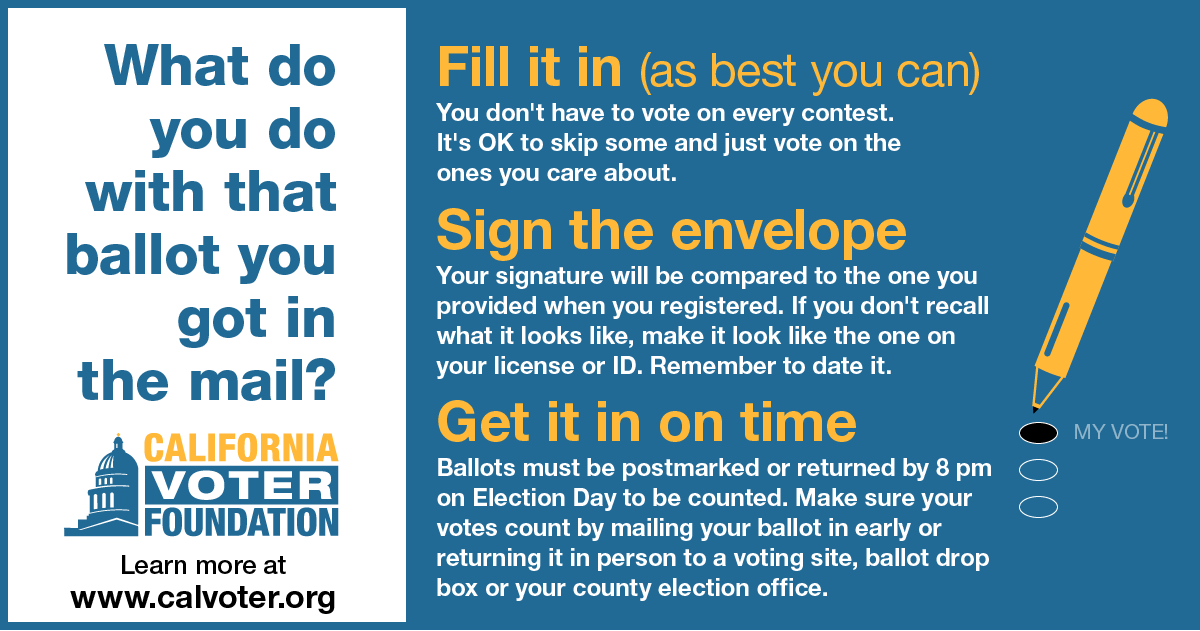
California has embraced various voting methods to cater to the diverse needs of its population, enhancing accessibility for everyone, from busy professionals in metropolitan areas to residents in remote, scenic regions.
- Vote-by-Mail (Absentee Voting for All): Perhaps the most significant change in recent California election law is that all registered voters now automatically receive a mail-in ballot for every election. This means you don’t need to request an absentee ballot; it will simply be sent to your registered address. This system offers unparalleled convenience, allowing voters to research candidates and propositions thoroughly from the comfort of their home or even their temporary accommodation, such as a rented apartment or vacation villa. Once completed, these ballots can be mailed back, dropped off at official drop boxes, or returned in person at any polling place. This universal mail-in ballot system significantly reduces the need for in-person ID checks, as the signature on the ballot envelope is compared to the voter’s signature on file.
- In-person Voting: For those who prefer the traditional experience or need assistance, in-person voting remains an option. Polling places are open on Election Day, and many counties offer early voting centers for several days leading up to the election. At these locations, election workers are available to assist voters, provide language assistance, and ensure the process is smooth. Even if you’re exploring California’s diverse regions or staying in a hotel for a business trip, you can typically find a polling place in your registered county.
Preparing for Election Day: Empowering Your Vote
To ensure your voting experience is seamless, particularly if you’re new to the area or trying to understand local protocols, consider these practical tips:
- Check Your Registration Status: Before every election, verify your registration status online via the California Secretary of State website. This confirms your eligibility and ensures your address is up-to-date.
- Locate Your Polling Place/Drop Box: If you plan to vote in person or drop off your mail-in ballot, use the online tools provided by your county elections office to find the nearest location.
- Understand Your Ballot: Review the candidates and propositions in advance. Sample ballots are typically mailed to registered voters, and detailed information is available online. This is part of the “local culture” immersion, understanding the issues that shape the communities you might visit or live in.
California’s Electoral Philosophy in a Broader Context
California’s approach to voter identification and overall election administration is deeply rooted in a philosophy that prioritizes broad access and encourages robust participation. This stands in stark contrast to many other states in the United States that have enacted stricter voter ID laws, often requiring government-issued photo identification.
The debate over voter ID laws typically centers on two main objectives: preventing voter fraud and ensuring universal voter access. Proponents of stricter ID laws argue they are necessary to safeguard election integrity and prevent fraudulent voting. Conversely, opponents, like the policymakers in California, contend that such laws disproportionately affect certain demographics—minorities, students, the elderly, and low-income individuals—who may face difficulties obtaining the required identification, thereby suppressing legitimate votes.
California’s system, with its minimal ID requirements, automatic mail-in ballots, and same-day registration, reflects a strong belief that the potential for voter fraud is extremely low and that any efforts to combat it should not inadvertently disenfranchise eligible voters. This perspective is influenced by historical movements and landmark legislation such as the Voting Rights Act of 1965, which aimed to overcome legal barriers at the state and local levels that prevented African Americans from exercising their right to vote. While the context has evolved, the principle of protecting and expanding voting rights remains a cornerstone of California’s democratic framework.
For those engaging with California as a destination or considering it for accommodation, understanding this philosophy provides insight into the state’s social and political landscape. It speaks to a “lifestyle” where civic engagement is encouraged, and the democratic process is viewed as a collective responsibility, a form of local culture that values every voice. This inclusive approach makes California not just a place of stunning landmarks and luxurious hotels, but also a beacon of accessible democracy.
Empowering Your Voice: Practical Tips for Engaging in California’s Elections
Engaging in the electoral process in California is an empowering experience that allows you to contribute to the future of this diverse and dynamic state. Whether you’re a long-term resident, new to the community, or simply interested in understanding the local civic framework during an extended visit, there are many ways to make your voice heard beyond just casting a ballot.
Staying Informed and Engaged
To truly participate in the California lifestyle, staying informed about local, state, and national issues is paramount. This includes:
- Understanding Propositions: California’s ballot often features numerous propositions – direct democracy measures that allow citizens to propose and enact laws or constitutional amendments. Researching these can provide deep insight into the state’s priorities and challenges.
- Following Local Elections: Mayors, city council members, school board members, and county supervisors make decisions that directly impact daily life in California communities. Engaging with these local elections is a vital part of understanding the “local culture” and the specifics of different destinations.
- Utilizing Official Resources: The California Secretary of State’s website is an invaluable resource for non-partisan information on elections, candidates, and propositions. Additionally, each county’s elections office website provides localized details, including polling places, ballot drop-off locations, and voter guides specific to your area.
Volunteering and Community Participation
For those seeking a deeper connection to California’s civic life, volunteering offers a rewarding experience:
- Become a Poll Worker: Volunteering as a poll worker on Election Day is a fantastic way to witness the democratic process firsthand, assist your community, and ensure elections run smoothly. It’s an enriching “experience” that provides a unique perspective on local governance.
- Support Campaigns: If you’re passionate about a particular issue or candidate, consider volunteering for a campaign. This can range from phone banking to canvassing, offering a direct way to influence political outcomes and meet like-minded individuals within the community. This involvement can be particularly fulfilling for those on long-term stays or living in apartments, seeking to integrate into their new surroundings.
- Participate in Local Meetings: Attend city council meetings, school board meetings, or community forums. These gatherings are crucial for local decision-making and are open to the public, offering a direct avenue for civic engagement and understanding the pulse of a particular locale.
The Importance of Every Vote
California’s electoral system is designed to empower every eligible citizen. The ease of registration, the prevalence of vote-by-mail, and the minimal ID requirements all underscore the state’s commitment to democratic participation. Every vote cast is a contribution to the collective future, influencing everything from environmental policies affecting the state’s natural landmarks to educational funding that shapes communities, and even the regulations that might impact tourism and accommodation industries.
Whether you’re exploring the wonders of California as a tourist, planning an extended business stay, or making it your permanent home, understanding and participating in its civic life enriches your overall experience. It connects you to the heartbeat of the state, allowing you to not just observe its beauty and innovation but also to actively shape its ongoing story.
In conclusion, while the question “Do you have to show ID to vote in California?” elicits a simple “generally no,” the underlying system is a complex yet accessible framework designed to maximize voter participation. California’s election laws reflect a progressive vision, striving to balance security with unprecedented ease of access. For anyone interested in the dynamic culture and lifestyle of the Golden State, understanding these civic mechanisms offers a deeper appreciation for the democratic spirit that thrives within this extraordinary part of the United States. Embrace your right, get informed, and let your voice be heard in California’s vibrant democracy.
LifeOutOfTheBox is a participant in the Amazon Services LLC Associates Program, an affiliate advertising program designed to provide a means for sites to earn advertising fees by advertising and linking to Amazon.com. Amazon, the Amazon logo, AmazonSupply, and the AmazonSupply logo are trademarks of Amazon.com, Inc. or its affiliates. As an Amazon Associate we earn affiliate commissions from qualifying purchases.