
California, a state synonymous with innovation, natural beauty, and a vibrant cultural tapestry, often conjures images of sun-kissed beaches, towering redwood forests, bustling cities like Los Angeles and San Francisco, and iconic landmarks such as the Golden Gate Bridge or Yosemite National Park. It’s a land of dreams, Hollywood glamour, and Silicon Valley’s tech prowess. Yet, beneath this glittering facade lies a complex infrastructure that supports its massive population and intricate societal structure, including its correctional system. The question of “How many prisons are in California?” might seem niche, perhaps even out of place in a discussion about travel and lifestyle. However, for the discerning traveler, understanding the broader landscape of a destination, including its less glamorous but equally significant elements, provides a richer, more nuanced perspective.
Exploring the correctional facilities within California isn’t about promoting “dark tourism” in the traditional sense, but rather about acknowledging their historical significance, their impact on local communities, and how some, like the infamous Alcatraz Island, have transitioned into major tourist attractions, offering unique insights into the state’s past. For those planning a journey through the Golden State, being aware of its diverse geographical and socio-economic make-up can enhance their experience, informing their routes, accommodation choices, and overall appreciation of this vast and varied land. From the bustling metropolitan hubs to the quiet, rural towns where many of these facilities are located, each prison tells a story about human history, social policy, and the communities that have grown around them. This exploration aims to shed light on this often-overlooked aspect of California, connecting it to themes of travel, landmarks, and local culture.
The Numbers Game: Understanding California’s Correctional Landscape
Answering the question of “how many prisons are in California?” requires a breakdown of the different types of correctional facilities operating within the state. It’s not a simple, single figure, as the system comprises state-run adult institutions, federal prisons, and numerous county jails, each serving distinct purposes and managed by different authorities. For clarity, our primary focus will be on the state-run adult correctional facilities, as these are typically what people refer to when discussing “prisons.”
State Prisons: A Vast System
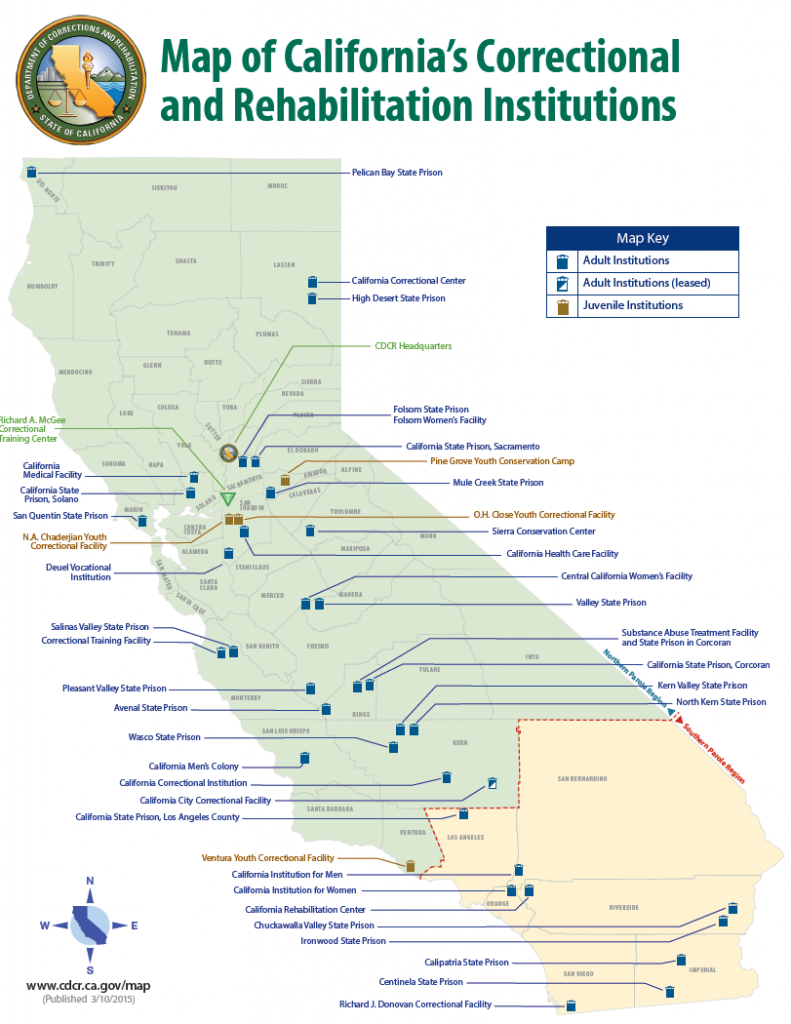
The backbone of California’s correctional system for adults is managed by the California Department of Corrections and Rehabilitation (CDCR). As of late 2023, the CDCR operates 32 adult state correctional institutions. These facilities are distributed across the state, from the more populated coastal regions to the vast, arid interior, and often become significant landmarks in the smaller towns and rural areas where they are situated. Each institution typically houses a substantial population, employs thousands of staff, and plays a critical role in the local economy.
These state prisons vary widely in their security levels, types of populations housed (e.g., maximum security, medium security, minimum support, specialized medical facilities, or those for women), and their operational focus. Iconic names like San Quentin State Prison in Marin County, overlooking San Francisco Bay, or Folsom State Prison near Sacramento, are not just places of incarceration but have also etched themselves into the state’s historical and cultural narrative, often appearing in literature, music, and film. Other large facilities include Pelican Bay State Prison in the far north, known for its high-security features, and the two major women’s facilities located in Chowchilla: Central California Women’s Facility and Valley State Prison. Understanding the distribution and scale of these institutions provides a more complete picture of California’s infrastructure and the diverse landscapes that comprise it, sometimes placing these massive complexes surprisingly close to areas travelers might visit.
Federal Facilities and Local Jails: A Broader Scope
While the CDCR facilities represent the bulk of state “prisons,” it’s important to acknowledge other components of the correctional system within California.
- Federal Prisons: The U.S. federal government also operates several correctional institutions within California. These include federal correctional institutions and federal prison camps managed by the Federal Bureau of Prisons. These facilities typically house individuals convicted of federal crimes, distinct from state offenses. Their number is significantly smaller than state prisons, but they are an important part of the overall correctional landscape. For instance, there are facilities like the Federal Correctional Institution in Lompoc or the Metropolitan Detention Center in Los Angeles.
- County Jails: Every one of California’s 58 counties operates its own jail system. These facilities, managed by county sheriff’s departments, are designed for individuals awaiting trial, those serving shorter sentences (typically less than a year for misdemeanors), or those temporarily held before transfer to state or federal prisons. The number of county jails is extensive, easily numbering over 100 across the state, ranging from large, multi-facility complexes in metropolitan areas like Los Angeles County or Orange County, to smaller, single facilities in less populated counties. While not “prisons” in the same sense as state or federal institutions, they are a fundamental part of the state’s detention infrastructure.
When travelers consider “prisons” in California, they are most likely thinking of the 32 adult state prisons under the CDCR. These institutions, with their imposing structures and often remote locations, contribute to the unique character of the regions they inhabit, sometimes even intersecting with travel routes and destination points.
Beyond Bars: Prisons as Historical Sites and Unconventional Landmarks
While active correctional facilities are not tourist destinations, some former prisons and specific historical aspects of current ones have become significant landmarks, offering compelling narratives for visitors. This intersection of incarceration and tourism provides a unique lens through which to view California’s rich history and diverse cultural offerings.
Iconic Correctional Facilities with Public Access
The most famous example, and arguably one of California’s premier tourist attractions, is Alcatraz Island. Located in San Francisco Bay, “The Rock” served as a federal maximum-security prison from 1934 to 1963, housing notorious criminals like Al Capone and George “Machine Gun” Kelly. Today, managed by the National Park Service, Alcatraz is a fascinating historical site, drawing millions of visitors annually.
A trip to Alcatraz Island is a journey back in time, offering gripping audio tours narrated by former guards and inmates, exploring the cellhouse, recreation yard, and the lighthouse. It’s an experience that combines stunning views of the San Francisco skyline and the Golden Gate Bridge with a sobering look into prison life and infamous escape attempts. As a landmark, Alcatraz perfectly blends history, architecture, and a touch of intrigue, making it a must-visit for anyone interested in the darker, yet compelling, facets of California’s past. It’s a prime example of how a former correctional facility can be repurposed as a significant cultural and historical attraction, deeply integrated into the state’s tourism landscape.
Museums and Historical Interpretations
Beyond Alcatraz, other active prisons have found ways to share their history with the public, albeit on a more limited scale. Folsom State Prison, famous for the Johnny Cash song and his live concert there, hosts the Folsom Prison Museum just outside its walls. This small but engaging museum offers artifacts, exhibits, and stories related to the prison’s long history, dating back to 1880. Visitors can see inmate-made weapons, learn about famous prisoners, and gain a sense of the institution’s impact on the region. It’s a unique stop for history buffs or fans of American music and culture passing through the Sacramento area.
Similarly, other facilities, while not having dedicated museums, often have historical markers or provide information on their origins and development. These sites, though not traditional tourist destinations, offer glimpses into the socio-economic evolution of California. They stand as architectural testaments to different eras of social policy and provide a stark contrast to the natural beauty and luxurious resorts that define much of the state’s travel appeal. For those seeking a deeper understanding of California beyond its surface attractions, these “unconventional landmarks” offer profound insights into its multifaceted identity.
The Socio-Economic Tapestry: How Prisons Influence California Communities
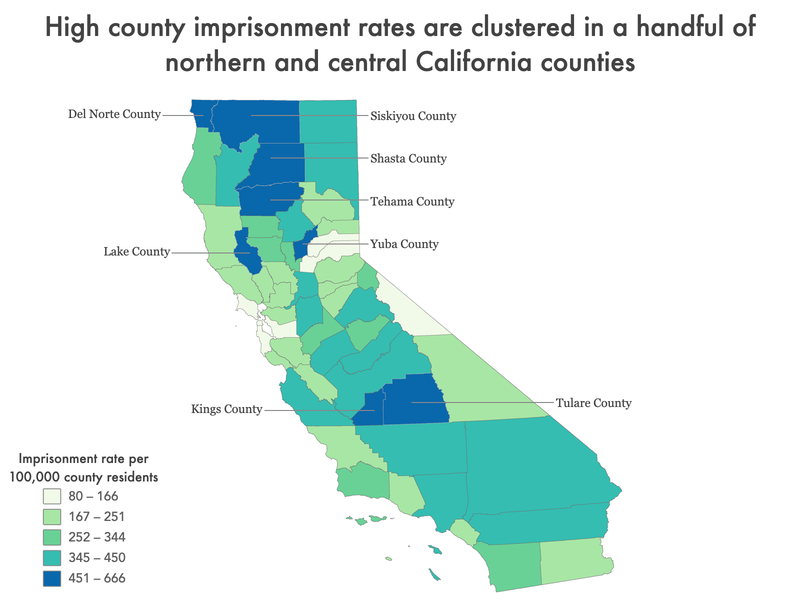
The presence of a state or federal correctional facility is more than just a geographic marker; it profoundly shapes the socio-economic fabric of the surrounding communities. These institutions, often strategically located in rural or less developed areas, become integral to the local lifestyle, economy, and even the demographic composition of the towns that host them. Understanding this relationship adds another layer to appreciating California’s diverse regions, especially for travelers venturing beyond the major urban centers.
Local Economies and Infrastructure
For many towns, especially in the central valley or more remote desert regions, a state prison is the largest, if not the sole, major employer. This means that thousands of jobs—from correctional officers and administrative staff to medical personnel and support services—are directly tied to the prison. This stable employment base can be a lifeline for small communities, providing steady wages and benefits that support local businesses, schools, and services.
Consider towns like Corcoran in Kings County, which is home to California State Prison, Corcoran, and Chowchilla in Madera County, which hosts the Central California Women’s Facility and Valley State Prison. The economic impact extends beyond direct employment to supporting housing markets, retail establishments, and local government services. This creates a unique ecosystem where the prison, while physically isolated, is deeply interconnected with the community’s well-being.
Travelers might notice the subtle differences in infrastructure and community character in these areas. The presence of a large, state-owned institution often leads to better roads, utilities, and public services compared to similar-sized towns without such a major employer. Accommodation options, while perhaps not luxurious resorts, cater to visiting families or those on official business, offering a glimpse into a different segment of the travel market. These facilities are not merely structures but anchors around which entire communities are built and sustained, influencing everything from local politics to the availability of restaurants and shops.
Cultural Impact and Community Dynamics
The cultural impact of a large correctional facility on its surrounding community is also significant. These towns develop a distinct identity, often referred to as “prison towns.” There’s a particular demographic pattern, with a higher proportion of law enforcement and corrections professionals among the residents. This can foster a unique sense of community, with shared experiences and challenges among those whose livelihoods are tied to the institution.
While not overtly tourist-centric, understanding these dynamics can enrich a traveler’s perception of California. It highlights the vast differences between the state’s glittering coastal metropolises and its more modest, work-oriented interior. For instance, towns like Blythe in Imperial County, home to Ironwood State Prison, or Crescent City in Del Norte County, near Pelican Bay State Prison, showcase how major state institutions shape local identity, social interactions, and daily life.
These cultural nuances are part of the broader “local culture” that travelers seek to experience. While most visitors won’t interact directly with the prison, observing the character of these towns, their civic pride, and their unique adaptations to hosting such a significant institution offers a genuine insight into the diverse ways of life within the Golden State. It’s a reminder that California is not a monolith but a collection of distinct regions, each with its own story, challenges, and charm, shaped by various factors, including the presence of its correctional facilities.
Navigating California: Practical Considerations for Travelers
For most travelers, the presence of prisons will likely be an invisible aspect of their California journey. However, for those keen on understanding the state comprehensively or planning extensive road trips, a basic awareness can be subtly beneficial. It’s not about planning a visit to an active prison, but rather about general geographical awareness and maintaining a respectful approach to all facets of the state.
Understanding Geographic Distribution
The majority of California’s 32 state prisons are strategically located in less densely populated, often rural or semi-rural areas. This geographical distribution is partly due to the need for large tracts of land and a desire to minimize impact on major urban centers. You’ll find clusters of facilities in areas like Kern County (e.g., Kern Valley State Prison, North Kern State Prison), Riverside County (e.g., Chuckawalla Valley State Prison), and the central valley, often along major highways but typically set back from the main thoroughfare.
This means that while driving through remote stretches of California, particularly in the agricultural heartland or desert regions, it’s not uncommon to pass signs for state correctional facilities. For example, traveling along Highway 99 or Interstate 5 through the Central Valley, you might see indications for institutions like Pleasant Valley State Prison or Avenal State Prison. Being aware of these locations simply adds to the understanding of the vast and varied landscapes you are traversing, reminding you that California is more than just its glamorous tourist brochures. It gives context to the infrastructure and the communities that dot these less-traveled routes.
For those seeking accommodations in these regions, it’s worth noting that smaller towns near prisons might have a different array of hotel or motel options, catering more to visitors of inmates or state employees rather than luxury tourists. These might offer budget-friendly stays and a chance to experience the local, non-touristy side of California, providing a contrasting experience to the upscale resorts of Napa Valley or Palm Springs.
Respectful Exploration and Awareness
While places like Alcatraz are designed for public visitation and educational experiences, active prisons are operational facilities that are not open to the public. It is crucial for travelers to maintain a respectful distance and understanding when encountering these institutions. This means refraining from attempting to gain unauthorized access, taking photographs of restricted areas, or engaging in any activity that could be perceived as disruptive or intrusive. The areas immediately surrounding these facilities are often marked with clear signage regarding restrictions, and it’s important to heed these warnings.
Instead, appreciation can come from acknowledging their existence as part of the state’s intricate framework. Just as one might appreciate the scale of Death Valley National Park or the engineering marvel of a major dam, recognizing the footprint of California’s correctional system offers a different kind of perspective. It underscores the social complexities and administrative needs of a state with a population nearing 40 million people.
By adopting a stance of respectful awareness, travelers can weave these less conventional elements into their broader narrative of California. It’s about understanding the entirety of a destination—its famed attractions, its hidden gems, and its foundational infrastructures—to gain a truly comprehensive and enriching travel experience. This approach aligns with the spirit of authentic travel, which seeks not just beauty and pleasure, but also knowledge and a deeper connection to the places visited.

Conclusion
So, how many prisons are in California? The direct answer, focusing on adult state correctional facilities, is 32, managed by the California Department of Corrections and Rehabilitation. When factoring in federal prisons and numerous county jails, the number of correctional facilities is significantly higher, painting a picture of a vast and complex system integral to the state’s governance and social structure.
Beyond the raw numbers, this exploration reveals how these institutions, while serving a specific societal function, also contribute to the multifaceted identity of California. From historical landmarks like Alcatraz Island, which has seamlessly transitioned into a world-class tourist attraction, to the vital economic roles they play in many rural communities, prisons are an undeniable thread in the Golden State’s rich tapestry.
For the modern traveler, understanding the correctional landscape of California isn’t about seeking out these facilities for entertainment. Instead, it offers a deeper, more informed perspective on the state’s geography, history, and socio-economic dynamics. It enriches the travel experience by highlighting the diverse realities that exist beyond the beaches and Hollywood signs, reminding us that every destination is a mosaic of many elements. Whether you’re planning a luxurious resort stay, a budget-friendly road trip, or an immersive cultural experience, acknowledging the full breadth of what California encompasses allows for a more comprehensive and ultimately, more meaningful journey. It’s a testament to the fact that true exploration involves not just seeing the sights, but understanding the story behind them.
LifeOutOfTheBox is a participant in the Amazon Services LLC Associates Program, an affiliate advertising program designed to provide a means for sites to earn advertising fees by advertising and linking to Amazon.com. Amazon, the Amazon logo, AmazonSupply, and the AmazonSupply logo are trademarks of Amazon.com, Inc. or its affiliates. As an Amazon Associate we earn affiliate commissions from qualifying purchases.