
California, a state synonymous with stunning natural beauty, iconic landmarks, and a vibrant lifestyle, is also famously known for its high cost of living. For those considering a career in law enforcement or simply curious about the economic realities of essential service providers, understanding the salary structure for police officers in the Golden State is crucial. It’s a topic that delves beyond mere numbers, touching upon the complex interplay between compensation, cost of living, and the quality of life that a salary can afford in one of the most desirable — and expensive — places to live in the United States.

From the bustling metropolis of Los Angeles to the tech-driven hub of San Jose and the picturesque shores of San Diego, the financial landscape for a police officer varies significantly. While police salaries in California are generally higher than the national average, this figure must always be considered in the context of housing costs, everyday expenses, and the general economic pressures faced by residents. This article will explore the intricate details of police officer compensation in California, dissecting the factors that influence earnings, the regional disparities, and what these salaries truly mean for a police officer’s lifestyle, including their ability to enjoy the state’s unparalleled travel, accommodation, and tourism opportunities.
Understanding Police Compensation in California
The journey to becoming a police officer in California is rigorous, requiring dedication, training, and a commitment to public service. In return, the state offers competitive salaries, though the exact figures can fluctuate dramatically based on several key factors. Unlike a uniform national pay scale, police salaries are determined at the local level, influenced by city budgets, union negotiations, and the specific demands of the community served.
Base Salaries and Entry-Level Positions
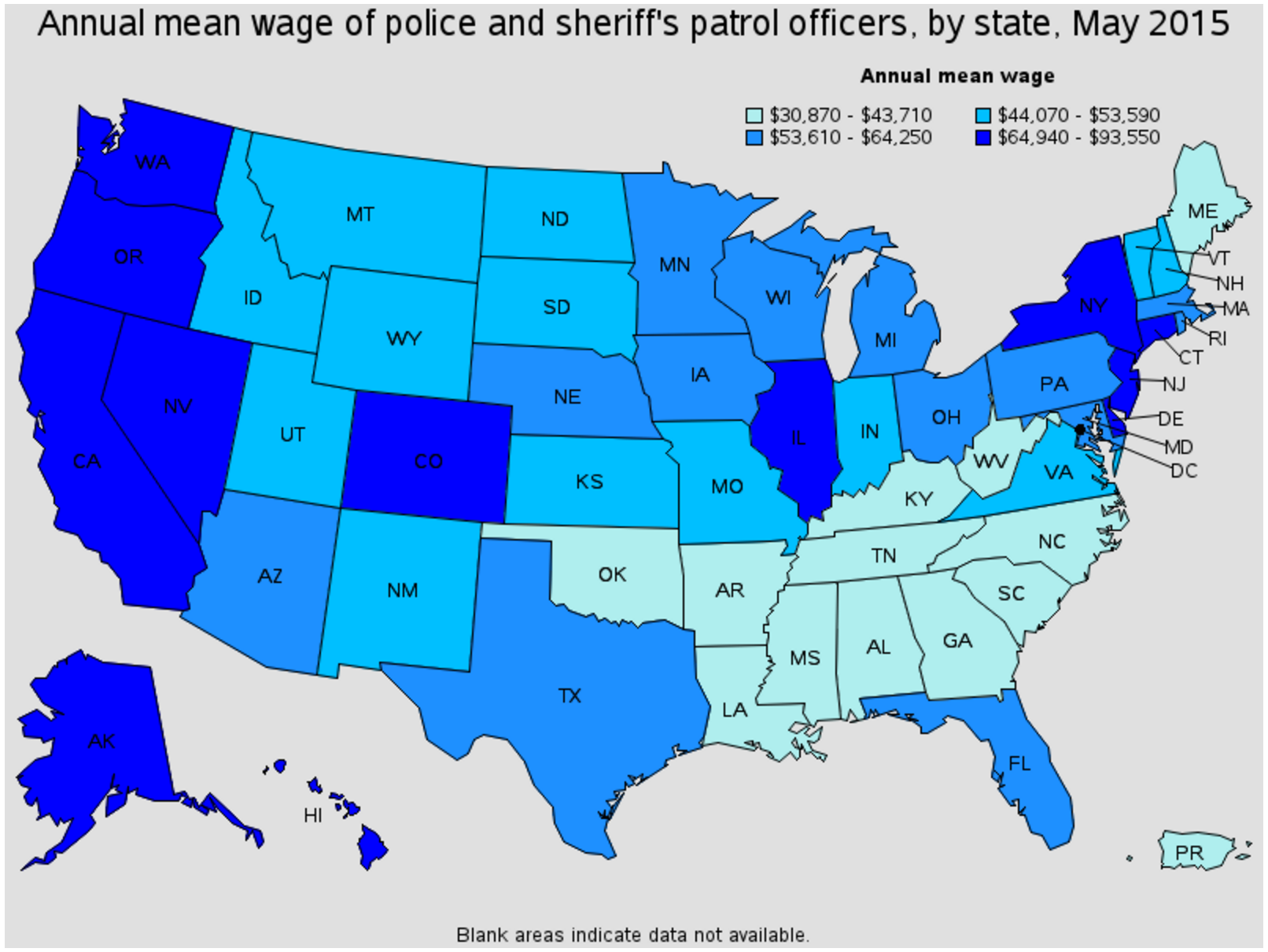
For an entry-level police officer, fresh out of the academy, the starting salary in California can range from approximately $60,000 to $80,000 per year. This figure often represents the base pay before any overtime, benefits, or special assignments. Cities with a higher cost of living, such as those in the Bay Area or coastal Southern California, typically offer higher starting salaries to attract and retain talent. For instance, a police recruit in the San Francisco Police Department or the Los Angeles Police Department might start at the higher end of this spectrum, reflecting the intense financial pressure of living in these areas.
However, smaller cities or departments in more rural parts of the state, such as those in the Central Valley like Fresno or Bakersfield, might offer starting salaries closer to the lower end, though the purchasing power of that salary might be comparatively higher due to reduced living expenses. The California Highway Patrol, a state-level agency, offers a uniform salary scale across the state, which is generally competitive and includes extensive benefits.
Factors Influencing Salary Growth
A police officer’s earning potential in California increases significantly with experience, rank, and specialized skills. After a few years on the force, a patrol officer can expect their base salary to rise through scheduled raises and cost-of-living adjustments. For a seasoned officer with 5-10 years of experience, salaries often fall within the $80,000 to $120,000 range. Top earners, especially those in leadership roles like sergeants, lieutenants, or those in highly specialized units (e.g., SWAT, K9, detective units), can command salaries exceeding $150,000, and in some of the most affluent areas, even reaching or surpassing $200,000 annually.
Additional factors contributing to an officer’s total compensation include:
- Overtime Pay: A significant portion of many officers’ take-home pay, especially in busy departments.
- Educational Incentives: Many departments offer bonuses or pay differentials for officers with college degrees.
- Specialty Pay: Compensation for specific roles, such as field training officers, detectives, or those with language proficiencies.
- Shift Differentials: Higher pay for working less desirable shifts (e.g., night shifts, weekends).
- Longevity Pay: Increased pay for long-serving officers.
These elements collectively contribute to a robust compensation package designed to attract and retain skilled law enforcement professionals in a state with unique economic challenges.
Navigating California’s Cost of Living: A Major Factor
While the salary figures for California police officers might appear impressive, they must be viewed through the lens of the state’s notoriously high cost of living. This is perhaps the most critical consideration when evaluating the actual purchasing power and quality of life afforded by a police salary. The expense of housing, in particular, dramatically impacts how far a paycheck can stretch.
The Golden State’s High Price Tag
California consistently ranks among the most expensive states to live in the United States. Housing costs are the primary driver of this expense. The median home price in many major California cities far exceeds the national average, often hovering around $800,000 to over $1 million. Rent for even a modest apartment in metropolitan areas like San Francisco, Los Angeles, San Jose, or Orange County can easily consume a significant portion of a police officer’s monthly income. For instance, a one-bedroom apartment in San Francisco can easily cost $3,000-$4,000 per month.
Beyond housing, everyday expenses such as groceries, utilities, transportation (especially with high gas prices), and childcare also contribute to the high cost of living. While police officers receive a good salary, many still find themselves budgeting carefully, especially if they are supporting a family or wish to live in the communities they serve. This economic reality often necessitates officers commuting from more affordable neighboring towns or making compromises on their living arrangements.
Regional Disparities and Lifestyle Choices
The cost of living in California is not uniform; it varies significantly from one region to another.
- High-Cost Areas: Cities in the Bay Area (San Francisco, San Jose, Oakland), Southern California (Los Angeles, San Diego, Long Beach, Anaheim), and popular coastal communities like Santa Monica or Santa Barbara demand some of the highest salaries for officers to maintain a comfortable standard of living. Even with higher pay, homeownership can be a distant dream for many in these areas.
- Moderate-Cost Areas: Cities in the Central Valley (Sacramento, Fresno, Bakersfield) or inland areas like Riverside and San Bernardino offer a more affordable lifestyle. While salaries might be slightly lower than their coastal counterparts, the cost of housing and other essentials is considerably less, allowing officers greater financial flexibility and potentially a higher quality of life for the same nominal salary.
- Rural Areas: Remote counties and small towns throughout California offer the lowest cost of living, but also typically the lowest police salaries. However, the lifestyle in these areas can be appealing to those who prioritize peace and quiet over urban amenities.
An officer’s choice of where to live and work in California is often a strategic decision, balancing career ambitions with personal financial goals and desired lifestyle. It’s not uncommon for officers working in San Francisco to live in more affordable cities like Vallejo or Concord, enduring longer commutes to offset housing costs.
Beyond the Paycheck: Benefits and Long-Term Security
The true value of a police officer’s compensation package in California extends far beyond the base salary. Law enforcement careers are often attractive not just for their competitive pay, but also for the comprehensive benefits and long-term financial security they provide, which are crucial components of a stable lifestyle.
One of the most significant benefits is healthcare. Police officers and their families typically receive excellent medical, dental, and vision insurance plans, often with minimal out-of-pocket expenses. This is an invaluable benefit in a state where private healthcare costs can be extraordinarily high. The peace of mind that comes with robust health coverage allows officers to focus on their demanding jobs without undue worry about medical emergencies or routine care.
Another cornerstone of a police officer’s compensation is their pension plan. California police departments typically offer defined-benefit pension plans, meaning officers receive a guaranteed income stream in retirement, often based on their years of service and final salary. This long-term financial security is a major draw, providing a stable income well into retirement, which is increasingly rare in many other professions. Retirement ages vary, but many officers can retire after 20-30 years of service, sometimes as early as their late 40s or early 50s, allowing them to embark on a new chapter or simply enjoy their golden years.
Additionally, police officers often benefit from:
- Life Insurance: Providing financial protection for their families.
- Disability Insurance: Offering income support if they are injured on duty and unable to work.
- Paid Time Off: Generous vacation, sick leave, and holidays.
- Uniform and Equipment Allowances: Reducing out-of-pocket expenses for job-related necessities.
- Opportunities for Career Advancement: Clear pathways to promotion and specialized roles.
These benefits, combined with competitive salaries, create a holistic compensation package designed to support officers throughout their careers and into retirement, recognizing the inherent dangers and stresses of their profession.
What a California Cop’s Salary Affords: Travel, Accommodation, and Lifestyle
Considering the unique blend of high salaries and even higher living costs, what kind of lifestyle does a police officer’s salary in California truly enable? This is where the connection to the themes of travel, accommodation, tourism, and lifestyle becomes particularly relevant.
Exploring California’s Diverse Attractions
For a police officer earning a strong salary in California, the state itself becomes an incredible playground. The ability to afford domestic travel within California is a significant perk. A police officer can realistically plan weekend getaways or longer vacations to explore the state’s iconic destinations:
- Nature Escapes: A trip to Yosemite National Park for hiking and breathtaking views, or a serene retreat to Lake Tahoe for skiing in winter or water sports in summer. The dramatic coastal beauty of Big Sur and its scenic drives are also within reach.
- City Adventures: Experiencing the vibrant culture of San Francisco with its cable cars and the Golden Gate Bridge, exploring the Hollywood Walk of Fame and movie studios in Los Angeles, or enjoying the laid-back beach vibe of San Diego.
- Wine Country: Indulging in a luxurious escape to Napa Valley or Sonoma County for world-class wine tasting and gourmet dining.
- Theme Parks: Taking family trips to the Disneyland Resort in Anaheim or Universal Studios Hollywood.
With a stable income and generous paid time off, officers can immerse themselves in the rich tapestry of California tourism, creating memorable experiences for themselves and their families.

Accommodation Choices and Travel Experiences
The salary also dictates the type of accommodation and travel experiences an officer can afford. While a luxury hotel stay at a place like the Waldorf Astoria Beverly Hills might be an occasional splurge, many officers can comfortably afford quality mid-range hotels, boutique accommodations in charming towns like Carmel-by-the-Sea, or family-friendly resorts during their travels.
- Budget Travel vs. Luxury Travel: For officers and their families, a well-managed budget can open doors to comfortable travel within the state. They might opt for budget-friendly accommodations when exploring national parks or choose a slightly more upscale resort for a special occasion in Palm Springs.
- Long-Term Stays and Rentals: Their income also allows for flexibility in booking accommodations, whether it’s a short-term rental for a weekend getaway or a longer vacation rental, providing a “home away from home” experience in various California locales.
- Lifestyle Choices: Beyond travel, the salary supports a certain quality of everyday life. This can include dining out at diverse restaurants, engaging in local cultural activities, and participating in recreational pursuits such from surfing in Malibu to skiing in the Sierra Nevada. While the cost of living means that even a good salary requires careful management, it ultimately provides the means for a comfortable and engaging lifestyle in one of the world’s most dynamic states.
In essence, a police officer’s salary in California, while high, is carefully balanced against the state’s significant expenses. However, the comprehensive benefits and the potential for a robust income, particularly for experienced officers, enable them to not only thrive but also fully embrace the unparalleled lifestyle and abundant travel opportunities that the Golden State offers. It’s a career choice that, for many, provides both purpose and the means to enjoy the best of what California has to offer.
LifeOutOfTheBox is a participant in the Amazon Services LLC Associates Program, an affiliate advertising program designed to provide a means for sites to earn advertising fees by advertising and linking to Amazon.com. Amazon, the Amazon logo, AmazonSupply, and the AmazonSupply logo are trademarks of Amazon.com, Inc. or its affiliates. As an Amazon Associate we earn affiliate commissions from qualifying purchases.