
California, often called the Golden State, shines bright for many reasons: its stunning coastline, innovative spirit, diverse culture, and world-renowned attractions. Yet, for both its long-term residents and those considering a move or an extended stay, another significant aspect of its allure and financial landscape looms large: income tax. Understanding the intricacies of California income tax is not merely a matter for accountants; it’s a crucial factor influencing everything from daily budgeting and lifestyle choices to the feasibility of luxury travel and long-term accommodation.
This article delves into the specifics of California’s income tax system, exploring its progressive structure, who is subject to it, and how it impacts the broader cost of living and the vibrant tourism industry. Whether you’re planning a relocation, budgeting for an immersive travel experience, or simply curious about the financial engine behind one of the United States‘ most dynamic states, a clear grasp of its tax environment is essential. From the sun-drenched beaches of San Diego to the bustling tech hubs of Silicon Valley, the state’s tax policies weave into the fabric of daily life and significantly shape economic decisions, including how people afford to enjoy its myriad attractions and diverse experiences.
The Golden State’s Tax Landscape: An Overview
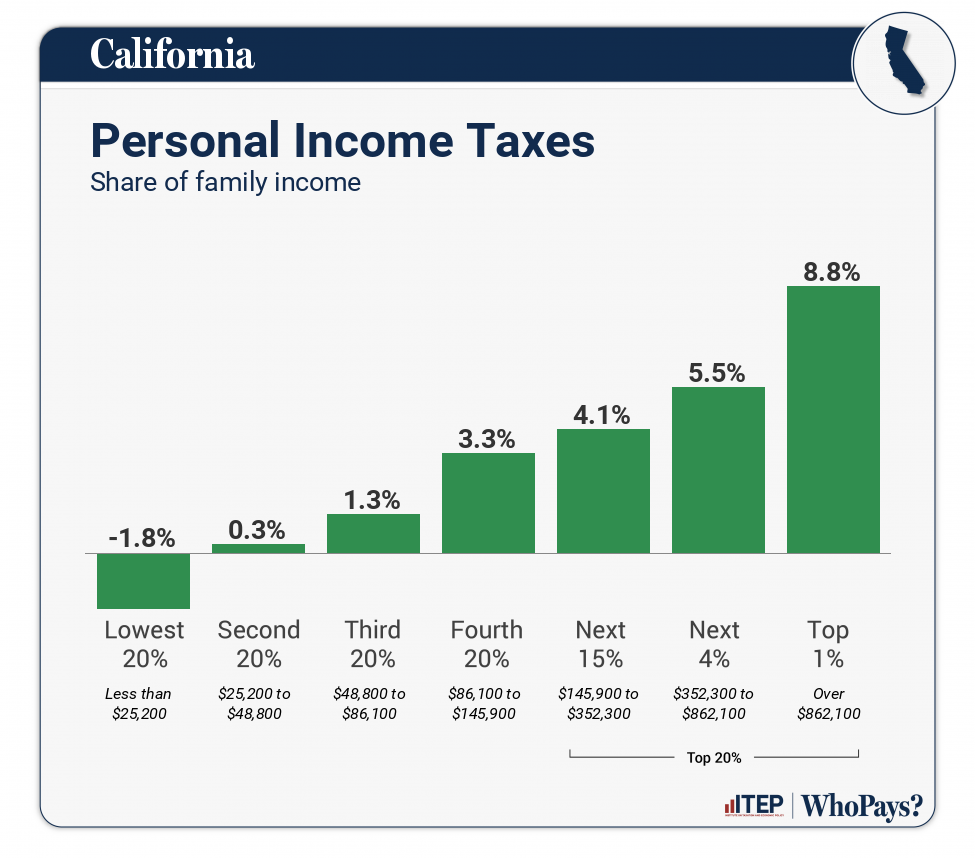
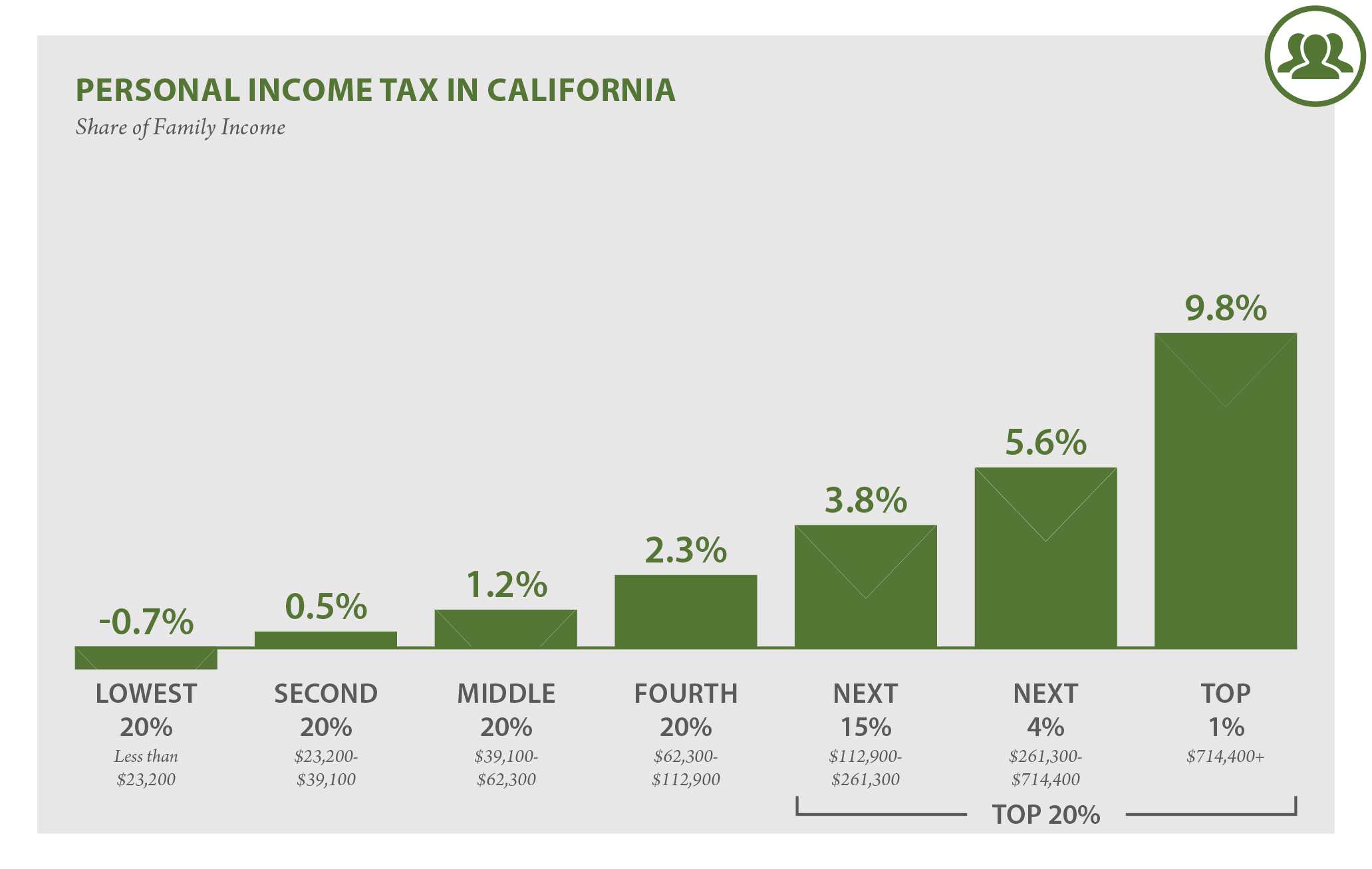
California is renowned for having one of the highest state income tax rates in the United States. This progressive tax system means that individuals with higher incomes pay a larger percentage of their earnings in taxes. The state’s tax brackets are updated annually to account for inflation, ensuring that the system remains responsive to economic changes. Currently, California boasts ten different income tax brackets, with rates ranging from a low of 1% to a top marginal rate that can reach 12.3%. This top rate applies to taxable income exceeding a certain threshold, which varies depending on filing status (single, married filing jointly, head of household).
Beyond the standard income tax, high-income earners in California are also subject to an additional 1% “mental health services tax” (often referred to as the millionaire’s tax) on income over $1 million. This effectively pushes the highest marginal income tax rate to 13.3%. When compared to states like Texas or Florida, which have no state income tax, or even neighboring states like Nevada (also no state income tax) and Oregon (with a top rate typically below 10%), California’s tax burden stands out significantly.
This robust tax structure supports a wide array of public services, from education and healthcare to infrastructure projects and environmental protection, all of which contribute to the quality of life and the allure of the state. However, it also means that residents have less disposable income than their counterparts in lower-tax states, which can impact personal savings, investment capabilities, and, notably, discretionary spending on things like travel, leisure, and luxury accommodations. For those accustomed to a different tax environment, moving to California requires a significant financial recalibration.
Who Pays California Income Tax?
Understanding who is subject to California income tax is critical, especially for a state that attracts millions of visitors and new residents each year. The rules generally fall into three main categories:
- Residents: If you are a California resident, you are taxed on all your income, regardless of where it was earned. This means if you live in Los Angeles but own rental property in New York, the income from that property is subject to California income tax (though you may receive a credit for taxes paid to New York to avoid double taxation). Determining residency can sometimes be complex and is based on a combination of factors, including where you hold your driver’s license, where you register your vehicles, where you vote, and where your primary home is located. The Franchise Tax Board (FTB) provides detailed guidelines on establishing domicile.
- Non-Residents: If you are not a resident of California but earn income from sources within the state, you are generally required to pay California income tax on that specific income. This could include wages for work performed in California, income from a California business, or gains from the sale of California real estate. For example, a travel blogger based in Texas who earns revenue from a sponsored post while on assignment in San Francisco may need to report that income to California.
- Part-Year Residents: If you move into or out of California during the tax year, you are considered a part-year resident. In this scenario, you are taxed as a resident for the portion of the year you lived in the state and as a non-resident for the income earned from California sources during the remainder of the year. This often involves careful record-keeping and potentially filing two different tax returns, one for your resident period and one for your non-resident activities.
These distinctions are vital for anyone engaging with California’s economy, from remote workers visiting for an extended period to entrepreneurs setting up a temporary presence. Misunderstanding these rules can lead to unexpected tax liabilities and complications with the Franchise Tax Board.
Beyond the Brackets: Understanding the Full Tax Picture
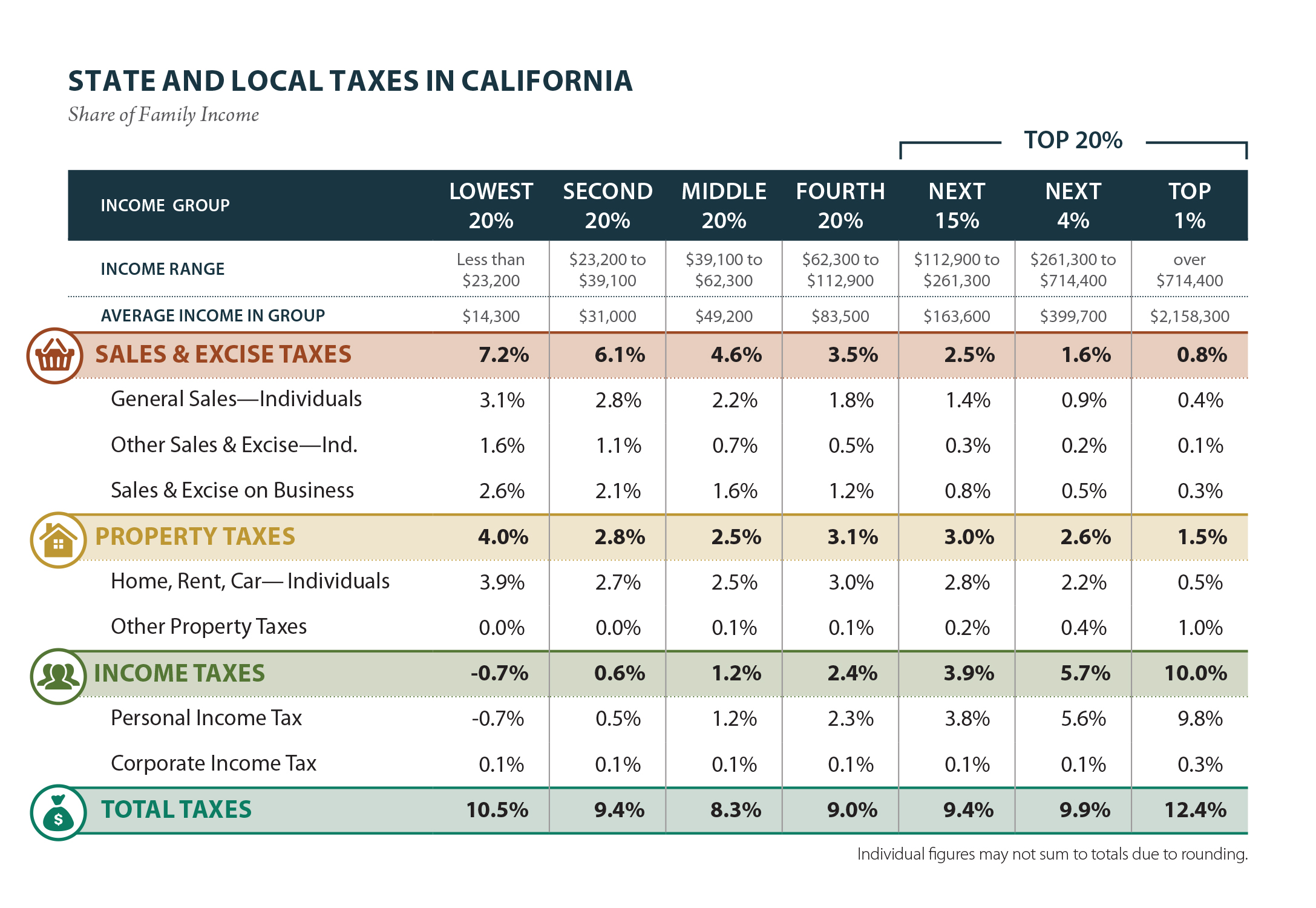
While income tax often takes center stage in discussions about California’s financial environment, it’s crucial to recognize that it’s just one piece of a larger puzzle. The overall cost of living and the financial feasibility of residing or even extensively visiting the state are influenced by a comprehensive array of taxes and expenses. A holistic view is essential for anyone planning a move, considering a long-term stay, or even evaluating the budget for a significant travel experience.
California features a state sales tax that applies to most tangible goods, varying by locality but typically ranging from 7.25% to over 10% in some cities. This directly impacts the cost of everyday purchases, from groceries and clothing to souvenirs from Disneyland Park or a new surfboard in Malibu. For homeowners, property taxes are another substantial expense, calculated based on the assessed value of the property, though Proposition 13 provides some protection against rapid increases. Additionally, various local taxes, fees, and surcharges contribute to the overall financial landscape, impacting everything from utility bills to hotel occupancy taxes, which can significantly inflate the price of a stay at a luxury resort like the Beverly Wilshire, A Four Seasons Hotel or The Ritz-Carlton, Laguna Niguel.
State Income Tax vs. Other California Taxes
The interplay between California’s income tax and its other taxes creates a unique economic environment. High income tax rates reduce an individual’s take-home pay, directly impacting their ability to save, invest, or spend. However, the subsequent spending is then often subject to sales tax, creating a dual layer of taxation on consumption. For businesses, corporate income tax (or franchise tax for C-corporations) also contributes to the cost of doing business, which can be passed on to consumers through higher prices for goods and services, including travel and accommodation.
For tourists, while they may not directly pay California income tax (unless earning income within the state), they certainly encounter the effects of the state’s tax policies through sales taxes on purchases, gas taxes, and hotel occupancy taxes. These indirect taxes contribute to the perception of California as an expensive destination, influencing travel budgets and choices between luxury and budget-friendly trips. The cost of a hotel room in San Francisco, for example, includes not just the base rate but also a significant percentage for local and state taxes, which can sometimes add 14-16% or more to the bill.
The Impact on Lifestyle and Budgeting
The combined effect of high income taxes, robust sales taxes, and significant property costs in desirable areas means that residents of California often face a higher cost of living compared to many other states. This reality deeply influences lifestyle choices and budgeting decisions. Disposable income is more constrained, which can lead to adjustments in everything from housing choices and daily expenditures to long-term financial planning.
For individuals passionate about travel and immersive experiences, this often means being more strategic about their leisure spending. A high tax burden might necessitate opting for more budget-conscious vacations, exploring local attractions within [California](https://lifeoutofthebox.com/california] rather than international trips, or seeking out affordable accommodation options instead of luxury resorts. For families, the impact is even more pronounced, as budgeting for family trips to places like Disneyland Park or a stay near the Santa Monica Pier requires careful foresight given the cumulative costs. This also influences the decision to pursue certain career paths, as the net income after taxes needs to adequately support the desired lifestyle in such an economically vibrant but demanding state.
California’s Tax Revenue and Its Role in Tourism and Infrastructure
The substantial tax revenues generated by California’s robust tax system, including income tax, sales tax, and property tax, play a pivotal role in funding the state’s extensive public services and infrastructure. While the high tax burden can be a point of contention for residents and businesses, it also enables the state to maintain and enhance many of the very attractions and amenities that draw millions of tourists each year. This creates a symbiotic relationship where tax dollars fund the environment that makes California a premier travel destination.
A significant portion of tax revenue is directed towards maintaining and improving California’s vast network of roads, highways, and public transportation systems. This infrastructure is vital for tourism, allowing visitors to easily access diverse regions, from the urban centers of Los Angeles and San Francisco to the natural wonders of Yosemite National Park or the scenic drive along the Pacific Coast Highway. Without these investments, navigating the state’s expansive geography would be far more challenging, diminishing the overall visitor experience.
Moreover, tax funds support the state’s numerous state parks, beaches, and protected natural areas. These public lands are major draws for eco-tourists and outdoor enthusiasts, offering opportunities for hiking, camping, surfing, and wildlife viewing. Maintenance, ranger services, and conservation efforts in places like Lake Tahoe or [Death Valley National Park](https://lifeoutofthebox.com/death-valley-national-park] are directly supported by the state’s general fund, which is heavily reliant on income tax contributions. These investments not only preserve California’s natural beauty but also ensure their accessibility and safety for both residents and tourists.
The Economic Equation: Taxes, Tourism, and the California Dream
The relationship between California’s tax policies and its thriving tourism industry is a complex economic equation. On one hand, the higher tax rates contribute to a more expensive cost of living and doing business, which can make some aspects of travel and accommodation pricier for visitors. This might influence choices, pushing some towards more budget-friendly accommodation or discouraging longer stays.
On the other hand, the substantial tax revenue generated helps to create and sustain the very infrastructure and attractions that underpin California’s appeal. High-quality public services, well-maintained roads, iconic landmarks like the Golden Gate Bridge, and world-class cultural institutions such as the Walt Disney Concert Hall or the Getty Center all benefit directly or indirectly from state funding. These investments ensure that California remains a desirable destination, capable of offering diverse and enriching experiences, from the glamour of the Hollywood Walk of Fame to the serene vineyards of Napa Valley.
The economic equation, therefore, balances the burden of taxation with the benefits derived from it. The state continually aims to attract talent and investment while maintaining a high quality of life for its residents, a balance that is crucial for its long-term economic health and the sustained vibrancy of its tourism sector. For many, the unique experiences and unparalleled opportunities offered by California are worth the financial considerations, embodying the enduring appeal of the “California Dream.”
Navigating California’s Financial Waters: Tips for Residents and Visitors
Understanding California’s income tax structure and broader cost of living is paramount for anyone planning to reside, work, or even extensively explore the state. Both residents and visitors can benefit from strategic planning to optimize their financial experiences and make the most of what the Golden State has to offer.
For residents, effective financial planning is key. Given the progressive tax system, maximizing deductions and credits is crucial. This might include deducting mortgage interest, property taxes, charitable contributions, or exploring energy-efficient home improvement credits. Consulting with a qualified tax professional is often advisable to ensure full compliance and to identify all available tax-saving opportunities. Budgeting for the high cost of living, including housing, utilities, and daily expenses, is also essential. This might involve choosing to live in more affordable cities like Sacramento or opting for smaller living spaces to free up funds for discretionary spending, such as travel within the state to iconic spots like Big Sur or exploring its vibrant cultural scenes. Investing in long-term financial planning and retirement accounts can also provide tax advantages and help build wealth despite the higher tax burden.
For visitors and potential movers, a realistic understanding of the cost of living and travel expenses in California is vital for proper budgeting. Factor in not just accommodation and activities but also sales tax on purchases, higher gas prices, and potentially significant hotel occupancy taxes. Researching different regions and cities can reveal varying cost profiles; for instance, a trip to San Diego might offer different pricing for hotels and dining compared to San Francisco. Those considering a move should conduct thorough research on average salaries for their profession in California and compare them against the projected cost of living in their desired area. Understanding potential income tax implications as a resident, non-resident, or part-year resident before making the move can prevent significant financial surprises. Leveraging budget-friendly travel tips, such as utilizing public transport, exploring free attractions, or cooking some meals, can also help mitigate the overall expense for tourists.
In conclusion, California’s income tax is a significant component of its financial landscape, directly influencing the lives of its residents and indirectly impacting the experiences of its visitors. While the state’s progressive tax system contributes to a higher cost of living, it also funds the robust infrastructure and public services that underpin California’s unparalleled beauty, innovation, and diverse attractions. By understanding these financial realities and planning accordingly, individuals can more effectively navigate the Golden State’s economic waters and fully embrace the unique opportunities and vibrant lifestyle it offers. Whether you’re here for an extended stay, a luxurious getaway, or a permanent relocation, being financially informed is the first step to truly enjoying all that California has to offer.
LifeOutOfTheBox is a participant in the Amazon Services LLC Associates Program, an affiliate advertising program designed to provide a means for sites to earn advertising fees by advertising and linking to Amazon.com. Amazon, the Amazon logo, AmazonSupply, and the AmazonSupply logo are trademarks of Amazon.com, Inc. or its affiliates. As an Amazon Associate we earn affiliate commissions from qualifying purchases.