
San Francisco, California, stands as one of the most iconic and captivating cities in the United States. Famed for its steep rolling hills, Victorian architecture, diverse cultural tapestry, and breathtaking views of the Pacific Ocean and San Francisco Bay, it’s a city that continuously draws global attention. Understanding its population is not just about a numerical figure; it’s a deep dive into the dynamic forces shaping its economy, culture, and unique lifestyle. For travelers, hoteliers, and anyone interested in the pulse of urban life, the city’s demographics offer profound insights into its character and future.
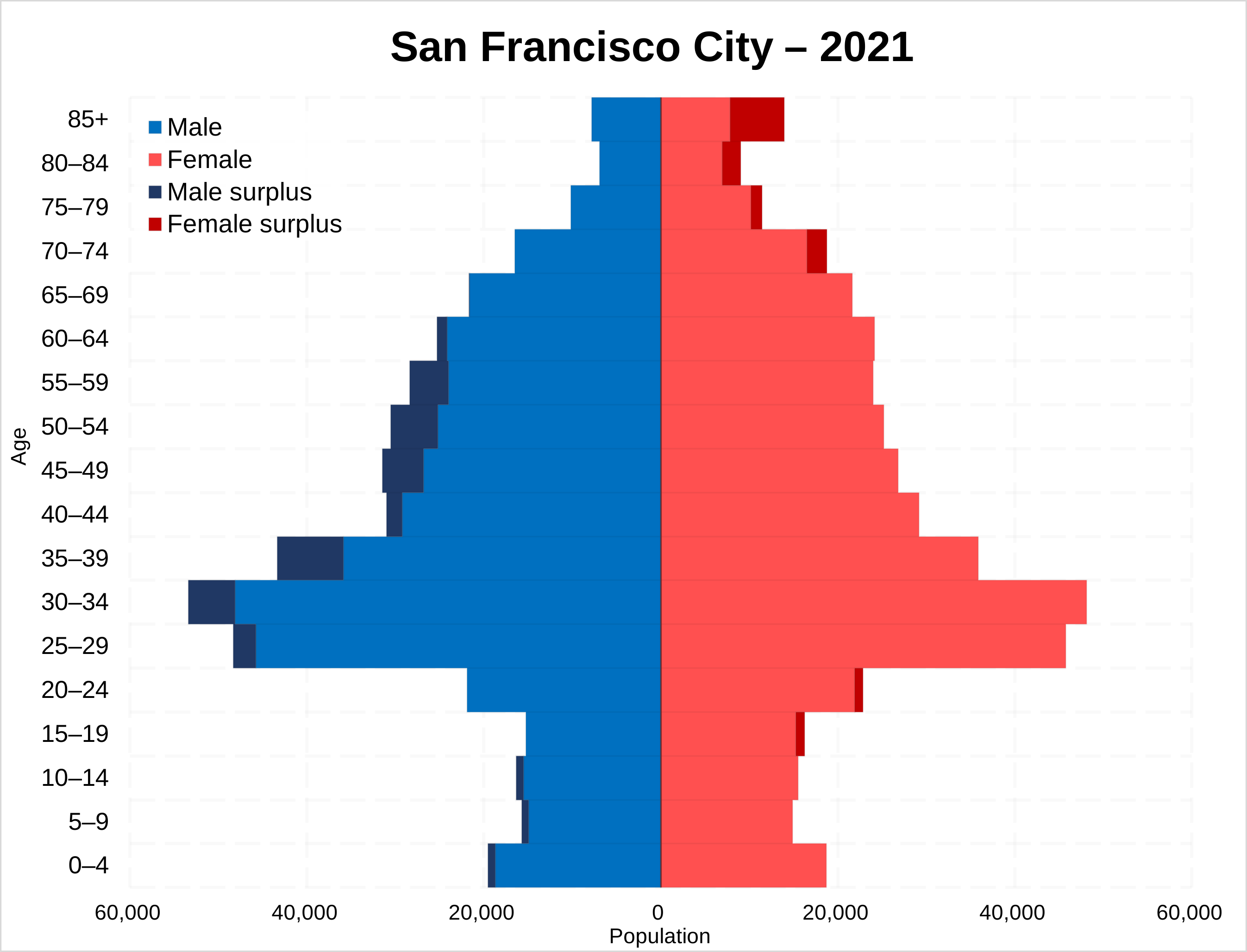
According to recent estimates, the population of San Francisco hovers around 800,000 to 815,000 residents. This figure positions it as the 17th most populous city in the United States and the fourth most populous in California. However, these numbers represent more than just inhabitants; they reflect a vibrant, ever-evolving community that defines this world-renowned travel destination. The city’s relatively small geographical footprint on a peninsula means that its population density is among the highest in the nation, contributing to its bustling streets, close-knit neighborhoods, and a distinctive urban experience that is both exhilarating and, at times, challenging.
Understanding San Francisco’s Dynamic Demographics
The story of San Francisco’s population is one of constant flux, marked by periods of rapid growth, demographic shifts, and significant social and economic transformations. From its boom during the California Gold Rush to its current status as a global technology hub, the city has always been a magnet for dreamers, innovators, and those seeking a unique way of life.
Population Figures and Trends
Historically, San Francisco saw explosive growth in the 19th century, driven by its strategic port location and the allure of economic opportunity. While its growth rate has stabilized compared to some other major U.S. cities, it continues to attract a steady stream of new residents, particularly young professionals drawn to its thriving tech industry. The early 2020s, influenced by global events, saw a slight dip in population as some residents sought more affordable living or remote work opportunities outside the immediate Bay Area. However, the city remains resilient, with projections often indicating a return to gradual growth as its economic engines continue to churn.
This population density means that every square mile of San Francisco is intensely utilized, shaping everything from its public transport system and park design to the prevalence of multi-story buildings and compact residential units. For tourists, this translates into a highly walkable city, where major attractions are often just a short ride away, and the urban fabric feels vibrant and alive at all times. For those considering accommodation, it highlights the competitive nature of the housing market, whether looking for a short-term hotel stay or a long-term rental apartment.
Demographic Composition and Diversity
San Francisco is celebrated for its incredible diversity, a characteristic deeply embedded in its history and present-day population. No single ethnic group constitutes a majority, contributing to a rich mosaic of cultures, languages, and traditions. The city boasts a significant Asian population, particularly a vibrant Chinatown, which is the oldest in North America. There are also substantial Hispanic/Latino, White, and African American communities, alongside a robust LGBTQ+ population, which has historically found a welcoming home in districts like the Castro.
This demographic richness directly fuels the city’s renowned cultural scene. From the annual Chinese New Year parade to the Mission District’s vibrant murals and taquerias, and the legacy of the Summer of Love in Haight-Ashbury, diversity is not just a statistic but a lived experience that enriches the visitor experience and local lifestyle. This melting pot influences everything from the city’s culinary landscape to its art galleries, festivals, and community events, making it a compelling destination for experiential tourism.
The Economic Tapestry of the Golden City
The population of San Francisco is inextricably linked to its powerful economy, which is a significant driver of both internal migration and its allure as a global city. While tourism plays a vital role, the city’s economic foundation rests heavily on innovation and high-tech industries.
Major Industries and Innovation Hubs
San Francisco sits at the heart of the digital revolution, serving as a global epicenter for technology and innovation. While Silicon Valley is technically to the south, many leading tech companies maintain significant headquarters or major offices within the city limits. This concentration of tech giants, startups, venture capital firms, and related industries creates a high-wage job market that attracts a skilled, educated workforce from around the world. Finance, biotechnology, and professional services also contribute substantially to the city’s economic output.

The presence of these industries translates into a population with a high median income, but also contributes to the notoriously high cost of living. This economic engine fuels a dynamic urban environment, characterized by rapid development, entrepreneurial spirit, and a fast-paced lifestyle. For those interested in business travel or seeking inspiration from leading innovators, San Francisco offers unparalleled opportunities.
Impact on Cost of Living and Housing
One of the most defining characteristics of living in San Francisco is its exceptionally high cost of living, primarily driven by housing expenses. The limited land availability on the peninsula, coupled with high demand from a well-paid workforce, has pushed real estate prices and rental rates to some of the highest in the United States. This creates a unique demographic challenge, as it influences who can afford to live in the city, leading to ongoing debates about affordability, gentrification, and maintaining a diverse socioeconomic fabric.
For travelers, this translates to higher costs for accommodation, whether it’s a luxury hotel in Union Square or a boutique stay in North Beach. However, the quality of services, dining, and experiences often reflects this investment, offering an unparalleled level of urban sophistication and innovation. Understanding these economic realities provides crucial context for anyone planning a visit or considering a move to this vibrant city.
San Francisco: A Magnet for Tourism and Lifestyle
Beyond its resident population, San Francisco hosts millions of tourists annually, a transient population that significantly impacts the city’s economy, infrastructure, and overall ambiance. The city’s unique blend of natural beauty, historical landmarks, and modern innovation makes it a top-tier travel destination.
Iconic Landmarks and Attractions
The allure of San Francisco lies in its iconic landmarks and diverse attractions, each telling a piece of the city’s story. The majestic Golden Gate Bridge is a marvel of engineering and a symbol of the city, drawing visitors from every corner of the globe for its stunning views and photogenic presence. Alcatraz Island, the notorious former federal prison, offers a fascinating glimpse into history, while the bustling piers of Fisherman’s Wharf enchant with their clam chowder, sea lions, and vibrant atmosphere.
Other must-see spots include the winding curves of Lombard Street, the vibrant energy of Chinatown, and the panoramic vistas from Twin Peaks. Cultural gems like the California Academy of Sciences and the de Young Museum in Golden Gate Park cater to intellectual curiosity, while the historic cable cars offer a nostalgic way to navigate the city’s famous hills. These attractions contribute significantly to the city’s transient population, ensuring a constant flow of visitors who contribute to the local economy and cultural exchange.
Diverse Accommodation and Experiences
Given its status as a premier tourist destination, San Francisco offers a vast array of accommodation options to suit every preference and budget. From luxurious five-star hotels with breathtaking Bay views to charming boutique hotels nestled in historic neighborhoods, visitors have a wide selection. The city also features numerous vacation rentals, serviced apartments, and budget-friendly hostels, particularly appealing to different travel lifestyles – be it luxury travel, budget travel, or family trips.
The lifestyle in San Francisco for both residents and visitors is remarkably rich and varied. It’s a city that embraces outdoor activities, with vast parks like the Presidio and Golden Gate Park offering hiking trails, biking paths, and green spaces within the urban environment. The culinary scene is world-class, ranging from Michelin-starred restaurants to diverse ethnic eateries and trendy food trucks. Cultural events, live music venues, and a thriving arts scene ensure there’s always something happening, catering to a sophisticated and globally aware population.

Future Projections and Urban Development
Looking ahead, San Francisco’s population trajectory will continue to be shaped by a complex interplay of economic forces, policy decisions, and global trends. The city remains a hotbed of innovation, which will likely continue to attract a highly skilled workforce, but challenges such as housing affordability and infrastructure development will require strategic planning.
Urban planners and policymakers are constantly working to address issues like sustainable growth, public transportation improvements, and the creation of more affordable housing options to ensure the city remains accessible and diverse. Initiatives aimed at expanding public transit networks, developing mixed-use communities, and fostering green spaces are all part of the effort to accommodate future population growth while preserving the city’s unique charm and quality of life. The dialogue surrounding these developments is an integral part of San Francisco’s identity, reflecting its ongoing commitment to balancing progress with livability.
In conclusion, the population of San Francisco, California, is more than just a number; it is a dynamic indicator of a city that thrives on diversity, innovation, and an unparalleled urban experience. Whether you are considering a visit, exploring accommodation options, or simply interested in urban demographics, understanding the ebb and flow of its residents offers a comprehensive picture of one of the world’s most captivating cities. From its tech-driven economy to its world-famous landmarks and vibrant cultural tourism, San Francisco continues to evolve, drawing people in with its irresistible blend of history, progress, and distinctive charm.
LifeOutOfTheBox is a participant in the Amazon Services LLC Associates Program, an affiliate advertising program designed to provide a means for sites to earn advertising fees by advertising and linking to Amazon.com. Amazon, the Amazon logo, AmazonSupply, and the AmazonSupply logo are trademarks of Amazon.com, Inc. or its affiliates. As an Amazon Associate we earn affiliate commissions from qualifying purchases.