
California, celebrated for its diverse and breathtaking landscapes – from the sun-drenched beaches of the Pacific Ocean to the majestic Sierra Nevada Mountains and ancient redwood forests – annually confronts a formidable adversary: wildfires. These devastating infernos have become an increasingly prominent feature of the Golden State’s natural rhythm, impacting communities, infrastructure, and the vital tourism industry. While the imagery of flames and smoke is tragically familiar, “what started the California fire?” is a complex question. It stems from a multifaceted interplay of natural events, human actions, and an evolving climate. Understanding these origins is essential for prevention, appreciating the state’s resilience, and navigating the evolving landscape of travel and accommodation.
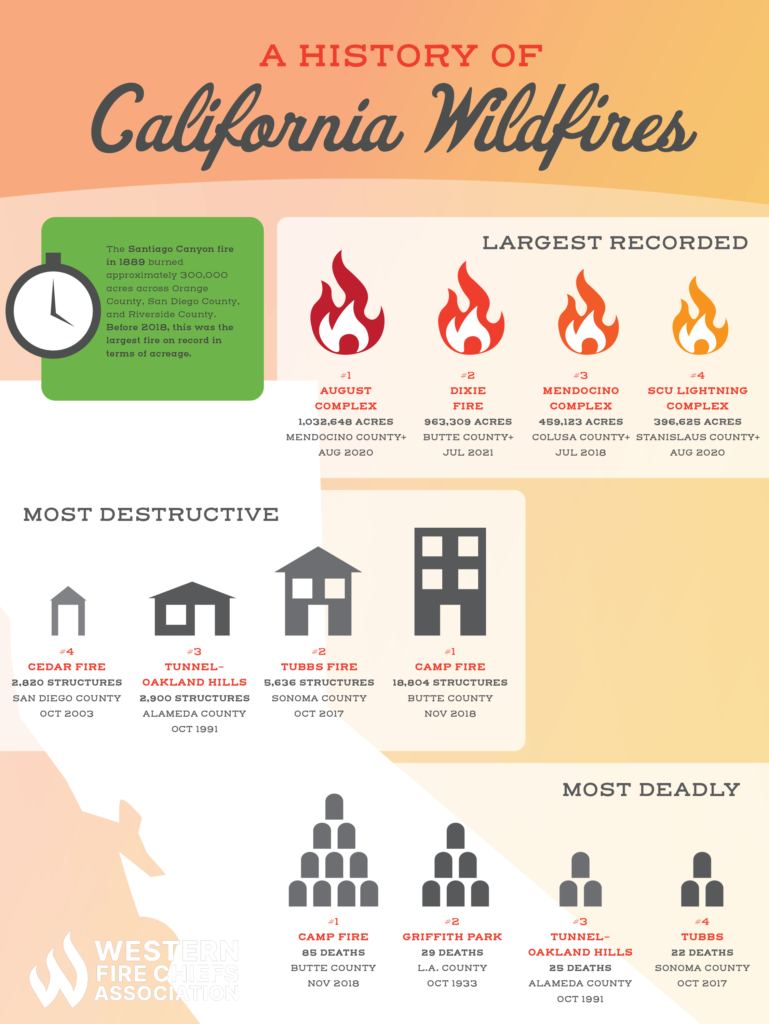
The Tangled Roots of California’s Wildfires: A Multifaceted Problem
California’s unique geography and Mediterranean climate make it inherently susceptible to wildfires. Long, hot, dry summers and dense vegetation create an ideal fuel bed. The spark igniting this tinderbox, however, stems from a myriad of sources, each contributing to the state’s ongoing battle against these destructive forces.
Natural Ignition Points: Lightning and the Landscape
Natural phenomena, though less frequent than human causes, are significant wildfire initiators. Lightning strikes, especially during “dry thunderstorms” where rain evaporates mid-air, can ignite remote areas in California’s wilderness and mountains. Historically, these natural ignitions were part of the ecosystem’s cycle, aiding underbrush clearance and new growth, as seen in areas like Yosemite National Park. However, prolonged drought and excessive fuel now allow even natural fires to escalate rapidly, threatening wilderness, popular tourist trails, and remote accommodation.
The Human Element: Accidental and Intentional Sparks
Human activity, both accidental and intentional, is the most common cause of California wildfires. The state’s high population density and outdoor recreation create numerous ignition opportunities. A major culprit is faulty or aging electrical infrastructure. Power lines in windy, vegetated areas can spark from equipment failure or contact, leading to devastating fires and intense scrutiny for utility companies. This directly impacts travel, causing power outages for hotels and resorts, and road closures to destinations like Napa Valley or Malibu. Beyond infrastructure, common human activities pose substantial risks:
- Campfires: Improperly managed campfires in national forests and campgrounds are a constant danger, leading to fire bans affecting the camping lifestyle.
- Vehicle sparks: Hot catalytic converters or dragging trailer chains can ignite dry roadside vegetation, especially during peak travel.
- Equipment use: Sparks from construction, agricultural, or lawnmowing equipment in dry conditions can cause catastrophic events.
- Arson: Deliberate acts, though rarer, are tragically destructive.
- Discarded cigarettes: A carelessly tossed cigarette butt can rapidly escalate into a major wildfire.
These human-caused fires often occur near urban areas, directly threatening homes, businesses, hotels, and tourist infrastructure, making prevention critical for authorities and the tourism sector.
A Landscape Primed to Burn: Drought, Winds, and Vegetation
Beyond ignition sources, environmental factors accelerate fires.
- Drought: California faces prolonged droughts, intensified by climate change, dehydrating vegetation into highly flammable fuel. This also weakens trees, creating vast tracts of dry timber. For tourists, this means heightened fire warnings, potential park closures, and visible changes to natural landmarks like Lake Tahoe or Redwood National Park.
- Santa Ana Winds: These hot, dry winds sweep across Southern California in autumn, fanning flames and spreading embers rapidly. Associated with historically destructive fires, Santa Ana winds make containment challenging, impacting air travel and outdoor activities in cities like Los Angeles and San Diego.
- Chaparral and other native vegetation: While naturally fire-adapted, decades of fire suppression have led to an unnatural fuel buildup. When fires occur, they burn with unprecedented intensity, overwhelming ecosystems and causing severe damage. This overgrowth creates a dense fuel ladder, escalating ground fires to destructive crown fires.
The Devastating Echoes: Impact on California’s Travel & Tourism
Wildfires’ immediate devastation has long-lasting echoes, profoundly influencing California’s travel and tourism sectors. From the loss of iconic natural landmarks to logistical nightmares for accommodation, the impact is comprehensive.
Iconic Destinations Under Threat: Protecting Natural and Cultural Landmarks
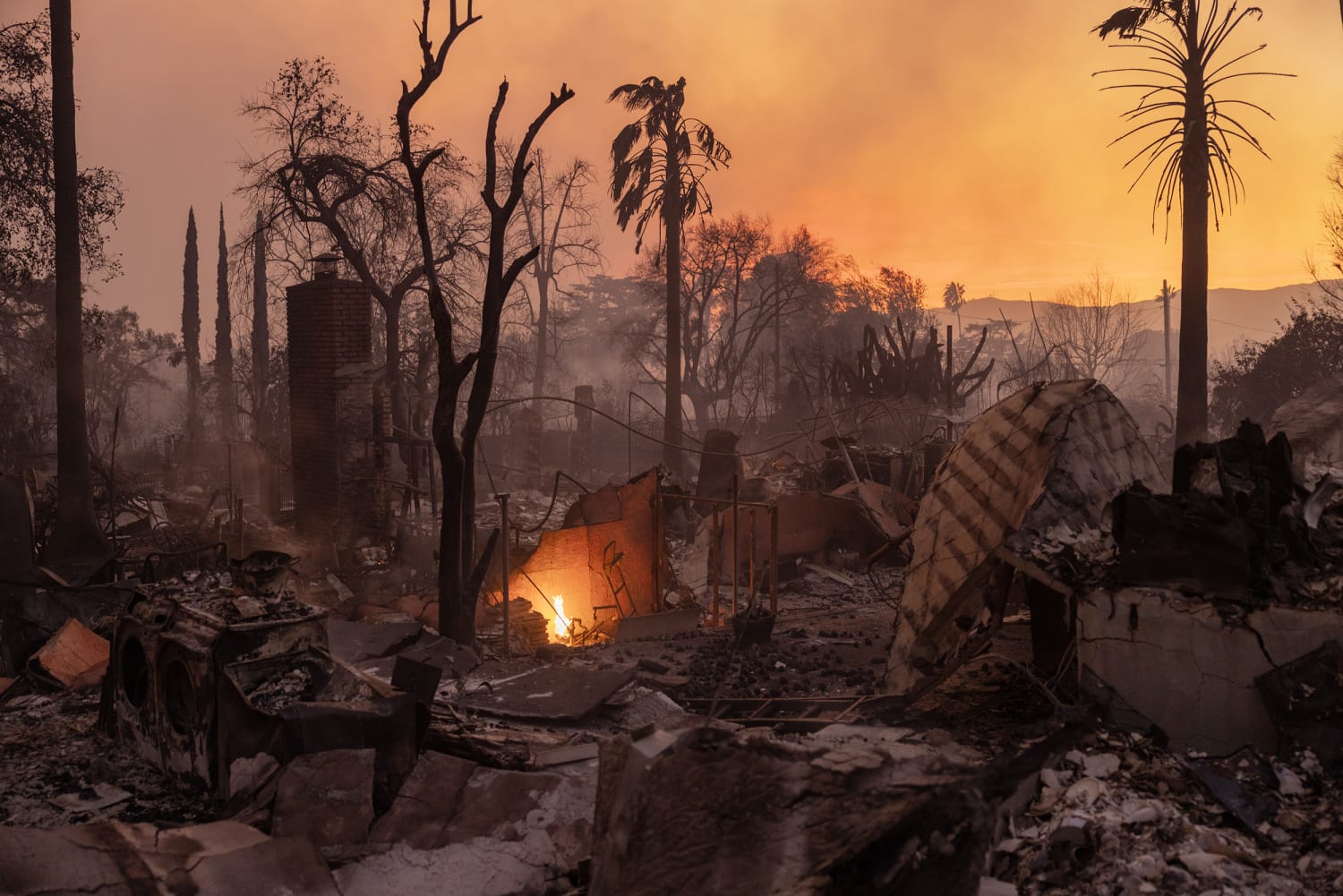
California attracts millions with its unparalleled natural and cultural landmarks, which wildfires directly threaten.
- National Parks and Forests: Fires have ravaged areas near parks like Yosemite, Sequoia National Park, and Redwood National Park, destroying trees, altering habitats, and forcing closures. This means lost tourism revenue and missed experiences, with ecosystems taking decades to recover.
- Coastal Towns and Wine Regions: Picturesque areas like Napa and Sonoma Valleys suffer direct damage to vineyards, hotels, and homes. Smoke and poor air quality deter tourists, causing booking cancellations and economic losses. Luxury resorts often rebuild or implement new safety protocols.
- Historical Sites and Infrastructure: Roads, bridges, and historical structures can be damaged or destroyed, hindering access and affecting tours.
The long-term perception of increased fire risk can influence travel decisions, prompting visitors to seek safer destinations or adjust travel times.
Accommodation and Logistics: Navigating Disruption and Recovery
The accommodation sector is highly vulnerable during and after wildfires.
- Immediate Disruption: Evacuation orders close hotels, resorts, and rentals, causing revenue loss and logistical challenges. Events are canceled, impacting occupancy in hubs like San Francisco or Los Angeles.
- Shelter for Evacuees and First Responders: Unaffected hotels often house displaced residents and emergency personnel, a vital community service that strains resources.
- Rebuilding and Recovery: Fire-impacted properties face lengthy recovery. This provides opportunities for fire-resistant materials and sustainable practices, alongside significant financial burdens. Less affected hotels shift promotions to safety.
- Changing Booking Patterns: Travelers may visit earlier spring or later fall to avoid fire season, or choose less prone coastal destinations, requiring hotels to adapt.
Adapting to a Fiery Future: Safety, Sustainability, and the Traveler’s Role
As California confronts increasing wildfire frequency and intensity, adaptation is key for residents and the travel industry. Understanding causes is the first step; mitigating risk and fostering resilience are the next.
Traveler Safety in Fire-Prone Regions
For travelers to California, especially late summer and fall, preparedness is paramount.
- Stay Informed: Monitor local news, official fire agency websites (like Cal Fire), and National Weather Service forecasts for fire activity.
- Know Evacuation Routes: Familiarize yourself with routes and emergency procedures in high-risk areas.
- Respect Fire Bans: Strictly adhere to bans in parks and outdoor areas, including campfires, grills, and smoking. One spark can cause catastrophe.
- Emergency Kit: For road trips, carry an emergency kit with water, food, first-aid, and a flashlight.
- Air Quality: Check Air Quality Indexes (AQI) as wildfires degrade air quality.
Responsible travel entails recognizing and acting on environmental realities.

The Path to Recovery: Supporting Affected Communities and Ecosystems
After fires, the long journey of recovery begins, and travelers can contribute positively:
- Support Local Businesses: Visiting and spending in safe, open areas provides a crucial economic boost. Hotels, restaurants, and attractions rely on tourism to rebuild.
- Voluntourism: Some organizations offer “voluntourism” for reforestation or community rebuilding, turning a trip into a meaningful contribution.
- Sustainable Practices: Choose eco-friendly accommodations and operators prioritizing fire-safe landscaping and water conservation to help prevent future disasters.
- Educate Yourself and Others: Understanding wildfire causes and impacts fosters awareness and encourages responsible behavior.
In conclusion, “What started the California fire?” reveals a complex interplay of natural cycles, human actions, and climate change. Despite immense challenges, California’s resilience, coupled with responsible tourism, will shape its future. By understanding its vulnerabilities, visitors can contribute to its preservation and enjoy its wonders safely and sustainably.
LifeOutOfTheBox is a participant in the Amazon Services LLC Associates Program, an affiliate advertising program designed to provide a means for sites to earn advertising fees by advertising and linking to Amazon.com. Amazon, the Amazon logo, AmazonSupply, and the AmazonSupply logo are trademarks of Amazon.com, Inc. or its affiliates. As an Amazon Associate we earn affiliate commissions from qualifying purchases.