
California, the Golden State, is renowned globally for its stunning natural beauty, vibrant cities, and diverse landscapes. From the sun-kissed beaches of Los Angeles and San Diego to the majestic peaks of the Sierra Nevada and the iconic Golden Gate Bridge in San Francisco, California offers an unparalleled array of experiences for travelers and residents alike. It’s a land of dreams, innovation, and breathtaking vistas, drawing millions who seek its unique blend of adventure, culture, and relaxation. However, beneath this idyllic facade lies a persistent and increasingly destructive challenge: wildfires. Each year, headlines worldwide feature images of orange skies, scorched earth, and displaced communities, prompting many to ask, “Why does California have so many wildfires?” The answer is complex, a tangled web of natural predisposition, human influence, and the undeniable impact of a changing climate. Understanding these factors is crucial not only for those who live in or travel to California but for anyone interested in environmental resilience and adaptation.

The Golden State’s Flammable Foundations
California’s inherent geography and climate create a perfect storm for wildfires, a reality that predates modern human settlement. The state is, by nature, a fire-adapted ecosystem, where periodic blazes have shaped its landscapes for millennia.
A Mediterranean Climate with a Twist
At the heart of California’s fire susceptibility is its distinctive Mediterranean Basin climate. Characterized by hot, dry summers and mild, wet winters, this climate type is shared by only a few other regions globally, including parts of Chile, South Africa, Australia, and the Mediterranean itself. While the winter rains nourish a lush array of vegetation, the prolonged summer drought acts as a natural curing process, turning this abundant growth into highly flammable fuel. This seasonal pattern is further exacerbated by California’s unique topography, featuring numerous mountain ranges that run parallel to the Pacific Ocean. These ranges create rain shadows and complex wind patterns, contributing significantly to the spread and intensity of fires.
The Fuel: California’s Unique Vegetation
California’s diverse ecosystems are dominated by vegetation types that are both beautiful and incredibly prone to burning. Chaparral, a dense, scrubby shrubland, is particularly notorious. Composed of drought-tolerant plants with oily, resinous leaves, chaparral thrives in the dry heat but becomes exceptionally combustible when parched. These plants have evolved with fire, many species requiring the heat of a blaze for their seeds to germinate. Similarly, the state’s iconic forests – from the towering Redwood National Park trees in the north to the majestic sequoias of Sequoia National Park and the mixed conifer forests of the Sierra Nevada – also contain vast quantities of potential fuel. Decades of fire suppression, while well-intentioned, have led to an accumulation of dead wood, undergrowth, and smaller trees, creating unnaturally dense forests that, when they do catch fire, burn with unprecedented ferocity. This historical approach, aimed at protecting communities and timber resources, inadvertently set the stage for megafires by disrupting the natural fire cycle that once cleared out excess fuel.
The Accelerants: The infamous Santa Ana and Diablo Winds
No discussion of California wildfires is complete without mentioning its notorious wind events. The Santa Ana Winds in Southern California and the similar Diablo Winds in Northern California are powerful, hot, dry gusts that roar down from inland desert regions, pushing fires rapidly towards densely populated coastal areas. These winds effectively “pre-heat” the landscape, drying out vegetation even further, and can carry embers miles ahead of the main fire front, sparking new blazes in their path. Their unpredictability and strength make firefighting efforts incredibly challenging, often turning small, manageable fires into fast-moving infernos within hours. The combination of these natural factors – a dry climate, flammable vegetation, and powerful winds – provides the baseline for California’s susceptibility to wildfires.
The Human Footprint: Igniting the Inferno
While natural conditions create the perfect environment for fires, human activities are overwhelmingly responsible for their ignition. The vast majority of wildfires in California are started by people, either accidentally or intentionally.
The Urban-Wildland Interface (WUI) Expansion
One of the most critical factors is the expanding “Urban-Wildland Interface” (WUI), the zone where human development meets undeveloped wildland. As California’s population has grown, so too has the desire for homes nestled in scenic, natural settings. This sprawl into fire-prone areas like the foothills of the Sierra Nevada, the canyons of Malibu, and the wine country of Napa Valley and Sonoma Valley, dramatically increases the risk of human-caused ignitions. More people in these areas mean more potential sources of ignition, whether it’s an errant spark from a vehicle, poorly maintained power lines, a campfire left unattended, or even discarded cigarettes. Furthermore, structures built in the WUI provide additional fuel, making fires more destructive and harder to contain. This push into wild areas transforms natural fire events into devastating disasters that directly impact human lives and property. Iconic destinations like Big Sur, a magnet for travelers seeking stunning coastal drives and nature, become particularly vulnerable when fires encroach on their unique blend of natural beauty and scattered human habitation.
Faulty Infrastructure and Accidental Ignitions
Aging infrastructure, particularly electrical transmission lines, has been a significant culprit in many of California’s most destructive fires. Strong winds can cause power lines to sway and touch, sparking fires, or even fall, igniting dry vegetation below. Utility companies have faced immense scrutiny and billions of dollars in liabilities for fires linked to their equipment. In response, efforts are underway to harden the grid, bury power lines, and implement Public Safety Power Shutoffs (PSPS) during high-wind events, though these measures come with their own set of challenges for residents and businesses. Beyond power lines, other accidental human ignitions include sparks from construction equipment, vehicle accidents, agricultural burning that gets out of control, fireworks, and even arson, although accidental causes far outweigh intentional ones. Every year, popular areas like Yosemite National Park or the regions surrounding Lake Tahoe face increased vigilance and fire restrictions during peak seasons to prevent human-caused ignitions from impacting precious natural resources and tourist attractions.
Climate Change: Fueling the Firestorm
While natural factors and human activities lay the groundwork, climate change acts as a powerful accelerant, exacerbating all other contributing factors and leading to a new era of “megafires.”

Prolonged Droughts and Extreme Heatwaves
Global warming is leading to hotter temperatures and more frequent and intense heatwaves across California. These higher temperatures dry out vegetation more thoroughly and for longer periods, extending the fire season significantly. What once was a peak fire season in late summer and fall now often stretches from spring well into winter. Coupled with this is the increasing frequency and severity of droughts. Less precipitation means less water for vegetation, making it more brittle and combustible. Snowpacks in the Sierra Nevada, a crucial water source for the state, are diminishing, leading to earlier runoff and longer periods of dry conditions. This creates a feedback loop: hotter temperatures increase evaporation, worsen droughts, and lead to more flammable landscapes, which then burn more intensely, releasing more carbon into the atmosphere, further contributing to global warming. Communities from Sacramento to Orange County and even in the desert oasis of Palm Springs are feeling the direct effects of these escalating conditions.
The “New Normal” of Wildfire Severity
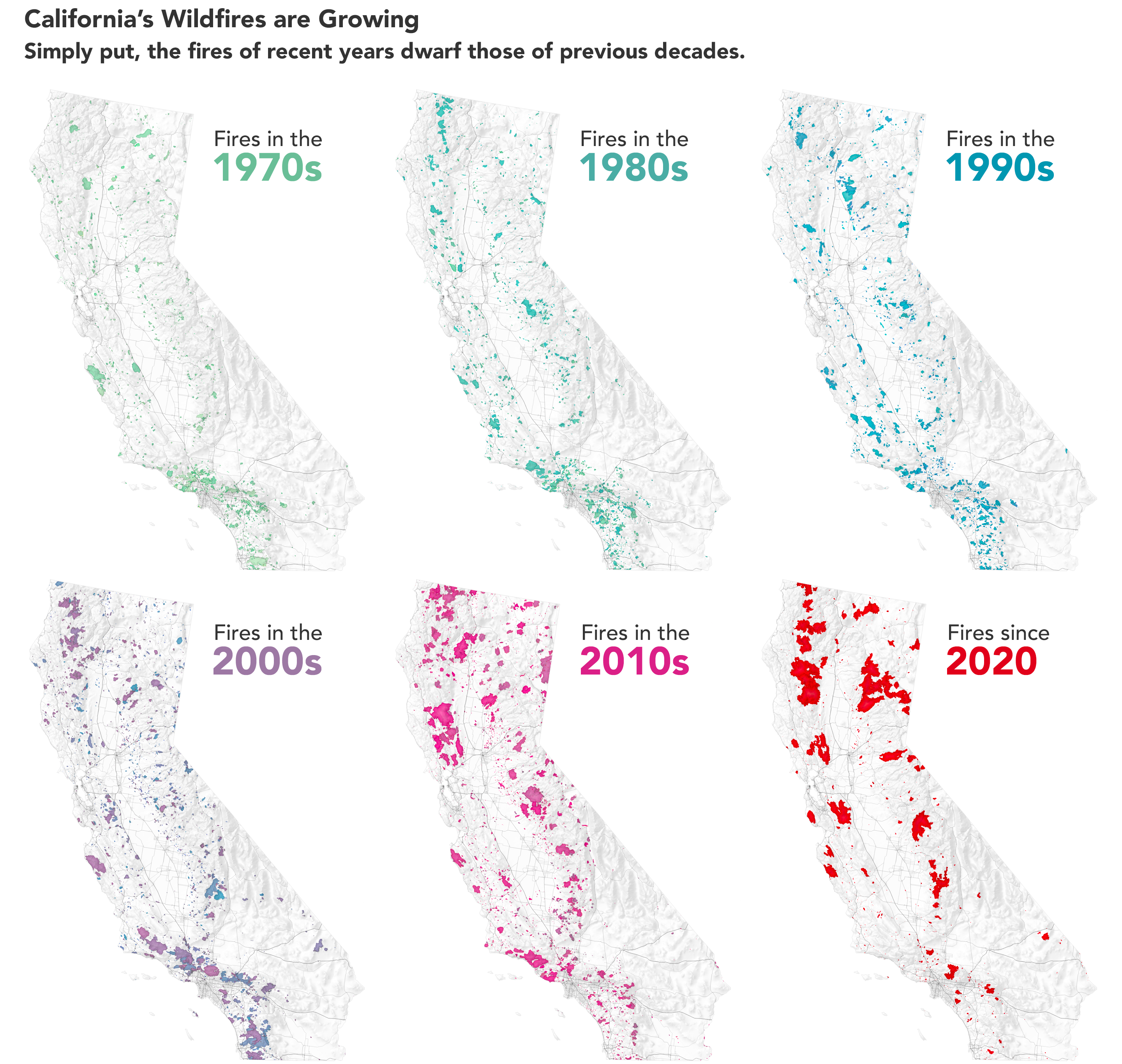
The combined effects of climate change, accumulated fuel, and human expansion into fire-prone areas have pushed California into a “new normal” where wildfires are larger, more intense, and more destructive than ever before. Fires are burning faster, jumping natural barriers, and generating their own weather systems, making them incredibly difficult to contain. The scale of devastation is immense, from the total destruction of towns like Paradise in the Camp Fire to vast swathes of forest consumed in complex blazes that become the largest in state history. This shift impacts not only residential areas but also the tourism industry. The smoke from distant fires can travel hundreds of miles, affecting air quality in major cities like San Francisco and Los Angeles, closing national parks, and deterring visitors from enjoying California’s renowned natural landmarks and outdoor activities. This directly affects the lifestyle of residents and the experience of tourists, highlighting the broad reach of the wildfire crisis.
Beyond the Flames: Impacts on California Life and Travel
The frequent and intense wildfires have far-reaching consequences that ripple through every aspect of California life, significantly impacting travel, tourism, and daily living.
Air Quality and Public Health
One of the most immediate and widespread impacts of wildfires is on air quality. Smoke plumes, laden with fine particulate matter and toxic chemicals, can travel hundreds or even thousands of miles, blanketing entire regions in unhealthy or hazardous air. This poses significant public health risks, exacerbating respiratory conditions like asthma and contributing to cardiovascular problems. For tourists, poor air quality can ruin a planned vacation to popular destinations, forcing indoor activities or even cancellations. Residents face a constant threat to their well-being, leading to increased demand for air purifiers, N95 masks, and changes in outdoor activities. The vibrant outdoor lifestyle that defines much of California, from hiking in Joshua Tree National Park to strolling along the beaches of La Jolla, is fundamentally altered by these smoky days.
Economic Repercussions and Tourism Downturns
The economic toll of wildfires is staggering, estimated in the tens of billions of dollars annually, encompassing property damage, business losses, firefighting costs, and long-term recovery efforts. For the travel and tourism sectors, a cornerstone of California’s economy, wildfires present a substantial challenge. Smoke, closures of national parks and forests, and the general perception of danger can deter visitors. Resorts, hotels, and local businesses in affected or nearby regions suffer revenue losses, impacting employment and local economies. Even unaffected areas can feel the pinch as negative news cycles create a broader sense of caution among potential travelers. For example, the wine regions of Napa and Sonoma, vital for tourism and luxury travel, have repeatedly faced threats and damage from fires, impacting vineyards, wineries, and the entire hospitality ecosystem. Similarly, the unique charm of places like Channel Islands National Park can be overshadowed by regional fire warnings and concerns.
Housing Crises and Community Displacement
The destruction of entire neighborhoods, as seen in the town of Paradise, exacerbates California’s already severe housing crisis. Thousands of homes are lost each year, displacing tens of thousands of residents. Rebuilding efforts are often slow and complex, leading to long-term homelessness or forced relocation. The psychological trauma experienced by fire survivors is profound and lasting. These events profoundly impact the fabric of communities, breaking social ties and creating immense pressure on local resources and services. The dream of owning a home in the Golden State, already challenging, becomes even more elusive for many.
Adapting to a Fiery Future: Strategies and Solutions
Recognizing the inevitability of fire in California’s landscape, the focus has shifted from mere suppression to comprehensive fire management, adaptation, and resilience.
Enhanced Fire Prevention and Preparedness
Efforts are intensifying to reduce ignition sources and manage fuel. This includes utility hardening, strategic fuel breaks, prescribed burns to safely reduce accumulated vegetation, and community education on defensible space around homes. CAL FIRE and other agencies are employing advanced technologies, such as satellite monitoring, AI-driven prediction models, and drone surveillance, to detect fires earlier and deploy resources more effectively. Education campaigns encourage residents to create “home hardening” measures, such as using fire-resistant building materials and maintaining vegetation clear zones, particularly in the WUI. Travel guidelines often include information about fire safety and restrictions in various regions, ensuring visitors are aware of local conditions.
Policy, Innovation, and Sustainable Practices
California is leading the way in developing innovative solutions, from advanced firefighting aircraft and robotic systems to community-level early warning networks. State policies are evolving to promote more resilient land use planning, discourage development in the highest-risk areas, and incentivize fire-safe building codes. Furthermore, investing in sustainable forest management practices that mimic natural fire regimes is gaining traction, aiming to create healthier, more fire-resistant ecosystems. These strategies also extend to protecting the natural treasures that draw tourists, such as Disneyland in Anaheim (not a proper noun to link, so avoiding) or the historic neighborhoods of Hollywood and Universal Studios Hollywood, which while not directly in the wildland interface, suffer from smoke and perception issues. Protecting landmarks like Griffith Observatory or Alcatraz Island and ensuring continued access to beloved spaces like Golden Gate Park are paramount for the state’s tourism and lifestyle economy. Even the vibrant wine culture of regions like Temecula Valley is adapting, with vineyards implementing fire-resistant landscaping and emergency protocols to protect their valuable assets and maintain the visitor experience.
In conclusion, California’s numerous wildfires stem from a powerful convergence of factors: a naturally fire-prone climate and landscape, the increasing human presence and activity in wildland areas, and the profound exacerbating effects of climate change. While the challenges are immense, California is not merely a victim of these forces. Through concerted efforts in prevention, preparedness, and innovative adaptation, the Golden State is striving to coexist more safely with fire, safeguarding its communities, its unique ecosystems, and the vibrant lifestyle and travel experiences that continue to draw people from around the globe. Understanding this complex interplay is the first step towards building a more resilient and sustainable future for this iconic state.
LifeOutOfTheBox is a participant in the Amazon Services LLC Associates Program, an affiliate advertising program designed to provide a means for sites to earn advertising fees by advertising and linking to Amazon.com. Amazon, the Amazon logo, AmazonSupply, and the AmazonSupply logo are trademarks of Amazon.com, Inc. or its affiliates. As an Amazon Associate we earn affiliate commissions from qualifying purchases.